 3 images
Ise Udon with Sauce
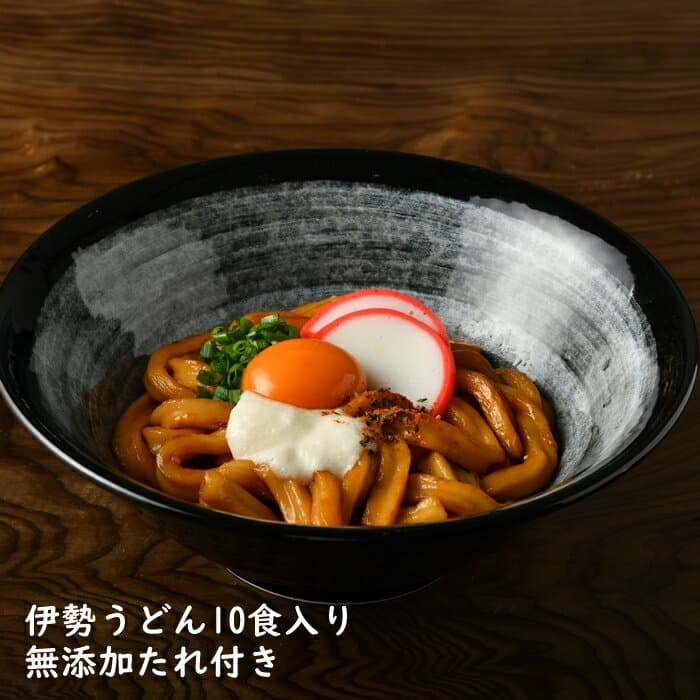
伊勢うどん 10食入り いせうどん 化学調味料 着色料不使用 うどんセット たれ付き 太麺 伊勢 三重 お土産 うどん ギフト 常温保存 美味しい まとめ買い 麺 セット つゆ付き 家庭用 ご当地グルメ お取り寄せグルメ お取り寄せ おいしい プレゼント 送料無料 7~10日後発送
230g x 10 servings有限会社 かいだ食品
4.9 / 320 reviews
Japanese name伊勢うどん
In the Ise area of Mie Prefecture, thick soft noodles meet a small pool of tamari-based sauce, chopped green onion, wheat grown after rice, and the old travel towns around Ise Jingu.
Information last updated 119 days ago
3 images伊勢うどん 10食入り いせうどん 化学調味料 着色料不使用 うどんセット たれ付き 太麺 伊勢 三重 お土産 うどん ギフト 常温保存 美味しい まとめ買い 麺 セット つゆ付き 家庭用 ご当地グルメ お取り寄せグルメ お取り寄せ おいしい プレゼント 送料無料 7~10日後発送
230g x 10 servings有限会社 かいだ食品
4.9 / 320 reviews
 3 images
手打ち式伊勢うどん10食入(簡易パッケージうどん) 送料無料 本場伊勢よりお届け 本醸造のたまり醤油を使用した特製つゆ付 ランキング 通販 伊勢うどんたれ
10 servings, simple pack伊勢鳥羽志摩特産横丁
4.7 / 581 reviews
 3 images
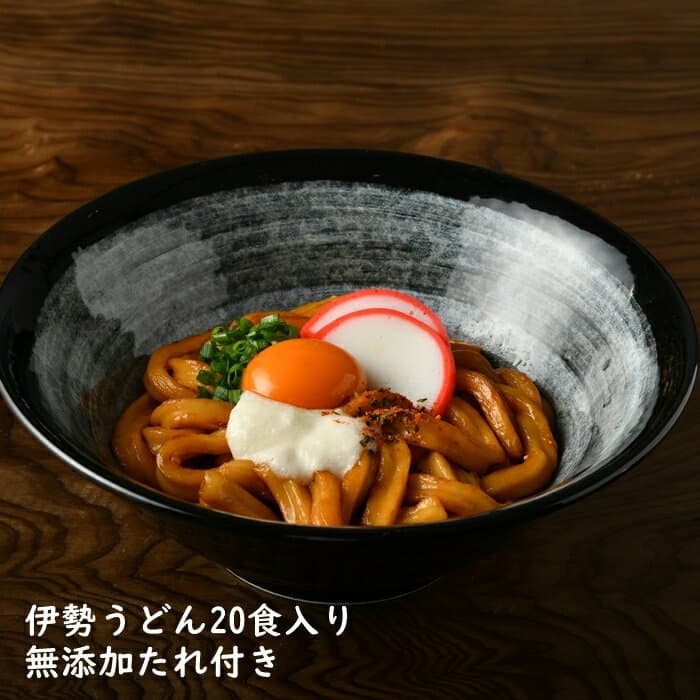
伊勢うどん 20食入り 送料無料 まとめ買い ギフト いせうどん 伊勢 お土産 着色料不使用 うどんセット たれ付き 三重 やわらかい 太麺 タレ 麺 お取り寄せ セット うどん 常温保存 おいしい お取り寄せグルメ お父さん 誕生日 贈り物 プレゼント 送料無料 7~10日後発送
230g x 20 servings有限会社 かいだ食品
4.8 / 165 reviews
First time buying on Rakuten? How residents in Japan order →
Ise udon begins with a plain bowl that is easy to recognize: thick, very soft noodles; a small amount of dark sauce based on tamari soy sauce and bonito dashi; and, often, little more than chopped green onion. It belongs to the Ise area of Mie Prefecture, where the bowl is shaped around sauce clinging to noodles rather than noodles floating in a large broth. Its concrete background runs through Ise-area wheat grown after rice, tamari drawn from local miso, the towns of Uji and Yamada, and travelers moving toward Ise Jingu.
The usual shape of Ise udon is spare: thick soft noodles, a little tamari-based sauce, and few toppings beyond chopped green onion. The sauce is built around tamari soy sauce and bonito dashi, while some shops adjust it with other dashi, mirin, or their own methods. Its dark color can look strong, yet the described taste leans toward umami, sweetness, and a mellow finish. The noodles matter because their softness and thickness help them catch the sauce, so each bite carries tamari, dashi, and green onion on the noodle surface.
The older roots of the bowl sit in farm practice around Ise City. Before the Edo period, farmers in the area grew wheat as a second crop after rice. One handed-down account says farmers milled that wheat, made udon, and ate it with tamari taken from local miso. Tradition here has concrete parts: rice fields followed by wheat, grain ground into flour, noodles made from that flour, and miso tamari poured over the finished bowl.
Ise City drew many pilgrims to Ise Jingu in the Edo period, and the torii-front towns of Uji and Yamada grew with that movement. Udon shops and teahouses served the noodles to travelers, and the city account describes the bowl as both filling and easy to digest after a long journey. By the middle of the Edo period, Ise udon had taken a form close to what diners recognize today. The restrained bowl also fits a travel setting: soft noodles, a small amount of sauce, and a simple garnish could be served and eaten without a large broth.
The texture of Ise udon comes from noodle handling as much as from size. Supplementary descriptions say local standards set the combined vertical and horizontal noodle thickness at 6 millimeters or more, with at least 25 minutes of boiling during production, and a sauce based on tamari. Many shops boil the noodles for a long time, divide them into single portions, then reheat an order with a tool called a tooshi. The result is a very soft, chewy noodle built to carry concentrated sauce.
After the war, the wheat used for the noodles shifted toward foreign wheat. In more recent years, makers and udon shops have tried and actively used Ayahikari, a wheat variety born in Mie Prefecture, as a wheat suited to Ise udon. That continuity is practical and visible: a named local variety enters the flour choice of noodle makers and the shop bowl where soft noodles meet dark tamari sauce.
The name Ise udon points to the Ise City area, thick soft noodles, tamari-based sauce, and a restrained topping style. Local groups have set expectations around noodle size, long boiling, and tamari sauce; around 2008, the Mie Prefecture noodle cooperative also sought protection for the name after rough products from outside manufacturers appeared. For a reader, the practical boundary is visible in the bowl: soft thick noodles, a small dark sauce, chopped green onion, and a texture that holds the sauce rather than sinking under broth.
The force of Ise udon is quiet because its parts are so specific: Ise-area wheat after rice, tamari from miso, bonito dashi, the travel towns of Uji and Yamada, and today’s use of Ayahikari wheat. The bowl does not need many toppings or a large broth. Its thick soft noodles and dark sauce hold the fields, shops, and pilgrim roads of Ise in compact form.
Compiled from public records and official sources; see the recognition links below. Details may change over time.
Where this product is officially registered, designated, or recognized in Japan.
Regional collective trademark
Registered as a Regional Collective Trademark with the Japan Patent Office.
Sources1
It is written as 伊勢うどん in Japanese. Search Rakuten and other Japanese sites with that spelling — the English name will not bring up the listings.
Ise udon is a local udon of the Ise area in Mie Prefecture, known for thick, very soft noodles, a small amount of dark tamari-based sauce with bonito dashi, and sparse toppings such as chopped green onion. Its roots are linked to Ise-area farmers who grew wheat after rice, milled it into noodles, and ate it with tamari from local miso. In the Edo period, shops and teahouses in Uji and Yamada served it to travelers visiting Ise Jingu.
Supplementary local standards describe Ise udon noodles as totaling at least 6 mm vertically and horizontally, boiled for at least 25 minutes during production, with tamari-based sauce. The sauce for Ise udon is based on tamari soy sauce and bonito dashi, with shop-level variations that use other dashi or mirin. The dark sauce can be described as umami-rich, sweet, and mellow in finish rather than simply salty by appearance. After postwar use of foreign wheat, the Mie-born variety Ayahikari has been tried and actively used by noodle makers and udon shops as a wheat suited to Ise udon.
In the Edo period, udon shops and teahouses in Uji and Yamada served the noodles to travelers visiting Ise Jingu, and the dish was valued as filling and easy to digest after long journeys. The common format is thick soft noodles, a small amount of tamari-based sauce, and little garnish beyond chopped green onion, so the noodle-sauce texture is the main point of eating.
Storage varies by product — shelf-stable, refrigerated, or frozen — and is stated on the packaging and the Rakuten listing. Shelf-stable processed foods usually need refrigerating once opened and eating within a few days; chilled and frozen items go straight into storage on arrival. Treat the best-before date on the physical packaging as authoritative.
Most options are shelf-stable, boxed, and travel well, so they suit gifting or bringing home. Confirm the final storage and delivery terms on the Rakuten listing.
On Rakuten: the shops listed here right now are 有限会社 かいだ食品, 伊勢鳥羽志摩特産横丁. We don't sell directly; purchase, payment, stock, and delivery are all handled on the Rakuten product page.