 3 images
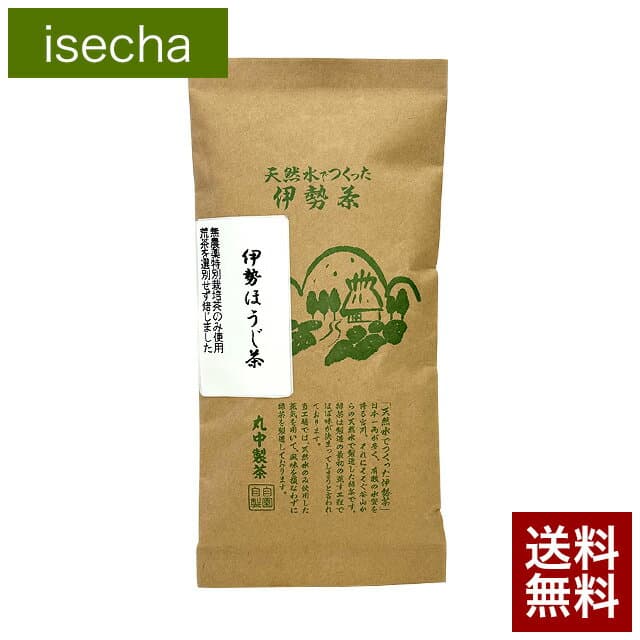
Ise Tea Specially Cultivated Pesticide-Free Hojicha
伊勢茶 特別栽培 無農薬 ほうじ茶 80g メール便 送料無料 ( 送料無 送料込 無農薬茶 焙じ茶 茶葉 お茶 お茶の葉 日本茶 緑茶 美味しい おすすめ 国産 三重県産 伊勢 丸中製茶 )
80g伊勢丸中製茶 楽天市場店
4.8 / 308 reviews
Japanese name伊勢茶
Across Mie Prefecture, Isecha gathers shaded kabusecha, deep-steamed sencha, mountain-facing tea fields, and bay-side climate into one regional tea name.
Information last updated 7 days ago
3 images伊勢茶 特別栽培 無農薬 ほうじ茶 80g メール便 送料無料 ( 送料無 送料込 無農薬茶 焙じ茶 茶葉 お茶 お茶の葉 日本茶 緑茶 美味しい おすすめ 国産 三重県産 伊勢 丸中製茶 )
80g伊勢丸中製茶 楽天市場店
4.8 / 308 reviews
 3 images
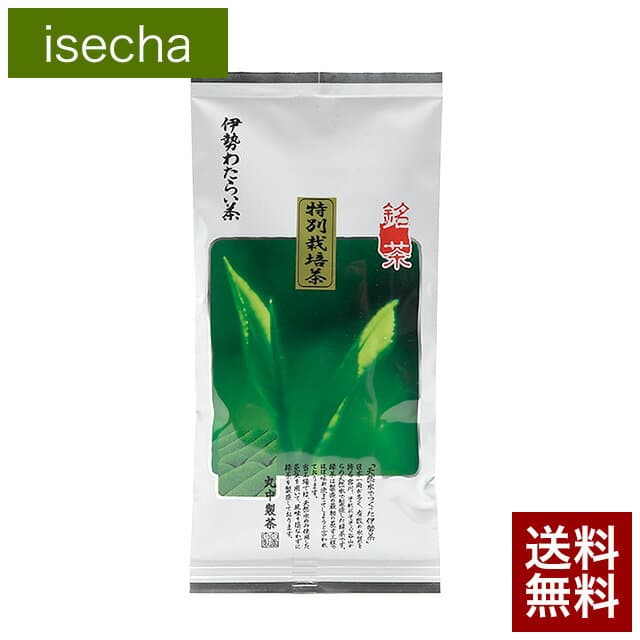
伊勢茶 特別栽培 無農薬茶 80g メール便 送料無料 ( 送料無 送料込 無農薬 お茶 緑茶 煎茶 茶葉 お茶の葉 日本茶 美味しい おすすめ 国産 三重県産 伊勢 丸中製茶 )
80g伊勢丸中製茶 楽天市場店
4.5 / 519 reviews
 3 images
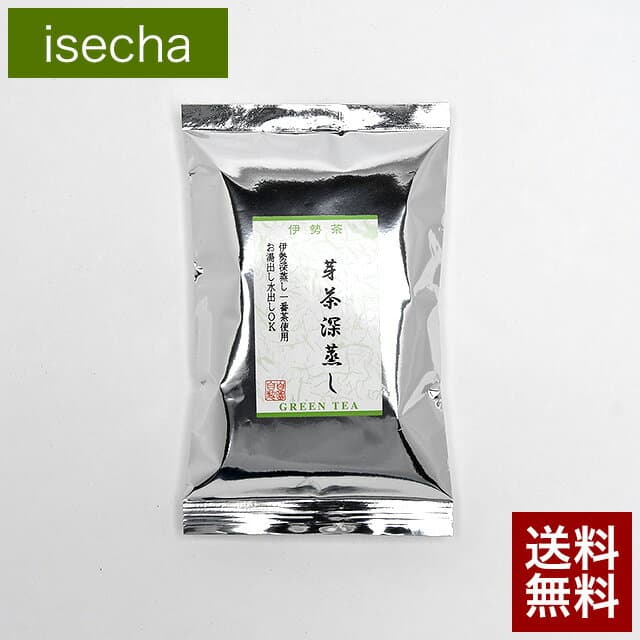
おためし お試し 深蒸し茶 伊勢茶 芽茶 深蒸し 100g メール便 送料無料 水出し 水だし お湯出し 緑茶 茶葉 お茶の葉 日本茶 お茶 国産 三重県産 伊勢 丸中製茶
100g伊勢丸中製茶 楽天市場店
4.2 / 198 reviews
 3 images
日本茶 伊勢茶 お茶 選べる 茶葉 3袋詰合せ 農薬肥料不使用栽培 無農薬 無肥料 水出し緑茶 がんばっ茶
3-bag assortment伊勢鳥羽志摩特産横丁
4.6 / 544 reviews
First time buying on Rakuten? How residents in Japan order →
All 4 listings of this product on Rakuten, lowest price first.
| Listing | Price | Shop | Reviews | Open listing |
|---|---|---|---|---|
Ise Tea Specially Cultivated Pesticide-Free Hojicha 80gLowest price | ¥540 | 伊勢丸中製茶 楽天市場店 | 4.8 / 308 reviews | View on Rakuten → |
伊勢茶 Specially Cultivated Pesticide-Free Sencha 80gLowest price | ¥540 | 伊勢丸中製茶 楽天市場店 | 4.5 / 519 reviews | View on Rakuten → |
Isecha Deep-Steamed Bud Green Tea 100gLowest priceSmall size to try | ¥540 | 伊勢丸中製茶 楽天市場店 | 4.2 / 198 reviews | View on Rakuten → |
Isecha Ganbat-cha Pesticide- and Fertilizer-Free Japanese Tea Assortment 3-bag assortmentMost reviewed | ¥1,750 | 伊勢鳥羽志摩特産横丁 | 4.6 / 544 reviews | View on Rakuten → |
Japanese · new tab
Isecha names green tea produced in Mie Prefecture, with the core boundary held by tea grown entirely in Mie. The prefecture stretches north to south, with the Suzuka Mountains and Odai mountain system to the west and Ise Bay and the Kumano Sea to the east. Around 15°C annual average temperature and roughly 1500 to 2000 millimeters of yearly rainfall help tea fields spread through several parts of the prefecture. In Hokusei, fields around Suzuka, Yokkaichi, and Kameyama meet the Suzuka foothills; in Chunansei, tea areas around Matsusaka, Odai, Watarai, Tsu, and Taki follow river and valley landscapes near the Kushida and Miya systems.
Isecha covers green tea produced in Mie Prefecture, including sencha, kabusecha, deep-steamed sencha, and some tencha. The name begins with place before it reaches flavor: the leaves are grown in Mie, then shaped by tea type and production method. Sencha brings a fresh green-tea profile; kabusecha carries deep green leaf color, umami, sweetness, and kabuse aroma from shading; deep-steamed sencha turns longer steaming into a fuller liquor with a softer edge. These differences make Isecha a family of Mie-grown teas rather than a single cup style.
The Hokusei tea area centers on Suzuka, Yokkaichi, and Kameyama, where tea gardens spread along the Suzuka foothills. Farther south and inland, Chunansei includes places such as Matsusaka, Odai, Watarai, Tsu, and Taki, with tea landscapes tied to the Kushida and Miya river systems. The regional pattern gives Isecha two clear taste directions: Hokusei is closely associated with kabusecha, while Chunansei is known for sencha and deep-steamed sencha. Mountains, valleys, rivers, and bay-facing weather all sit behind the name on the package and the flavor in the cup.
Kabusecha depends on covering the tea plants before harvest. In Mie, direct covering of the bushes is a common method, reducing sunlight on new shoots before they are picked. The change is visible and sensory: the leaves deepen in green color, umami and sweetness tied to theanine become easier to notice, and the tea develops the aroma known as kabuse-ka. A cup of Hokusei kabusecha therefore carries a concrete field practice: covered rows of tea plants, darker leaves, and a rounded sweetness created before picking.
Sencha is made by steaming, rolling, shaping, and drying tea leaves. Deep-steamed sencha lengthens the steaming stage beyond ordinary sencha, changing both the leaf and the cup. The longer steaming produces a fuller liquor, softens bitterness and astringency, and brings out umami, sweetness, and a mild aroma. In Chunansei, that method gives Isecha a dense green infusion and gentle mouthfeel, a different expression from the shaded aroma of kabusecha in the north.
Mie’s tea timeline reaches back to early 900s Suizawa in present-day Yokkaichi, where tea plants were being cultivated. A local account also connects Myoe Shonin’s planting of tea seeds with Ise-Kawakami. In the early Edo period, the Komono domain and local religious figures encouraged tea production; later, Ise merchants helped move the tea into wider markets. Late Edo to early Meiji export activity, wartime contraction, and postwar recovery place Isecha in a changing agricultural and trading landscape rather than in a frozen past.
Isecha belongs in everyday drinking as much as in tea-field travel. It can be brewed with hot water or prepared cold, and the brewed leaves can be folded into dough, sweets, or tea rice. Producer-run shops and cafes in Mie have also created ways to taste Isecha near the fields where it grows. The same leaves can move from teapot to kitchen, from a cold drink to a rice bowl, and from a farm landscape to a small cafe table.
Isecha is easiest to understand through Mie’s places and processes: shaded rows in Hokusei, deep steaming in Chunansei, early tea sites such as Suizawa and Ise-Kawakami, and daily cups served hot or cold. The name holds a prefecture-wide tea family whose flavor changes with foothills, valleys, covering, steaming, and use at the table.
Compiled from public records and official sources; see the recognition links below. Details may change over time.
Where this product is officially registered, designated, or recognized in Japan.
Regional collective trademark
Registered as a Regional Collective Trademark with the Japan Patent Office.
Sources1
It is written as 伊勢茶 in Japanese. Search Rakuten and other Japanese sites with that spelling — the English name will not bring up the listings.
Ise tea (Isecha) is the collective name for green tea produced in Mie Prefecture, including sencha, kabusecha, deep-steamed sencha, and some tencha. Its tea areas include Hokusei around Suzuka, Yokkaichi, and Kameyama, and Chunansei around Matsusaka, Odai, Watarai, Tsu, and Taki. Hokusei kabusecha is shaded before harvest, which deepens the leaf color and brings out umami, sweetness, and kabuse aroma; Chunansei deep-steamed sencha is steamed longer, making a fuller liquor with softer bitterness.
Isecha is defined as 100 percent Mie-grown green tea. Mie Prefecture has the Suzuka Mountains and Odai mountain system to the west, Ise Bay and the Kumano Sea to the east, and conditions of about 15°C average annual temperature and 1500 to 2000 millimeters of rainfall that suit tea cultivation. Mie tea history reaches back to early 900s cultivation in present-day Suizawa, Yokkaichi, and local accounts connect Myoe Shonin's tea-seed planting with Ise-Kawakami. Sencha has a fresh aroma, kabusecha a shaded aroma and umami, and deep-steamed sencha a mild aroma with fuller taste.
Isecha is commonly brewed hot or as cold-brew green tea for daily drinking. Brewed tea leaves can be used in dough, sweets, and tea rice. Sencha, kabusecha, and deep-steamed sencha can be compared by aroma and taste.
Water temperature varies a lot by type of Japanese tea: roughly 50–60°C for gyokuro, 70–80°C for sencha, and near-boiling 90–100°C for hojicha (including roasted stem tea), bancha, and genmaicha, steeped for about 30 seconds to a minute. A common ratio is about 3g of leaf per 150ml of water. Follow the instructions on the packaging where they differ.
Tea leaves are damaged by light, humidity, and absorbed odours. Once opened, keep them sealed and away from light at room temperature and drink them within a few weeks. If you refrigerate them, let the container return to room temperature before opening so condensation doesn't get in.
Most options are shelf-stable, boxed, and travel well, so they suit gifting or bringing home. Confirm the final storage and delivery terms on the Rakuten listing.
On Rakuten: the shops listed here right now are 伊勢丸中製茶 楽天市場店, 伊勢鳥羽志摩特産横丁. We don't sell directly; purchase, payment, stock, and delivery are all handled on the Rakuten product page.