 3 images
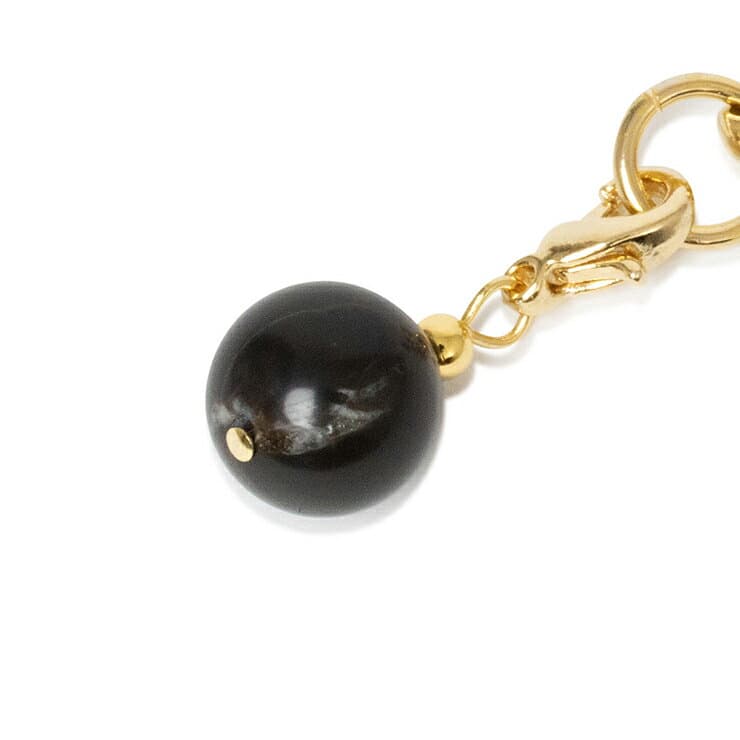
Nachiguroishi Stone Strap
那智黒石 三重県 10mm ストラップ パワーストーン ストラップ 天然石 魔除け 厄除け ブラック 運気 性別 メンズ 癒し 願望成就 パワーストーン キーホルダー
10mm, 1 stoneパワーストーン 天然石 パスクル
5.0 / 1 reviews
Japanese name那智黒石
In Kumano City’s Kamikawa-cho, a fine-grained black rock is shaped with whetstone, water, wax, brush, and cloth into Go stones, inkstones, touchstones, ornaments, and molded pieces.
Information last updated 119 days ago
3 images那智黒石 三重県 10mm ストラップ パワーストーン ストラップ 天然石 魔除け 厄除け ブラック 運気 性別 メンズ 癒し 願望成就 パワーストーン キーホルダー
10mm, 1 stoneパワーストーン 天然石 パスクル
5.0 / 1 reviews
 3 images
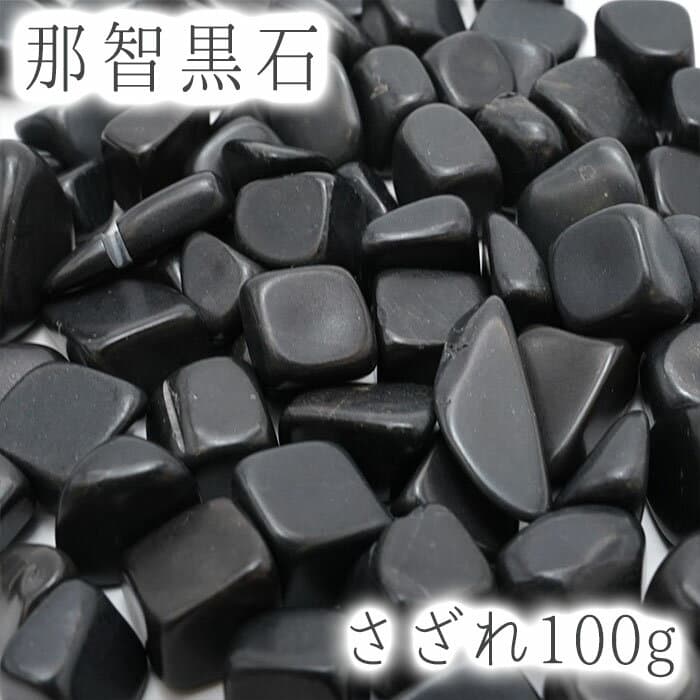
さざれ 100g 那智黒石 三重県 日本銘石 天然石 パワーストーン 穴無し さざれ石 カラーストーン 【正規販売店】
100g天然石工房 翡翠
5.0 / 1 reviews
 3 images
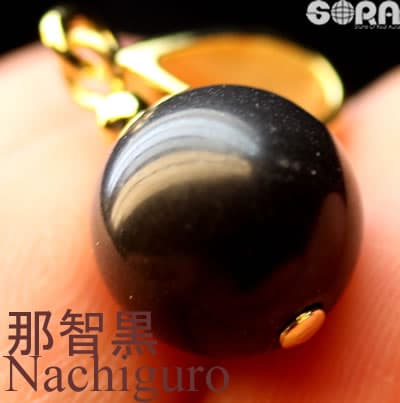
パワーストーン ネックレス 那智黒石 三重産 日本銘石 八咫烏 厄除け 旅の安全 交通安全 祈願 天然石 ペンダント 三重県 やたがらす お守り 那智黒
10mm stone天然石 SORA
First time buying on Rakuten? How residents in Japan order →
Nachiguroishi begins at a narrow scale: Kamikawa-cho in Kumano City, Mie Prefecture. The stone is black, fine-grained, and dense, with workshops connected to Kamikawa-cho Kounoue. Its polished surface has carried many kinds of work: black Go stones, inkstones, touchstones for gold, paperweights, ornaments, accessories, cups, and powder-molded goods.
The geography of Nachiguroishi is exact. Its extraction is tied to Kamikawa-cho in Kumano City, and Kariya Baikando stands in Kamikawa-cho Kounoue. The name gathers a material, a narrow district, and working addresses in the same part of Kumano.
Kounoue returns in the Meiji-era account of wider sale. Yamanishi Tokunosuke of Kamikawa-cho Kounoue is linked with making and selling Nachiguroishi inkstones. The place name therefore attaches to extraction and to objects made for ink, paperweights, game pieces, and small polished forms.
Nachiguroishi is black, fine-grained, dense mudstone; geologically, it is also understood as black siliceous shale. Its color comes from material formation: carbon-rich aqueous slate came into contact with erupted lava, forming a fine black rock.
At the particle scale, Nachiguroishi is made from black opaque clastic material with particles around 0.1 micron. That fineness helps explain the surface: an inkstone made from Nachiguroishi takes time to grind ink, and polished objects depend on repeated sanding and finishing to bring out the dark sheen.
Black Go stones are one of Nachiguroishi’s clearest uses. Kumano City connects black Go stones with Nachiguroishi and notes that white stones are made from clam shell. On the board, the Kumano stone enters a small object used by hand.
Inkstones bring the same material to calligraphy. Nachiguroishi inkstones are fine and smooth, so grinding ink takes time; the finished ink is smooth and has been appreciated by literary users. Kariya Baikando also presents touchstones for checking gold purity, placing the stone across writing, games, and metal testing.
The history of Nachiguroishi moves through interruption and adaptation. The name appears in the 1839 Kii Zoku Fudoki; collection was once prohibited during the domain-government period, and after the ban was lifted in the mid-Meiji period, the stone was used for inkstones and paperweights.
Natural Nachiguroishi tends to split in plates, which made three-dimensional ornaments and vases difficult to carve directly from solid stone. Around 1970, powder-molded ornaments began to be made, and later uses included accessories, cups, ornaments, resin-mixed molded goods, and solid-stone pieces.
The polished surface of Nachiguroishi comes through a sequence of handwork. The first step is grinding the stone’s corners and whole surface with a coarse whetstone; the more carefully this stage is done, the cleaner the final finish becomes. Then #150 sandpaper is used with water until the whetstone marks disappear.
The surface is then worked through #320 and #600 wet sandpaper, each step reducing the marks left by the previous one. Waxing follows, then brushing and wiping with cloth. Whetstone, water, sandpaper, wax, brush, and cloth turn the dark rock into a surface that holds a deep black shine.
Nachiguroishi remains connected to named makers and workshops in Kumano. The working names include Okamuro Goishi, Kariya Baikando, and Tano Nachiguroishi-ten; Kariya Baikando is placed in Kumano-shi Kamikawa-cho Kounoue, tying the workshop address back to the stone’s narrow place boundary.
A 2021 successor recruitment project connected Nachiguroishi work with processing, sales, public communication, and product development. Continuity here is practical: a Kamikawa-cho material, hands that know wet sanding, Go stones and inkstones, powder-molded goods, and people prepared to keep those tasks moving in Kumano.
The pull of Nachiguroishi lies in its exact scale: Kamikawa-cho in Kumano City, fine black rock, wet sandpaper from #150 to #600, ink slowly ground on a smooth surface, black stones on a Go board, and workshops still named in Kounoue. From solid stone to powder-molded forms, it keeps place, material, and handwork visible in a deep black finish.
Compiled from public records and official sources; see the recognition links below. Details may change over time.
Where this product is officially registered, designated, or recognized in Japan.
Regional collective trademark
Registered as a Regional Collective Trademark with the Japan Patent Office.
Sources1
It is written as 那智黒石 in Japanese. Search Rakuten and other Japanese sites with that spelling — the English name will not bring up the listings.
Nachi black stone (Nachiguroishi) is a fine-grained, dense black mudstone and black siliceous shale from Kamikawa-cho in Kumano City, Mie Prefecture. Its dark color is linked to carbon-rich rock contacting erupted lava. It has been worked into black Go stones, inkstones, touchstones, paperweights, ornaments, accessories, cups, and powder-molded goods. Polishing uses a coarse whetstone, wet sandpaper from #150 to #600, wax, brush, and cloth.
The name Nachiguroishi appears in the 1839 Kii Zoku Fudoki; the ancient kishi connection and the name origin are not settled enough to state as firm history. After a former mining or collection ban was lifted in the mid-Meiji period, Nachiguroishi was used for inkstones and paperweights, and Yamanishi Tokunosuke of Kounoue is linked with Meiji-era inkstone sales. Natural Nachiguroishi tends to split in plates; around 1970, powder-molded ornaments began to be made. The working names include Okamuro Goishi, Kariya Baikando, and Tano Nachiguroishi-ten.
Black Go stones are an early and representative use of Nachiguroishi; white stones are made from clam shell. Nachiguroishi inkstones are fine and smooth, so grinding ink takes time, but the resulting ink is smooth and appreciated by literary users. Kariya Baikando offers Nachiguroishi processing experiences by reservation; people considering work with the material may visit processing sites and quarry areas.
Keep craft pieces out of direct sunlight, damp, and sharp temperature swings, and store them where they won't knock against anything. Wood, bamboo, lacquer, and paper don't tolerate water — wipe any moisture off immediately. Specific care notes are on the listing.
Most options are shelf-stable, boxed, and travel well, so they suit gifting or bringing home. Confirm the final storage and delivery terms on the Rakuten listing.
On Rakuten: the shops listed here right now are パワーストーン 天然石 パスクル, 天然石工房 翡翠, 天然石 SORA. We don't sell directly; purchase, payment, stock, and delivery are all handled on the Rakuten product page.