 3 images
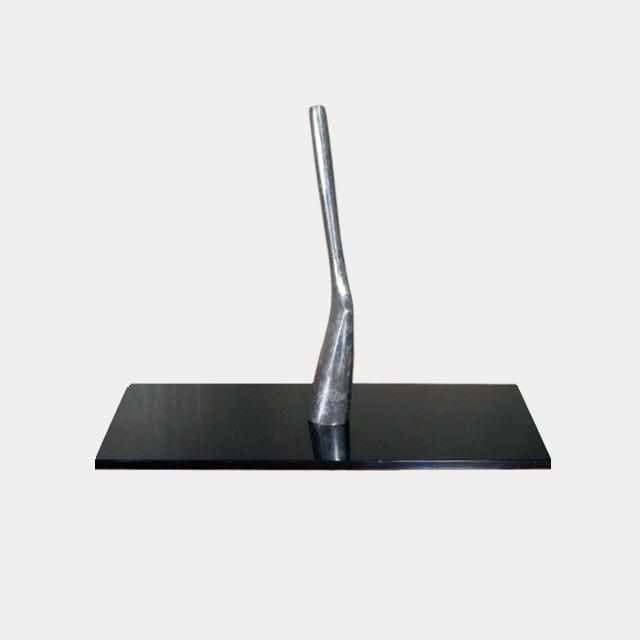
Tenmyo Casting Chukin Kobo Konohazuku Oboro Silver Crane Call
【天明鋳物】鋳金工房 このはずく 朧銀製 鶴声
BECOS伝統工芸楽天市場店
Japanese name天明鋳物
In Sano City, Tochigi, Tenmyo Imono connects an old place name with molds, iron, copper, tea kettles, temple bells, Buddhist images, pots, and farm tools.
Information last updated 120 days ago
3 images【天明鋳物】鋳金工房 このはずく 朧銀製 鶴声
BECOS伝統工芸楽天市場店
 3 images
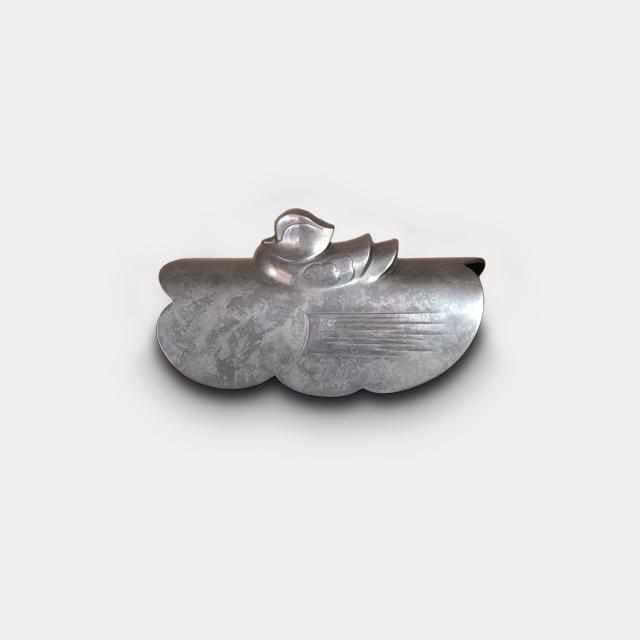
【天明鋳物】鋳金工房 このはずく 朧銀製 微風
BECOS伝統工芸楽天市場店
 3 images
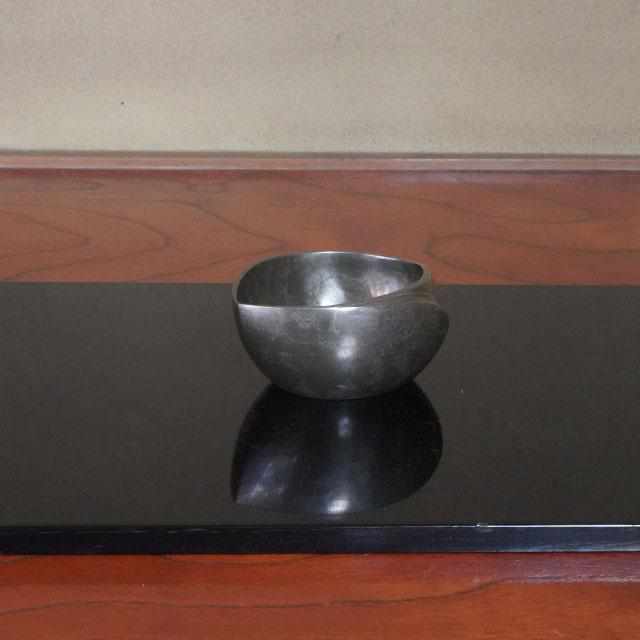
【天明鋳物】鋳金工房 このはずく 朧銀製 蓮(はちす)
BECOS伝統工芸楽天市場店
First time buying on Rakuten? How residents in Japan order →
Tenmyo Imono is tied to Sano City in Tochigi Prefecture. The name carries Tenmyo, an older place name in Sano, and can refer to cast-metal works made in Sano Tenmyo, works made by Sano casters, and sometimes Sano’s casting trade itself. Follow the name into the objects and a wide family appears: tea kettles, torii gates, temple bells, lanterns, Buddhist images, pots, cauldrons, hoes, and daily tools.
The first shape of Tenmyo Imono is geographic. Sano Tenmyo is part of today’s Sano City in Tochigi Prefecture, and cast products made there became known by Tenmyo, the older Sano place name. The term also covers works made by Sano casters and, in some local usage, the casting trade of Sano itself.
That place-based name changes the way a metal object is read. A tea kettle, temple bell, or hoe has a use, but it also carries Sano Tenmyo, the work of Sano casters, and the casting practice that developed around the city. Here, regional identity means a concrete link among place name, maker community, and cast object.
Local accounts trace the beginning of casting in Sano to the Tenkei years, 938 to 947. One account says five casters moved from Tannan in Kawachi Province, in the area of present-day southern Osaka, and cast weapons under the order of Fujiwara no Hidesato.
The account is strongest when kept as a transmitted origin rather than enlarged into a complete founding chronicle. What it supports clearly is the way Sano links its casting work to the Tenkei years, migrant casters from Tannan, and the named figure of Fujiwara no Hidesato.
Tenmyo Imono is often remembered through tea kettles, yet its object range extends well beyond the tea room. Sano casting includes torii gates, temple bells, lanterns, Buddhist images, pots, cauldrons, hoes, farm tools, and other daily utensils.
The range places different settings along one casting line. Tea kettles belong to tea practice, temple bells and Buddhist images to religious spaces, pots and cauldrons to cooking, and hoes and farm tools to field work. The craft tradition here is not an abstract inheritance; it is the set of cast things, uses, metals, methods, and Sano place names that hold the family together.
The making of Tenmyo Imono begins with preparing raw materials. The work then moves to mold making, fitting and fixing those molds, melting iron, copper, and other metal materials, pouring molten metal into the mold, removing the formed object, and finishing it.
The sequence gives each object a physical path. Before a kettle, bell, farm tool, or household utensil can be used, its form is prepared in the mold, filled with hot metal, released from that mold, and refined at the surface.
During the Muromachi period, the spread of tea practice drew attention to Tenmyo tea kettles. Tea practitioners valued their rough surface and plain, rustic style; the texture left by casting became part of what the kettle offered in the tea setting.
The phrase “western Ashiya, eastern Tenmyo” placed Tenmyo kettles beside Ashiya kettles from Chikuzen in Kyushu when people spoke about tea-kettle reputation. The phrase gives context for esteem, while the object-level appeal remains the Sano-made kettle, its textured surface, and its restrained form.
In present-day Sano, Tenmei Imono Densho Hozonkai and Sano City have worked together to investigate and gather production tools and products. The gathered group includes 1,522 production tools and 34 products, spanning the stages from raw-material preparation and mold making to mold fitting, metal melting, pouring, mold removal, and finishing.
The preservation group’s activities include lectures, study meetings, public programs, and elementary-school casting experiences, with support from the Sano UNESCO Association. Children handle plaster molds, encounter poured tin, and keep finished pieces, so Sano casting remains connected to local learning as well as to older kettles, bells, images, and tools.
Tenmyo Imono is easiest to understand through concrete things: the old Sano place name Tenmyo, the Tenkei-years origin account, casters from Tannan, iron and copper in the furnace, molten metal entering a mold, the rough surface of a tea kettle, temple bells and Buddhist images, pots and hoes for daily work, and a plaster mold held by a child. Together they show how casting in Sano has continued through objects, process, teaching, and a name fixed to place.
Compiled from public records and official sources; see the recognition links below. Details may change over time.
Where this product is officially registered, designated, or recognized in Japan.
Regional collective trademark
Registered as a Regional Collective Trademark with the Japan Patent Office.
Sources1
It is written as 天明鋳物 in Japanese. Search Rakuten and other Japanese sites with that spelling — the English name will not bring up the listings.
Tenmyo cast metal (Tenmyo Imono) is a casting craft tied to Sano City in Tochigi Prefecture, named after Tenmyo, an older Sano place name. It can refer to items made in Sano Tenmyo, works by Sano casters, or Sano's casting trade in general. Objects include tea kettles, torii gates, temple bells, lanterns, Buddhist images, pots, cauldrons, hoes, farm tools, and daily utensils, made through raw-material preparation, mold making, mold fitting, metal melting, pouring, mold removal, and finishing.
Local accounts trace the beginning of Sano casting to the Tenkei years, 938 to 947. One transmitted account says five casters moved from Tannan in Kawachi Province and cast weapons under Fujiwara no Hidesato's order. Tenmei Imono Densho Hozonkai and Sano City gathered 1,522 production tools and 34 products. Current preservation activities in Sano include lectures, study meetings, public programs, and elementary-school casting experiences.
Tea kettles were used in tea ceremony practice; in the Muromachi period they were valued by tea practitioners for their rough surface and plain, rustic style. In casting workshops, elementary school children use plaster molds and pour tin to make their own pieces, which they keep afterward.
Keep craft pieces out of direct sunlight, damp, and sharp temperature swings, and store them where they won't knock against anything. Wood, bamboo, lacquer, and paper don't tolerate water — wipe any moisture off immediately. Specific care notes are on the listing.
Most options are shelf-stable, boxed, and travel well, so they suit gifting or bringing home. Confirm the final storage and delivery terms on the Rakuten listing.
On Rakuten: the shops listed here right now are BECOS伝統工芸楽天市場店. We don't sell directly; purchase, payment, stock, and delivery are all handled on the Rakuten product page.