 3 images
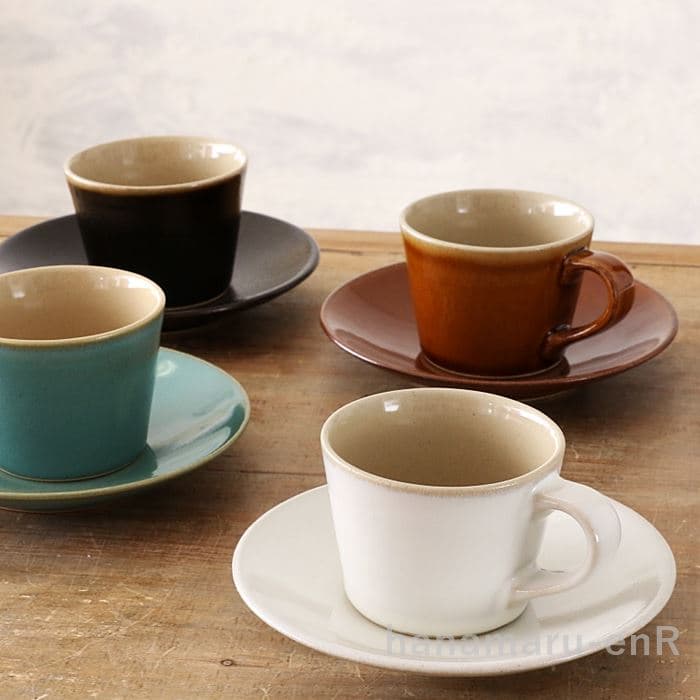
Mashiko Ware Tsukamoto Kiln Traditional Glaze Coffee Cup & Saucer
益子焼 つかもと窯 コーヒーカップ&ソーサー 益子伝統釉 ( 陶器 食器 焼物 栃木 モダン おしゃれ 北欧 ギフト 通販 )
ハナマル 楽天市場店
4.9 / 7 reviews
Japanese name益子焼
Around Mashiko Town in Tochigi, silica- and iron-rich clay passes through digging, kneading, wheel work, glaze, firing, and cooling to become cups, plates, flower vessels, water jars, and pots; pottery fairs and cooperative work keep makers, materials, and users close.
Information last updated yesterday
3 images益子焼 つかもと窯 コーヒーカップ&ソーサー 益子伝統釉 ( 陶器 食器 焼物 栃木 モダン おしゃれ 北欧 ギフト 通販 )
ハナマル 楽天市場店
4.9 / 7 reviews
 3 images
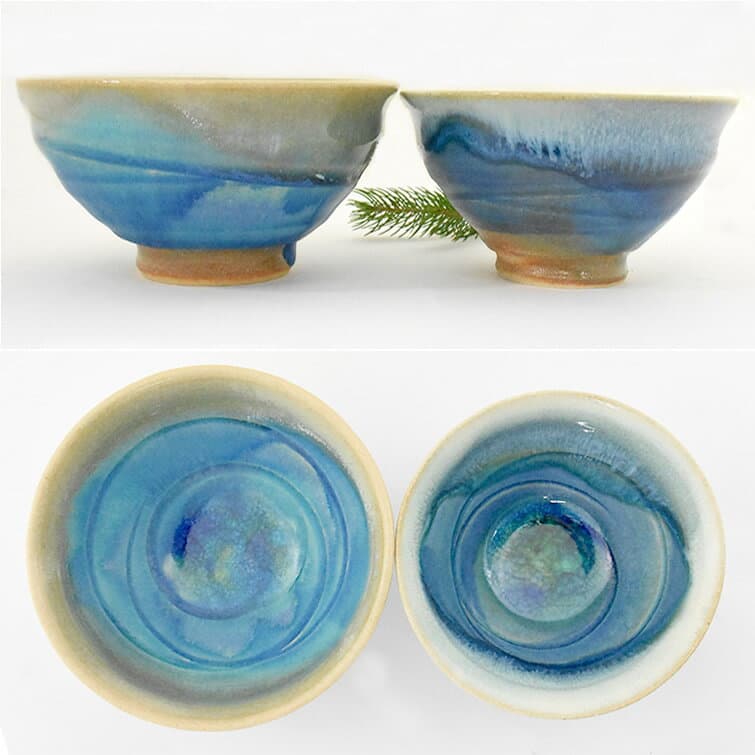
<075-G>益子焼 陶器 夫婦茶碗ギフトセット 送料無料 益子焼き 夫婦茶碗 和食器 青 オーブン レンジ 電子レンジ 食洗機 食洗機対応 プレゼント ギフト お祝い 結婚祝い お取り寄せ
blue栃木のタウン誌厳選 もんみや通販
4.7 / 21 reviews
 3 images
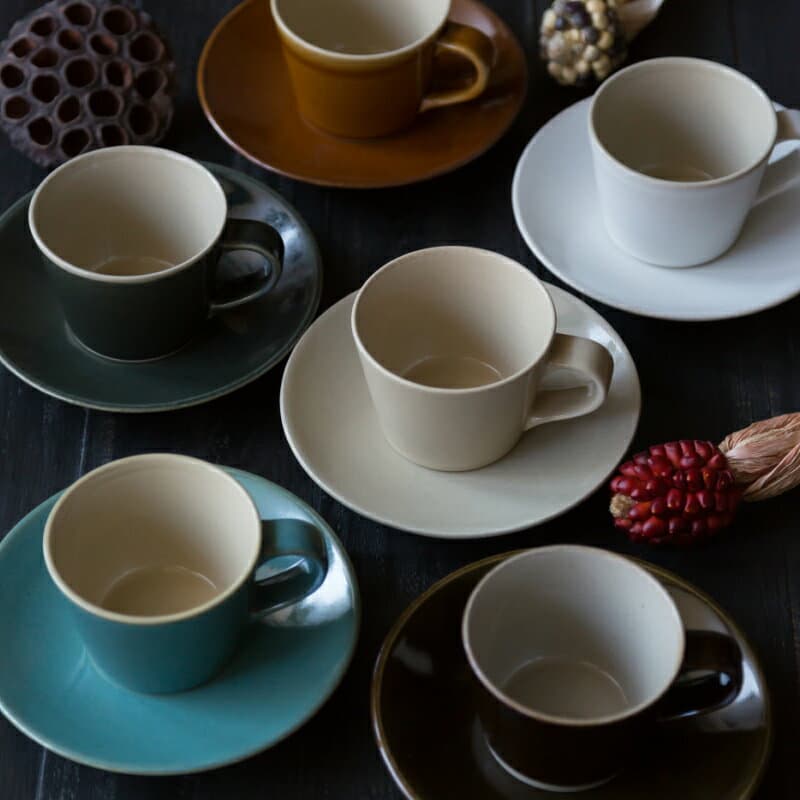
【益子焼 くくシリーズ】益子焼 コーヒーカップ&ソーサー(皿)益子焼 つかもと モダン 和食器 カップ&ソーサー 食器 皿 和食器 【楽ギフ_包装】【楽ギフ_のし宛書】
waitea.kobe
4.7 / 29 reviews
 3 images
【MAX30%offクーポンあり】kinari 輪花皿 (小) 花皿 益子焼 リンカ 北欧風のかわいい 小皿 和食器 わかさま陶芸 (食洗機対応 電子レンジ使用可)ギフト お家カフェ 醤油皿 小皿 おしゃれ 食器 しょうゆ皿 刺身 北欧 薬味皿 益子焼
small益子焼と名入れギフトわかさま陶芸
4.5 / 92 reviews
 3 images
【MAX30%OFFクーポンあり】 益子焼 kinari 輪花皿 大 リンカ 花形 大皿 パスタ皿 カレー皿 プレート メイン皿 ディナープレート ワンプレート 深皿 おしゃれ 食器 和食器 陶器 日本製 食洗機対応 電子レンジ対応
Large益子焼と名入れギフトわかさま陶芸
4.8 / 60 reviews
 3 images
【MAX30%OFFクーポンあり】 益子焼 kinari 輪花皿 大中小 3枚セット お皿のセット プレート 皿 お皿 取り皿 中皿 ケーキ皿 サラダ皿 デザート皿 おしゃれ 食器 和食器 陶器 日本製 カフェ風 食洗機対応 電子レンジ対応
Large, medium & small 3-piece set益子焼と名入れギフトわかさま陶芸
4.9 / 62 reviews
 3 images
【MAX30%OFFクーポンあり】 益子焼 kinari ストレートマグカップ マグ 和モダン しのぎ マグカップ コーヒーカップ コーヒーマグ カップ コップ おしゃれ 食器 和食器 陶器 日本製 シンプル 食洗機対応 電子レンジ対応
益子焼と名入れギフトわかさま陶芸
4.8 / 50 reviews
 3 images
【MAX30%OFFクーポンあり】 益子焼 kinariしのぎスープカップ スタッキング 出来る 可 別料金 kinari マグカップ コーヒーカップ コーヒーマグ カップ コップ おしゃれ 食器 和食器 陶器 食洗機対応 電子レンジ対応
kinari shinogi益子焼と名入れギフトわかさま陶芸
4.6 / 170 reviews
 3 images
【MAX30%OFFクーポンあり】 益子焼 kinari手付きスープボウル 大 シチューボウル スタッキング kinari スープカップ スープボウル スープマグ カフェオレボウル シリアルボウル サラダボウル 食洗機対応 電子レンジ対応
Large益子焼と名入れギフトわかさま陶芸
4.8 / 92 reviews
 3 images
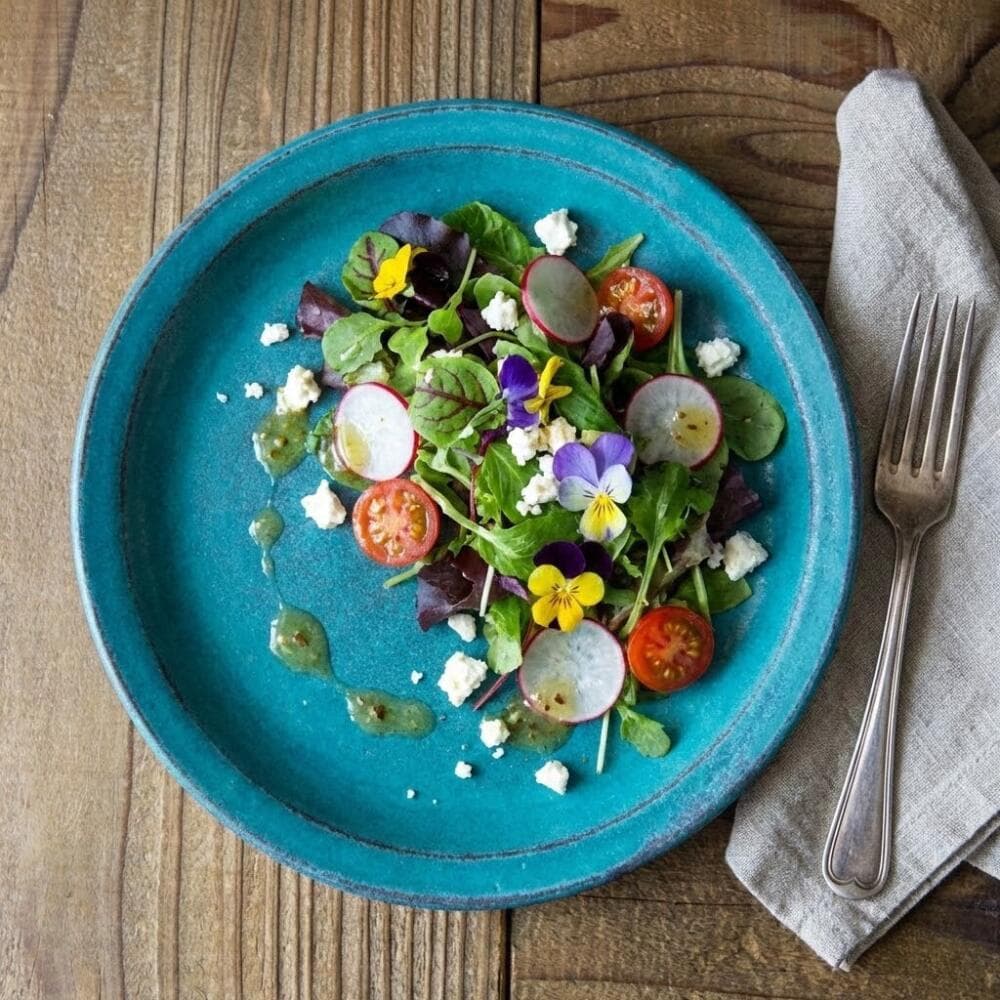
【MAX30%OFFクーポンあり】 益子焼 シャビーターコイズ プレート(L) 主菜皿 和皿 丸皿 大皿 パスタ皿 カレー皿 プレート メイン皿 ディナープレート ワンプレート 深皿 おしゃれ 食器 和食器 陶器 日本製 食洗機対応 電子レンジ対応
Large (approx. 23 cm)益子焼と名入れギフトわかさま陶芸
4.5 / 83 reviews
First time buying on Rakuten? How residents in Japan order →
All 10 listings of this product on Rakuten, lowest price first.
| Listing | Price | Shop | Reviews | Open listing |
|---|---|---|---|---|
kinari Mashiko Ware Rinka Small Floral Plate smallLowest priceGift-ready | ¥1,320 | 益子焼と名入れギフトわかさま陶芸 | 4.5 / 92 reviews | View on Rakuten → |
Mashiko Ware Kinari Straight Mug | ¥1,650 | 益子焼と名入れギフトわかさま陶芸 | 4.8 / 50 reviews | View on Rakuten → |
Mashiko Ware kinari Shinogi Stackable Soup Cup kinari shinogiMost reviewed | ¥1,760 | 益子焼と名入れギフトわかさま陶芸 | 4.6 / 170 reviews | View on Rakuten → |
Mashiko Ware Tsukamoto Kiln Traditional Glaze Coffee Cup & Saucer Gift-ready | ¥2,090 | ハナマル 楽天市場店 | 4.9 / 7 reviews | View on Rakuten → |
Mashiko Ware Tsukamoto Rihei Coffee Cup & Saucer | ¥2,090 | waitea.kobe | 4.7 / 29 reviews | View on Rakuten → |
Mashiko Ware kinari Handled Soup Bowl Large | ¥2,090 | 益子焼と名入れギフトわかさま陶芸 | 4.8 / 92 reviews | View on Rakuten → |
Mashiko Ware kinari Rinka Large Floral Plate Large | ¥2,310 | 益子焼と名入れギフトわかさま陶芸 | 4.8 / 60 reviews | View on Rakuten → |
Mashiko Ware Shabby Turquoise Plate Large (approx. 23 cm) | ¥2,420 | 益子焼と名入れギフトわかさま陶芸 | 4.5 / 83 reviews | View on Rakuten → |
Mashiko Ware kinari Flower-Rim Plate Set Large, medium & small 3-piece set | ¥4,950 | 益子焼と名入れギフトわかさま陶芸 | 4.9 / 62 reviews | View on Rakuten → |
Mashiko Ware Couple Rice Bowl Gift Set blueGift-ready | ¥5,500 | 栃木のタウン誌厳選 もんみや通販 | 4.7 / 21 reviews | View on Rakuten → |
Japanese · new tab
Mashiko ware is made around Mashiko Town in Haga District, Tochigi Prefecture. The town counts about 160 kilns and ceramic shops, and its pottery classes, galleries, and museums place making, viewing, and daily vessels within one townscape. The ware often first registers in the hand through thickness and weight; on cups and plates, kaki glaze, black glaze, nuka-white glaze, and hakeme leave color and texture on the surface.
Mashiko ware is rooted in Mashiko Town and the surrounding area of Haga District, Tochigi. About 160 kilns and ceramic shops give the ware a town-wide setting, with pottery classes, galleries, museums, and nearby sights around the same streets. Before a cup or plate reaches a table, it is already connected to Mashiko’s roads, kiln entrances, clay work, and ceramic storefronts.
The material base is clay rich in silica and iron, with plasticity for forming and heat resistance for kiln work. When other substances are not added in this clay approach, fired pieces tend to become thick, so a cup, plate, or jar carries noticeable weight in the hand. That weight comes from the clay body, wheel forming, and the fired wall of the vessel.
The process begins with clay digging, levigation, kneading, wheel forming, and drying, then moves to bisque firing at about 700 to 800 degrees Celsius. After decoration and glazing, the vessel is fired again at about 1,200 to 1,300 degrees Celsius for two to three days and nights, then cooled for about two days. Clay, hand pressure, glaze, heat, and slow cooling all help fix the final form.
Mashiko surfaces are named through materials and techniques such as stone powder, old iron powder, transparent feldspar-based glaze, kaki glaze, black glaze, nuka-white glaze, white slip, and hakeme. The glazes give the vessel different fields of color, while hakeme leaves the movement of a brush through white slip. Cups, plates, flower vessels, and jars are remembered through these surfaces as well as through their shapes.
In 1853, Otsuka Keizaburo, who had trained in Kasama, built a kiln at Negoya in present-day Mashiko. Early production included everyday items such as water jars and pots, and those vessels were used beyond the town, including in Edo. A water jar stores water, a pot holds or serves, and the early form of Mashiko ware sits close to household work and movement between places.
In the Showa period, Hamada Shoji settled in Mashiko and made flower vessels and tableware. The Mingei idea of beauty in daily use becomes concrete in those objects: a flower vessel holds stems, tableware meets meals, and hands feel thickness and glaze while lifting, setting down, and washing. Mashiko ware’s modern image is tied to vessels handled repeatedly at home.
The Mashiko pottery fair began in 1966 and is held in spring around Golden Week and in autumn around November 3, across town with Jonai-zaka and the Sayado district at its center. About 50 shops and more than 800 tents line the streets with Mashiko ware, cups, plates, daily goods, art pieces, and local products, and visitors can speak directly with new artists and kiln craftspeople. The Mashiko-yaki Cooperative had 119 members as of August 2023 and supports joint raw-material production and supply, shared purchasing of tools and materials, and guidance for passing on techniques.
Follow one Mashiko vessel back through its making, and it leads to silica- and iron-rich clay, kneading, wheel work, bisque firing, glaze, high heat, and kiln cooling. Follow it through the town, and it reaches Negoya in 1853, Hamada Shoji’s flower vessels and tableware, spring and autumn tents, and 119 cooperative members supporting materials and technique. Mashiko ware stays legible in touch: weight, glaze, brush marks, and cups, plates, flower vessels, and jars used day after day.
Compiled from public records and official sources; see the recognition links below. Details may change over time.
Where this product is officially registered, designated, or recognized in Japan.
It is written as 益子焼 in Japanese. Search Rakuten and other Japanese sites with that spelling — the English name will not bring up the listings.
Mashiko ware is pottery from around Mashiko Town in Haga District, Tochigi Prefecture, tied to everyday vessels, thick forms, and glaze surfaces. The clay is rich in silica and iron, offering plasticity and heat resistance; production runs through clay digging, forming, bisque firing, glazing, and firing. Otsuka Keizaburo built a kiln at Negoya in 1853, and in the Showa period Hamada Shoji made flower vessels and tableware there. Today kilns and fairs in the town connect makers and users.
Mashiko Town has about 160 kilns and ceramic shops. Mashiko pieces tend to have thick forms and noticeable weight due to how the clay is used. Surface vocabulary associated with the ware includes stone powder, old iron powder, transparent feldspar-based glaze, kaki glaze, black glaze, nuka-white glaze, white slip, and hakeme. The Mashiko pottery fair began in 1966 and is held in spring and autumn, with about 50 shops and more than 800 tents across town.
Mashiko ware includes everyday tableware such as cups and plates, alongside flower vessels. At the spring and autumn pottery fair, among more than 50 shops and 800 tents, visitors can meet new artists and kiln craftspeople directly. Local pottery classes let visitors experience the production process from clay digging to firing.
Porous earthenware is usually given a "medome" treatment first — simmer it gently in rice-rinsing water (or water with a little flour), then cool, rinse, and air-dry. This reduces staining and odour absorption. Porcelain normally just needs a wash. Follow the listing where it says otherwise.
Handmade earthenware, pieces with gold or silver overglaze, and lacquerware generally should not go in a dishwasher, microwave, or heated drying cabinet; heat-resistant porcelain usually can. Check the Rakuten listing for the specific piece.
Most options are shelf-stable, boxed, and travel well, so they suit gifting or bringing home. Confirm the final storage and delivery terms on the Rakuten listing.
On Rakuten: the shops listed here right now are ハナマル 楽天市場店, 栃木のタウン誌厳選 もんみや通販, waitea.kobe, 益子焼と名入れギフトわかさま陶芸. We don't sell directly; purchase, payment, stock, and delivery are all handled on the Rakuten product page.