 3 images
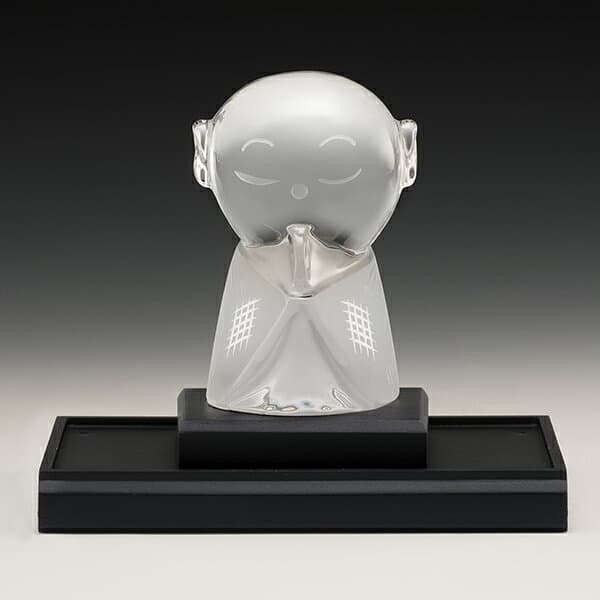
Koshu Crystal Gemstone Craft “Ten Virtues Wish Jizo” Statue
甲州水晶貴石細工「十徳 お願い地蔵」 ガラスケース 木製台座 品質証明書付 伝統工芸士
with glass case and wooden base仏像・掛軸の三宝堂
Japanese name甲州水晶貴石細工
Koshu crystal and gemstone work grew around Kofu and nearby Yamanashi workshops, where quartz, jade, agate, obsidian, and jasper are cut, carved, ground, and polished into objects for display, worship, and adornment.
Information last updated 119 days ago
3 images甲州水晶貴石細工「十徳 お願い地蔵」 ガラスケース 木製台座 品質証明書付 伝統工芸士
with glass case and wooden base仏像・掛軸の三宝堂
 3 images
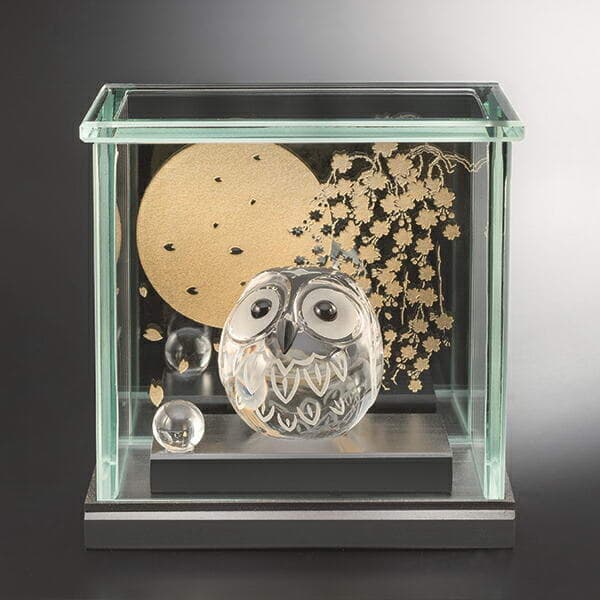
甲州水晶貴石細工 吉祥のふくろう - 田中佑幸作、ガラスケース付き
with glass case仏像・掛軸の三宝堂
 3 images
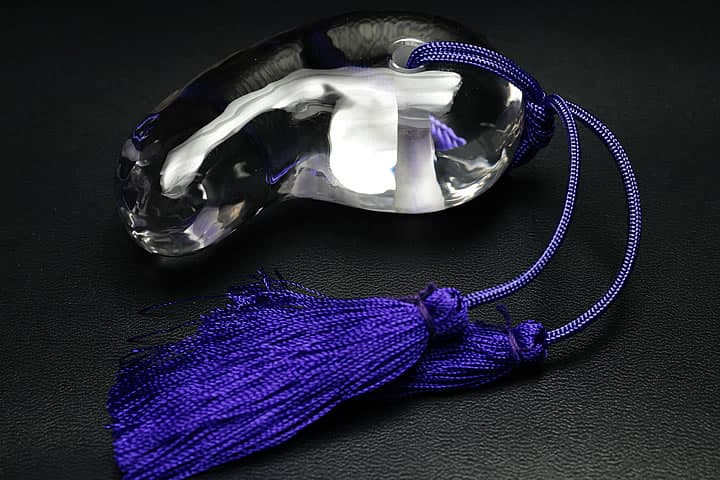
甲州水晶貴石細工 山梨県産 甲州乙女水晶勾玉 ファイナルグレード 組合証明書付き
final grade, with certificate and paulownia boxギャラリーメイスン
First time buying on Rakuten? How residents in Japan order →
Koshu crystal and gemstone work begins with a Yamanashi landscape before it becomes a polished surface. Its place memory reaches toward Mitake Shosenkyo and Mount Kinpu, where quartz was found roughly a millennium ago, and its workshop center sits in Kofu and nearby production areas. The craft asks makers to read quartz, jade, agate, obsidian, jasper, and other stones before cutting: shape, grain, hidden flaws, cloudiness, hardness, and brittleness all matter before a line is drawn on the raw piece.
The main production area is Kofu City and its surroundings, with Koshu City, Kai City, and Ichikawamisato also named among the Yamanashi production regions. The early memory of the craft reaches into the inner area of Mitake Shosenkyo and Mount Kinpu, where quartz was found and first valued as unworked display stone. In the late Edo period, tamazukuri artisans from Kyoto brought polishing methods that used emery on iron plates, giving Kofu workshops a practical path from raw stone toward carved and polished work. Later tools moved from hand polishing to foot-powered rotation and electric processing, widening what hard stone could hold in detail.
The material range includes quartz, jade, jasper, obsidian, agate, and other precious or semi-precious stones. Because each piece is natural stone, the size and shape are limited from the start; makers also judge whether a stone is tough, brittle, clouded, or flawed before it reaches the cutting machine. At the workbench, a face may need the clearest area of a stone, an unwanted cloud may have to be avoided, and the first drawn line can determine the final form.
The workshop sequence moves from raw-stone selection to line drawing, cutting, image drawing, incising, rough grinding, finer grinding, washing, and finishing. Iron koma shape the stone with abrasive powder, and the grinding particles become finer over repeated passes. Wood koma, kiri sticks, barrel finishing, and final handwork then take over, removing sanding marks so the surface can become clear rather than merely smooth.
Koshu crystal and gemstone work appears in objects with different distances from the hand and eye. Incense burners, Four Heavenly Kings figures, dragons, hawks, horses, Buddhist figures, and zodiac objects ask to be viewed as carved stone forms. Rosaries, obi clasps, netsuke, rings, necklaces, and tea utensils bring the same cutting and polishing skills into personal adornment, religious use, and crafted settings for daily handling. Around the Ansei years, the Tsuchiya family order book already included quartz and jade rosaries, obi clasps, and netsuke, showing how small personal objects sat beside sculptural work.
The craft began with local quartz memory, while modern production grew through a wider stone supply. In the early Taisho period, quartz, agate, tiger's-eye, and other stones came into workshops from South America, Africa, and other regions, while equipment moved from hand polishing to foot-powered rotation and then electric processing. After the war, production became heavily export-facing, with 80 percent of products going overseas before a later shift toward domestic art craft and ornaments that depended on precise carving and polishing skill.
The Yamanashi Crystal Art Sculpture Cooperative keeps the name visible through new-work exhibitions, product galleries, manufacturing-process introductions, member pages, and youth-section activity. Those concrete activities point back to Kofu-area workshops, natural gemstone materials, carving and polishing techniques, and a producer community that still shows new work. A polished dragon, incense burner, ring, or necklace can therefore be read as both an object and a trace of that Yamanashi workshop network.
Koshu crystal and gemstone work is easiest to understand through its materials and motions: quartz from the Shosenkyo memory, Kofu-area workshops, iron koma, wood koma, kiri sticks, abrasive powder, and repeated polishing. When a dragon, incense burner, Buddhist figure, ring, or necklace catches light, the brightness carries the decisions made before the first cut and the slow removal of marks after the last grinding pass.
Compiled from public records and official sources; see the recognition links below. Details may change over time.
Where this product is officially registered, designated, or recognized in Japan.
It is written as 甲州水晶貴石細工 in Japanese. Search Rakuten and other Japanese sites with that spelling — the English name will not bring up the listings.
Koshu crystal and gemstone craft is a stoneworking tradition from Kofu and nearby areas of Yamanashi Prefecture. Artisans work quartz, jade, agate, and other stones through cutting, carving, and polishing to create items such as incense burners, Buddhist figures, and personal ornaments. The craft's early memory is tied to quartz found near Mitake Shosenkyo and Mount Kinpu.
Production areas besides Kofu City also include Koshu City, Kai City, and Ichikawamisato in Yamanashi. The craft's early place memory ties to quartz found deep in Mitake Shosenkyo and around Mount Kinpu. Materials include quartz, jade, jasper, obsidian, agate, and other precious or semi-precious stones. The making process moves through stone selection, line drawing, cutting, image drawing, incising, rough grinding, polishing, washing, and final finishing.
Sculptural pieces such as incense burners, dragons, and hawks can be appreciated as carved, polished stone forms for display. Necklaces, rings, obi clasps, and netsuke are worn as personal ornaments. Rosaries and Buddhist figures serve religious or auspicious purposes.
Keep craft pieces out of direct sunlight, damp, and sharp temperature swings, and store them where they won't knock against anything. Wood, bamboo, lacquer, and paper don't tolerate water — wipe any moisture off immediately. Specific care notes are on the listing.
Most options are shelf-stable, boxed, and travel well, so they suit gifting or bringing home. Confirm the final storage and delivery terms on the Rakuten listing.
On Rakuten: the shops listed here right now are 仏像・掛軸の三宝堂, ギャラリーメイスン. We don't sell directly; purchase, payment, stock, and delivery are all handled on the Rakuten product page.