 3 images
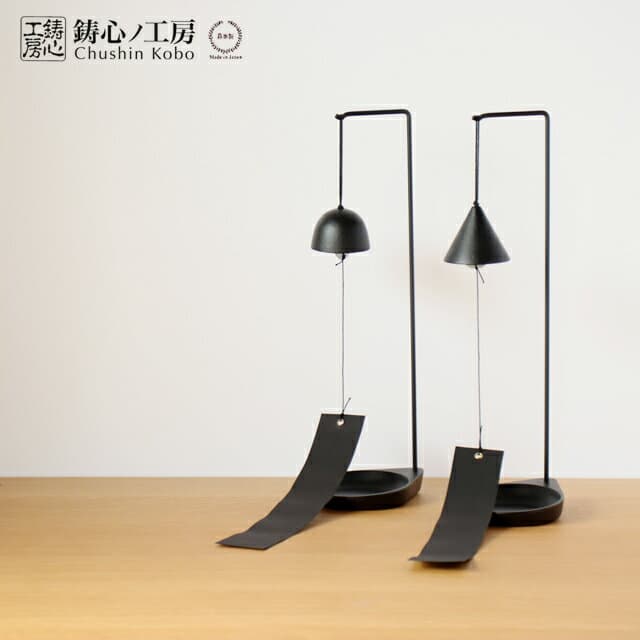
Chushin Kobo Yamagata Cast Iron Wind Chime
鋳心ノ工房 風鈴 ( 新丸 / 新三角 )【 日本製 山形 鋳物 増田尚紀 伝統美 伝統工芸 インテリア 贈り物 】
New Round / New Triangle雑貨のお店セレクト・ペンギン
5.0 / 2 reviews
Japanese name山形鋳物
In Yamagata City, river sand, nearby clay, sand molds, molten iron, and copper alloy have shaped a metalwork family that reaches from tea kettles and iron pots to bells, lanterns, festival cookware, and machine parts.
Information last updated yesterday
3 images鋳心ノ工房 風鈴 ( 新丸 / 新三角 )【 日本製 山形 鋳物 増田尚紀 伝統美 伝統工芸 インテリア 贈り物 】
New Round / New Triangle雑貨のお店セレクト・ペンギン
5.0 / 2 reviews
 3 images
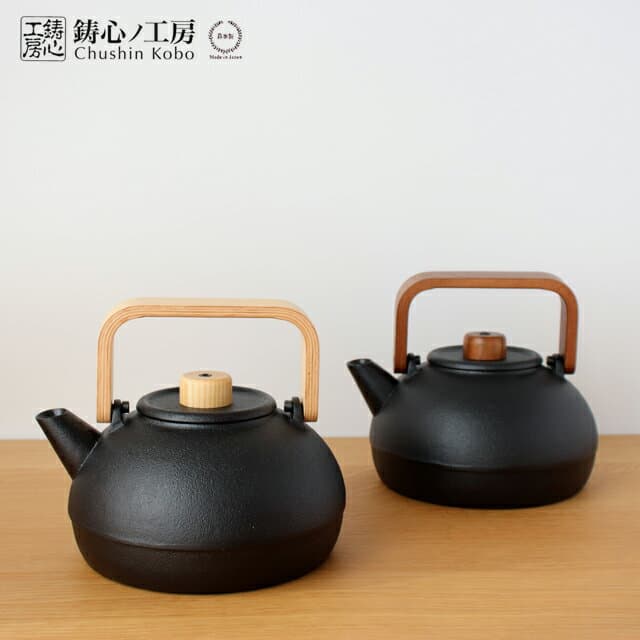
鋳心ノ工房 ティケトルS ( ウォルナット / ホワイトオーク )【 送料無料 山形鋳物 鉄瓶 木のハンドル IH対応 直火 やかん 洋風 和風 】
walnut / white oak handle雑貨のお店セレクト・ペンギン
5.0 / 3 reviews
 3 images
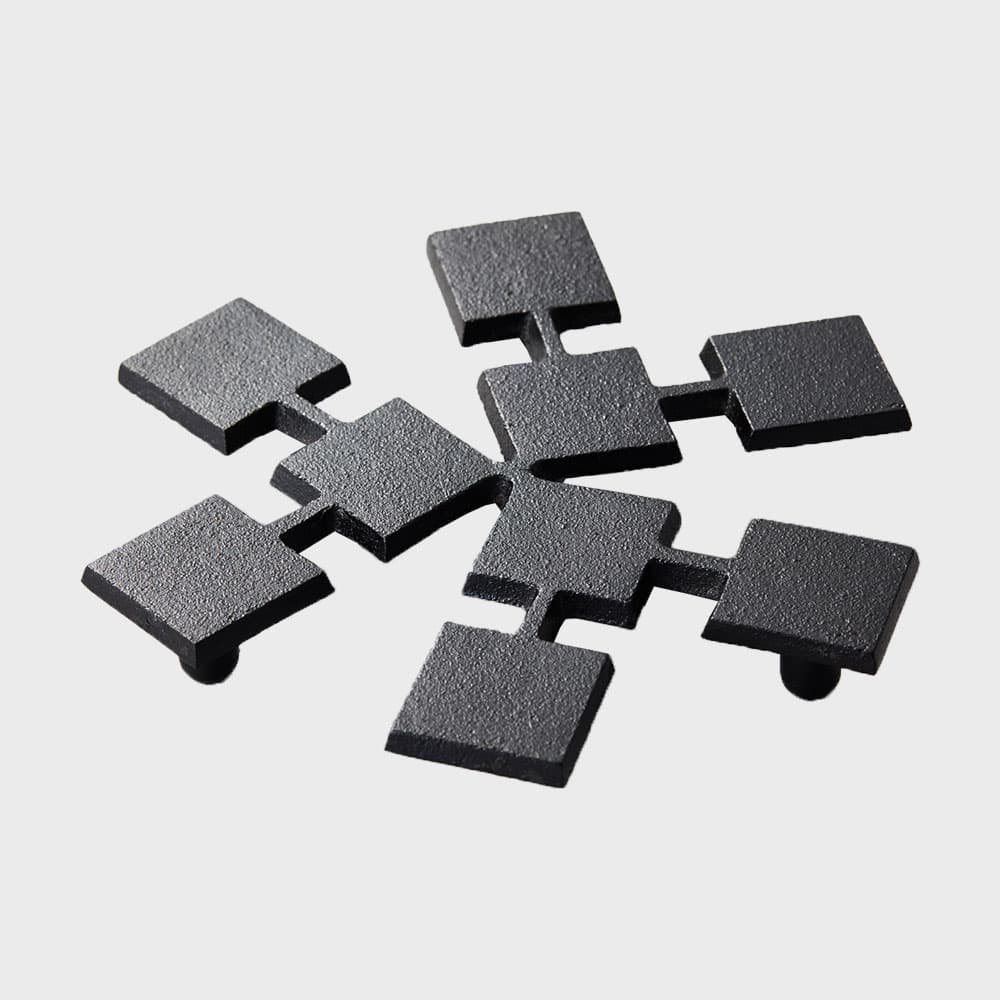
鍋敷き 鍋しき / 山形鋳物 鋳心ノ工房 角寄せ [ 南部鉄器 鍋敷き 鍋しき 鍋敷 なべしき ポットスタンド おしゃれ 北欧 ]【ゆうパケット対応可】[ゆうパケット 1/1]
Kakuyose patterndesignshop
5.0 / 2 reviews
 3 images
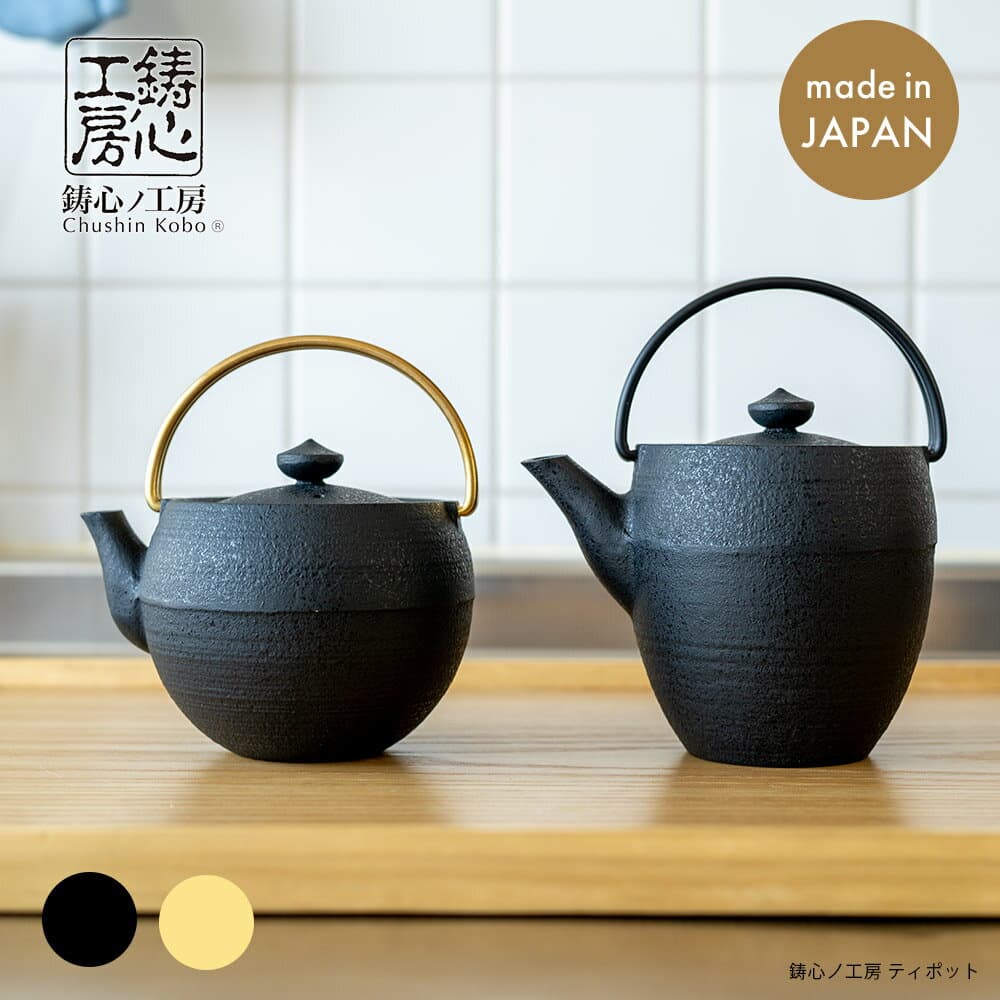
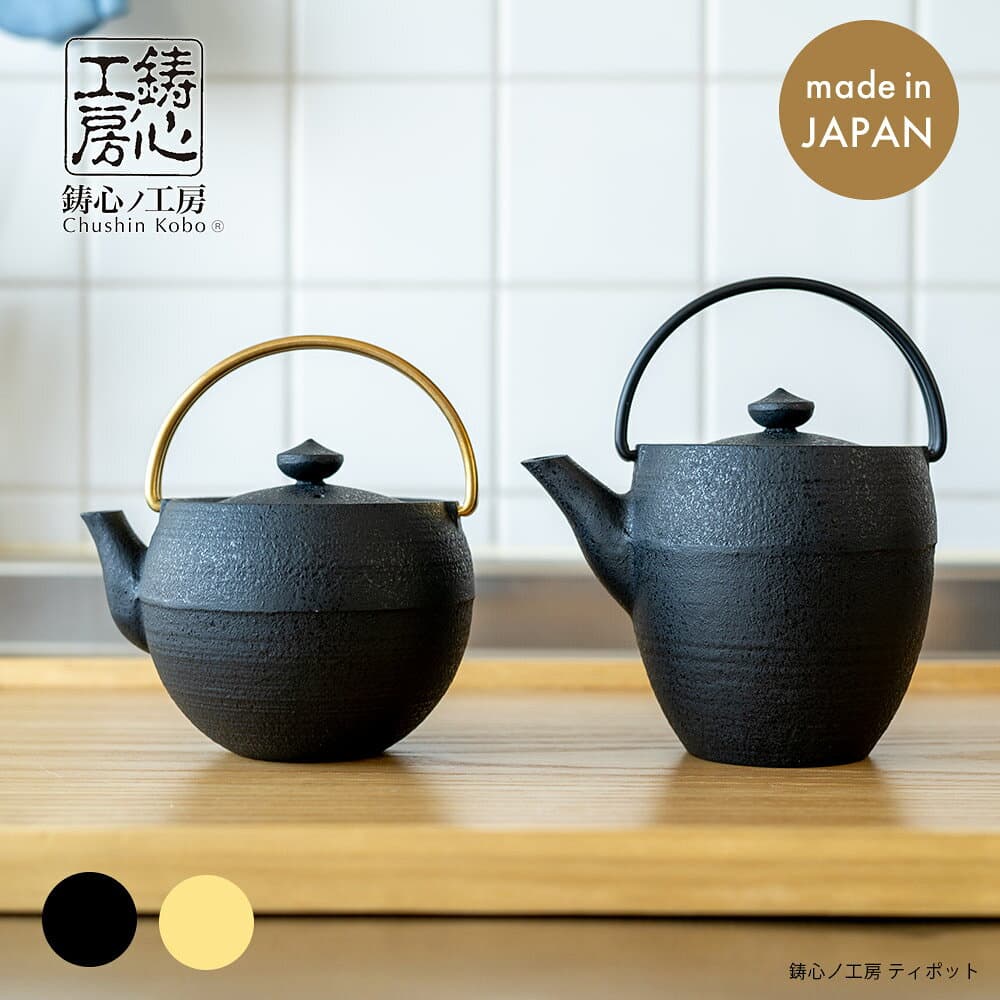
鋳心ノ工房 ティポット 山形鋳物 急須 緑茶 鉄瓶 日本製 1-2人用
1-2 person sizeCRAFT STORE 楽天市場店
5.0 / 1 reviews
 3 images
鋳心ノ工房 ティポット 山形鋳物 急須 緑茶 鉄瓶 日本製 1-2人用
1-2 person sizeイエノLabo.
5.0 / 1 reviews
 3 images
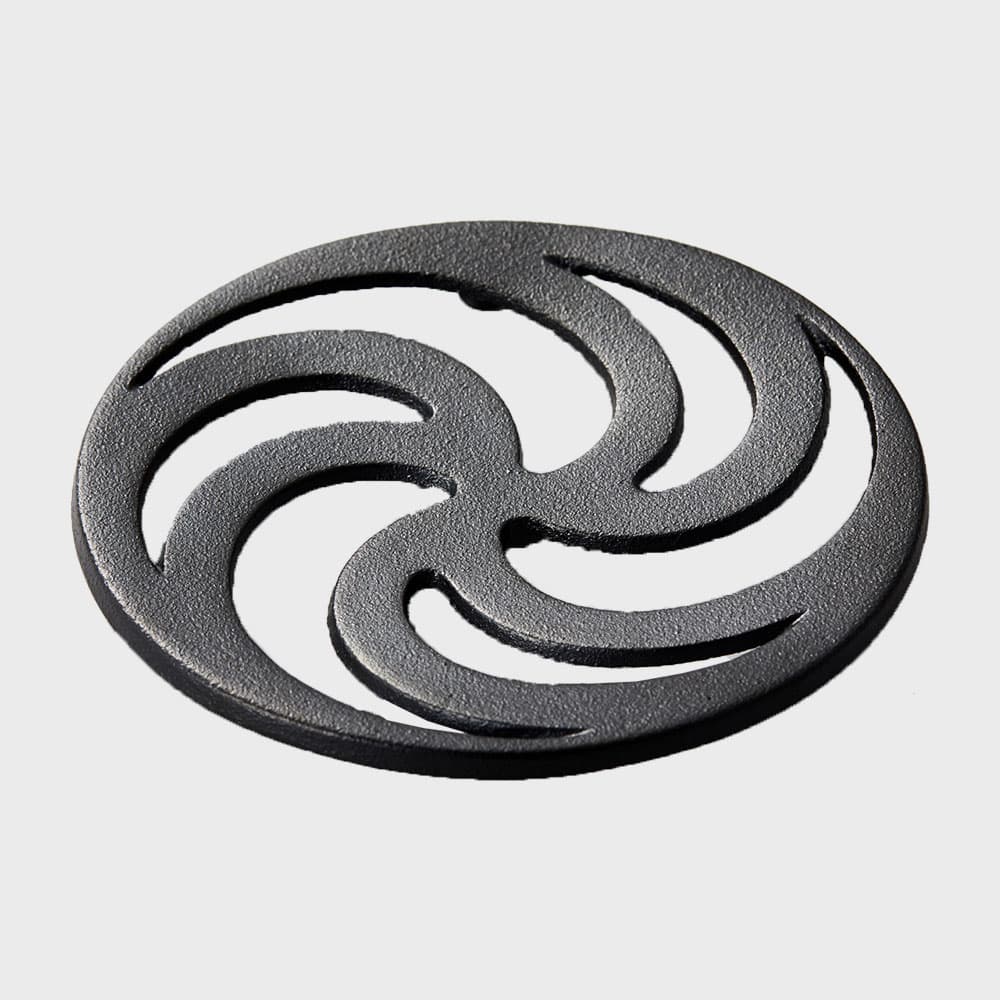
鍋敷き 鍋しき / 山形鋳物 鋳心ノ工房 渦輪 [ 南部鉄器 鍋敷き 鍋しき 鍋敷 なべしき ポットスタンド おしゃれ 北欧 ]【ゆうパケット対応可】[ゆうパケット 1/1]
Uzuwā patterndesignshop
3.0 / 2 reviews
First time buying on Rakuten? How residents in Japan order →
All 6 listings of this product on Rakuten, lowest price first.
| Listing | Price | Shop | Reviews | Open listing |
|---|---|---|---|---|
Chushin Kobo Yamagata Cast Iron Wind Chime New Round / New TriangleLowest priceGift-ready | ¥2,310 | 雑貨のお店セレクト・ペンギン | 5.0 / 2 reviews | View on Rakuten → |
Chushin Kobo Yamagata Cast Iron Pot Stand by Mosuke Yoshitake Kakuyose pattern | ¥6,050 | designshop | 5.0 / 2 reviews | View on Rakuten → |
Yamagata Cast Iron Chushin Kobo Mosuke Yoshitake Trivet Uzuwā pattern | ¥6,050 | designshop | 3.0 / 2 reviews | View on Rakuten → |
Chushin Kobo Yamagata Cast Iron Teapot 1-2 person size | ¥16,500 | CRAFT STORE 楽天市場店 | 5.0 / 1 reviews | View on Rakuten → |
鋳心ノ工房 Yamagata Cast Iron Teapot 1-2 person size | ¥16,500 | イエノLabo. | 5.0 / 1 reviews | View on Rakuten → |
鋳心ノ工房 Tea Kettle S Iron Kettle walnut / white oak handle | ¥44,000 | 雑貨のお店セレクト・ペンギン | 5.0 / 3 reviews | View on Rakuten → |
Japanese · new tab
Yamagata Casting is easiest to understand through place and material. Its accounts begin in Yamagata City, where sand from the Mamigasaki River and soil near Chitose Park were considered well suited to casting molds. The craft later gathered around Domachi, a town associated with metal casters, and its present cooperative is in Imono-machi 10. Before the kettle, bell, vase, or machine part appears, the local story begins with sand, soil, heat, and metal taking shape inside a mold.
The starting point of Yamagata Casting is a material one. Sand from the Mamigasaki River and soil around Chitose Park are described as fitting the needs of mold-making, so Yamagata City’s landscape enters the work before the finished object appears. A mold must hold a designed form while molten metal moves through it; for Yamagata wares, that condition helps explain why sand, clay, iron, and copper alloy remain central to the family’s identity.
In the early Edo period, Mogami Yoshiaki reorganized part of the Yamagata castle town and moved 17 casters from Kajimachi to a neighboring town named Domachi. The name preserved more than an address: it marked a concentration of people who worked with molds, molten metal, finishing tools, and finished wares. The present cooperative is located at Imono-machi 10 in Yamagata City, keeping the geography of casting visible in the city’s industrial map.
Domachi also stood in the orbit of Dewa Sanzan pilgrimage. Summer visitors created demand for Buddhist implements, Buddhist images, pots, and pans, carrying Yamagata cast wares beyond the workshop neighborhood. The product family therefore developed through objects used in specific places: bells, lanterns, and images for religious settings; iron kettles, iron pots, and cooking vessels for daily life. Its tradition is concrete in those uses, not detached from them.
The making process centers on sand molds. The mold surface that touches molten metal uses mado sand, and the form is made by hiki-gata or kome-gata methods, including wax molds. Iron wares use sand iron or casting pig iron; copper wares use copper alloy. In a tea-kettle sequence, the work moves from drawing and wooden pattern to mold turning, patterning, core-making, mold firing, assembly, pouring, shakeout, finishing, and coloring. Molten iron is described at about 1,300 to 1,500°C, so the form depends on both heat control and the prepared mold surface.
Yamagata Casting is repeatedly associated with thin walls, delicate forms, fine casting skin, and accurate shape. Those qualities are tied to the handling of sand and clay in layers, the pressing or drawing of surface patterns such as arare texture, and careful finishing after the sand is removed. Iron pieces are colored with lacquer and iron solution, while copper pieces use copper sulfate, verdigris, iron solution, or related treatments; iron cooking tools receive kanake-dome treatment. A 1974 traditional-craft designation later framed these shared material and technique conditions, while the visible character remains in wall thickness, surface, and profile.
The family covers a wide range of objects: tea ceremony kettles, iron kettles, iron pots, bronze vases, ornaments, Buddhist images, bells, lanterns, monuments, interior and exterior items, and machine parts. A public-scale example appears in the giant pot used for Yamagata’s autumn imoni gathering; the third-generation pot is described as 6.5 meters across and made by concentrating Yamagata casting techniques. The tea-room kettle and the festival pot differ in scale, but both return to metal shaped through casting skill.
Yamagata Casting continues through a cooperative and member firms whose activities include machine castings, daily craft wares, medium-sized and aluminum production, and casting materials. Contemporary objects include colorful teapots, flower vessels, candle stands, and interior or exterior pieces. In this setting, culture means a working arrangement in Yamagata City: six member companies, an address at Imono-machi 10, sand-mold methods, and objects that still move between household, ceremonial, public, and industrial use.
The clearest thread through Yamagata Casting is not a single object but a set of linked conditions: Mamigasaki River sand, soil near Chitose Park, Domachi’s caster community, the cooperative in Imono-machi, sand molds, iron, copper alloy, thin walls, and fine casting skin. Tea kettles, iron pots, bells, lanterns, flower vessels, festival cookware, and machine parts all sit within that Yamagata City metalworking line.
Compiled from public records and official sources; see the recognition links below. Details may change over time.
Where this product is officially registered, designated, or recognized in Japan.
Traditional craft
Designated a Traditional Craft (dentō kōgeihin) by Japan's Ministry of Economy, Trade and Industry.
Sources1
It is written as 山形鋳物 in Japanese. Search Rakuten and other Japanese sites with that spelling — the English name will not bring up the listings.
Yamagata cast metal is a metalwork family from Yamagata City. Its origin traces to river sand and soil suited for molds, a caster community settled in Domachi in the early Edo period, and demand from Dewa Sanzan pilgrims for Buddhist objects and daily wares. It is made with sand molds, mado sand, and hiki-gata or kome-gata forming in iron or copper alloy, known for thin walls, fine casting skin, and accurate shapes, including tea kettles, bells, and machine parts.
In the early Edo period, Mogami Yoshiaki moved 17 casters into Domachi. Iron wares use sand iron or casting pig iron, while copper wares use copper alloy. The product range also includes iron kettles, iron pots, bronze vases, Buddhist images, lanterns, monuments, and interior and exterior objects. The third-generation giant pot associated with Yamagata casting techniques is 6.5 meters in diameter and used for a large communal imoni festival.
Iron cooking wares undergo a rust-preventive treatment called kanake-dome.
Keep craft pieces out of direct sunlight, damp, and sharp temperature swings, and store them where they won't knock against anything. Wood, bamboo, lacquer, and paper don't tolerate water — wipe any moisture off immediately. Specific care notes are on the listing.
Most options are shelf-stable, boxed, and travel well, so they suit gifting or bringing home. Confirm the final storage and delivery terms on the Rakuten listing.
On Rakuten: the shops listed here right now are 雑貨のお店セレクト・ペンギン, designshop, CRAFT STORE 楽天市場店, イエノLabo.. We don't sell directly; purchase, payment, stock, and delivery are all handled on the Rakuten product page.