 3 images
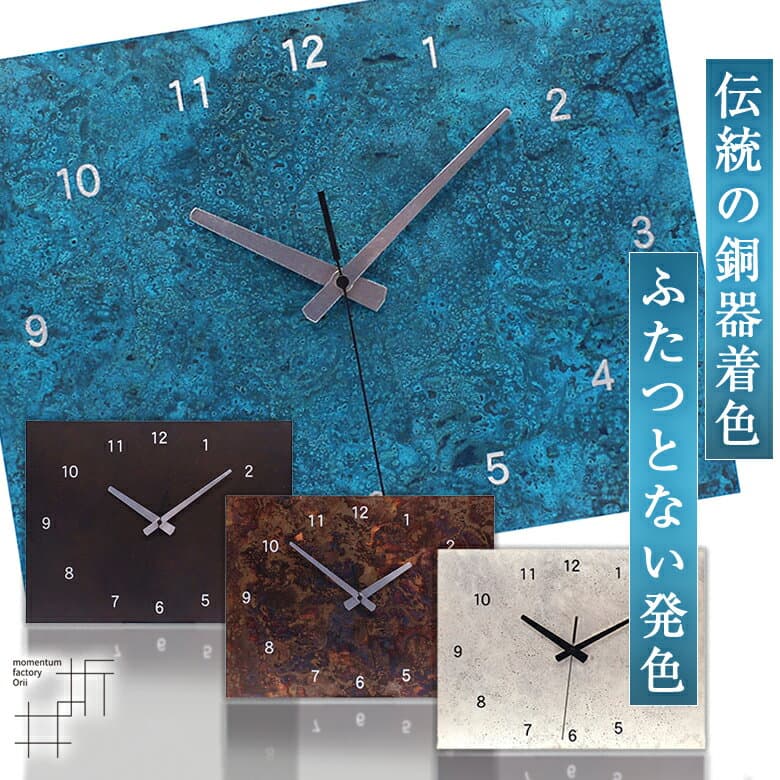
Momentum Factory Orii Orii Blue square_L Wall Clock
掛け時計 おしゃれ 見やすい square_L 壁掛け時計 スクエア Lサイズ time and space 折井ブルー オリイブルー 折井 ブルー 伝統工芸 モメンタムファクトリー Orii 折井マーブル インテリア エメラルドブルー 着色銅板 伝統技術 高岡銅器 富山県 高岡市
L size想いを繋ぐ百貨店 【TSUNAGU】
Japanese name高岡銅器
In Takaoka City, Toyama Prefecture, seven casters invited in 1611 set a castle-town metalworking line in motion, from iron daily goods to copper bells, Buddhist fittings, bronze statues, tea utensils, flower vessels, and station wind chimes.
Information last updated 7 days ago
3 images掛け時計 おしゃれ 見やすい square_L 壁掛け時計 スクエア Lサイズ time and space 折井ブルー オリイブルー 折井 ブルー 伝統工芸 モメンタムファクトリー Orii 折井マーブル インテリア エメラルドブルー 着色銅板 伝統技術 高岡銅器 富山県 高岡市
L size想いを繋ぐ百貨店 【TSUNAGU】
 3 images
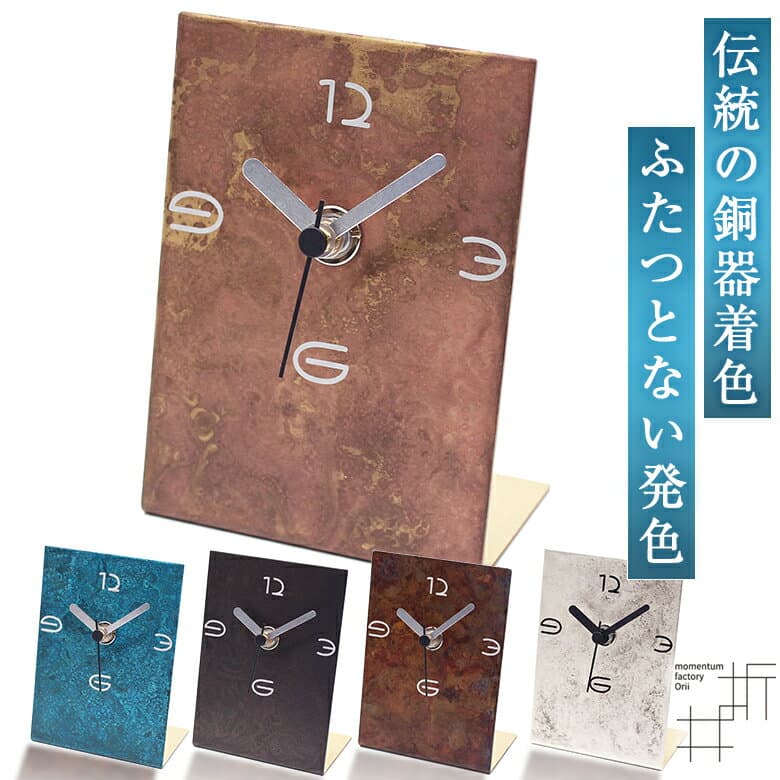
置き時計 おしゃれ 見やすい stand_S スタンド型時計 置時計 Sサイズ time and space 折井ブルー オリイブルー 折井 ブルー 伝統工芸 モメンタムファクトリー Orii 折井マーブル インテリア エメラルドブルー 着色銅板 伝統技術 高岡銅器 富山県 高岡市
S size (105 x 75 x 45 mm)想いを繋ぐ百貨店 【TSUNAGU】
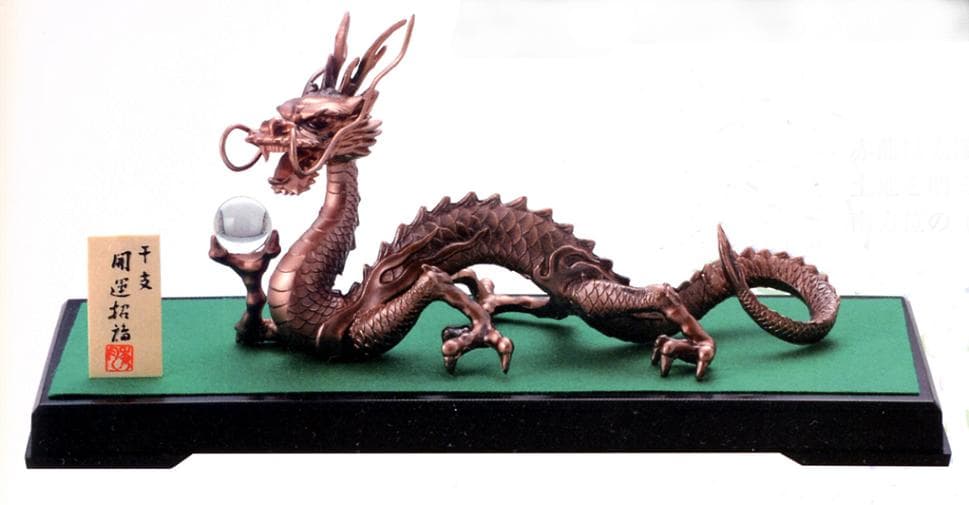
龍の置物 縁起物 干支| 風水赤龍 |ダイカスト・亜鉛合金製 化粧箱入り 【高岡銅器 置物】風水 龍 辰年
presentation box仏具徳
 3 images
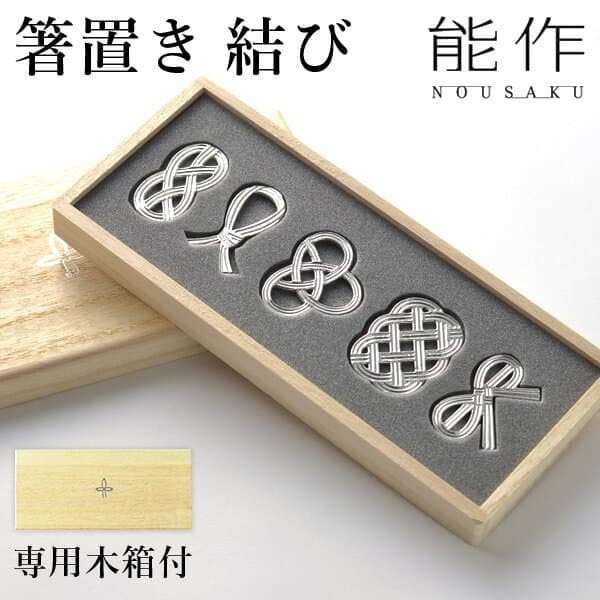
【本日5%OFFクーポン】 能作 箸置き 結び 5ケ入 ( 能作 敬老の日 プレゼント 実用的 ギフトセット 結婚祝い 錫婚式 箸休め はしおき おしゃれ 高岡銅器 結婚 出産 内祝い 引き出物 金婚式 誕生日プレゼント 還暦祝い 古希 喜寿 米寿 退職 定年 プレゼント お祝い )
5-piece set伝統本舗
4.8 / 217 reviews
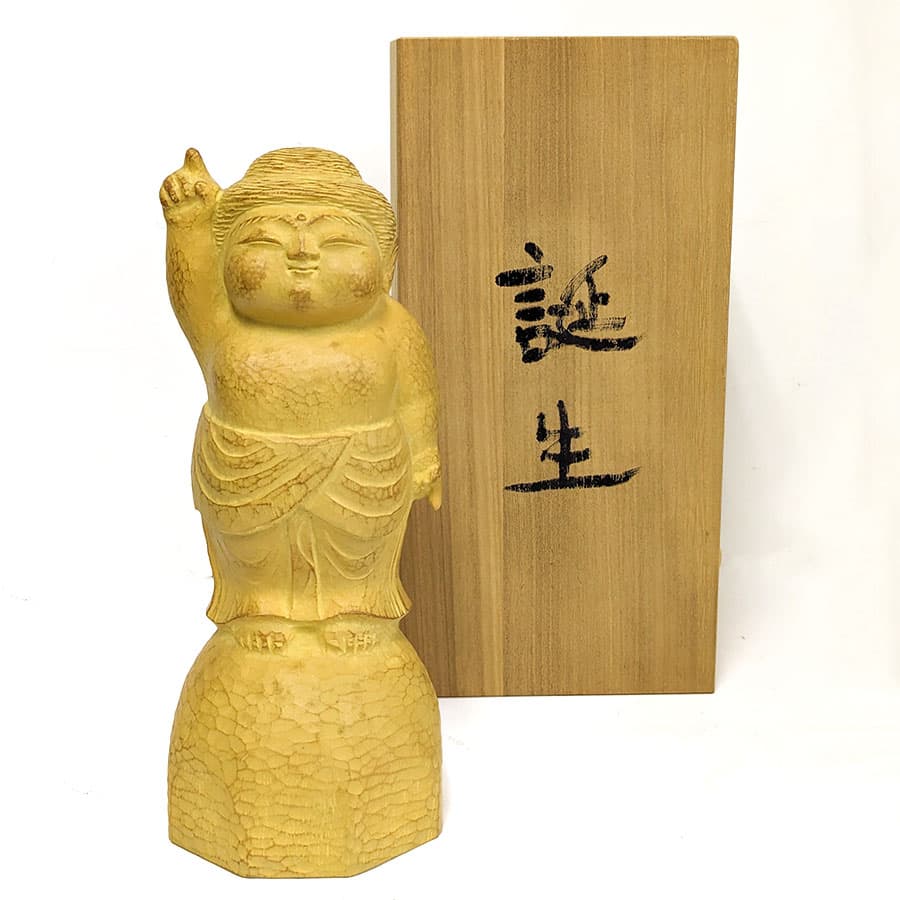 3 images
★仏像 彫刻 牛島 辰馬 「誕生」 銅像 ブロンズ像 共箱桐箱入り 仏さま ブッダ誕生 天上天下唯我独尊 井波彫刻 高岡銅器 伝統工芸品 在庫1点あり
paulownia box includedやまとや画廊
First time buying on Rakuten? How residents in Japan order →
All 5 listings of this product on Rakuten, lowest price first.
| Listing | Price | Shop | Reviews | Open listing |
|---|---|---|---|---|
Nosaku Musubi Tin Chopstick Rests 5-piece setLowest priceMost reviewedGift-ready | ¥5,500 | 伝統本舗 | 4.8 / 217 reviews | View on Rakuten → |
Momentum Factory Orii stand_S Orii Blue Table Clock S size (105 x 75 x 45 mm) | ¥6,600 | 想いを繋ぐ百貨店 【TSUNAGU】 | View on Rakuten → | |
Takaoka Copperware Feng Shui Red Dragon Ornament presentation boxGift-ready | ¥12,499 | 仏具徳 | View on Rakuten → | |
Momentum Factory Orii Orii Blue square_L Wall Clock L size | ¥22,000 | 想いを繋ぐ百貨店 【TSUNAGU】 | View on Rakuten → | |
Takaoka Copperware Tatsuma Ushijima “Birth” Bronze Buddha Statue paulownia box included | ¥88,000 | やまとや画廊 | View on Rakuten → |
Japanese · new tab
Takaoka copperware begins with Takaoka City in Toyama Prefecture. In 1611, Maeda Toshinaga, the second lord of the Kaga domain, invited seven casters to the castle town to develop local industry. Their early work centered on iron daily goods, then expanded into copper temple bells, lanterns, Buddhist fittings, and ornaments. Today the name covers Takaoka copper casting and related metalwork, from the Takaoka Daibutsu, bronze statues, and bells to tea utensils, flower vessels, household goods, and small accessories made through local division of labor.
The main production area for Takaoka copperware is Takaoka City, Toyama Prefecture. The Takaoka Copperware Cooperative is based in Otayamachi at Otaya Serio, about a ten-minute walk from Takaoka Station, while 39 cooperative member companies have addresses across city districts such as Kanayamachi, Otayamachi, Miyukimachi, Nagae, and Toiyamachi. The craft family is anchored in a citywide production community, with companies and workshops handling copperware, ironware, Buddhist images, tea utensils, household objects, and other forms within the same local field of metalwork.
The starting point is placed in the Takaoka castle town in 1611. Maeda Toshinaga invited seven casters to settle there as part of an effort to develop local industry, and the early output was iron daily necessities. That beginning ties the craft to a named place, a named historical figure, a group of casters, and practical household objects before copperware became the better-known face of the region.
After the early iron goods, Takaoka casting expanded into copper temple bells, lanterns, Buddhist fittings, and ornaments, helping form a major casting area. The object list matters because it shows where the work lived: bells and lanterns belonged to temple and devotional settings, Buddhist fittings served ritual spaces, and ornaments carried metalwork into smaller personal or interior objects.
Copper castings are described as workable enough to express complex and delicate forms, and Takaoka makers use that quality across a wide size range. Small accessories sit in the same family as bronze statues, temple bells, the Takaoka Daibutsu, monuments, tea utensils, flower vessels, Buddhist images, household goods, and art objects. The material story is concrete: one casting tradition can carry fine forms for the hand and large pieces for civic or religious space.
Toyama Prefecture describes Takaoka copperware production as divided among processes, and the cooperative structure gives that division a visible shape through 39 member companies. Their handled categories include copperware, ironware, bronze statues, monuments, Buddhist images, tea utensils, flower-arranging utensils, religious implements, household goods, craft objects, and art objects. Continuity rests in that distribution of work across companies and craftspeople in Takaoka rather than in a single workshop name.
Takaoka copperware remains visible in tea rooms, flower practice, devotional settings, memorial objects, stations, and public monuments. Cooperative activities have included copper wind-chime installations at JR Shin-Takaoka Station and Takaoka Police Station, bronze cleaning, new product presentations, exhibitions, and a G7 Ise-Shima Summit commemorative monument. Repair and reproduction work also belong to the field, including iron fence repair at the Takayama Municipal Government Memorial Hall and participation in a reproduction project connected to Horyuji's Shaka Triad.
The line from 1611 to the present runs through concrete objects: iron daily goods, copper bells, lanterns, Buddhist fittings, bronze statues, tea utensils, flower vessels, wind chimes, repair sites, and public monuments. Takaoka copperware remains tied to Takaoka City because its materials, processes, companies, and civic uses still gather there, from Kanayamachi workshop addresses to the cooperative office in Otayamachi and copper wind chimes installed in local public places.
Compiled from public records and official sources; see the recognition links below. Details may change over time.
Where this product is officially registered, designated, or recognized in Japan.
It is written as 高岡銅器 in Japanese. Search Rakuten and other Japanese sites with that spelling — the English name will not bring up the listings.
Takaoka copperware is a copper-casting and metalwork family from Takaoka City, Toyama Prefecture, tracing to 1611 when Maeda Toshinaga invited seven casters to the Takaoka castle town. Early work centered on iron daily goods before expanding into copper temple bells, lanterns, Buddhist fittings, and ornaments. Copper casting suits complex, delicate forms, ranging from small accessories to the Takaoka Daibutsu and bronze statues. Today, 39 cooperative member companies carry the craft forward through divided production.
The product range includes the Takaoka Daibutsu, bronze statues, temple bells, small accessories, tea utensils, and flower vessels. Copper castings are described as suitable for complex, delicate forms and as highly workable. The Takaoka Copperware Cooperative has 39 member companies across Takaoka-area addresses. Cooperative activities include copper wind-chime installations at JR Shin-Takaoka Station and Takaoka Police Station, along with bronze cleaning.
Temple bells, lanterns, and Buddhist fittings are used in shrines and temples. Tea utensils and flower vessels are used in tea ceremony and flower arranging. Bronze statues and monuments receive periodic cleaning and maintenance.
Keep craft pieces out of direct sunlight, damp, and sharp temperature swings, and store them where they won't knock against anything. Wood, bamboo, lacquer, and paper don't tolerate water — wipe any moisture off immediately. Specific care notes are on the listing.
Most options are shelf-stable, boxed, and travel well, so they suit gifting or bringing home. Confirm the final storage and delivery terms on the Rakuten listing.
On Rakuten: the shops listed here right now are 想いを繋ぐ百貨店 【TSUNAGU】, 仏具徳, 伝統本舗, やまとや画廊. We don't sell directly; purchase, payment, stock, and delivery are all handled on the Rakuten product page.