 3 images
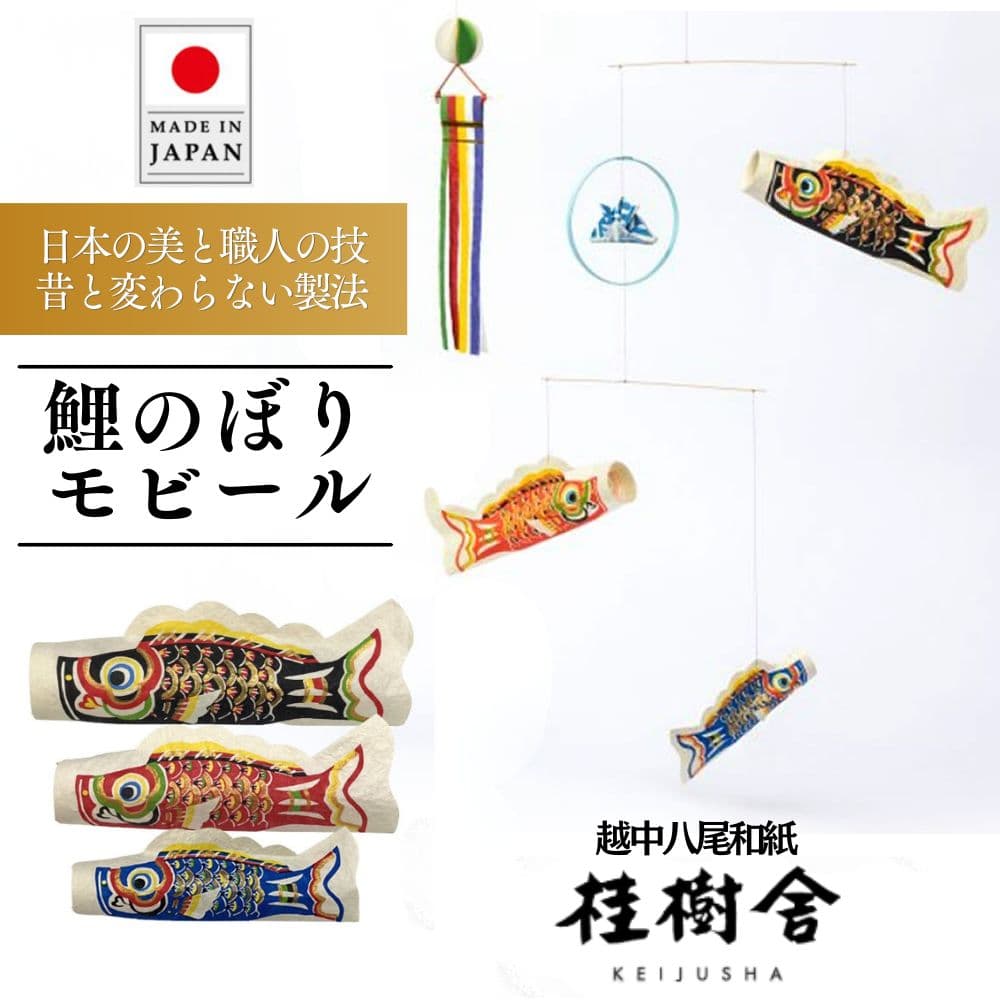
Keijusha Sou-sou Washi Koinobori Mobile
こいのぼり 鯉のぼり モビール おしゃれ 吊るし飾り 爽々 桂樹舎 和紙 節句 端午の節句 子供の日 男の子 初節句 日本製 インテリア 室内用 軽量 コンパクト 省スペース 癒し 和紙工房 伝統工芸 八尾和紙 越中八尾和紙 越中和紙 手仕事 手作り プレゼント ギフト 出産祝い
キッズ マタニティの Emma style
5.0 / 1 reviews
Japanese name越中和紙
In Yatsuo, Gokayama, and Birudan, Etchu washi takes shape through kozo, mitsumata, gampi, tororo-aoi mucilage, snow exposure, drying boards, and papers made for rooms, writing, printing, color, and repair.
Information last updated 120 days ago
3 imagesこいのぼり 鯉のぼり モビール おしゃれ 吊るし飾り 爽々 桂樹舎 和紙 節句 端午の節句 子供の日 男の子 初節句 日本製 インテリア 室内用 軽量 コンパクト 省スペース 癒し 和紙工房 伝統工芸 八尾和紙 越中八尾和紙 越中和紙 手仕事 手作り プレゼント ギフト 出産祝い
キッズ マタニティの Emma style
5.0 / 1 reviews
 3 images
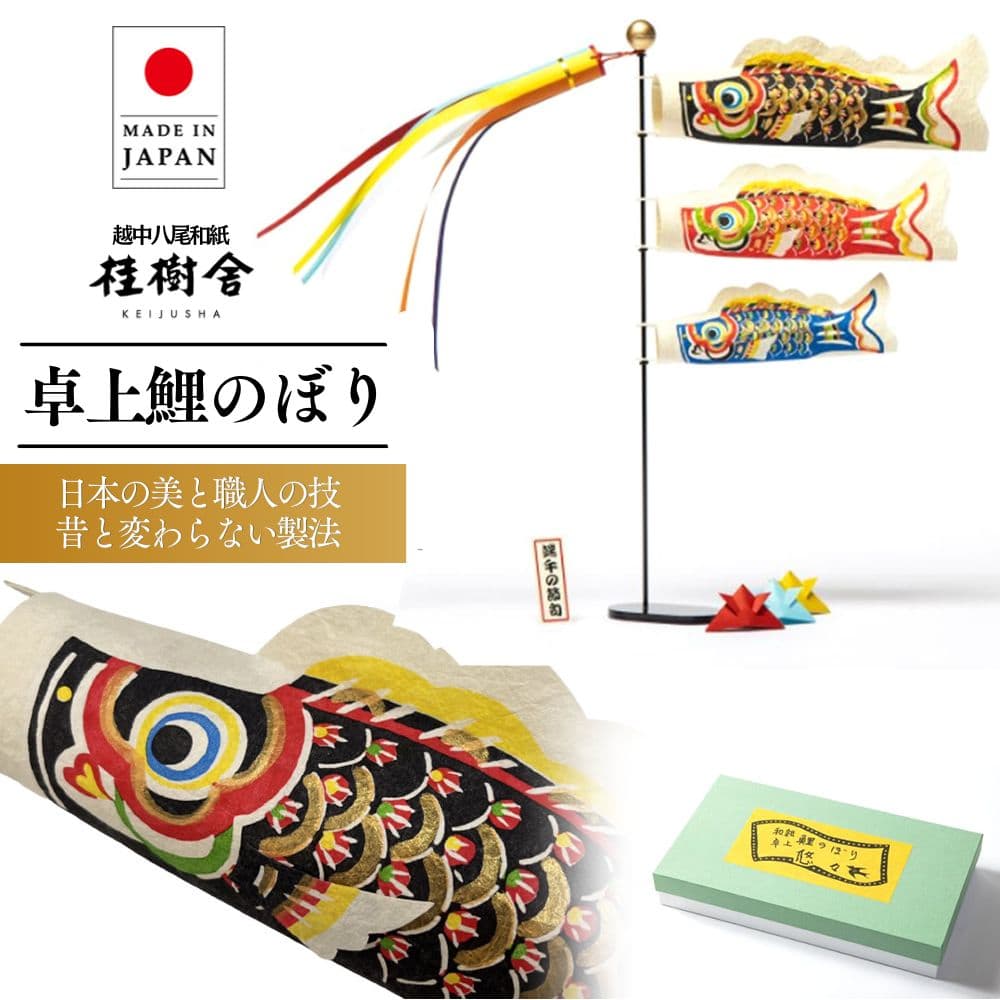
こいのぼり 室内 鯉のぼり 桂樹舎 卓上 悠々 卓上鯉のぼり 日本製 和紙 コンパクト 八尾和紙 越中八尾 端午の節句 節句 初節句 子供の日 男の子 インテリア 室内鯉 室内用 コンパクト 軽量 省スペース 癒し 和紙工房 伝統工芸 八尾和紙 越中八尾和紙 越中和紙 手仕事 手作り
compact tabletop setキッズ マタニティの Emma style
5.0 / 1 reviews
First time buying on Rakuten? How residents in Japan order →
Etchu washi belongs to Toyama Prefecture and is tied to three named paper areas: Yatsuo, Gokayama, and Birudan, with production also connected to Asahi Town, Toyama City, and Nanto City. Its range moves from shoji paper, hanshi, and lantern paper to calligraphy paper, print paper, dyed paper, patterned paper, and processed washi goods, placing one material inside homes, writing desks, printing work, and seasonal objects.
Compiled from public records and official sources; see the recognition links below. Details may change over time.
Where this product is officially registered, designated, or recognized in Japan.
Traditional craft
Designated a Traditional Craft (dentō kōgeihin) by Japan's Ministry of Economy, Trade and Industry.
Sources1
It is written as 越中和紙 in Japanese. Search Rakuten and other Japanese sites with that spelling — the English name will not bring up the listings.
Etchu washi paper is a Toyama Prefecture washi family covering Yatsuo, Gokayama, and Birudan, with production in Asahi Town, Toyama City, and Nanto City. Its main fibers are kozo, mitsumata, or gampi, and sheet formation uses tororo-aoi mucilage as a forming agent (neri). Traditional and modern uses include shoji paper, hanshi, lantern paper, calligraphy paper, and print paper.
Sheet formation uses nagashi-zuki or tame-zuki with bamboo or gauze screens, using tororo-aoi as neri. Kozo is cut around November, then dried, stripped, softened by water soaking or snow exposure, boiled, washed, cleaned of specks, beaten, formed into sheets, pressed, dried, and inspected. In snowy Gokayama, white bark can be exposed to snow to produce white washi. Since the Edo period, Yatsuo paper has been used for medicinal purposes and is linked to medicine-bag paper for Toyama's medicine trade.
Pure kozo paper from Gokayama is valued for temple and cultural-property repair, including restoration work connected to Katsura Imperial Villa. Yatsuo washi can be colored through a stencil-dyeing process that includes pattern carving, applying resist paste, dyeing, and washing off the paste. Workshops use sturdy washi to make carp streamers, applying vivid colors with care.
Keep wood, bamboo, and lacquer out of prolonged soaking, dishwashers, and direct sun — wipe dry after use and let them air out in the shade. For metal and fabric goods, follow the care notes on the listing.
Most options are shelf-stable, boxed, and travel well, so they suit gifting or bringing home. Confirm the final storage and delivery terms on the Rakuten listing.
On Rakuten: the shops listed here right now are キッズ マタニティの Emma style. We don't sell directly; purchase, payment, stock, and delivery are all handled on the Rakuten product page.