 3 images
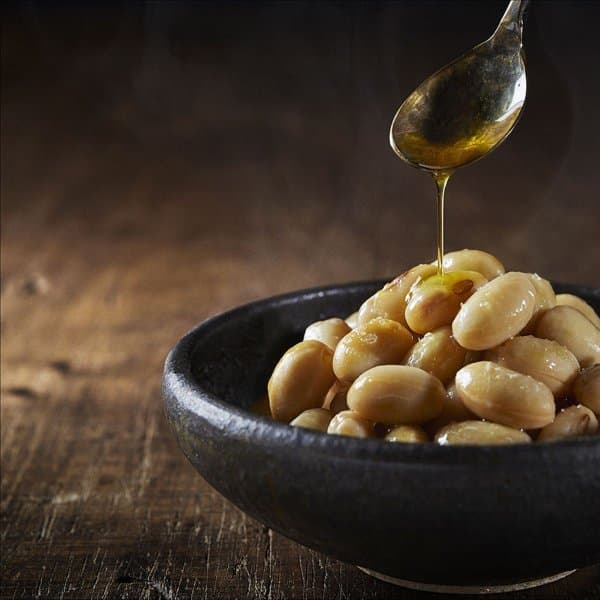
Minobu Akebono Daizu Steamed Soybeans
\割引クーポン配布/ダイエット食 あけぼの大豆 蒸し大豆 100g 身延町 大粒大豆 大粒枝豆 ダイエット食品 代替食品 ギルトフリー 冷凍食品 贈答品 お取り寄せ 山梨 富士山 お土産 お歳暮 お中元 母の日 ギフト プレゼント ご当地 拠点施設 ひじき 煮豆 総菜 副菜
100g富士の国やまなし特産品
Japanese nameあけぼの大豆
A late-maturing soybean from Minobu Town in Yamanashi, shaped by Akebono seed, October edamame, and an early-winter soybean harvest.
Information last updated 120 days ago
3 images\割引クーポン配布/ダイエット食 あけぼの大豆 蒸し大豆 100g 身延町 大粒大豆 大粒枝豆 ダイエット食品 代替食品 ギルトフリー 冷凍食品 贈答品 お取り寄せ 山梨 富士山 お土産 お歳暮 お中元 母の日 ギフト プレゼント ご当地 拠点施設 ひじき 煮豆 総菜 副菜
100g富士の国やまなし特産品
First time buying on Rakuten? How residents in Japan order →
Akebono daizu carries the place name of the Akebono district in Minobu Town, Yamanashi. Its local boundary is concrete: first-year seed harvested in Akebono is grown in Minobu fields, tying the bean’s size, sweetness, and slow calendar to a mountain town rather than to a name alone.
Minobu Town lies in southern Yamanashi, where the Fuji River and its tributaries run through mountain terrain. The Akebono district sits at about 300 to 700 meters, with large day-night temperature swings and frequent fog, conditions described locally as suited to good soybean cultivation.
Today, Akebono daizu is grown across Minobu Town using seed taken from the Akebono district. The local definition is precise: soybeans grown in Minobu from first-year Akebono seed carry the place-linked identity of this crop.
Akebono daizu is a very late-maturing soybean in Yamanashi. Sowing begins from mid-June to early July, flowers appear around mid-August, fresh edamame is harvested in October, and mature soybeans are harvested from late November to mid-December.
That calendar gives the bean two table seasons. In October, it appears as edamame in the pod; after the early-winter soybean harvest, it can move into tofu, miso, natto, croquettes, steamed beans, and other prepared foods.
The bean is remembered first by its size. Ten Akebono daizu beans laid in a row reach about six sun, or roughly 18 centimeters, which is why the old name torokusun became attached to it. One regional account records a 100-seed weight of more than 60 grams, with larger beans exceeding 70 grams.
Sweetness is also described through comparison. Minobu Town notes higher sugar content than common soybeans, especially sucrose, while the national local-cuisine profile presents the bean’s large grains and sweetness as central to its place among Yamanashi foods.
The October edamame preparation is plain and specific. The pods are rubbed with salt, boiled for about five to eight minutes, drained, and cooled without rinsing, leaving the bean’s sweetness and the salt close to the pod.
Once the soybeans mature, the uses widen. Akebono daizu appears in tofu, miso, natto, croquettes, steamed beans, and frozen shelled edamame, so the crop remains present after the short fresh-edamame season has passed.
The Minobu Town Akebono Daizu Promotion Council was formed in 2016. Later work included seed preservation, town-managed seed distribution, designated seed fields, field patrols, seed inspections, and a sorting and processing facility, grounding the name in seed care and handling.
The bean also appears in Minobu nurseries, elementary schools, and junior high schools. Meals and snacks use Akebono daizu, while lessons include cultivation, harvest, and tofu making; continuity here happens through lunch trays, fields, and hands-on food education.
In October, Minobu also connects the harvest to local visits. The 2025 production-area fair listed nine venues in town, with harvest experiences, direct sales, and different producers and organizations taking part at different sites.
Event details can change with weather, but the setting is concrete: venues, fields, producers, JA Yamanashi Mirai, the town, the chamber of commerce, and the promotion council all gather around the short edamame season.
Yamanashi Prefecture documents one grower, Fusako Mochizuki, and her field practice. Her approach uses bokashi made with rice bran, homemade rice-husk charcoal, oil cake, and okara, along with repeated hilling before flowering and fertilizer timing matched to field conditions.
This is one producer’s example, not a rule for every farm. It still shows a tangible way Akebono daizu is worked in Minobu: okara returns to the soil, soil management meets the search for rich sweetness, and the crop is shaped by daily choices in a specific field.
Akebono daizu is best understood through Minobu’s mountain terrain, Akebono seed, a June-to-December growing calendar, and beans large enough for ten of them to span about 18 centimeters. It reaches the table as October edamame, then continues through tofu, miso, natto, school meals, and town harvest work after the pods have left the field.
Compiled from public records and official sources; see the recognition links below. Details may change over time.
Where this product is officially registered, designated, or recognized in Japan.
Geographical Indication (GI)
Registered under Japan's Geographical Indication Protection System, run by the Ministry of Agriculture, Forestry and Fisheries.
Sources1
It is written as あけぼの大豆 in Japanese. Search Rakuten and other Japanese sites with that spelling — the English name will not bring up the listings.
Akebono soybeans (akebono daizu) are a late-maturing soybean grown in Minobu Town, Yamanashi, named after the Akebono district where the seed originates. Grown in Minobu from first-year Akebono seed, the beans are harvested as fresh edamame in October and as mature soybeans from late November to mid-December, with large grains and pronounced sweetness.
The local definition of Akebono daizu centers on first-year seed harvested in the Akebono district and grown within Minobu Town. The Akebono district lies at about 300 to 700 meters elevation, with wide day-night temperature swings and frequent fog, conditions described as suited to quality soybean growing. The crop calendar includes sowing in mid-June to early July and flowering in mid-August, ahead of the October and late November to mid-December harvests. Ten Akebono daizu beans laid in a row measure about 18 cm, a size once reflected in the older name torokusun.
For fresh edamame, the pods are rubbed with salt, boiled for 5 to 8 minutes, drained, and cooled without rinsing.
Storage varies by product — shelf-stable, refrigerated, or frozen — and is stated on the packaging and the Rakuten listing. Shelf-stable processed foods usually need refrigerating once opened and eating within a few days; chilled and frozen items go straight into storage on arrival. Treat the best-before date on the physical packaging as authoritative.
Most options are shelf-stable, boxed, and travel well, so they suit gifting or bringing home. Confirm the final storage and delivery terms on the Rakuten listing.
On Rakuten: the shops listed here right now are 富士の国やまなし特産品. We don't sell directly; purchase, payment, stock, and delivery are all handled on the Rakuten product page.