 3 images
Wakaotoko Suisan Awaji Island 3-Year Tiger Puffer Full Course Set with Hot Pot, Sashimi & Shirako
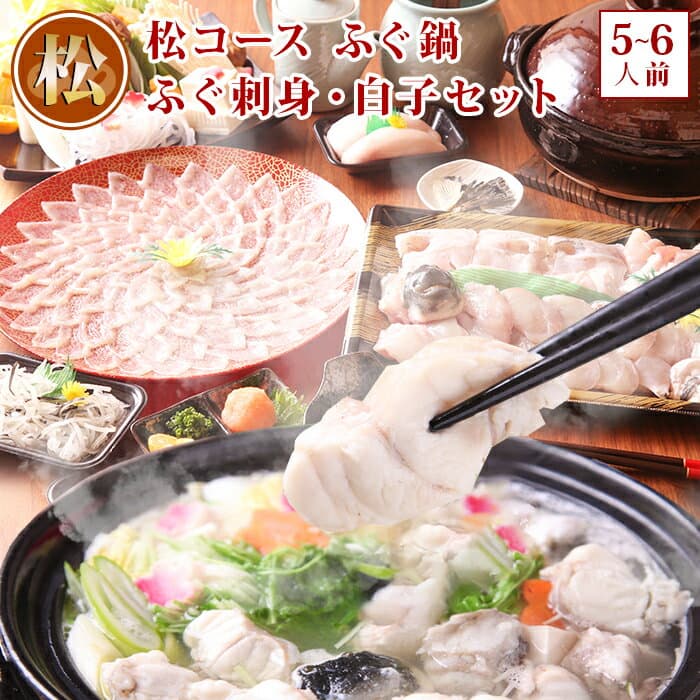
\楽天ランキング受賞/ 松コース ふぐ鍋 ふぐ刺し ふぐ刺身 お取り寄せグルメ ふぐ セット 白子 (5-6人前) 淡路島3年とらふぐ 若男水産
Matsu course, 5-6 servings淡路島 3年とらふぐ若男水産
4.8 / 228 reviews
Japanese name淡路島3年とらふぐ
At the southern end of Awaji Island, Fukura Bay sits near the fast tides of the Naruto Strait. Awajishima 3nen Torafugu stays in the water for three years, reaches about 1.2 to 1.8 kilograms, and appears in winter as tessa, tecchiri, milt, and zosui.
Information last updated 120 days ago
3 images\楽天ランキング受賞/ 松コース ふぐ鍋 ふぐ刺し ふぐ刺身 お取り寄せグルメ ふぐ セット 白子 (5-6人前) 淡路島3年とらふぐ 若男水産
Matsu course, 5-6 servings淡路島 3年とらふぐ若男水産
4.8 / 228 reviews
 3 images
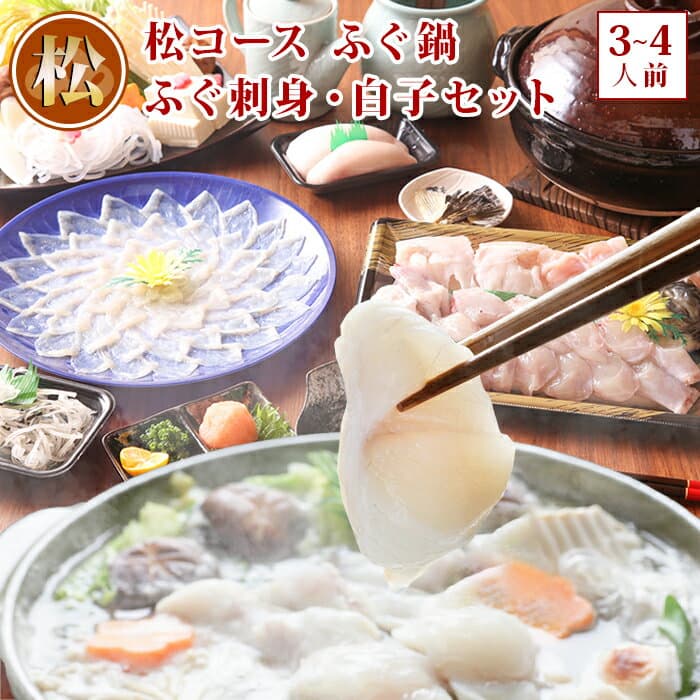
\楽天ランキング受賞/ 松コース ふぐ鍋 ふぐ刺し ふぐ刺身 お取り寄せグルメ ふぐ セット 白子 (3-4人前) 淡路島3年とらふぐ 若男水産
Matsu course, 3-4 servings淡路島 3年とらふぐ若男水産
4.7 / 234 reviews
 3 images
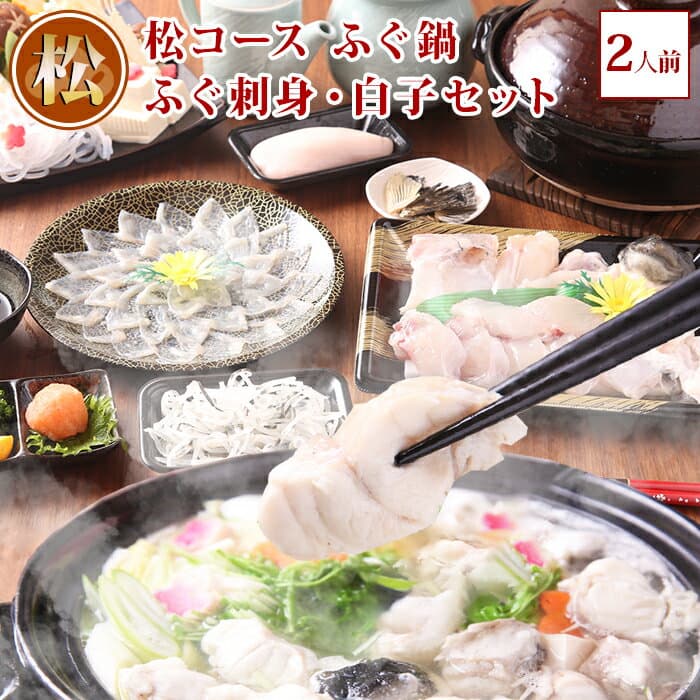
\楽天ランキング受賞/ 松コース ふぐ鍋 ふぐ刺身 ふぐ刺し お取り寄せグルメ ふぐ 白子 セット (2人前) 淡路島3年とらふぐ 若男水産
Matsu course, serves 2淡路島 3年とらふぐ若男水産
4.7 / 142 reviews
First time buying on Rakuten? How residents in Japan order →
Awajishima 3nen Torafugu is a farmed torafugu from Fukura Bay in Minamiawaji, Hyogo Prefecture. The bay lies at the southern end of Awaji Island near the Naruto Strait, where low water temperature and fast tidal flow are tied to active fish movement, firm flesh, and a springy bite. Many farmed torafugu leave the farm after two years at 800 grams or less; this fish stays for three years and reaches about 1.2 to 1.8 kilograms. From November to February, it is served as thin tessa slices, tecchiri hot pot, rich milt, and fugu zosui that carries the broth into rice.
Fukura Bay is in Minamiawaji at the southern end of Awaji Island, close to the Naruto Strait. Awajishima 3nen Torafugu grows in a low-temperature aquaculture setting influenced by fast tidal flow, and that movement is linked to firm flesh, bite, and rich taste. Local character here is not a vague label; it is the bay, the strait, colder water, moving current, and the texture that reaches the winter table.
Many farmed torafugu are shipped after two years and often weigh 800 grams or less. Awajishima 3nen Torafugu remains in the water for one more year and reaches about 1.2 to 1.8 kilograms. The added year also raises the difficulty of aquaculture because the fish must survive a longer period of daily management. The number in the name points to a concrete change: a larger body, tighter flesh, and a springy bite in tessa or tecchiri.
Minamiawaji has worked on torafugu aquaculture for about 40 years. Around Fukura Port, producers once faced losses before the fish could be shipped, and results began to improve about 20 years ago after repeated trial and error. The continuity behind the fish is found in harbor work, cages, feeding, handling, and the shared effort to make difficult three-year cultivation more stable.
Three years in the water depends on close handling. Producers check the growth of the fish, cut the teeth of individual torafugu, and adjust both the amount and quality of feed. Those repeated decisions give practical shape to aquaculture skill: observe each fish, manage its teeth, change the feed, and wait until the body reaches the 1.2 to 1.8 kilogram range.
The main season runs from November to February. Tessa shows the flesh in thin slices that keep resilience, with light but deep umami and sweetness; tecchiri puts the flesh and bones into a winter hot pot, where fugu and vegetable flavor move into the broth. The milt of the three-year fish is described as larger than that of two-year fish, with a rich creamy taste when grilled. Zosui closes the meal by letting rice absorb the hot-pot broth.
In Minamiawaji, Awajishima 3nen Torafugu appears on winter menus at local restaurants and lodgings, with more than 50 places in the city serving it. The fish is also part of Japan's geographical indication system, a background that points to Fukura Bay, the fish category, and the three-year production boundary. For a traveler, the immediate memory is more likely the steam from tecchiri, Awaji Island's winter air, and the bite of a thin slice of fugu.
Awajishima 3nen Torafugu is best understood through Fukura Bay, the currents near the Naruto Strait, the three-year grow-out, and the handling that includes cutting teeth and adjusting feed. By the time winter dishes arrive from November to February, the 1.2 to 1.8 kilogram fish carries those conditions into tessa, tecchiri, milt, and zosui.
Compiled from public records and official sources; see the recognition links below. Details may change over time.
Where this product is officially registered, designated, or recognized in Japan.
Regional collective trademark
Registered as a Regional Collective Trademark with the Japan Patent Office.
Sources1
It is written as 淡路島3年とらふぐ in Japanese. Search Rakuten and other Japanese sites with that spelling — the English name will not bring up the listings.
Awaji 3-year tiger fugu (Awajishima 3nen Torafugu) is farmed torafugu from Fukura Bay in Minamiawaji, Hyogo Prefecture, near the Naruto Strait. It is raised for three years to about 1.2 to 1.8 kilograms. Firm flesh, bite, and rich taste are linked to the longer grow-out, low water temperature, and fast tidal flow. Minamiawaji has worked on torafugu aquaculture for about 40 years.
Awajishima 3nen Torafugu entered Japan's geographical indication system on January 29, 2024, with Fukura Bay on Awaji Island and the three-year fish category defining the context. Many farmed torafugu are shipped after two years at 800 grams or less, while Awajishima 3nen Torafugu remains for one more year. Three-year cultivation results improved about 20 years ago. Producers check growth, cut the teeth of individual fish, and adjust feed amount and quality.
It is eaten from November to February as tessa sashimi, tecchiri hot pot, milt dishes, and fugu zosui. After tecchiri, the broth is often finished as zosui. Milt from the three-year fish grows much larger than that of two-year fish and is also served grilled, with a creamy richness.
Storage varies by product — shelf-stable, refrigerated, or frozen — and is stated on the packaging and the Rakuten listing. Shelf-stable processed foods usually need refrigerating once opened and eating within a few days; chilled and frozen items go straight into storage on arrival. Treat the best-before date on the physical packaging as authoritative.
Most options are shelf-stable, boxed, and travel well, so they suit gifting or bringing home. Confirm the final storage and delivery terms on the Rakuten listing.
On Rakuten: the shops listed here right now are 淡路島 3年とらふぐ若男水産. We don't sell directly; purchase, payment, stock, and delivery are all handled on the Rakuten product page.