 3 images
Wakaotoko Suisan Frozen Awaji Island Sakura Trout
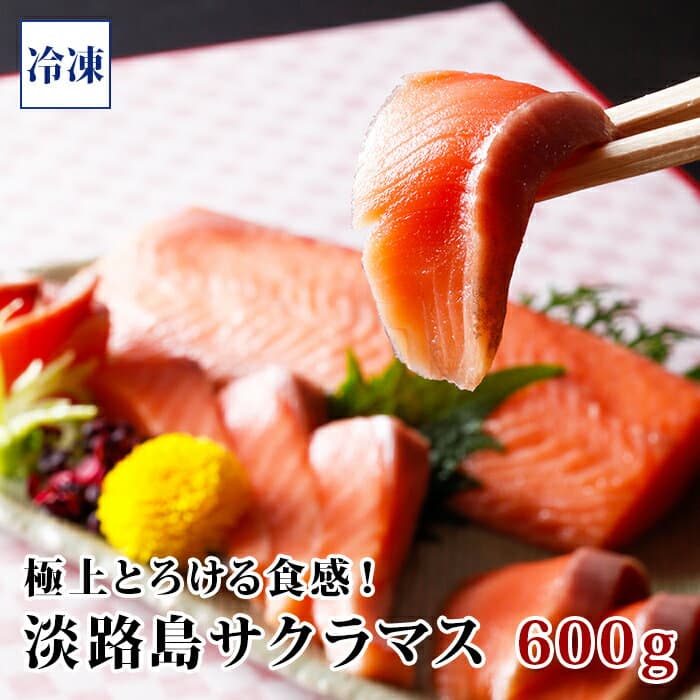
\楽天ランキング受賞/ 極上とろける食感!淡路島で育った【淡路島サクラマス/冷凍】600g(300g前後×2) 若男水産 お取り寄せグルメ お歳暮
600g (approx. 300g x 2 packs)淡路島 3年とらふぐ若男水産
4.8 / 4 reviews
Japanese name淡路島サクラマス
In Minamiawaji, Hyogo, cool early-spring water in Fukura Bay and the currents near the Naruto Strait shape a pale-pink masu salmon served from March through May.
Information last updated 119 days ago
3 images\楽天ランキング受賞/ 極上とろける食感!淡路島で育った【淡路島サクラマス/冷凍】600g(300g前後×2) 若男水産 お取り寄せグルメ お歳暮
600g (approx. 300g x 2 packs)淡路島 3年とらふぐ若男水産
4.8 / 4 reviews
 3 images
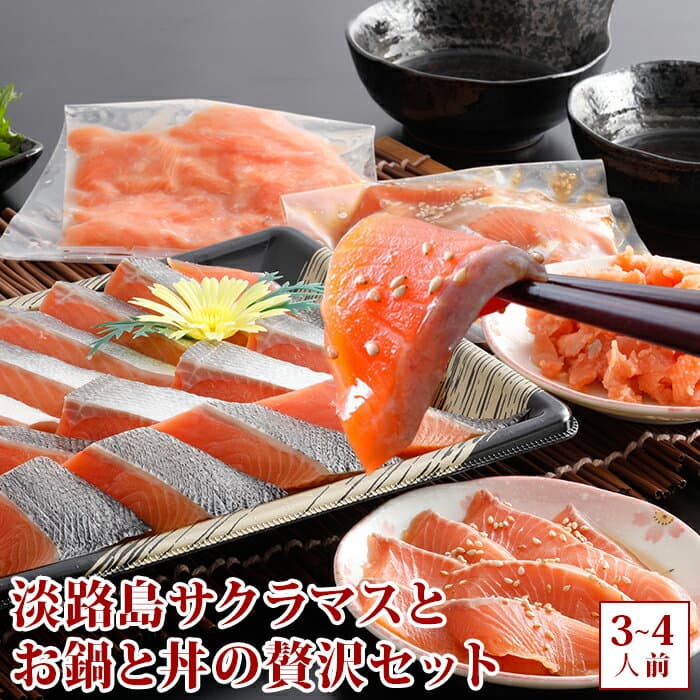
\楽天ランキング受賞/ 淡路島サクラマス お鍋と丼の贅沢セット(3〜4人前) サクラマス 若男水産
3-4 servings淡路島 3年とらふぐ若男水産
5.0 / 2 reviews
First time buying on Rakuten? How residents in Japan order →
Awajishima Sakura-masu begins in Fukura Bay in Minamiawaji. The bay sits on warm Awaji Island, yet its early-spring water stays cool, and the nearby Naruto Strait brings fast currents. In that setting, farmers raise masu salmon that reaches island tables from March to May with pale-pink flesh and a changing spring flavor.
Fukura Bay gives Awajishima Sakura-masu its place on the map. The farming area is in Minamiawaji, where early-spring seawater remains relatively cool despite the island’s mild climate. Fast currents around the Naruto Strait add another condition around the bay. For the farmers, those details are practical: water temperature, current, and cage position all shape the work of raising the fish.
Sakura-masu is tied to yamame. When yamame silver and move from river to sea, they grow into sakura-masu; Awajishima Sakura-masu is the spring fish raised in Fukura Bay. Its main season runs from March to May, and the pale-pink flesh is linked with the time when cherry blossoms appear.
The farming method is described through concrete adjustments rather than vague craft language. Farmers adjust feed and move cages according to the fish’s growth. In the newer Hyogo production chain, juveniles also pass through acclimation from freshwater to seawater, with careful handling of the silvering stage before the fish are finished in Fukura Bay.
Recent production links inland Hyogo with the Awaji coast. From 2024, the Hase Fisheries Cooperative in Kamikawa began intermediate rearing of juveniles, while the Fukura Fisheries Cooperative raised them to adult size in the bay. In March 2026, that two-year effort produced the first shipment of Awajishima Sakura-masu farmed through this Hyogo chain.
Awajishima Sakura-masu changes as spring moves forward. In early March, the fish is already over 1 kilogram, with a clean flavor and refined sweetness. By May, larger fish can exceed 2 kilograms, and the fat and sweetness become more pronounced. The season therefore has a month-by-month rhythm rather than one fixed taste.
On Awaji Island, the fish appears as rice bowls, hot pot, sashimi, seared dishes, pressed sushi, and other spring preparations. Minamiawaji menus pair it with Awaji rice, onions, and island vegetables; tourism-board menu examples also include rolls, fried dishes, marinated rice bowls, seared bowls, sashimi, and dishes using Awaji ingredients. The pale-pink flesh moves easily from raw slices to hot broth and vinegared rice.
Awajishima Sakura-masu is shaped by Fukura Bay’s cool early-spring water, the currents near the Naruto Strait, farmer decisions around cages and feed, and the newer Hyogo link between Kamikawa juveniles and Fukura Bay adults. From March to May, the fish grows heavier, its fat and sweetness shift, and its place on the island table becomes visible beside Awaji rice, onions, and spring vegetables.
Compiled from public records and official sources; see the recognition links below. Details may change over time.
Where this product is officially registered, designated, or recognized in Japan.
Regional collective trademark
Registered as a Regional Collective Trademark with the Japan Patent Office.
Sources1
It is written as 淡路島サクラマス in Japanese. Search Rakuten and other Japanese sites with that spelling — the English name will not bring up the listings.
Awaji cherry salmon (Awajishima Sakura-masu) is a spring farmed masu salmon raised in Fukura Bay, Minamiawaji, Hyogo Prefecture, mainly from March to May. It comes from yamame trout that silver and migrate from river to sea, growing in the ocean. Fukura Bay's cool early-spring water and fast currents near the Naruto Strait suit this farming, and producers continue to refine their methods.
Farming work includes feed adjustment, moving cages according to growth, and acclimating juveniles from freshwater to seawater. From 2024, the Hase Fisheries Cooperative in Kamikawa handled intermediate juvenile rearing while the Fukura Fisheries Cooperative raised the adults, and the first shipment from this Hyogo chain occurred in March 2026. In early March the fish weighs over 1 kilogram, and by May larger fish can exceed 2 kilograms, with fat and sweetness changing month by month. Island preparations include rice bowls, hot pot, sashimi, seared dishes, pressed sushi, rolls, fried dishes, and meals using Awaji ingredients.
The farmed fish can be eaten raw, and island menus include sashimi, seared rice bowls (aburi-don), and soy-marinated rice bowls (zuke-don). Common dishes are rice bowls and hot pot, often paired with Awaji-grown vegetables, rice, onions, shirasu (whitebait), sawara (Spanish mackerel), and rapeseed blossoms. Souvenir and takeout forms include fillets, pressed sushi, nuggets, and canned products.
Storage varies by product — shelf-stable, refrigerated, or frozen — and is stated on the packaging and the Rakuten listing. Shelf-stable processed foods usually need refrigerating once opened and eating within a few days; chilled and frozen items go straight into storage on arrival. Treat the best-before date on the physical packaging as authoritative.
Most options are shelf-stable, boxed, and travel well, so they suit gifting or bringing home. Confirm the final storage and delivery terms on the Rakuten listing.
On Rakuten: the shops listed here right now are 淡路島 3年とらふぐ若男水産. We don't sell directly; purchase, payment, stock, and delivery are all handled on the Rakuten product page.