 2 images
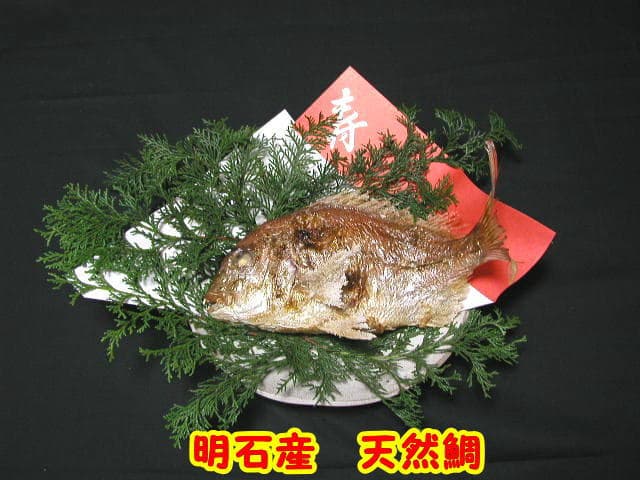
Uohide Grilled Wild Akashi Sea Bream
明石名産【魚秀の焼鯛】天然・明石鯛・生の時750g位
approx. 750g raw明石・魚の棚・焼鯛の魚秀
4.9 / 37 reviews
Japanese name明石鯛
Fast tides, kaifu basins, the Kanose sand ground, shrimp and crab feeding areas, and live-fish handling at Akashi-ura shape the firm flesh and clear umami of Akashi-dai.
Information last updated 120 days ago
2 images明石名産【魚秀の焼鯛】天然・明石鯛・生の時750g位
approx. 750g raw明石・魚の棚・焼鯛の魚秀
4.9 / 37 reviews
 3 images
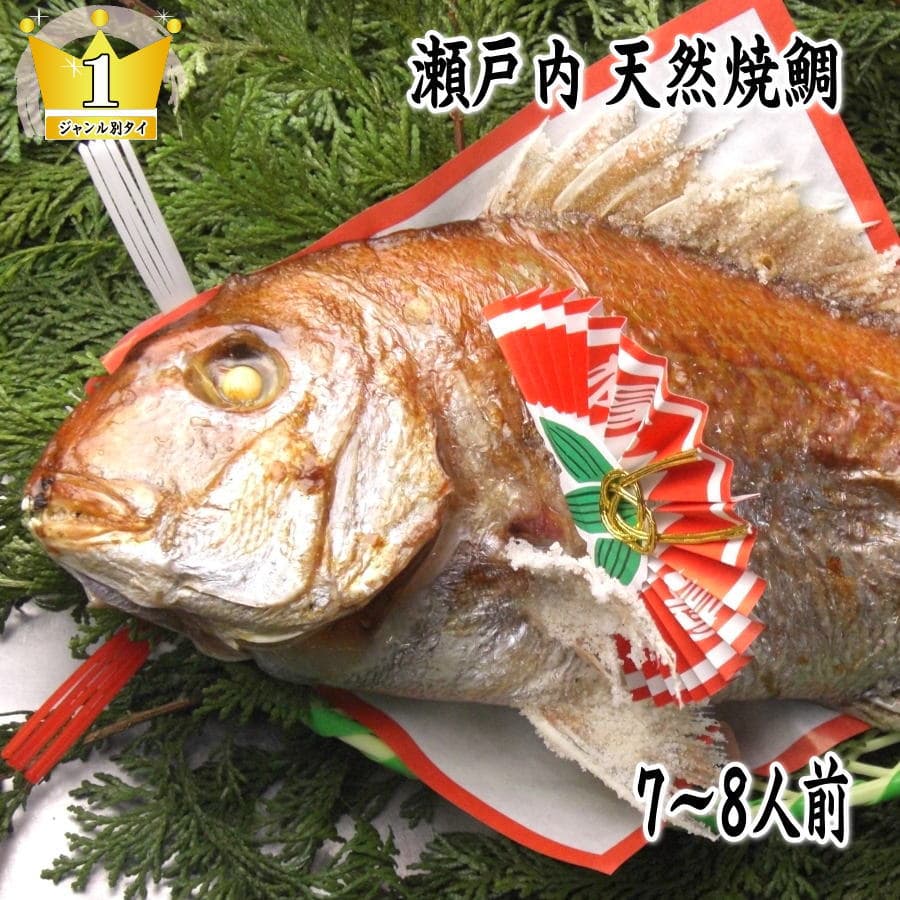
【お食い初め 鯛】【送料無料!】【焼鯛】1.5kgアップお食い初め お祝い用【祝い飾り付き】 天然焼き鯛 祝鯛 炭火焼 淡路島・明石鯛を心を込めて焼き上げます。おくいぞめ、にらみだいにも最適な【鯛の塩焼き】天然焼鯛 【祝鯛】【尾頭付き鯛】御七夜
1.5 kg+ with celebratory decorationなにわ くいだおれ本舗 千林江山
4.7 / 44 reviews
2 images明石名産【魚秀の焼鯛】天然・明石鯛・生の時1.0kg位
approx. 1.0kg before grilling明石・魚の棚・焼鯛の魚秀
5.0 / 20 reviews
First time buying on Rakuten? How residents in Japan order →
Akashi-dai is madai landed around Akashi in Hyogo Prefecture, especially from the Akashi Strait and the waters off Akashi. The strait runs between Akashi City and Awaji Island, where fast, complex currents bring nutrients upward and sustain shrimp, crab, shellfish, and ikanago. The bream swim through that water, building firm flesh; after landing, Akashi-ura keeps many fish alive and uses low-stress holding, ikejime, and nerve removal to carry freshness into sashimi, sushi, and ryotei dishes.
Akashi-dai begins with a clear stretch of water: the Akashi Strait in front of Akashi City and the nearby waters off Akashi. The name refers to madai landed around Akashi, rather than sea bream in general. From the strait, the fish move through Akashi Port and Akashi-ura market, then into sashimi, sushi, and restaurant dishes where texture and freshness become part of the meal.
The Akashi Strait is known for swift currents and a special flow called Iyanichi, which lifts nutrients from deeper water toward the surface. Around the strait, the seafloor includes kaifu basins, deep hollows near Akashi and Awaji, and the Kanose sand ground. Fishers choose grounds by weather, from shallow five-to-seven-meter water to deeper places where nets may reach sixty to seventy meters. Akashi-dai lives in a field of depth, sand, tide, and feeding opportunity.
The feeding grounds for Akashi-dai include shrimp, crab, other crustaceans, shellfish, and ikanago. As the fish feed there and swim against fast currents, the flesh becomes tight and carries pronounced umami. In autumn, before winter, some Akashi-dai eat heavily on shrimp and crab, gain fat, and take on a deeper red color; they are called momiji-dai, a seasonal name grounded in feeding, fat, and appearance.
At the Akashi-ura fish market, many fish are traded alive, with flowing seawater pools and blue baskets holding madai, shrimp, squid, and other catch before auction. After landing, the handling aims to reduce stress: fish are kept carefully, then treated with ikejime and nerve removal to slow the loss of freshness. These steps matter at the cutting board, where the fish is expected to keep elasticity, clean aroma, and a clear taste.
Akashi-dai landed in spring is called sakura-dai because its pale pink body recalls cherry blossoms, and it is used for celebratory meals. The fish may also show blue markings above the eyes and blue spots across a pale pink body. Autumn momiji-dai reflects another condition: fish feeding on shrimp and crab before winter, carrying more fat and a stronger red tone. Sashimi and sushi show these seasonal differences directly, while ryotei kitchens use the fish in prepared dishes that rely on freshness and texture.
The continuity of Akashi-dai rests on practical work: fishers choose grounds according to weather and depth, the Akashi-ura market trades much of its catch alive, handlers keep the fish with low stress and skilled ikejime, and cooks serve it as sashimi, sushi, and refined restaurant dishes. A regional trademark also keeps the name centered on sea bream from the Akashi Strait and off Akashi, linking the water, Akashi-ura Fisheries Cooperative, handling, and long restaurant use.
Akashi-dai is local in concrete ways: the swift water between Akashi and Awaji Island, the kaifu basins and Kanose sand ground, the shrimp, crab, shellfish, and ikanago in the feeding area, and the live-fish handling at Akashi-ura. Spring sakura-dai and autumn momiji-dai show how one fish changes with season, color, fat, and texture. Its character comes from the strait and from the hands that keep the catch alive, calm, and ready for the kitchen.
Compiled from public records and official sources; see the recognition links below. Details may change over time.
Where this product is officially registered, designated, or recognized in Japan.
Regional collective trademark
Registered as a Regional Collective Trademark with the Japan Patent Office.
Sources1
It is written as 明石鯛 in Japanese. Search Rakuten and other Japanese sites with that spelling — the English name will not bring up the listings.
Akashi-dai is madai landed around Akashi in Hyogo Prefecture, especially from the Akashi Strait and waters off Akashi. Fast, complex currents between Akashi City and Awaji Island lift nutrients and support shrimp, crab, shellfish, and ikanago; the bream swim through those currents, giving the flesh a firm texture and clear umami. At Akashi-ura, many fish are traded alive and handled with low-stress holding, ikejime, and nerve removal. Spring fish are called sakura-dai, while autumn fish that feed heavily before winter are called momiji-dai.
Akashi-dai means madai landed around Akashi, Hyogo, with the name centered on sea bream from the Akashi Strait and off Akashi. The Akashi Strait lies between Akashi City and Awaji Island, where fast, complex tides bring nutrients upward. The Akashi Strait area includes kaifu basins, deep hollows, and the Kanose sand ground, and fishers choose fishing grounds according to weather and depth. The feeding grounds for Akashi-dai include shrimp, crab, other crustaceans, shellfish, and ikanago.
Akashi-dai is used for sashimi, sushi, ryotei dishes, and high-end restaurant cooking.
Storage varies by product — shelf-stable, refrigerated, or frozen — and is stated on the packaging and the Rakuten listing. Shelf-stable processed foods usually need refrigerating once opened and eating within a few days; chilled and frozen items go straight into storage on arrival. Treat the best-before date on the physical packaging as authoritative.
Most options are shelf-stable, boxed, and travel well, so they suit gifting or bringing home. Confirm the final storage and delivery terms on the Rakuten listing.
On Rakuten: the shops listed here right now are 明石・魚の棚・焼鯛の魚秀, なにわ くいだおれ本舗 千林江山. We don't sell directly; purchase, payment, stock, and delivery are all handled on the Rakuten product page.