 3 images
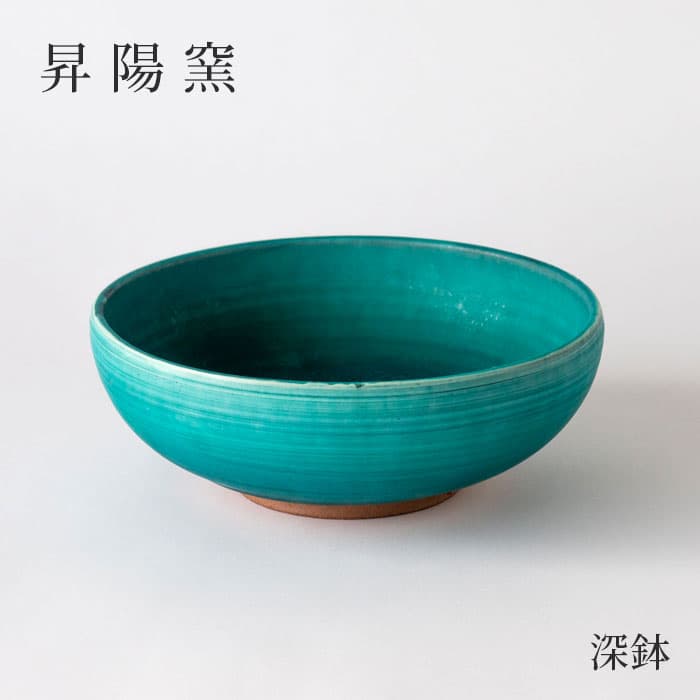
Tamba Ware Large Deep Bowl by Shoyo Kiln
深鉢 大 昇陽窯 ブルーグリーン 碧 栗茶 ブラウン 焼き物 丹波焼 国産 マット サラダ 陶器市 おしゃれ おもてなし お皿 敬老の日
blue-green / chestnut brownCRAFT STORE 楽天市場店
5.0 / 3 reviews
Japanese name丹波焼
In Tachikui, Imada, Tamba-Sasayama, hillside kilns, a left-turning kick wheel, and tea-brown clay surfaces connect storage jars, tea utensils, sake vessels, and tableware.
Information last updated 7 days ago
3 images深鉢 大 昇陽窯 ブルーグリーン 碧 栗茶 ブラウン 焼き物 丹波焼 国産 マット サラダ 陶器市 おしゃれ おもてなし お皿 敬老の日
blue-green / chestnut brownCRAFT STORE 楽天市場店
5.0 / 3 reviews
 3 images
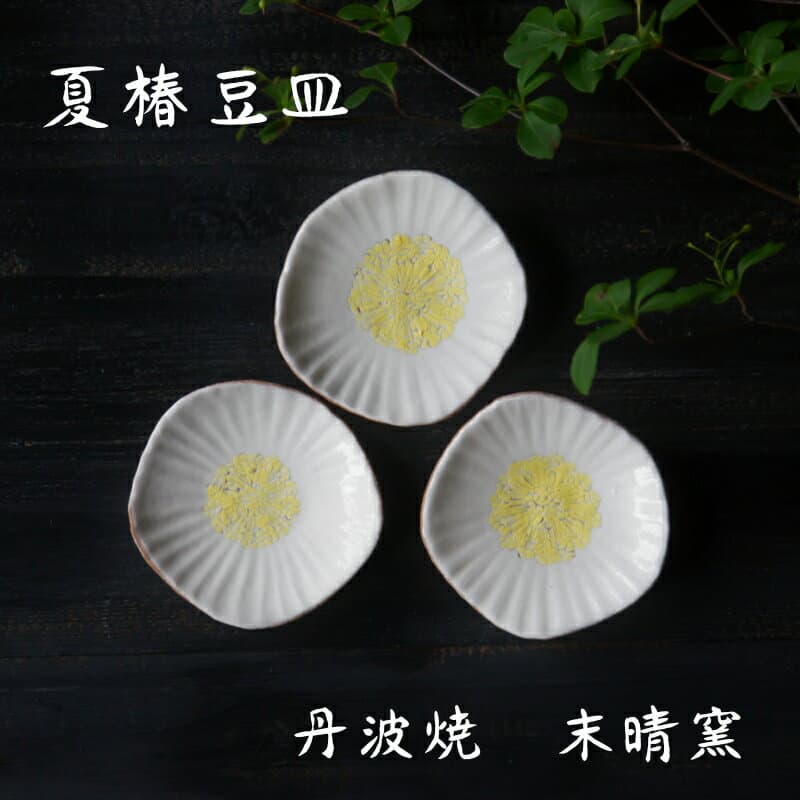
【丹波焼 豆皿 】末晴窯 西端春奈 作 夏椿 豆皿椿 ツバキ 小皿 立杭焼 ギフト プレゼント 御祝 陶器 和食器 お皿 父の日 母の日 お中元 敬老の日 お歳暮 お祝い 内祝 結婚祝い 出産祝 引越し【楽ギフ_包装】【楽ギフ_のし宛書】
approx. 9.5 x 9.5 x 1.5 cmwaitea.kobe
5.0 / 2 reviews
 3 images
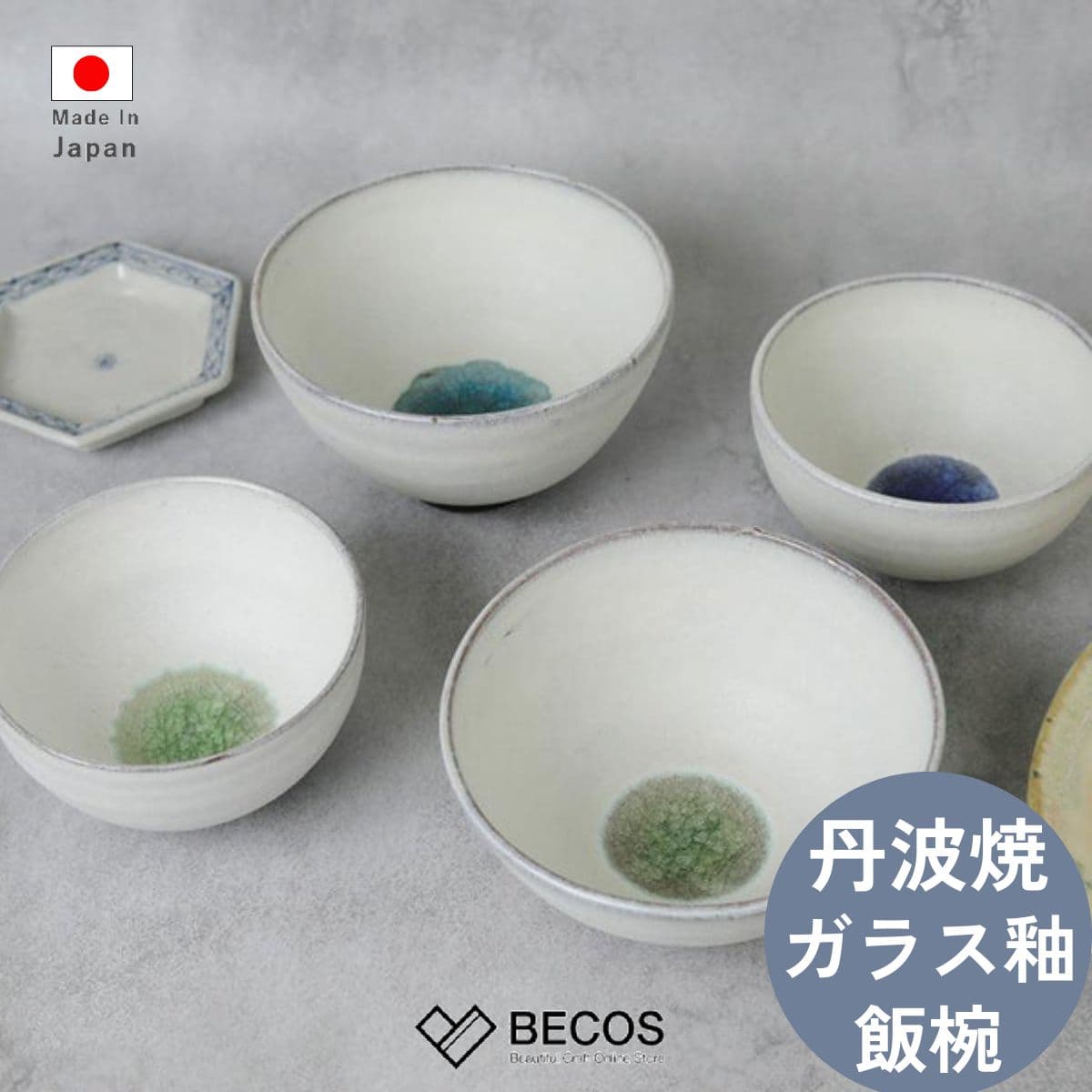
【食洗機対応】丹波焼 ガラス釉 飯椀 和食器 ギフト おしゃれ 高級 | 10cm 12cm ホワイト 陶器 | 日本製 国産 職人 信水窯 | 海外 手土産 モダン ご飯茶わん 小丼 サラダボウル デザートボウル 小鉢 | 結婚祝い 新築祝い 新居祝い 誕生日 還暦祝い 米寿 プレゼント
10 cm or 12 cm, whiteBECOS伝統工芸楽天市場店
5.0 / 1 reviews
 3 images
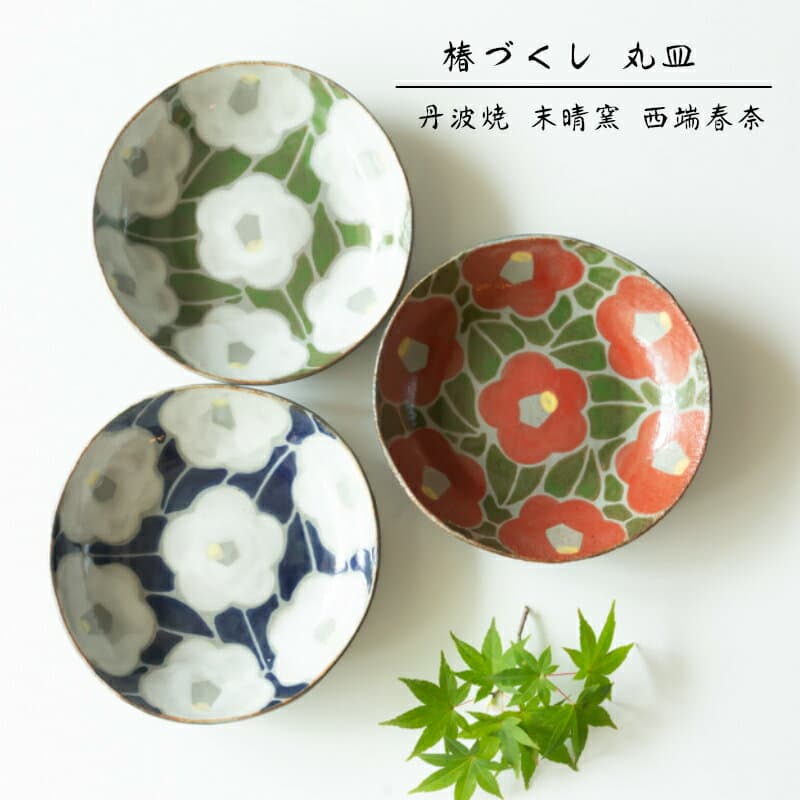
【丹波焼 丸皿】末晴窯 西端春奈 作 椿づくし 丸皿立杭焼 ギフト プレゼント 御祝 中皿 デザート 煮物 サラダ 陶器 和食器 丸皿 父の日 母の日 お中元 敬老の日 お歳暮 お祝い 内祝 結婚祝い 出産祝 引越し【楽ギフ_包装】【楽ギフ_のし宛書】
Approx. 17.5 x 17.5 x 2 cm; red, green, bluewaitea.kobe
5.0 / 1 reviews
 3 images
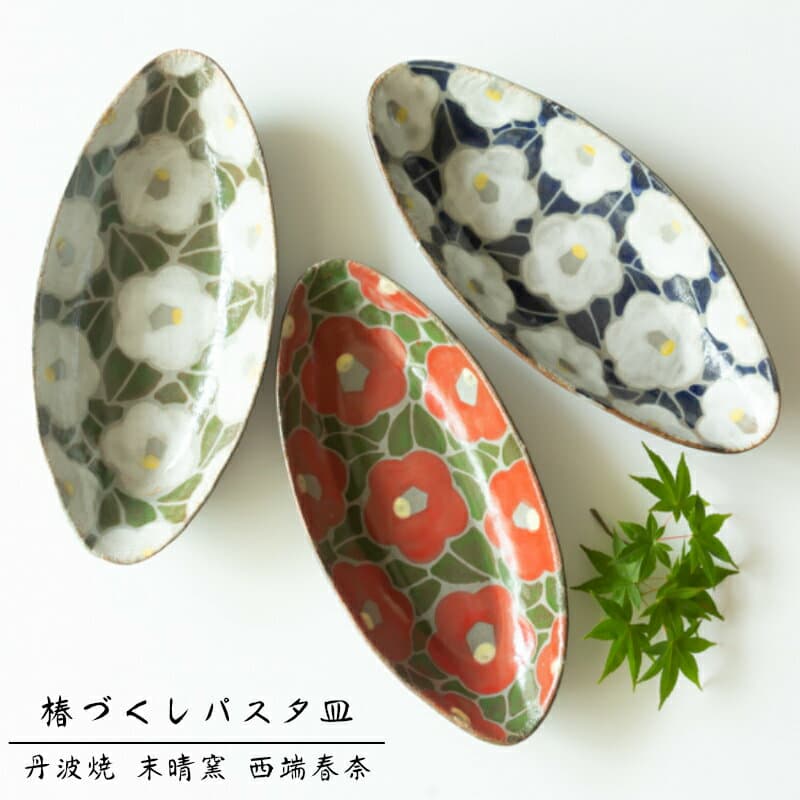
【丹波焼 楕円皿】末晴窯 西端春奈 作 椿づくし オーバルプレート パスタ カレー皿立杭焼 ギフト 御祝 大皿 シチュー カレー 陶器 和食器 丸皿 父の日 母の日 お中元 敬老の日 お歳暮 お祝い 内祝 結婚祝い 出産祝 引越し【楽ギフ_包装】【楽ギフ_のし宛書】
approx. 29 x 13.5 x 3.5 cmwaitea.kobe
5.0 / 3 reviews
 3 images
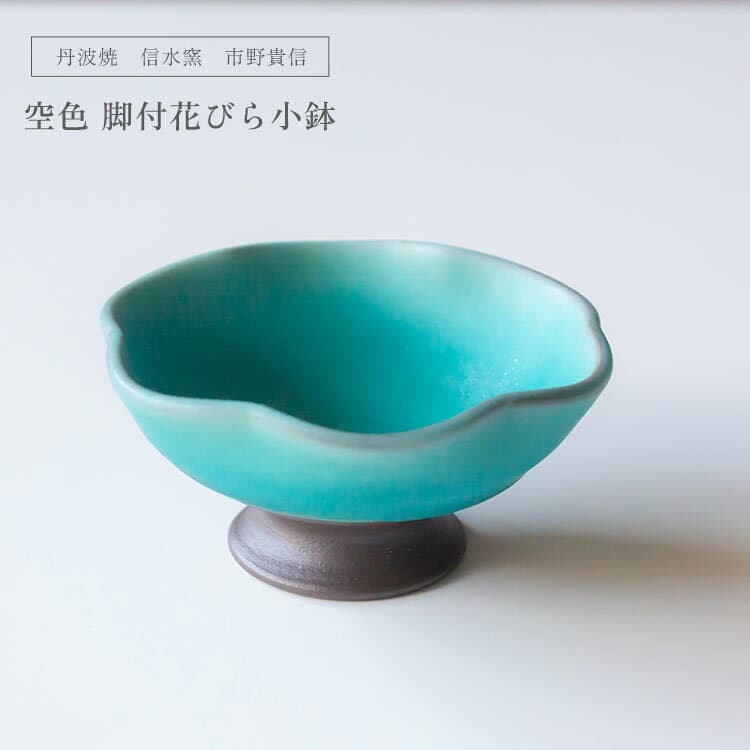
丹波焼 信水窯 市野貴信 空色 脚付花びら小鉢 デザートカップ フルーツ 副菜 プレゼント 御祝 陶器 和食器 お皿 父の日 母の日 お中元 敬老の日 お祝い 内祝 結婚祝い 出産祝 引越し【楽ギフ_包装】【楽ギフ_のし宛書】
approx. 10 x 9 x 5.2 cmwaitea.kobe
5.0 / 3 reviews
 3 images
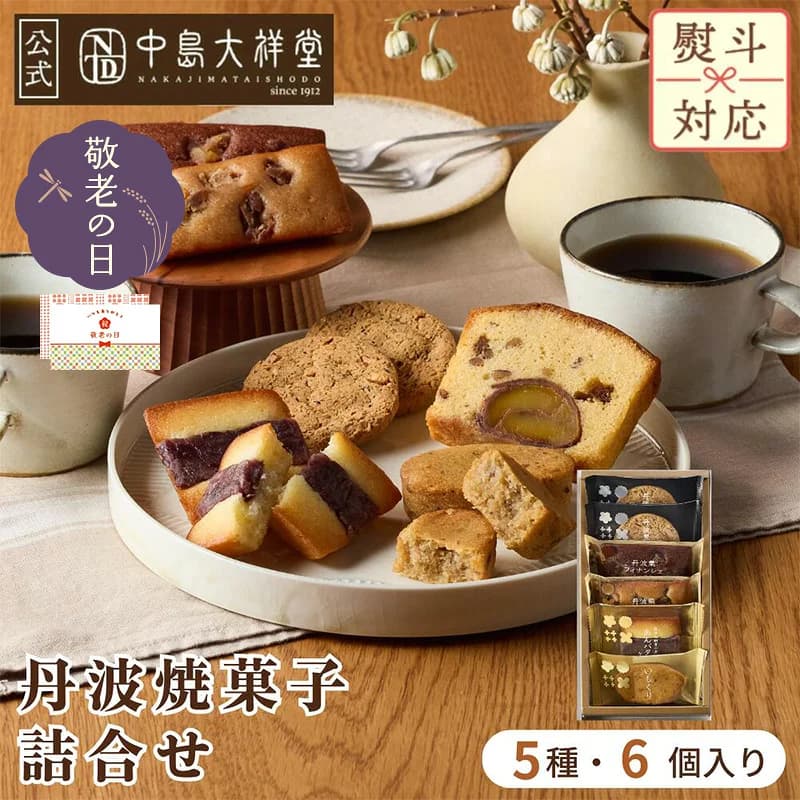
中島大祥堂 丹波焼菓子詰合せ 内祝い 焼き菓子 ギフト 6個 丹波 プレゼント 手土産 お礼 お返し 内祝 お土産 お菓子 丹波栗 栗 栗スイーツ 黒豆 大納言小豆 スイーツ 洋菓子
6 pieces中島大祥堂 楽天市場店
4.8 / 55 reviews
First time buying on Rakuten? How residents in Japan order →
All 7 listings of this product on Rakuten, lowest price first.
| Listing | Price | Shop | Reviews | Open listing |
|---|---|---|---|---|
Nakajima Taishodo Tanba Baked Sweets Assortment 6 piecesLowest priceMost reviewedGift-ready | ¥1,620 | 中島大祥堂 楽天市場店 | 4.8 / 55 reviews | View on Rakuten → |
Tamba Ware 末晴窯 西端春奈 Summer Camellia Small Plate approx. 9.5 x 9.5 x 1.5 cmGift-ready | ¥1,650 | waitea.kobe | 5.0 / 2 reviews | View on Rakuten → |
Tanba Ware Shinsui Kiln Ichino Takanobu Sky Blue Footed Petal Small Bowl approx. 10 x 9 x 5.2 cmGift-ready | ¥1,710 | waitea.kobe | 5.0 / 3 reviews | View on Rakuten → |
Tanba Ware Glass-Glazed Rice Bowl 10 cm or 12 cm, whiteGift-ready | ¥1,900 | BECOS伝統工芸楽天市場店 | 5.0 / 1 reviews | View on Rakuten → |
Tanba Ware Sueharu Kiln Haruna Nishibata Tsubaki-zukushi Medium Round Plate Approx. 17.5 x 17.5 x 2 cm; red, green, blueGift-ready | ¥3,300 | waitea.kobe | 5.0 / 1 reviews | View on Rakuten → |
Tamba Ware Sueharu Kiln Haruna Nishihata Camellia Oval Plate approx. 29 x 13.5 x 3.5 cmGift-ready | ¥3,850 | waitea.kobe | 5.0 / 3 reviews | View on Rakuten → |
Tamba Ware Large Deep Bowl by Shoyo Kiln blue-green / chestnut brown | ¥5,280 | CRAFT STORE 楽天市場店 | 5.0 / 3 reviews | View on Rakuten → |
Japanese · new tab
Tamba ware is rooted in Tachikui, Imada, in Tamba-Sasayama, Hyogo, near the southwestern edge of old Tamba where Harima and Settsu come close. Around the kiln village, counts vary from about fifty workshop kilns to roughly sixty kilns, and the cooperative works from Tachikui Sue no Sato to support clay supply, displays, pottery classes, events, and maker training. The craft’s continuity is concrete: hillside kilns, a left-turning kick wheel, tea-brown clay surfaces, and vessel forms that move from water jars and oil jars to tea utensils, sake bottles, bowls, and tableware.
Tachikui sits in the Tamba area of east-central Hyogo, within today’s Imada, Tamba-Sasayama. The cooperative base at Tamba Traditional Craft Park Tachikui Sue no Sato ties the place to clay preparation, product displays, pottery classes, events, and the everyday work of nearby kilns.
Two names often appear together: Tamba ware and Tamba Tachikui ware. Tamba ware gives the broader family name, while Tamba Tachikui ware places the kiln village directly in the name; in February 1978, the latter name received national traditional-craft designation. In reader terms, that status points back to concrete boundaries: kilns in the Tamba-Sasayama and Sanda district, shared clay work, inherited forming and firing skills, and the people who keep workshops active around Tachikui.
The beginnings of Tamba ware are placed from the late Heian period to the early Kamakura period. At the Sambontoge north kiln site in Imada, excavated old Tamba pieces, jars, and pots give the early period a material anchor in a named kiln site rather than a loose date range.
During the anagama period from the Kamakura through Muromachi centuries, kilns used mountain slopes for firing. Large coil-built vessels such as water jars, oil jars, seed jars, pots, and storage jars shaped the early production, tying the ware to storage, transport, and household use before later table and tea forms expanded the range.
After the early Edo period, Tamba ware shifted toward semi-aboveground climbing kilns built on slopes. A climbing kiln links several firing chambers along an incline, and the flame moves upward from the firebox through the connected chambers; compared with an anagama, this structure improves the passage of heat, shortens firing time to about one third, and suits larger batches.
The wider use of climbing kilns and kick wheels helped extend the product range beyond large jars. Pepper jars, tea utensils, and sake bottles appear in the later history, showing how a change in fire path, chamber structure, and forming tools opened room for different sizes and uses.
One local technique is especially specific: Tachikui forming uses a left-turning kick wheel. The potter’s foot drives the wheel while the hands raise the clay, and the rotation direction marks the making process as a Tachikui practice rather than a generic wheel description.
The present range includes tea utensils, bowls, tableware, flower vases, and decorative pieces. These forms let the wheel’s movement enter daily settings: a tea bowl meets the hand, a serving bowl meets food, a vase carries flowers indoors, and decorative pieces keep the clay and glaze visible beyond the dining table.
Tamba ware is often associated with tea-brown clay surfaces and a plain texture, yet the family also includes named surface techniques such as flowing glaze, nail carving, leaf patterns, stamped flowers, tube drawing, and marbling. A viewer can begin with the clay color, then look for glaze running down the wall, carved marks, pressed flowers, or leaf-shaped traces on the vessel.
Recent works also use colorful styles, so the ware should not be reduced to one fixed look. A more accurate reading stays with the material and process range: local clay work, wheel forming, climbing-kiln knowledge, other firing methods used today, and surface details that can be read by eye and hand.
The Hyogo Ceramic Art Museum holds 657 Tamba ware items: 522 collected pieces and 135 excavated pieces from old kiln sites. The collected materials center on everyday miscellaneous wares from the Muromachi to Meiji periods, keeping jars, pots, and household vessels visible as physical objects.
Later production followed changing use. The Meiji period brought one-sho sake bottles, the Taisho period brought medium-sized sake bottles, the early Showa period brought flowerpots, and after the war, jars, storage vessels, and bowls increased as everyday goods. Today the cooperative’s shared clay production, clay supply, displays, pottery classes, events, and successor training keep that practical vessel lineage connected to workshops around Tachikui.
Tamba ware is easiest to understand through concrete things in Imada: hillside anagama, slope-built climbing kilns, a left-turning kick wheel, tea-brown clay surfaces, flowing glaze, leaf patterns, water jars, sake bottles, tea utensils, bowls, and tableware. With clay prepared through the cooperative and workshops continuing around Tachikui, the kiln village carries its long craft life through hands, fire, and vessels that still belong to daily rooms and tables.
Compiled from public records and official sources; see the recognition links below. Details may change over time.
Where this product is officially registered, designated, or recognized in Japan.
Regional collective trademark
Registered as a Regional Collective Trademark with the Japan Patent Office.
Sources1
It is written as 丹波焼 in Japanese. Search Rakuten and other Japanese sites with that spelling — the English name will not bring up the listings.
Tamba ware is a pottery tradition centered on Tachikui, Imada, in Tamba-Sasayama, Hyogo, tied to the name Tamba Tachikui ware. Its origins trace to the late Heian through early Kamakura period, when large coil-built jars were fired in hillside anagama kilns. After the early Edo period, semi-aboveground climbing kilns and the local left-turning kick wheel broadened production to tea utensils, sake bottles, bowls, tableware, vases, and decorative pieces, alongside distinctive tea-brown, flowing-glaze surfaces.
Tamba ware is centered on Tachikui, Imada, Tamba-Sasayama, Hyogo, with cooperative activity based at Tachikui Sue no Sato. Old Tamba pieces, jars, and pots have been excavated at the Sambontoge north kiln site in Imada, supporting the late Heian to early Kamakura dating. Semi-aboveground climbing kilns connected multiple chambers on a slope, improved heat flow, and shortened firing time compared with anagama kilns, suiting larger batches. The Hyogo Ceramic Art Museum holds 657 Tamba ware items, including 522 collected pieces and 135 pieces excavated from old kiln sites.
Daily tableware and bowls remain common uses for Tamba ware. Tea utensils, sake bottles, and flower vases became common uses after kiln and wheel techniques expanded production. Early large jars such as water jars, oil jars, and seed jars were used for storage.
Porous earthenware is usually given a "medome" treatment first — simmer it gently in rice-rinsing water (or water with a little flour), then cool, rinse, and air-dry. This reduces staining and odour absorption. Porcelain normally just needs a wash. Follow the listing where it says otherwise.
Handmade earthenware, pieces with gold or silver overglaze, and lacquerware generally should not go in a dishwasher, microwave, or heated drying cabinet; heat-resistant porcelain usually can. Check the Rakuten listing for the specific piece.
Most options are shelf-stable, boxed, and travel well, so they suit gifting or bringing home. Confirm the final storage and delivery terms on the Rakuten listing.
On Rakuten: the shops listed here right now are CRAFT STORE 楽天市場店, waitea.kobe, BECOS伝統工芸楽天市場店, 中島大祥堂 楽天市場店. We don't sell directly; purchase, payment, stock, and delivery are all handled on the Rakuten product page.