 3 images
Kumamoto Local Goods Guide
熊本県
Kumamoto is indexed here as a practical buying guide for travelers and foreign residents in Japan. Start with packable gifts, then compare table goods, quiet luxuries, and crafted objects when you need a stronger sense of place.
11Local selections
What Kumamoto is known for
The 8 products below are what Kumamoto is known for, ordered by how strongly each is rooted in the prefecture — what it is, and why it comes from here.
Oguni CedarHome & living
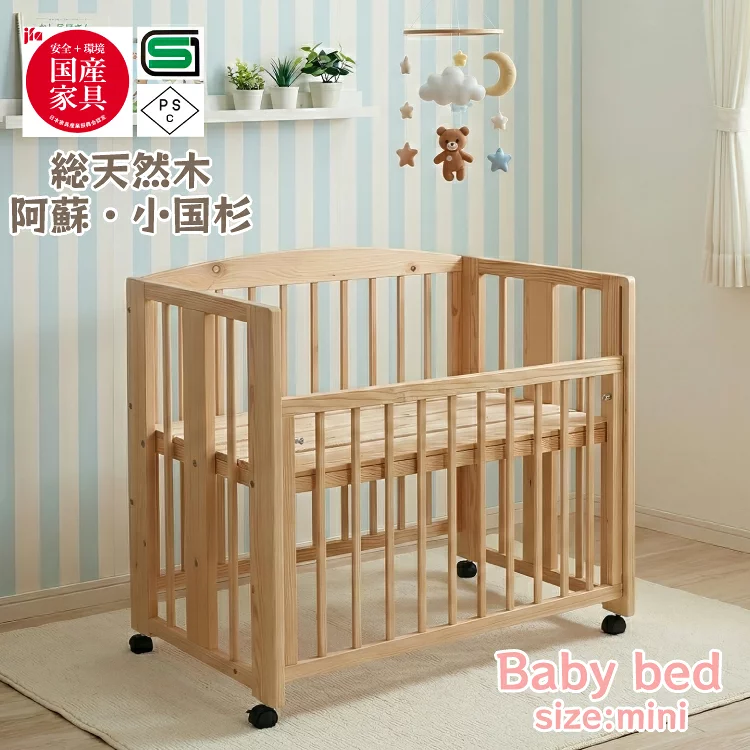
In northern Kumamoto's Oguni Town, families have raised cedar for about 270 years. The wood becomes pale pink boards, all-cedar plywood, and the 5,602-member truss roof of Oguni Dome.
Kuma shochuSake & spirits
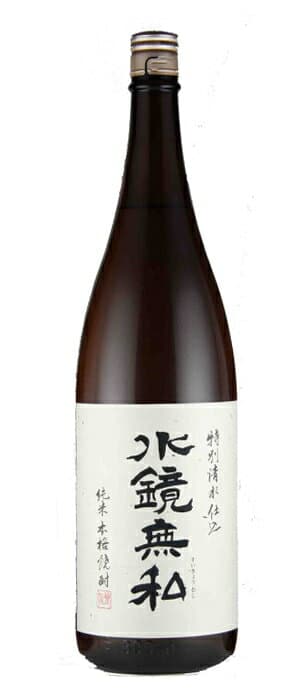
Southern Kumamoto’s Hitoyoshi-Kuma basin holds mountains, the Kuma River, rice fields, and clean water. Brewery work on that land gives Kuma shochu its local shape.
Kumamoto karashi renkonRegional foods
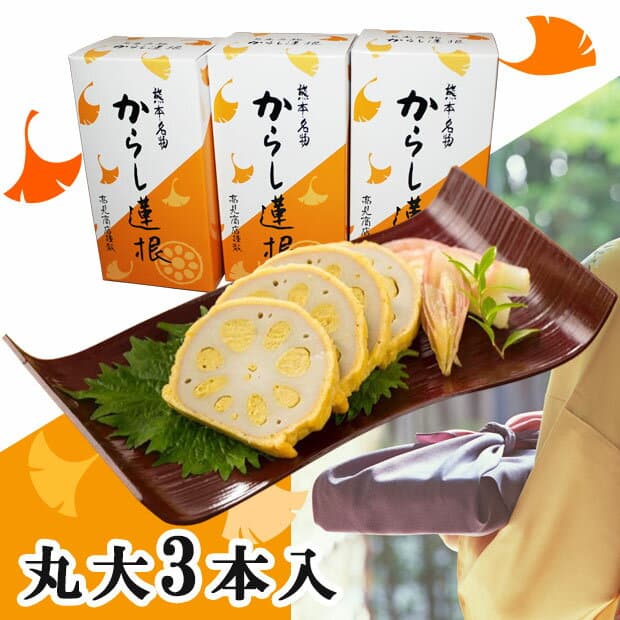
Lotus-root holes are filled with mustard miso, coated with flour and turmeric, and fried into a crisp Kumamoto food with a sharp aroma and a place in New Year osechi.
Higo zogan inlayCraft objects
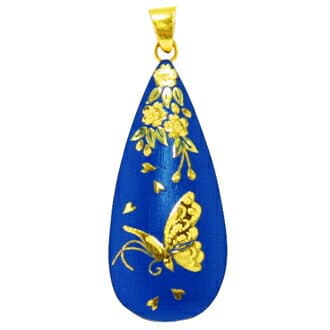
Higo inlay sets gold and silver into iron from Kumamoto City, Nankan Town, and Yamato Town; gun barrels, sword guards, chisel cuts, deer antler, rust, and tea all shape the dark surface.
Shodai wareTableware
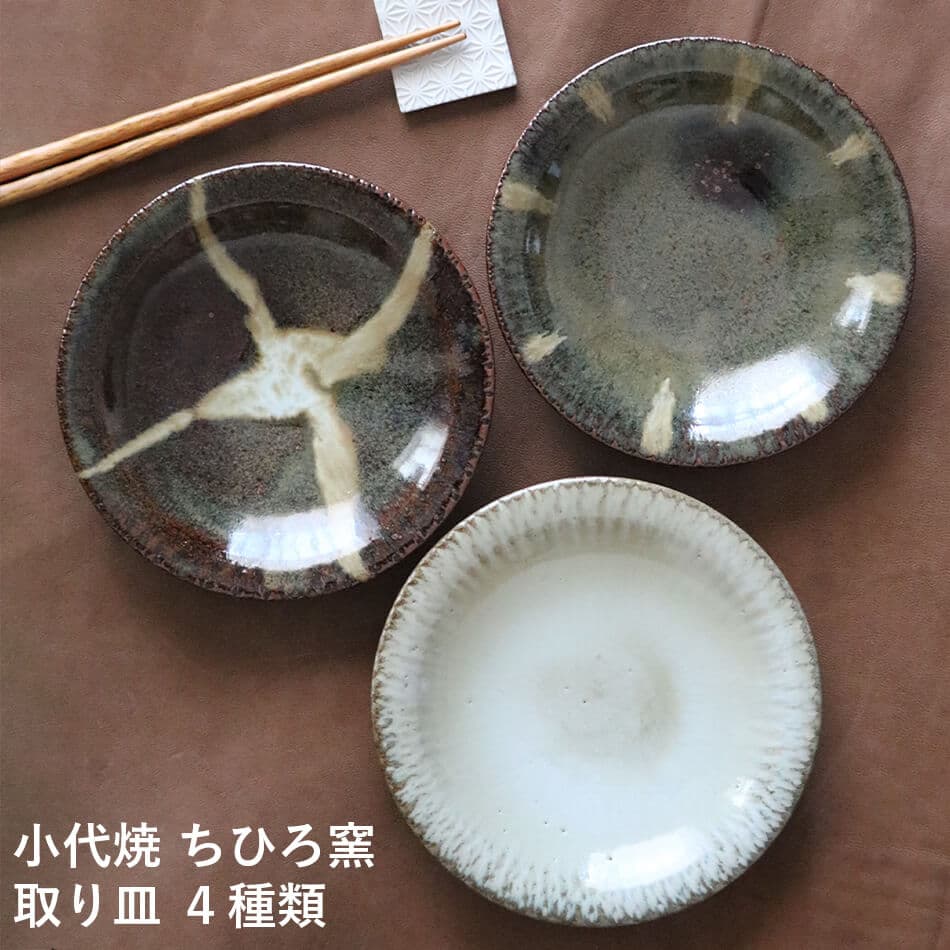
Around Mt. Shodai, iron-rich clay, straw ash, wood ash, feldspar, and high kiln heat shape a ceramic family that moves between tea utensils and everyday vessels.
Arao pearsRegional foods
In Arao City, Kumamoto, pear growing began in 1907. Niitaka, Hosui, and Akizuki carry an autumn shaped by large gift pears, early September harvests, growers, JA, schools, and harvest experiences.
Kuma ChestnutsRegional foods
Ringed by mountains deep in Kyushu, the Hitoyoshi-Kuma basin swings between warm days and cool nights. That spread, plus fertile soil, gives these chestnuts their sweetness — and from mid-August sorting to the mid-September peak, Tanzawa, Sugihikari, Tsukuba, Ginyose, and Rihei ripen in turn.
Kumamoto akaushi beefRegional foods
Kumamoto Akaushi is shaped by Japanese Brown cattle, Aso pastureland, at least 12 months of fattening, and a meat profile known for lean character, moderate marbling, tenderness, and umami.
Regional Gifts
Packable foods and gifts with clear regional character.


Table & Tea
Tea, drinks, foods, and table pieces shaped by local taste.
Daily Rituals
Home goods and textiles that turn everyday use into a local ritual.
Crafted Forms
Ceramics, lacquer, glass, woodwork, metalwork, folk craft, and their forms.
Sake & Spirits
Local sake, shochu, regional wine and craft spirits shaped by each prefecture. For ages 20+.
Kumamoto's specialties by category
How the same thing is made elsewhere, and what differs: the category overviews start here.
FAQ
What is Kumamoto known for?
Kumamoto (Kyushu) is represented here by specialties such as Oguni Cedar, Kuma shochu, Kumamoto karashi renkon — each verified against official registries and matched to Rakuten listings.
Are Kumamoto souvenirs good to bring home?
Items such as Kuma shochu, Kumamoto karashi renkon, and Higo zogan inlay usually travel well. For Oguni Cedar, it depends on the form or the quantity. Many countries restrict bringing in foods such as Arao pears, Kuma Chestnuts, and Kumamoto akaushi beef, so those are best enjoyed in Japan. Rules differ by destination, so check yours before you pack.
Are these products sold directly by this site?
No. This site curates Rakuten listings and may earn affiliate revenue from links to Rakuten.
How are products selected?
Listings are filtered for local relevance, product images, availability, and review strength.