 3 images
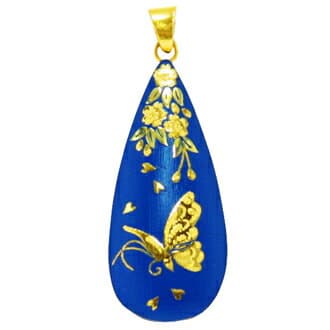
Higo Zogan Blue Lacquer Butterfly Pendant Necklace
ペンダント 蝶々 ブルー P-27 青漆 ネックレス 肥後象嵌 伝統工芸品 日本製 高級 ブランド 純金漆細工 24金 18金 アクセサリー 熊本 名産 お土産 伝統工芸 肥後象眼 肥後象がん 象嵌細工 Higo Zogan 海外向け 外国人 ゴールド お年寄り 高齢者 シニア 優れものA
Blue lacquer, P-27優れものA
5.0 / 2 reviews
Japanese name肥後象嵌
Higo inlay sets gold and silver into iron from Kumamoto City, Nankan Town, and Yamato Town; gun barrels, sword guards, chisel cuts, deer antler, rust, and tea all shape the dark surface.
Information last updated yesterday
3 imagesペンダント 蝶々 ブルー P-27 青漆 ネックレス 肥後象嵌 伝統工芸品 日本製 高級 ブランド 純金漆細工 24金 18金 アクセサリー 熊本 名産 お土産 伝統工芸 肥後象眼 肥後象がん 象嵌細工 Higo Zogan 海外向け 外国人 ゴールド お年寄り 高齢者 シニア 優れものA
Blue lacquer, P-27優れものA
5.0 / 2 reviews
 3 images
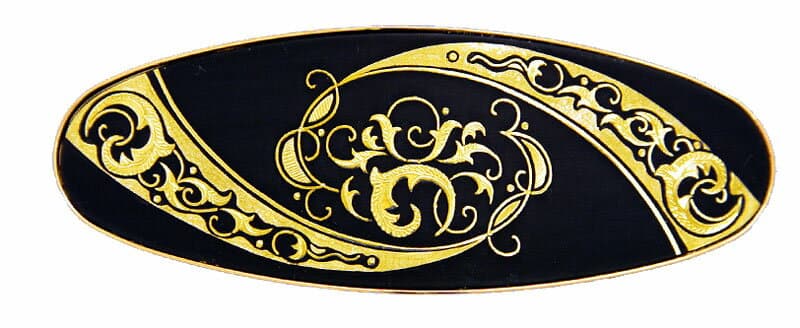
ヘアピン 唐草 純金 HP-02 髪留め ヘアアクセサリー 和柄 バレッタ 肥後象嵌 伝統工芸品 日本製 高級 ブランド 純金 金細工 24金 18金 アクセサリー 熊本 名産 お土産 伝統工芸 肥後象眼 肥後象がん 象嵌細工 Higo Zogan 海外向け 外国人 還暦祝い 優れものA
HP-02優れものA
5.0 / 2 reviews
 3 images
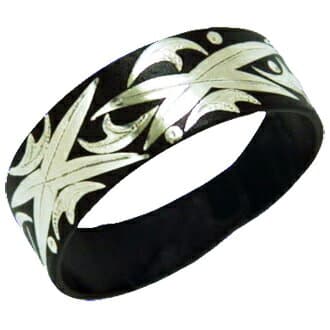
リング 唐草 純銀 U-02旧廃 指輪 フリーサイズ 肥後象嵌 伝統工芸品 日本製 高級 ブランド 純銀 銀細工 銀999 アクセサリー 熊本 名産 お土産 伝統工芸 肥後象眼 肥後象がん 象嵌細工 Higo Zogan 海外向け 外国人 シルバー 優れものA
free size優れものA
5.0 / 3 reviews
 3 images
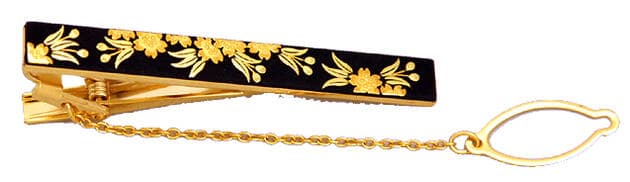
ネクタイピン 桜 N-04 ネクタイ止め 肥後象嵌 伝統工芸品 日本製 高級 ブランド 純金 金細工 24金 18金 アクセサリー 熊本 名産 お土産 伝統工芸 肥後象眼 肥後象がん 象嵌細工 Higo Zogan 海外向け 外国人 ゴールド お年寄り 高齢者 シニア 優れものA
Sakura N-04優れものA
4.9 / 18 reviews
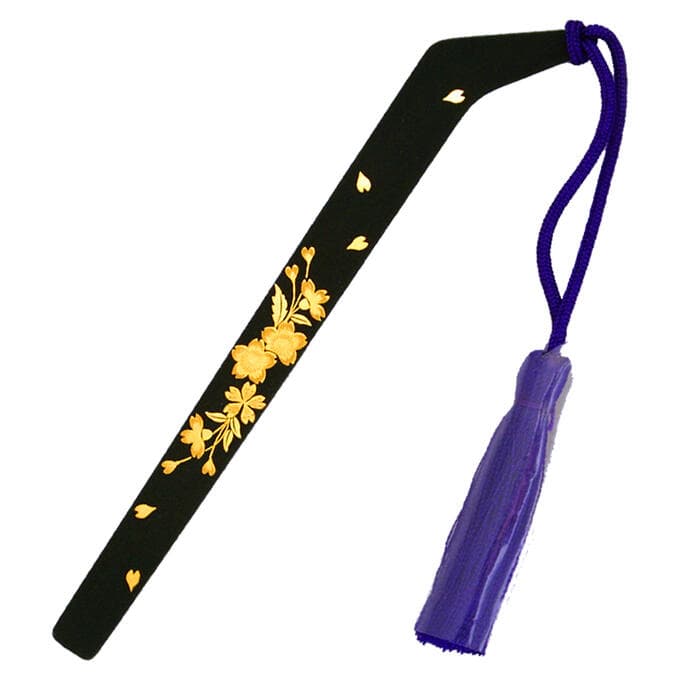 3 images
熊本地震復興 しおり 桜 SI-02 サクラ ブックマーカー 栞 ブックマーク 肥後象嵌 伝統工芸品 日本製 高級 ブランド 純金 金細工 金属 アクセサリー 熊本 名産 お土産 伝統工芸 肥後象眼 肥後象がん 象嵌細工 Higo Zogan 海外向け 外国人 ゴールド 読書 優れものA
SI-02 cherry blossom design優れものA
4.8 / 12 reviews
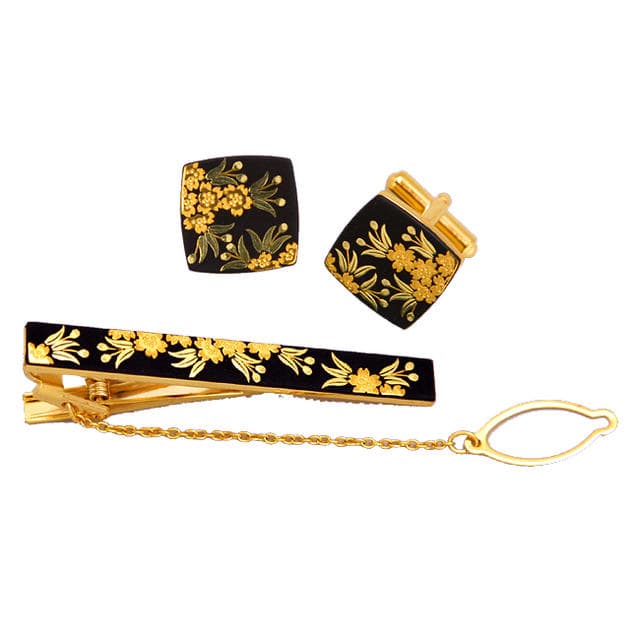 3 images
ネクタイピン カフス セット 桜 NK-04 肥後象嵌 伝統工芸品 日本製 高級 ブランド 純金 金細工 24金 18金 アクセサリー 熊本 名産 お土産 伝統工芸 肥後象眼 肥後象がん 象嵌細工 Higo Zogan 海外向け 外国人 ゴールド お年寄り 高齢者 シニア 優れものA
Sakura NK-04 set優れものA
5.0 / 5 reviews
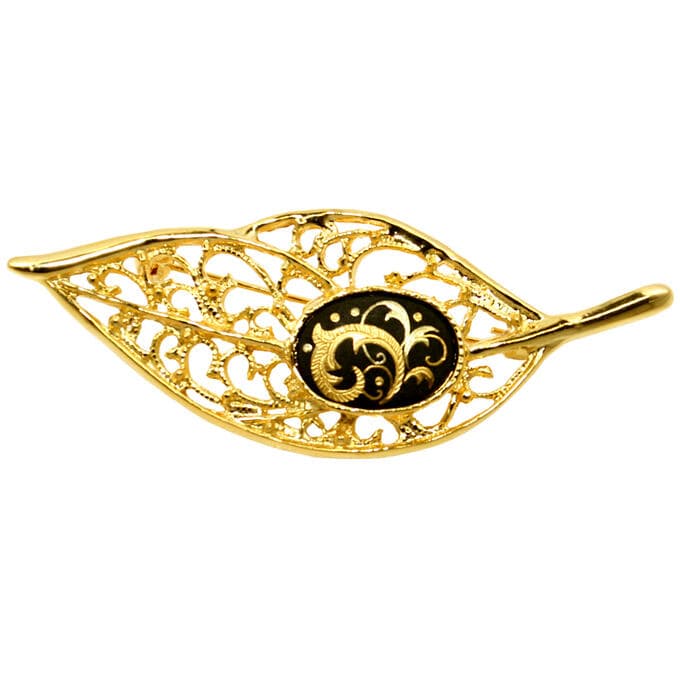 2 images
ブローチ 唐草 B-02 木の葉型 回転式造花ピン 肥後象嵌 伝統工芸品 日本製 高級 ブランド 純金 金細工 24金 18金 アクセサリー 熊本 名産 お土産 伝統工芸 肥後象眼 肥後象がん 象嵌細工 Higo Zogan 海外向け 外国人 ゴールド お年寄り 高齢者 シニア 還暦祝い 優れものA
B-02 leaf shape優れものA
5.0 / 2 reviews
First time buying on Rakuten? How residents in Japan order →
All 7 listings of this product on Rakuten, lowest price first.
| Listing | Price | Shop | Reviews | Open listing |
|---|---|---|---|---|
Higo Zogan Pure Silver Arabesque Ring free sizeLowest price | ¥13,200 | 優れものA | 5.0 / 3 reviews | View on Rakuten → |
Higo Zogan Damascene Tie Pin Sakura N-04Lowest priceMost reviewed | ¥13,200 | 優れものA | 4.9 / 18 reviews | View on Rakuten → |
Higo Zogan Arabesque Leaf Brooch B-02 leaf shapeLowest price | ¥13,200 | 優れものA | 5.0 / 2 reviews | View on Rakuten → |
Higo Zogan Gold Damascene Bookmark SI-02 cherry blossom design | ¥14,300 | 優れものA | 4.8 / 12 reviews | View on Rakuten → |
Higo Zogan Blue Lacquer Butterfly Pendant Necklace Blue lacquer, P-27 | ¥22,000 | 優れものA | 5.0 / 2 reviews | View on Rakuten → |
Higo Zogan Sakura NK-04 Tie Pin & Cufflinks Set Sakura NK-04 set | ¥30,800 | 優れものA | 5.0 / 5 reviews | View on Rakuten → |
Higo Zogan Pure Gold Arabesque Barrette HP-02 | ¥39,600 | 優れものA | 5.0 / 2 reviews | View on Rakuten → |
Japanese · new tab
On a Higo inlay surface, dark iron arrives first, then the gold and silver lines set into it. The work belongs to Kumamoto metalwork: an iron ground receives inlaid gold and silver, and the production map includes Kumamoto City, Nankan Town, and Yamato Town. Its beginning is traced to about 400 years ago, when gunsmiths decorated gun barrels and sword guards; later, the same handling of metal moved into pens, stationery, jewelry, pendants, earrings, tie pins, and other small objects.
Higo inlay begins with an iron ground prepared to hold a pattern. Gold and silver are set into small cuts, while some making also uses copper plates or wires. The finished surface draws the eye to the meeting of black iron and bright metal. Current objects include pens, stationery, jewelry, and other accessories, where a small usable surface still carries the mark of chisel work and inlaid metal.
The production areas named for Higo inlay are Kumamoto City, Nankan Town, and Yamato Town. In Shinmachi, Chuo-ku, Kumamoto City, Higo Zogan Mitsusuke offers an inlay experience, giving the technique a concrete address with iron, gold, silver, and tools close at hand. The place names keep the craft tied to specific parts of Kumamoto rather than to a broad regional label alone.
The opening chapter of Higo inlay is placed about 400 years ago in the early Edo period, when gunsmiths applied inlay to gun barrels and sword guards. Under Hosokawa Tadaoki, skilled makers worked on sword fittings, and Higo metalwork became highly regarded in Edo-period Japan. The early objects make the material story concrete: iron weapons, sword guards, gold and silver ornament, and precise metal handling.
When the Meiji sword-ban order reduced demand for sword fittings, Higo inlay moved toward ornaments and other objects. Pendants, earrings, tie pins, pens, stationery, and jewelry show how the technique left the older setting of gun barrels and sword guards and entered smaller items for wear or everyday use. The change is visible in the scale of the surface: a fine pattern now fits a hand, collar, ear, or writing tool.
The making process starts with polishing the iron and drawing the design. A chisel then cuts a cloth-like texture into the iron from four directions so the gold and silver can grip the surface. Nunome-zogan, the cloth-texture inlay technique, appears in many current works, while horikomi-zogan is also named as a Higo inlay technique. After the metal is placed, deer antler presses it into the cuts before hammering, cleanup, and fine engraving.
The black finish comes from controlled rust and tea. After rust is brought out on the iron, the piece is boiled in tea liquid; tannin reacts with the rust to form a black iron-rust film. Oil firing, brushing, and wiping follow. These steps give the gold and silver pattern a dark, settled ground rather than a bright bare-iron background.
In the Showa period and after, holders and makers helped train successors and pass on the technique. Shinmachi gives one present-day point of contact through an inlay experience, while the broader production names of Kumamoto City, Nankan Town, and Yamato Town keep the work attached to people and places. The craft’s continuity rests in repeated actions: polishing iron, cutting cloth-like marks, pressing metal with deer antler, and finishing the surface with rust and tea.
A finished Higo inlay piece holds several processes on one dark surface: polished iron, chisel-cut texture, gold and silver pressed in with deer antler, rust, tea, oil firing, brushing, and wiping. From gun barrels and sword guards to accessories and stationery, Higo inlay carries a precise metal technique through Kumamoto City, Nankan Town, and Yamato Town into small objects that can be held, worn, or used.
Compiled from public records and official sources; see the recognition links below. Details may change over time.
Where this product is officially registered, designated, or recognized in Japan.
Traditional craft
Designated a Traditional Craft (dentō kōgeihin) by Japan's Ministry of Economy, Trade and Industry.
Sources1
It is written as 肥後象嵌 in Japanese. Search Rakuten and other Japanese sites with that spelling — the English name will not bring up the listings.
Higo inlay is Kumamoto metalwork that sets gold and silver into an iron ground to form patterns on a black surface. Its production areas include Kumamoto City, Nankan Town, and Yamato Town, and its origins trace to gunsmith inlay on gun barrels and sword guards about 400 years ago. After Meiji-era demand for sword fittings declined, the technique moved into accessories, stationery, and jewelry, with the surface finished through chiseling, inlay, and blackening steps.
Hosokawa Tadaoki retained skilled makers for sword fittings, and Higo metalwork was highly regarded in Edo-period Japan. Current objects include pens, stationery, jewelry, accessories, pendants, earrings, and tie pins. The process includes polishing iron, drawing the design, cutting cloth-like marks with a chisel, setting gold and silver with deer antler, hammering, and engraving details. The black surface is made through controlled rust, tea boiling, oil firing, brushing, and wiping.
Higo Zogan Mitsusuke in Shinmachi, Chuo-ku, Kumamoto City offers a hands-on inlay experience for visitors and local residents.
Keep craft pieces out of direct sunlight, damp, and sharp temperature swings, and store them where they won't knock against anything. Wood, bamboo, lacquer, and paper don't tolerate water — wipe any moisture off immediately. Specific care notes are on the listing.
Most options are shelf-stable, boxed, and travel well, so they suit gifting or bringing home. Confirm the final storage and delivery terms on the Rakuten listing.
On Rakuten: the shops listed here right now are 優れものA. We don't sell directly; purchase, payment, stock, and delivery are all handled on the Rakuten product page.