 3 images
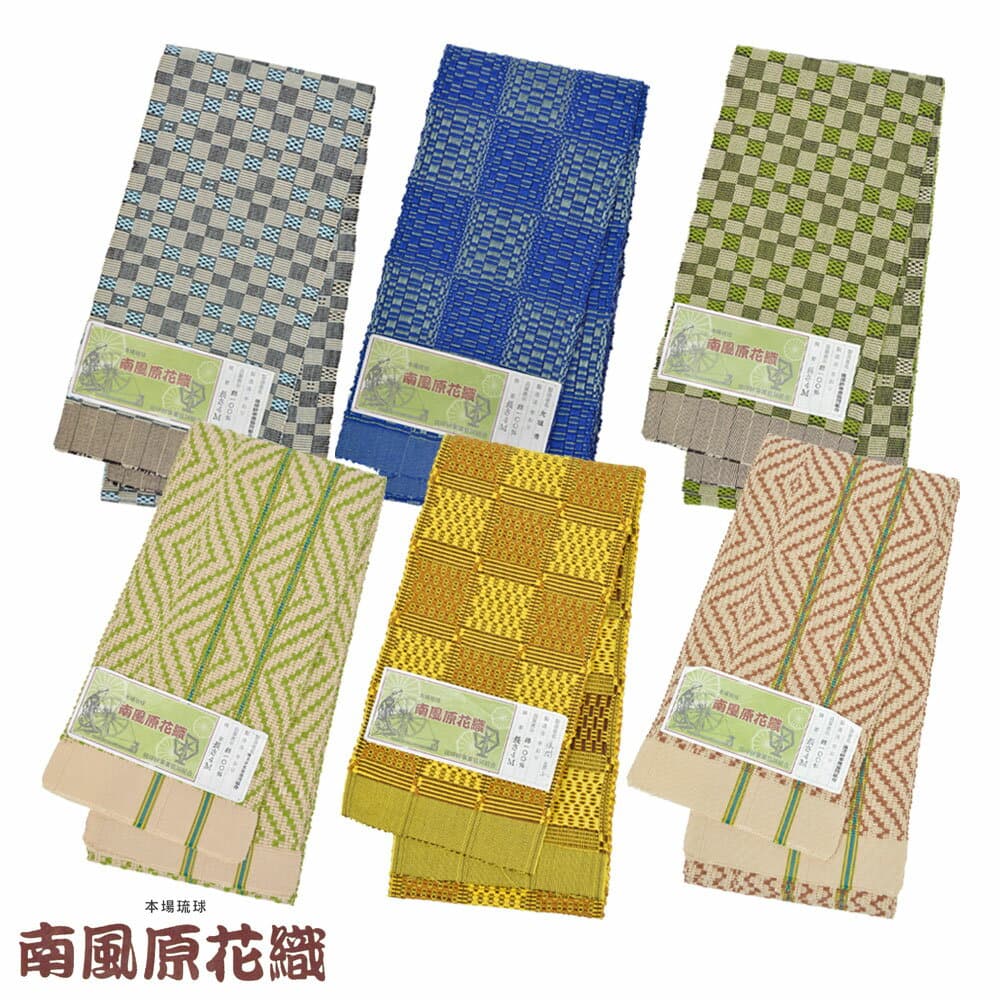
Authentic Ryukyu Haebaru Hanaori Cotton Hanhaba Obi
本場琉球 南風原花織 半幅帯 単衣 綿 手おり帯 半巾帯 普段きもの カジュアルきもの おしゃれきもの 女性用 レディース hanhabaobi-1
Assorted colors, 4 m lengthはいから。
Japanese name南風原花織
In Haebaru Town in southern Okinawa, Haebaru Hanaori lifts its motifs from the cloth through complex thread work, with Ryukyu indigo, fukugi, tekachi, and workshop streets around Kyan, Teruya, and Motobu shaping its character.
Information last updated 119 days ago
3 images本場琉球 南風原花織 半幅帯 単衣 綿 手おり帯 半巾帯 普段きもの カジュアルきもの おしゃれきもの 女性用 レディース hanhabaobi-1
Assorted colors, 4 m lengthはいから。
 3 images
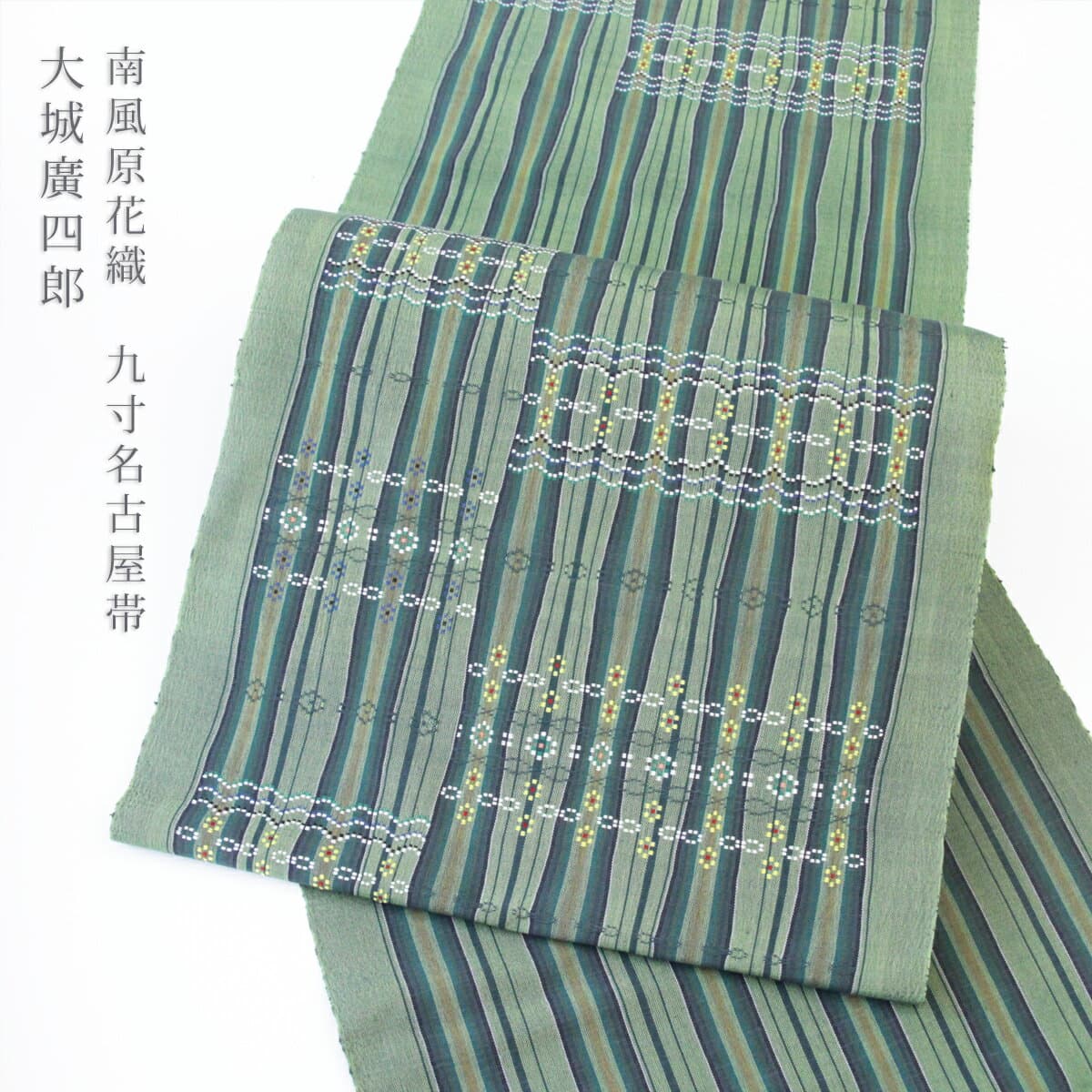
帯 単衣にも 沖縄の宝 南風原花織 手織り九寸名古屋帯 伝統工芸士 大城廣四郎 【商品番号9nobi1648】【あすかや】
unstitched, pine-needle greenあすかや
 3 images
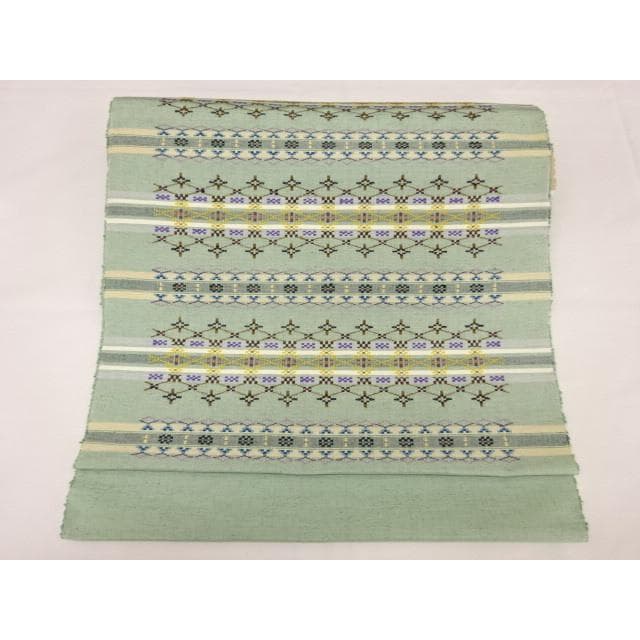
名古屋帯 南風原花織 本場琉球 手織工房おおしろ 手織り 琉球カラー なごや帯 生地 反物 帯地 未仕立て 正絹 シルク 絹100% 日本製 国産 紬訪問着 色無地 小紋 紬 つむぎ おしゃれ かわいい 仕立て 高級 上品 老舗 伝統 特価 逸品 技術 繊細
unsewn, light Ryukyu greenきもの 本多屋 楽天市場店
First time buying on Rakuten? How residents in Japan order →
Haebaru Hanaori belongs to Haebaru Town in Okinawa. Around Ryukyu Kasuri Hall, the Kyan, Teruya, and Motobu settlements are described as a textile area where workshops and craftspeople gather, with work scenes and loom sounds along the kasuri road. The cloth’s motifs can resemble embroidery at first glance, yet the relief is made by woven thread, and its color story includes Okinawan plant materials such as Ryukyu indigo, fukugi, and tekachi.
Haebaru Town, in southern Okinawa, is known as a production area for woven textiles including Ryukyu Kasuri and Haebaru Hanaori. Near Ryukyu Kasuri Hall, the Kyan, Teruya, and Motobu settlements form part of a walking route called the kasuri road. Many workshops and craftspeople are gathered there, so the textile is tied to a town, a hall, nearby settlements, working scenes, and the sound of looms.
The most immediate feature of Haebaru Hanaori is the raised pattern on the cloth. Complexly woven threads make the motif stand up from the ground cloth, creating fine relief that can be mistaken for embroidery. The floral impression comes from the woven structure itself, where thread placement gives the surface brightness and depth.
The vocabulary of the cloth keeps the production area close to the handwork. Yashirami Hanaori, Kuwaankuwaan weaving, and Tatchiri appear in descriptions of Haebaru Hanaori, while Chippugasaa and Kwan Kwan weaving are introduced as locally named methods. These names point to raised threads, floating yarns on the reverse side, floral thread effects, and repeated loom practice in Haebaru workshops.
The colors of Haebaru Hanaori are described through concrete dye materials. Plant dyes collected in Okinawa include Ryukyu indigo, fukugi, and tekachi, also explained as sharinbai. The dyeing account also names chemical dyes by fiber: acid dyes for silk, and vat, reactive, and direct dyes for cotton. The cloth carries a color practice shaped by island plants, fiber type, and dye selection.
The continuity of Haebaru Hanaori can be traced through family teaching in the Meiji period, the Haebaru Village Girls’ Supplementary School in 1914, and postwar weaving with gathered materials. The cooperative account describes signs of mothers passing hanaori techniques to daughters in the Meiji period. After the school opened in 1914, many village women learned hanaori and twill weaving; after the war, survivors collected available materials and resumed textile production. In this textile, continuity means specific people, a village school, collected materials, and the act of returning to the loom.
Ryukyu Kasuri Hall gives Haebaru Hanaori a present-day setting where visitors can learn about Ryukyu Kasuri and Haebaru Hanaori, see textiles and work scenes, and reserve a loom-weaving experience in advance. The cloth also appears in formats such as obi, kimono fabric, small goods, bags, pouches, and kariyushi wear. Those forms show how raised woven motifs move from bolts of cloth into objects that can be handled, worn, or used in daily life.
Haebaru Hanaori has been recognized through Okinawa prefectural craft, Haebaru Town intangible cultural property, and national traditional craft frameworks; that context belongs after the place and technique are understood. For readers, those boundaries point back to Haebaru Town as the main production area, the workshop community around Ryukyu Kasuri Hall, successor training by the cooperative, and continuing control of raised weaving and dye practice.
Haebaru Hanaori becomes clear through concrete details: Kyan, Teruya, and Motobu around Ryukyu Kasuri Hall; motifs lifted by woven thread; names such as Yashirami Hanaori and Chippugasaa; Ryukyu indigo, fukugi, and tekachi dyes; and a timeline that includes women’s textile education in 1914 and postwar production with gathered materials. Together, those details make the cloth a textile family shaped by place, thread, dye, and community learning in Okinawa.
Compiled from public records and official sources; see the recognition links below. Details may change over time.
Where this product is officially registered, designated, or recognized in Japan.
Traditional craft
Designated a Traditional Craft (dentō kōgeihin) by Japan's Ministry of Economy, Trade and Industry.
Sources1
It is written as 南風原花織 in Japanese. Search Rakuten and other Japanese sites with that spelling — the English name will not bring up the listings.
Haebaru Hanaori is a woven textile family from Haebaru Town in Okinawa. Its signature raised motifs are made by complex thread work, so the surface can resemble embroidery while remaining woven. The production setting is linked to Ryukyu Kasuri Hall and the Kyan, Teruya, and Motobu settlements; its dye materials include Okinawan Ryukyu indigo, fukugi, and tekachi. Its continuity is described through Meiji-era mother-to-daughter transmission, the 1914 Haebaru Village Girls' Supplementary School, and postwar weaving with gathered materials.
Haebaru Hanaori is associated with Haebaru Town in Okinawa, with workshops and craftspeople concentrated in the Kyan, Teruya, and Motobu area near Ryukyu Kasuri Hall. Named techniques connected to the textile include Yashirami Hanaori, Kuwaankuwaan weaving, Tatchiri, Chippugasaa, and Kwan Kwan weaving. Beyond Okinawan Ryukyu indigo, fukugi, and tekachi, chemical dyes are also selected according to fiber type. After the 1914 opening of Haebaru Village Girls' Supplementary School, many village women learned hanaori and twill weaving.
Ryukyu Kasuri and Haebaru Hanaori are used for obi, kimono fabric, and small goods such as bags, pouches, kariyushi wear, and business-card cases. Ryukyu Kasuri Hall has a sales corner offering bags and pouches made from these textiles. Visitors can reserve a paid loom-weaving experience at Ryukyu Kasuri Hall.
Naturally dyed textiles shed some colour on first wash. Hand-wash separately with a neutral detergent, avoid long soaking and bleach, and dry in the shade to prevent fading. Silk, ramie, and traditionally dyed pieces often need professional cleaning — the care label on the listing takes precedence.
Most options are shelf-stable, boxed, and travel well, so they suit gifting or bringing home. Confirm the final storage and delivery terms on the Rakuten listing.
On Rakuten: the shops listed here right now are はいから。, あすかや, きもの 本多屋 楽天市場店. We don't sell directly; purchase, payment, stock, and delivery are all handled on the Rakuten product page.