 3 images
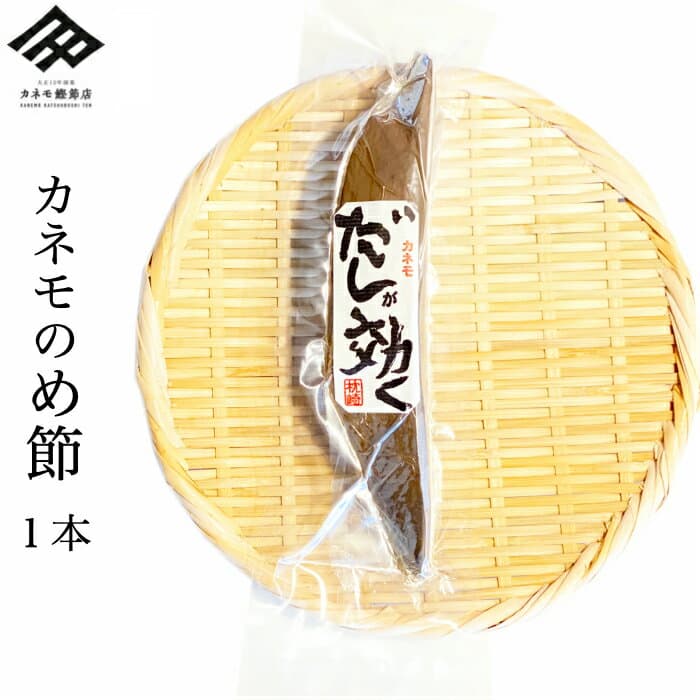
Makurazaki Katsuobushi Honkarebushi Bonito Block (Me-bushi)
鰹節 本枯れ節 雌節160g~180g ×1本 かつお節 かつおぶし 仕上節 本枯節 本節 腹節 女節 だし 出汁 削り器 削りたて 無添加 和食 お得 だしが効く 鹿児島 枕崎鰹節 国産 贈り物 送料無料 数量限定【深いコクと濃厚な旨みが特徴 】【職人の顔が見える鰹節】
160-180g x 1 blockカネモ鰹節店
5.0 / 8 reviews
Japanese name枕崎鰹節
At the southern end of the Satsuma Peninsula, Makurazaki turns bonito through cutting, boiling, smoke, mold, and sun into flakes for dashi.
Information last updated 119 days ago
3 images鰹節 本枯れ節 雌節160g~180g ×1本 かつお節 かつおぶし 仕上節 本枯節 本節 腹節 女節 だし 出汁 削り器 削りたて 無添加 和食 お得 だしが効く 鹿児島 枕崎鰹節 国産 贈り物 送料無料 数量限定【深いコクと濃厚な旨みが特徴 】【職人の顔が見える鰹節】
160-180g x 1 blockカネモ鰹節店
5.0 / 8 reviews
 3 images
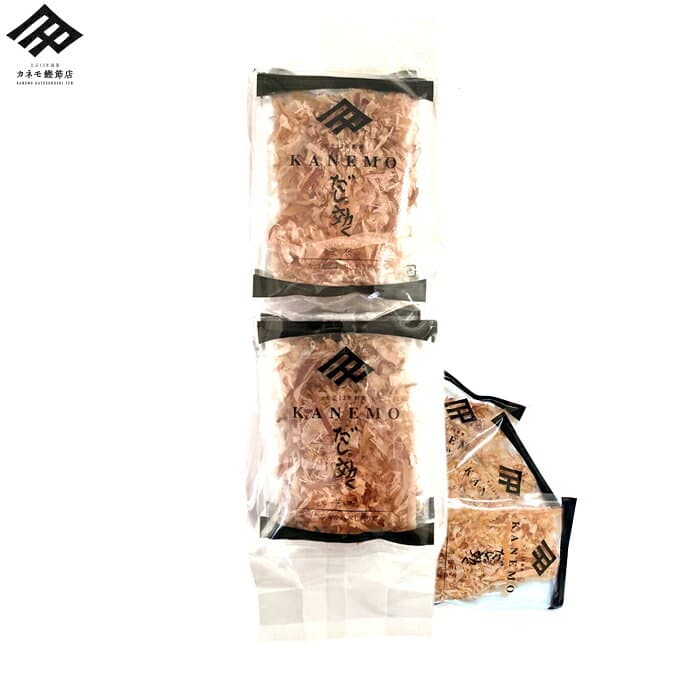
鰹節 本枯れ節 砕片削り 小分け【30g(3g×10袋) 】1パック 削り節 芝桜 本枯節 薄削り 出汁 だし 和食 だしが効く 国産 枕崎鰹節【常に開けたての美味しさを】【職人の顔が見える鰹節】
30g (3g x 10 sachets), 1 packカネモ鰹節店
5.0 / 6 reviews
 3 images
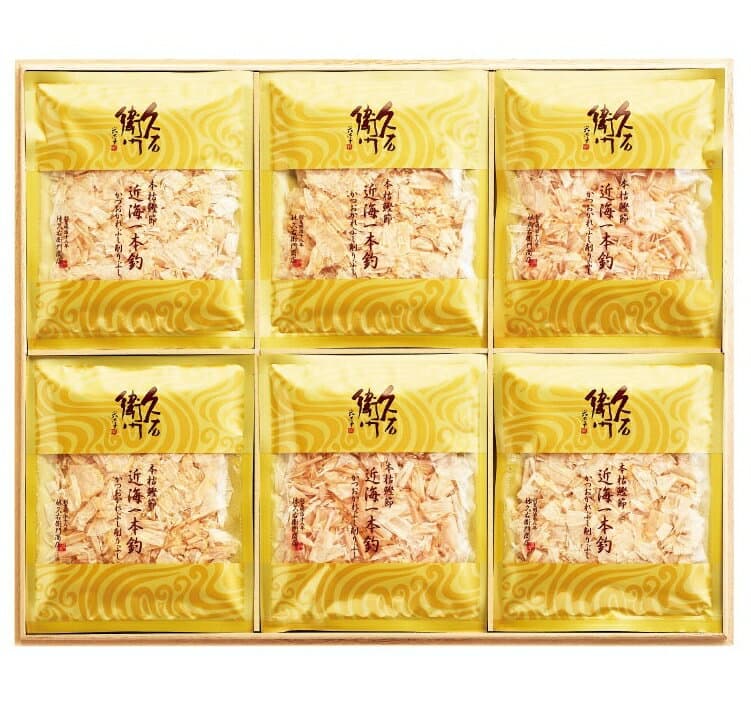
【本枯鰹節 近海一本釣 24袋入】 枕崎 鰹節 中元 歳暮 手土産 お返し 内祝 お祝い ギフト セット 出産 結婚 快気 お見舞 手軽 お礼 ご挨拶 短冊のし ラッピング かつお節 本格だし
2g x 24 packets林久右衛門商店
4.8 / 6 reviews
First time buying on Rakuten? How residents in Japan order →
Makurazaki katsuobushi comes from Makurazaki City in Kagoshima, a port town at the southern end of the Satsuma Peninsula. Bonito is cut, boiled, deboned, shaped, and smoke-dried; for honkarebushi, the blocks then mature through repeated mold development and sun drying before they are shaved for dashi. Local memory traces the boiling and drying method to 1707, when Mori Yahei is said to have brought the technique, and the work remains visible today through the port, factories, producer groups, and dashi classes.
Makurazaki sits on the sea edge of southern Kagoshima, where distant-water bonito fishing, port work, and processing factories meet in one town. The local climate is mild, with an annual average temperature of about 18°C, and Makurazaki accounts for about half of Japan's katsuobushi production. In the factory landscape near the shore, bonito smoke gives the town a sensory link between fishing boats, workshops, and dashi bowls.
The material is bonito, and the condition of that fish matters before any smoke touches it. Makurazaki processing accounts favor leaner bonito for smoking because fish with more fat can become bitter and oxidize more easily. That judgment makes raw-material selection part of the flavor, alongside firewood, drying time, and the final shaving.
The work moves from cutting bonito to boiling, removing bones and excess skin, shaping, and smoke-drying. One hand skill associated with Makurazaki is Satsuma-kiri, a way of cutting raw bonito with a downward-curved knife; a detailed Makurazaki process gives boiling at about 90°C for 1-2 hours and smoking for 2-3 weeks. The finished block begins as repeated contact between knife, kettle, hands, and smoke.
After smoke-drying comes arabushi, used as material for shaved flakes and for a strong dashi. When the surface is shaved clean and shaped before mold application, it becomes hadakabushi. Honkarebushi adds repeated mold development and sun drying, with several time scales in Makurazaki: about three months as a common average, around six months in one factory rhythm, and up to a year for longer products.
Makurazaki katsuobushi is bounded by place and method: it is made in katsuobushi factories within Makurazaki City and must meet local standards for production method and quality. The city-side producer community includes fishery and seafood-processing groups, so the name points to a working area where the port, factories, and shared standards hold the product together.
Once shaved, Makurazaki katsuobushi enters dashi, the stock that carries delicate flavors in Japanese cooking. The cooperative places its use from restaurant kitchens to ordinary households, and local dashi classes bring the practice back to hands and noses at a time when fewer homes draw stock directly from bonito flakes. The finished shaving is a cooking ingredient and a lesson in how aroma becomes broth.
Makurazaki places the 1707 transmission associated with Mori Yahei within more than 300 years of processing continuity. The continuity is held by many practical parts: bonito landings, cutting and boiling in factories, smoke-drying, local standards, processors, and classes that teach dashi. Each shaving carries a sequence of town labor rather than a single founder myth.
The shape of Makurazaki katsuobushi can be read through concrete things: a southern Kagoshima port, bonito, a curved knife, a kettle near 90°C, weeks of smoke, repeated mold and sun, and thin shavings for dashi. It connects seaside processing work in Makurazaki with the bowl at the table, leaving the town's time in the aroma of broth.
Compiled from public records and official sources; see the recognition links below. Details may change over time.
Where this product is officially registered, designated, or recognized in Japan.
Regional collective trademark
Registered as a Regional Collective Trademark with the Japan Patent Office.
Sources1
It is written as 枕崎鰹節 in Japanese. Search Rakuten and other Japanese sites with that spelling — the English name will not bring up the listings.
Makurazaki katsuobushi is a bonito-based processed food from Makurazaki City, Kagoshima, at the southern end of the Satsuma Peninsula. Bonito is cut, boiled, deboned, shaped, and smoke-dried; honkarebushi then matures through repeated mold development and sun drying. Local memory links the method to Mori Yahei in 1707. The shaved product is used for dashi, with local classes keeping the practice tangible today.
Makurazaki accounts for about half of Japan's katsuobushi production. The name Makurazaki katsuobushi is tied to products made within Makurazaki City that meet local method and quality standards. The raw material is bonito, and leaner fish can be favored for smoking because fattier fish can become bitter and oxidize more easily. Arabushi, hadakabushi, and honkarebushi describe stages after smoke-drying, surface shaving and shaping, and mold-and-sun maturation.
Shaved Makurazaki katsuobushi is used to make dashi, the base for delicate Japanese flavors. It has been used from high-end restaurants to ordinary households, in forms such as honkarebushi, arabushi, namaribushi, and shaved flakes. Local operator Nakahara Suisan holds Makurazaki dashi classes to teach shaving and dashi-making techniques.
Storage varies by product — shelf-stable, refrigerated, or frozen — and is stated on the packaging and the Rakuten listing. Shelf-stable processed foods usually need refrigerating once opened and eating within a few days; chilled and frozen items go straight into storage on arrival. Treat the best-before date on the physical packaging as authoritative.
Most options are shelf-stable, boxed, and travel well, so they suit gifting or bringing home. Confirm the final storage and delivery terms on the Rakuten listing.
On Rakuten: the shops listed here right now are カネモ鰹節店, 林久右衛門商店. We don't sell directly; purchase, payment, stock, and delivery are all handled on the Rakuten product page.