 3 images
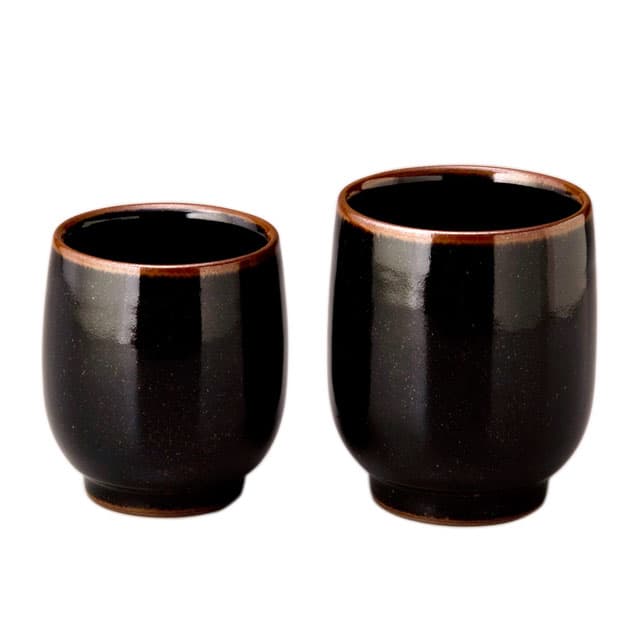
Chin Jukan Kiln Kuro Satsuma Lidless Yunomi Cup Pair
受注生産 薩摩焼 沈壽官窯(ちんじゅかん) 黒薩摩蓋無 夫婦湯呑 代引不可沈壽官 酒器 壽官陶苑
lidless pairオーリック
5.0 / 1 reviews
Japanese name薩摩焼
Across Kagoshima City, Ibusuki, and Hioki, Satsuma ware carries pale crackle, iron-rich clay, kurojoka vessels, and kiln lineages into present-day ceramic work.
Information last updated 120 days ago
3 images受注生産 薩摩焼 沈壽官窯(ちんじゅかん) 黒薩摩蓋無 夫婦湯呑 代引不可沈壽官 酒器 壽官陶苑
lidless pairオーリック
5.0 / 1 reviews
 2 images
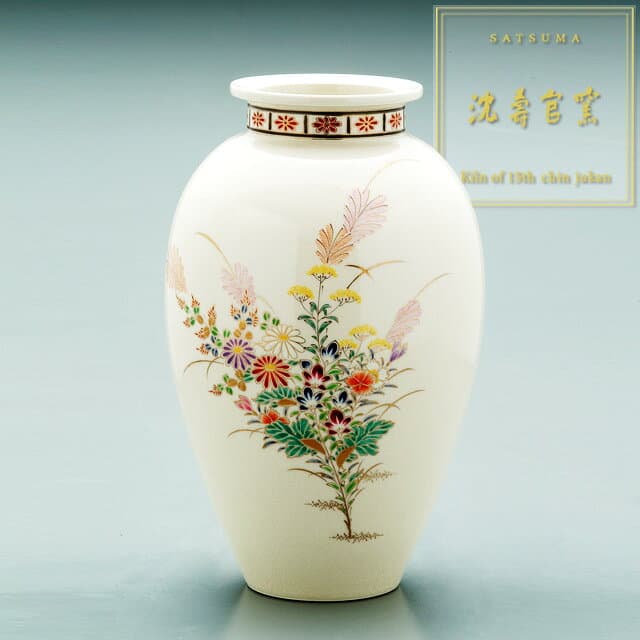
受注生産 薩摩焼 沈壽官窯(ちんじゅかん)白薩摩七寸胴丸花瓶 秋草 代引不可沈壽官 陶器 薩摩焼 白薩摩 鹿児島 花瓶
7-sun, φ15 x H23オーリック
 2 images
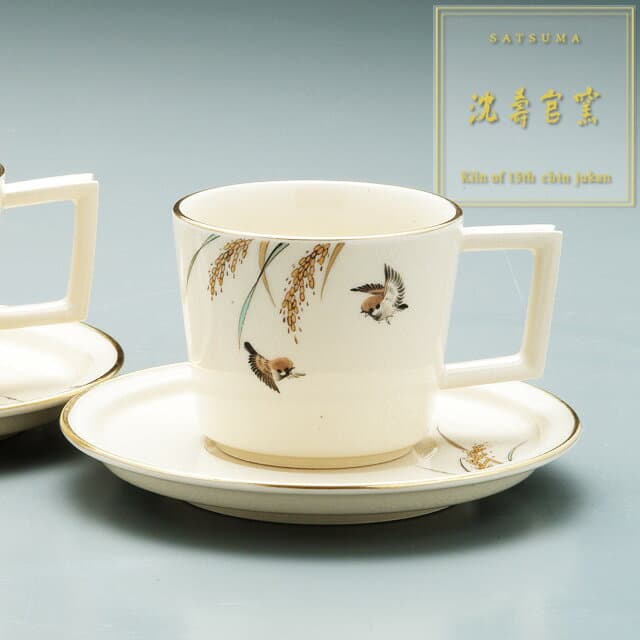
受注生産 薩摩焼 沈壽官窯(ちんじゅかん)白薩摩 コーヒー(稲雀柄) 代引不可沈壽官 ちんじゅかん コーヒー カップ 薩摩焼 白薩摩 鹿児島
cup 8.5 cm x H7, saucer 12 cm x H2オーリック
First time buying on Rakuten? How residents in Japan order →
Satsuma ware belongs first to Kagoshima’s kiln geography. Kagoshima City, Ibusuki, and Hioki are listed among its main production areas, and Miyama in Hioki anchors a present-day cooperative community. Within the same ceramic family, white Satsuma is known for a pale yellow body and fine crackle, while black Satsuma brings dark glazes, a brown body, and everyday vessels such as the kurojoka used for warming shochu.
The name Satsuma ware is grounded in Kagoshima rather than in a single look. The craft is described as a Kagoshima ceramic family, with main production areas including Kagoshima City, Ibusuki City, and Hioki City. Kagoshima Prefecture also groups its kiln geography into lineages such as Tateno, Naeshirogawa, Ryumonji, Nishimochida, and Hira, giving the family a map of places and working traditions rather than one fixed surface style.
Its beginning is tied to the years after the Bunroku-Keicho campaigns. Shimazu Yoshihiro brought Korean potters back, and in 1598 several dozen potters landed at Kagoshima Maenohama, Higashiichiki Kaminokawa, Kushikino Shimabira, and Kaseda Kominato. Those coastal and river-linked place names matter because later kiln lineages, including Tateno, Naeshirogawa, and Ryumonji, grew from specific Kagoshima communities rather than from an abstract origin tale.
White Satsuma begins with prepared clay. Several clays are blended into a ceramic body, then put through repeated water levigation before shaping, bisque firing, glazing, main firing, and hand-painted overglaze decoration. The mix of white clay and other materials gives the body its translucent pale yellow tone, and fine crackle appears in the glaze as the piece cools after firing; gold and nishikide overglaze decoration can turn tea ware, flower vessels, and display pieces into visible surfaces for close looking.
Black Satsuma carries a different weight in the hand. It is associated with local clay, iron-rich material, a brown body, and glazes in black, brown, and amber tones. One concrete vessel is the kurojoka, used for warming shochu, which places black Satsuma in the setting of everyday drinkware as well as broader tableware. Set beside white Satsuma’s pale crackle, it shows how Kagoshima ceramics hold both decorated presentation pieces and practical vessels.
In 1867, the Satsuma domain presented the ware at the Paris Exposition, and the name “SATSUMA” spread in Europe. Export-era naming later drew in ceramics from other Japanese production areas, but Kagoshima-made Satsuma ware remained connected to local kiln systems such as Naeshirogawa, Tateno, and Ryumonji. Its national traditional-craft status helps mark the boundary, while the reader can see that boundary in clay preparation, glazing, firing, hand painting, and Kagoshima place names.
Satsuma ware is still made across Kagoshima rather than held only in older labels. Present-day kilns make works using varied techniques, the cooperative introduces kilns and events, and a craft profile mentions a pottery map with more than 60 kilns. The product range includes tableware, tea ware, sake vessels, flower vessels, and decorative objects, so the family continues through both use at the table and pieces made for display.
To understand Satsuma ware, it helps to keep several concrete things in view at once: Kagoshima City, Ibusuki, Hioki, and Miyama; the landing places named for 1598; the washed clay and pale crackle of white Satsuma; the iron-rich clay, dark glazes, and kurojoka of black Satsuma; and the kilns still making vessels across the prefecture. The continuity is carried by clay, glaze, fire, hand decoration, and use, not by one surface or one era alone.
Compiled from public records and official sources; see the recognition links below. Details may change over time.
Where this product is officially registered, designated, or recognized in Japan.
It is written as 薩摩焼 in Japanese. Search Rakuten and other Japanese sites with that spelling — the English name will not bring up the listings.
Satsuma ware is a Kagoshima ceramic family tied to Kagoshima City, Ibusuki, and Hioki, and to kiln lineages such as Tateno, Naeshirogawa, and Ryumonji. Its beginning is linked to Korean potters brought back by Shimazu Yoshihiro around 1598. White Satsuma has a pale yellow body and fine crackle from blended clay, firing, glazing, and hand-painted overglaze; black Satsuma uses iron-rich clay and dark glazes for everyday vessels.
The Satsuma domain presented Satsuma ware at the 1867 Paris Exposition, after which the name “SATSUMA” spread in Europe. Kagoshima Prefecture groups Satsuma ware kiln geography into Tateno, Naeshirogawa, Ryumonji, Nishimochida, and Hira lineages. In 1598, potters landed at Kagoshima Maenohama, Higashiichiki Kaminokawa, Kushikino Shimabira, and Kaseda Kominato. White Satsuma is made through blended clay, water levigation, shaping, bisque firing, glazing, main firing, and hand-painted overglaze decoration.
Kurojoka is used for warming shochu. Pieces are used as everyday tableware and drinkware, and in tea, flower, and sake settings. White Satsuma, with a pale body, fine crackle, overglaze colors, and gold decoration, is used in display settings.
Porous earthenware is usually given a "medome" treatment first — simmer it gently in rice-rinsing water (or water with a little flour), then cool, rinse, and air-dry. This reduces staining and odour absorption. Porcelain normally just needs a wash. Follow the listing where it says otherwise.
Handmade earthenware, pieces with gold or silver overglaze, and lacquerware generally should not go in a dishwasher, microwave, or heated drying cabinet; heat-resistant porcelain usually can. Check the Rakuten listing for the specific piece.
Most options are shelf-stable, boxed, and travel well, so they suit gifting or bringing home. Confirm the final storage and delivery terms on the Rakuten listing.
On Rakuten: the shops listed here right now are オーリック. We don't sell directly; purchase, payment, stock, and delivery are all handled on the Rakuten product page.