 3 images
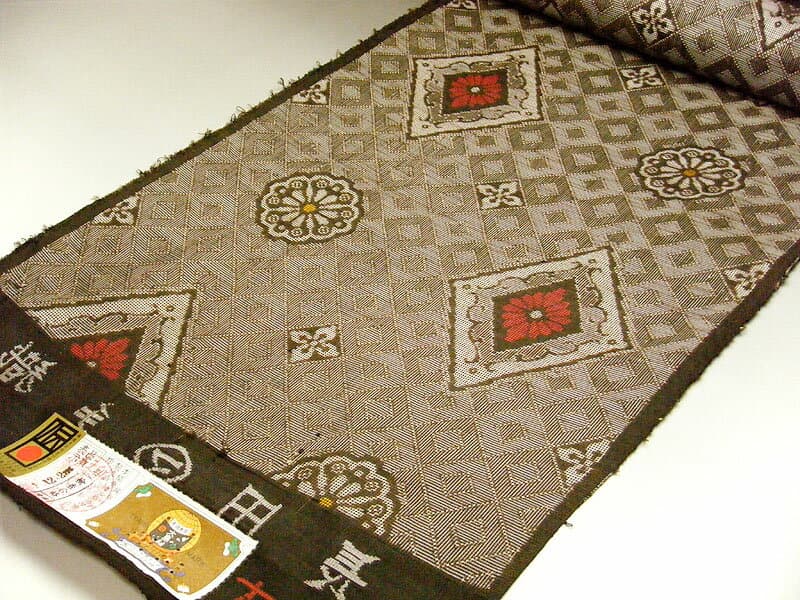
Tatsugo Honba Oshima Tsumugi Silk Kimono Bolt
大島紬 龍郷 本場大島紬 奄美 龍郷大島紬 古典柄 紬 反物 正絹 絹 羽織 コート 古典柄 手織り 紬着尺 本場 奄美本場大島紬 龍郷紬 一元式 龍郷柄大島紬 着尺 着物 お洒落用 新品 伝統的工芸品 小紋 泥染め カジュアル 歌舞伎鑑賞
handwoven mud-dyed red-eyeきもの幸造
Japanese name本場大島紬
From Amami Oshima to the Kagoshima production area near Sakurajima and Kinko Bay, Honba Oshima Tsumugi is shaped by silk, precise kasuri, quiet sheen, and island motifs.
Information last updated 7 days ago
3 images大島紬 龍郷 本場大島紬 奄美 龍郷大島紬 古典柄 紬 反物 正絹 絹 羽織 コート 古典柄 手織り 紬着尺 本場 奄美本場大島紬 龍郷紬 一元式 龍郷柄大島紬 着尺 着物 お洒落用 新品 伝統的工芸品 小紋 泥染め カジュアル 歌舞伎鑑賞
handwoven mud-dyed red-eyeきもの幸造
 3 images
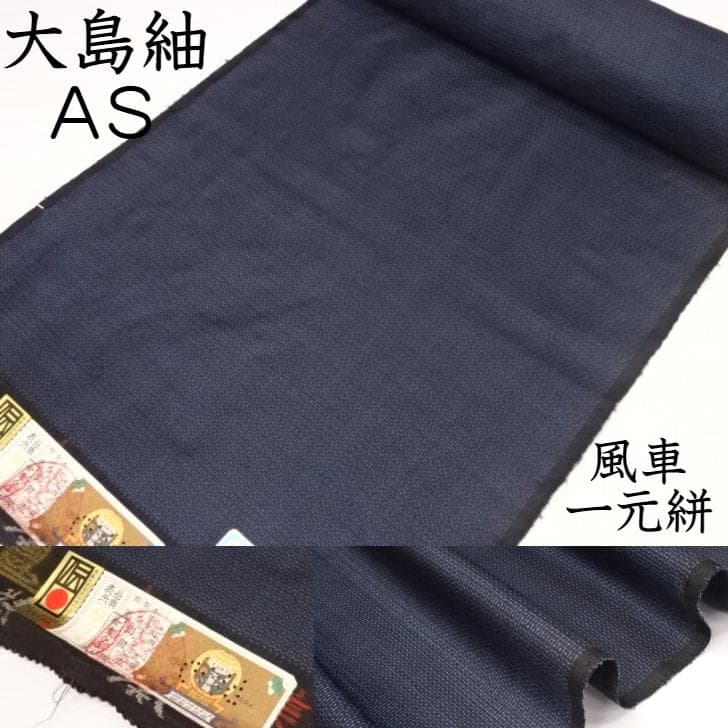
大島紬 奄美大島 鹿児島県 紬 着物 着尺 羽織 AS アンサンブル 生地 反物 正絹 絹100% レディース 女性 メンズ 男性用 カジュアル 単衣 袷 名古屋帯 半巾帯 半幅帯 角帯 本場大島紬 絣 風車 一元絣 100亀甲 藍 ジャパンブルー 濃紺 ネイビー
2 bolts, approx. 24.5 mきもの 本多屋 楽天市場店
 3 images
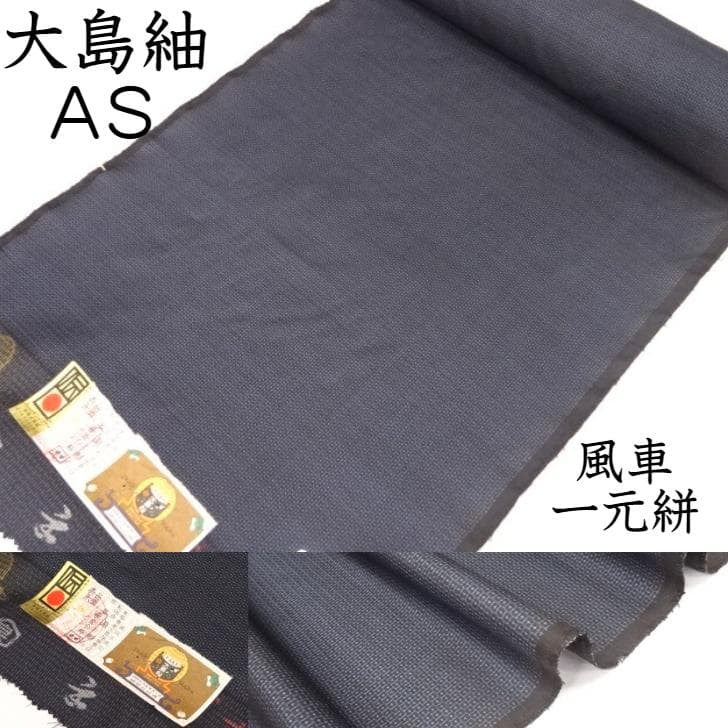
大島紬 奄美大島 鹿児島県 紬 着物 着尺 羽織 AS アンサンブル 生地 反物 正絹 絹100% レディース 女性 メンズ 男性用 カジュアル 単衣 袷 名古屋帯 半巾帯 半幅帯 角帯 本場大島紬 絣 風車 一元絣 100亀甲 藍 ジャパンブルー 濃紺 ネイビー
black, 100 kikko indigo patternきもの 本多屋 楽天市場店
 3 images
本場大島紬の小さながま口財布 和柄 小銭入れ・アクセサリー入れ、プレゼントにも。【Kimono Factory nono のの キモノファクトリーノノ】メンズ レディース がま口
approx. 9 x 9 cm, no gussetKimono Factory nono 楽天市場店
5.0 / 4 reviews
 3 images
本場大島紬の数寄屋袋 数奇屋袋【Kimono Factory nono のの キモノファクトリーノノ】
Kimono Factory nono 楽天市場店
5.0 / 1 reviews
First time buying on Rakuten? How residents in Japan order →
All 5 listings of this product on Rakuten, lowest price first.
| Listing | Price | Shop | Reviews | Open listing |
|---|---|---|---|---|
Kimono Factory nono Honba Oshima Tsumugi Small Clasp Coin Purse approx. 9 x 9 cm, no gussetLowest priceGift-ready | ¥3,960 | Kimono Factory nono 楽天市場店 | 5.0 / 4 reviews | View on Rakuten → |
Kimono Factory nono Authentic Oshima Tsumugi Sukiya Bag | ¥8,800 | Kimono Factory nono 楽天市場店 | 5.0 / 1 reviews | View on Rakuten → |
Tatsugo Honba Oshima Tsumugi Silk Kimono Bolt handwoven mud-dyed red-eye | ¥220,000 | きもの幸造 | View on Rakuten → | |
Honba Oshima Tsumugi Silk Ensemble Fabric, 100 Kikko Indigo Navy 2 bolts, approx. 24.5 m | ¥440,000 | きもの 本多屋 楽天市場店 | View on Rakuten → | |
Honba Oshima Tsumugi Amami Handwoven Silk Kimono & Haori Ensemble Fabric black, 100 kikko indigo pattern | ¥440,000 | きもの 本多屋 楽天市場店 | View on Rakuten → |
Japanese · new tab
Honba Oshima Tsumugi begins with Amami Oshima and continues into the Kagoshima production area around Sakurajima and Kinko Bay. The silk textile is known for exact kasuri designs, a quiet sheen, light warmth, resistance to wrinkles, and a supple feel when worn. Dragonflies, turtle shell, sago palm leaves, windmills, and colanders become small fields of geometry, while the saying that Oshima Tsumugi is woven twice points to the shimebata tie-resist step that prepares the pattern before the cloth itself is woven.
Honba Oshima Tsumugi is a Kagoshima silk textile with roots on Amami Oshima and later development in the Kagoshima production area. Its place frame is concrete: Amami gives the motifs island plants, insects, animals, and tools, while the Kagoshima side is tied to Sakurajima, Kinko Bay, and the mainland producer district. Kagoshima Prefecture also treats Oshima Tsumugi as a local special-product and factory-visit subject, placing the cloth inside a wider local craft setting.
Silk is the core material in Honba Oshima Tsumugi, yet the older material picture is broader. Kagoshima is said to have had sericulture before the Nara period and tsumugi woven from hand-spun silk thread. In Amami, weavers also mixed silk with basho and cotton threads and made cloth for everyday wear. Here, tradition means specific practices: raising silkworms, spinning silk by hand, using island plant fiber, adding cotton thread, and turning those materials into clothing used in daily life.
The textile’s most distinctive process is the precise preparation of kasuri before the final weaving. Around Meiji 40, makers adopted shimebata orijime-kasuri, a tie-resist method that helped express detailed designs and led to the phrase that Oshima Tsumugi is woven twice. The phrase points to a practical sequence: pattern positions are fixed through the shimebata step, then warp and weft must meet accurately when the cloth is woven.
Honba Oshima Tsumugi patterns translate Amami nature and household objects into small repeated forms. Dragonflies, turtle shell, fish eyes, habu, and sago palm leaves come from living things and plants, while windmills, feed tubs, and colanders come from tools and daily objects. When the textile is called cultural, the word rests on these visible anchors: a leaf, a shell form, an insect, a basket-like tool, and the careful alignment of kasuri points.
The cloth is described through touch as much as pattern. Its traits include restrained luster, light warmth, wrinkle resistance, and a supple wearing feel. Those details keep the sensory language grounded in the fabric itself: silk provides the surface, kasuri gives the design its precision, and the finished cloth is valued for how it looks in low sheen and how it moves on the body.
The Kagoshima cooperative for Honba Oshima Tsumugi was founded in 1916 and listed 50 textile businesses as of April 1, 2026. Its district covers the Kagoshima mainland, and its activities include shared handling of products and materials, joint promotion, business loans, technical and management training, and facility maintenance. These figures give continuity a concrete shape: the textile is carried by many businesses working with materials, skills, training, and workspaces in Kagoshima.
The name Honba Oshima Tsumugi is tied to a quality boundary: only cloth that passes 20 strict inspection items receives the certificate associated with the name. Put after the material and process, that boundary reads less like paperwork and more like a way to keep silk, kasuri precision, handfeel, and production-area practice within a recognizable range. In Kagoshima City, Amami no Sato brings Amami nature, the Oshima Tsumugi production process, and an Oshima Tsumugi museum into one setting, giving the textile a visible place in the city as well as on the island map.
Honba Oshima Tsumugi is clearest when read through its concrete parts: Amami dragonflies, turtle shell, and sago palm leaves; the shimebata orijime-kasuri step in Kagoshima; silk with a restrained sheen; and a cooperative network that has worked since 1916. From the landscape of Sakurajima and Kinko Bay, the cloth appears as a Kagoshima textile shaped by materials, pattern alignment, producer community, and long practice.
Compiled from public records and official sources; see the recognition links below. Details may change over time.
Where this product is officially registered, designated, or recognized in Japan.
It is written as 本場大島紬 in Japanese. Search Rakuten and other Japanese sites with that spelling — the English name will not bring up the listings.
Honba Oshima Tsumugi is a Kagoshima silk textile rooted on Amami Oshima and developed in the Kagoshima production area. Its identity centers on precise shimebata orijime-kasuri, motifs from Amami nature and tools, restrained sheen, light warmth, wrinkle resistance, and supple wear. The Kagoshima cooperative was founded in 1916 and listed 50 textile businesses in 2026.
Honba Oshima Tsumugi originated on Amami Oshima and developed in the Kagoshima production area near Sakurajima and Kinko Bay. The textile is known for precise kasuri designs, restrained luster, light warmth, wrinkle resistance, and a supple wearing feel. Around Meiji 40, makers adopted shimebata orijime-kasuri, giving rise to the saying that Oshima Tsumugi is woven twice. Motifs include dragonflies, turtle shell, fish eyes, habu, sago palm leaves, windmills, feed tubs, and colanders drawn from Amami nature and daily tools.
Historically, weavers in Amami mixed silk with basho and cotton threads and wore the woven cloth as everyday clothing, before it became more refined and highly valued.
Naturally dyed textiles shed some colour on first wash. Hand-wash separately with a neutral detergent, avoid long soaking and bleach, and dry in the shade to prevent fading. Silk, ramie, and traditionally dyed pieces often need professional cleaning — the care label on the listing takes precedence.
Most options are shelf-stable, boxed, and travel well, so they suit gifting or bringing home. Confirm the final storage and delivery terms on the Rakuten listing.
On Rakuten: the shops listed here right now are きもの幸造, きもの 本多屋 楽天市場店, Kimono Factory nono 楽天市場店. We don't sell directly; purchase, payment, stock, and delivery are all handled on the Rakuten product page.