 3 images
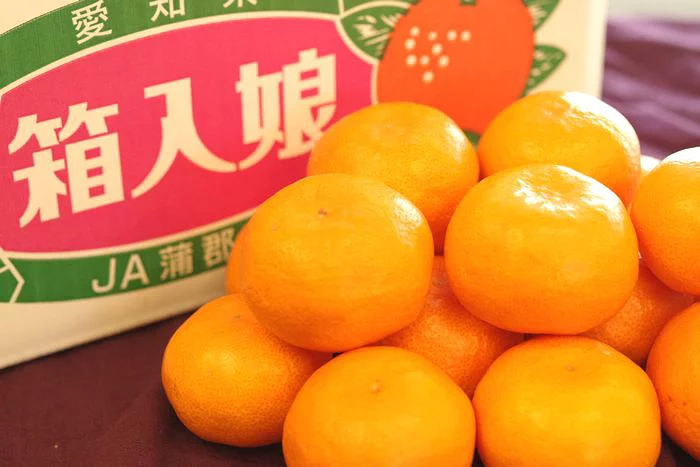
箱入娘みかん 蒲郡みかん 箱入り娘 糖度12度以上 約5kg 2S〜2L 愛知県産 JA蒲郡市 マルチ栽培 宮川早生 高級みかん お歳暮 冬ギフト 贈答 蜜柑
Gift-ready
果物百貨店 浜中屋
3.0 / 2 reviews
Japanese name蒲郡みかん
Early mikan runs late October to early January; Gamagori Aoshima mikan, early January to late February.
In Aichi's Gamagori City, warm winters, drained slopes, greenhouse work, and open-field orchards shape a citrus family that moves from Miyagawa Wase to Aoshima, Setoka, and Harumi.
Information last updated 18 days ago
Ordering from abroad works when the recipient has a Japanese address.
The listing below is sold as a gift in the shop's own wording (ギフト, のし対応 …), marked “Gift-ready”.
3 images果物百貨店 浜中屋
3.0 / 2 reviews
First time buying on Rakuten? How residents in Japan order →
Gamagori mikan begins with a coastal shape: Mikawa Bay to the south, mountains to the east, north, and west, and a warm winter climate in between. From the foothills down toward the sea, gentle fan-shaped slopes drain well, while greenhouses and open-field orchards divide the year among different citrus. About 374 hectares in the city are planted with mikan, including about 30 hectares under vinyl greenhouses, so the name carries both a place and a working calendar.
Gamagori City faces Mikawa Bay on its southern side and is framed by mountains such as Goi-yama to the east, north, and west. Winters are mild, snow and frost days are few, and the orchards sit on gentle fan-shaped slopes where the distance from foothill to sea is short. The drainage, winter sunlight, and warm sea breeze give the open-field mikan a concrete setting before any tasting note begins.
Mikan is the most widely cultivated crop in Gamagori, with about 374 hectares overall and about 30 hectares of greenhouse mikan under vinyl. The year moves from greenhouse mikan around mid-April through September, to early mikan from late October into early January, and Gamagori Aoshima mikan from early January into late February. Setoka, Harumi, Shiranui, and house-grown Natsumi add medium-late citrus to the winter and spring side of the calendar.
Gamagori greenhouse mikan centers on Miyagawa Wase. The fruit is described through high sweetness, moderate acidity, a rich balance, and soft inner membranes. Soil-cooling cultivation works below the tree: the soil is cooled so the tree senses winter earlier and flowers earlier. The greenhouse season, then, is tied to temperature management around the roots as much as to the glasshouse above them.
Hakoiri Musume is selected from orchards where white sheets are laid under the mikan trees. This mulch method limits excess water and helps raise sweetness before the fruit is chosen for flavor. Early mikan has another water story: summer dryness concentrates the juice, leaving a balance of sweetness and acidity. In Gamagori, taste is repeatedly linked to how the orchard handles water.
A 1679 Goi Village land ledger lists several mikan trees, giving Gamagori's citrus a dated starting point in local paperwork. The present line of Gamagori mikan is tied to Kara mikan brought from Hazu District during the Bunsei and Tenpo years, 1818 to 1843. By the middle of the Meiji period, names such as Kaminogo mikan and Nishigori mikan were in use; in the Showa period, Sanshu mikan connected the area with Tokyo and Osaka. In the Showa 50s, greenhouse mikan farms increased inside the city.
Gamagori's rivers are short and carry little water, so the area long struggled with water shortages. In 1968, the Toyokawa irrigation system brought water from the Toyokawa and Tenryu rivers into the city. That change supported more active greenhouse horticulture, including house-grown mikan, strawberries, tsumamono garnish crops, and flowers. The modern mikan landscape depends on bay, slope, sun, and waterway together.
When winter brings out the kotatsu, mikan belongs naturally near the table; when spring returns, Miyagawa Wase ripens under greenhouse care. Gamagori mikan gathers those scenes into one regional name: the warm air of Mikawa Bay, well-drained slopes, white sheets under trees, soil cooled for early flowering, and a citrus timeline that reaches back to the Goi Village ledger of 1679.
Compiled from public records and official sources; see the recognition links below. Details may change over time.
Where this product is officially registered, designated, or recognized in Japan.
Regional collective trademark
Registered as a Regional Collective Trademark with the Japan Patent Office.
Sources1
It is written as 蒲郡みかん in Japanese. Search Rakuten and other Japanese sites with that spelling — the English name will not bring up the listings.
Gamagori mikan is a citrus product family from Gamagori City, Aichi, shaped by Mikawa Bay, surrounding mountains, mild winters, and drained fan-shaped slopes. The city has about 374 hectares of mikan, including about 30 hectares under vinyl greenhouses. Greenhouse mikan centers on Miyagawa Wase, grown with soil-cooling cultivation for earlier flowering, while open-field and medium-late citrus extend the year through Aoshima, Setoka, and Harumi. Local chronology reaches back to a 1679 Goi Village ledger and Kara mikan introduced in 1818-1843.
Warm winters, few snow and frost days, and well-drained fan-shaped slopes support mikan cultivation in Gamagori. Gamagori greenhouse mikan centers on Miyagawa Wase and is associated with high sweetness, moderate acidity, and soft inner membranes. Soil-cooling cultivation cools the soil so trees sense winter earlier and flower earlier. Hakoiri Musume uses white-sheet mulch under the trees to limit excess water and selects fruit with especially good flavor.
Gamagori greenhouse mikan is in season from mid-April to late September and is shipped nationwide during that period. Early-season open-field mikan is eaten from late October to early January, when summer dryness concentrates the juice for a balance of sweetness and acidity, and Gamagori Aoshima mikan follows from early January to late February. Setoka and greenhouse Nanjuumi can be eaten together with the inner membrane after peeling, Harumi peels easily with a soft inner membrane, and mikan is traditionally eaten while sitting at a kotatsu in winter.
Fresh produce doesn't keep, so start with the grower's note in the box. Most fruit ripens best at room temperature and is at its most fragrant when it is ready to eat; refrigerate only once it is cut or fully ripe, and eat it soon after. Chilling too early stalls ripening and flattens the flavour. Follow the listing and the enclosed note for the specific variety.
Many countries restrict bringing in this kind of food, so check your destination's rules before you pack it, or enjoy it in Japan.
On Rakuten: the shops listed here right now are 果物百貨店 浜中屋. We don't sell directly; purchase, payment, stock, and delivery are all handled on the Rakuten product page.