 3 images
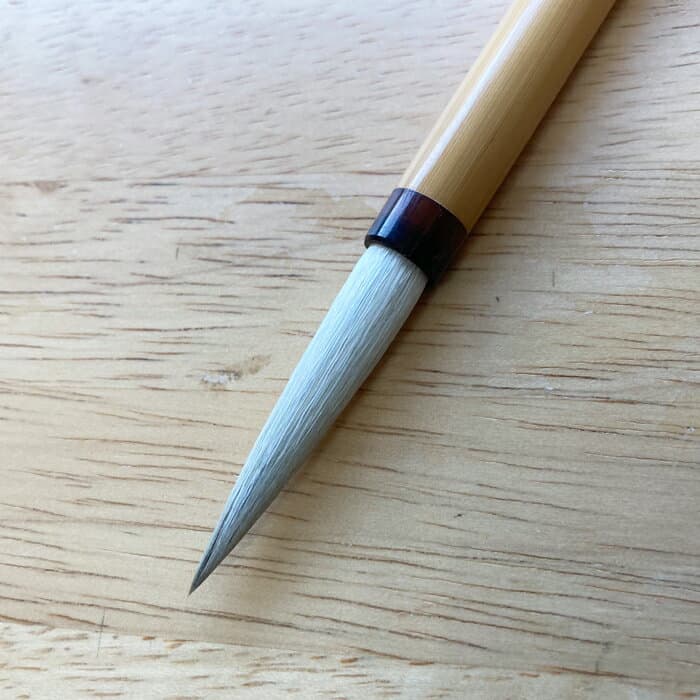
Toyohashi Fude “Saisho Kanrin” Mixed-Hair Calligraphy Brush
兼毫 細詳緩臨【兼毛 兼毫 楷書 行書 作品 書道 太筆 中筆 半紙 送料無料 和文具 手作り 伝統工芸 豊橋筆】
No. 5 type筆庵
Japanese name豊橋筆
Around Toyohashi, Toyokawa, Gamagori, and Shinshiro, animal hair and bamboo or wood shafts are shaped through nerimaze before ink becomes a written line.
Information last updated 119 days ago
3 images兼毫 細詳緩臨【兼毛 兼毫 楷書 行書 作品 書道 太筆 中筆 半紙 送料無料 和文具 手作り 伝統工芸 豊橋筆】
No. 5 type筆庵
 3 images
≪クーポン有り≫ 書道 筆 上級者 『和敬』 書 書道 筆 3本 5本 10本 毛筆 赤天馬尾筆 長鋒 半紙 条幅 作品製作 豊橋筆 高級 創業寛文12年菊屋監製 切れ 切れ味 線質 書きやすい 菊屋 新生活j
8 mm tip diameter, 55 mm bristle length創業寛文12年 菊屋楽天市場店
4.6 / 7 reviews
 3 images
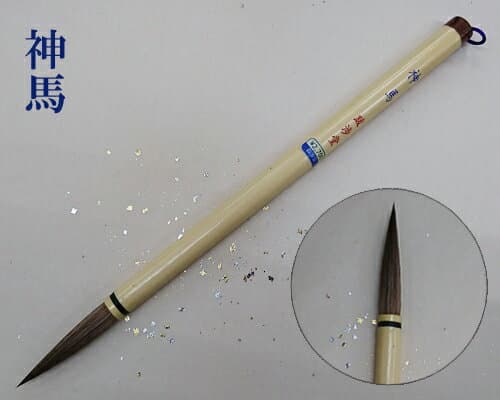
【メール便可】【豊橋筆】『神馬』漢字用 馬毛 習字 書道用品
No. 4 large brush書道用品の跋渉堂
4.5 / 4 reviews
First time buying on Rakuten? How residents in Japan order →
Toyohashi brushes come from eastern Aichi, with production centered on Toyohashi, Toyokawa, Gamagori, Shinshiro, and nearby areas. A brush tip uses animal hairs such as goat, horse, raccoon dog, weasel, and deer, while the shaft is bamboo or wood. Before the first stroke, raw hair is sorted, rubbed, combed, cut, mixed with water, formed into a core, wrapped with outer hair, finished, and inscribed. The water step, nerimaze, combines inochige, nodoge, and koshige so the tip holds ink well and releases it slowly.
Toyohashi brushes are rooted in the eastern Aichi production areas of Toyohashi, Toyokawa, Gamagori, Shinshiro, and nearby communities. Their beginning is traced to 1804, when Suzuki Jinzaemon of Kyoto was invited by the Yoshida domain to make brushes. Brush making later spread as side work among lower-ranking samurai, helped by access to animal hair such as raccoon dog and weasel for brush tips. Those anchors keep the brush close to named places and materials: Toyohashi under the Yoshida domain, side work by lower-ranking samurai, and animal hair used for a writing tip.
A Toyohashi brush begins as a set of materials with different roles. The tip may use goat, horse, raccoon dog, weasel, deer, cat, flying squirrel, squirrel, or marten hair, or comparable animal hair; the shaft is bamboo or wood. During sorting, raw hair is separated by length, tip condition, and intended use, then boiled or passed through hot water, dried, and combed with a metal comb to remove extra downy hair. The eventual line starts with this handling of hair, shaft, and intended use.
The central Toyohashi brush process is water-based nerimaze. Makers mix three positions in the brush tip: inochige, the very front hair; nodoge, the hair just below the tip; and koshige, the resilient hair at the base. Water helps distribute those hairs evenly through the tip. This step is tied to good ink holding, slow ink release, and an easier writing feel, so the brush is understood through the movement of ink as well as through its visible shape.
The workflow runs through about 36 to 40 steps. Its main movement includes sorting, hair rubbing, combing, cutting, nerimaze, core forming, outer-hair wrapping, finishing, and inscription. In hair rubbing, rice-husk ash is applied to remove animal fat from the raw hair, and the hair is rubbed firmly while wrapped in deer hide to improve ink absorption. Cutting uses a dividing board and scissors; finishing inserts the tip into a bamboo shaft, shapes it with paste and thread, and ends with a name or maker inscription on the shaft.
Toyohashi brush uses include calligraphy brushes, menso brushes, and Japanese-painting brushes. Sakakibara Shinobu gives one named maker’s view: he entered apprenticeship at sixteen, and his work is tied to calligraphers’ requests for softness, firmness, ink amount, and line effect. Materials are chosen to match those requests; hand pressure, ink behavior, and the desired line become part of the making decision.
The same named maker connects writing brushes and painting brushes closely, noting that an older calligraphy brush can be trimmed for water-ink painting. Menso brushes and Japanese-painting brushes are also named among the main product types. In use, the slow movement of ink from the tip turns earlier material work into pressure, pace, and line.
Toyohashi brushes are best understood through place, material, and hand process: eastern Aichi production areas, animal hair with bamboo or wood, water-based mixing of tip, throat, and base hairs, and dozens of steps from raw hair to inscription. The finished brush is felt when ink sits in the tip, leaves it slowly, and turns the writer’s pressure into a controlled line.
Compiled from public records and official sources; see the recognition links below. Details may change over time.
Where this product is officially registered, designated, or recognized in Japan.
It is written as 豊橋筆 in Japanese. Search Rakuten and other Japanese sites with that spelling — the English name will not bring up the listings.
Toyohashi brushes are writing brushes from eastern Aichi, centered on Toyohashi, Toyokawa, Gamagori, Shinshiro, and nearby areas. Their tips use animal hairs such as goat, horse, raccoon dog, weasel, and deer, with bamboo or wood shafts. The defining process is water-based nerimaze, which mixes inochige, nodoge, and koshige evenly so the brush holds ink well and releases it slowly for calligraphy and painting use.
Toyohashi brushes are centered in Toyohashi, Toyokawa, Gamagori, and Shinshiro cities in Aichi Prefecture and their surrounding areas. The craft's beginning is traced to 1804, when Suzuki Jinzaemon of Kyoto was invited by the Yoshida domain to make brushes. The making process is described as about 36 to 40 steps, including sorting, hair rubbing, cutting, nerimaze, outer-hair wrapping, finishing, and inscription.
Toyohashi brushes are used for calligraphy practice and professional writing, with orders adjusted for softness, firmness, ink holding, and line effect. They are also used for Japanese painting and menso brush work. An older calligraphy brush can be trimmed for use in water-ink painting, reflecting the close relationship between writing brushes and painting brushes.
Keep wood, bamboo, and lacquer out of prolonged soaking, dishwashers, and direct sun — wipe dry after use and let them air out in the shade. For metal and fabric goods, follow the care notes on the listing.
Most options are shelf-stable, boxed, and travel well, so they suit gifting or bringing home. Confirm the final storage and delivery terms on the Rakuten listing.
On Rakuten: the shops listed here right now are 筆庵, 創業寛文12年 菊屋楽天市場店, 書道用品の跋渉堂. We don't sell directly; purchase, payment, stock, and delivery are all handled on the Rakuten product page.