 3 images
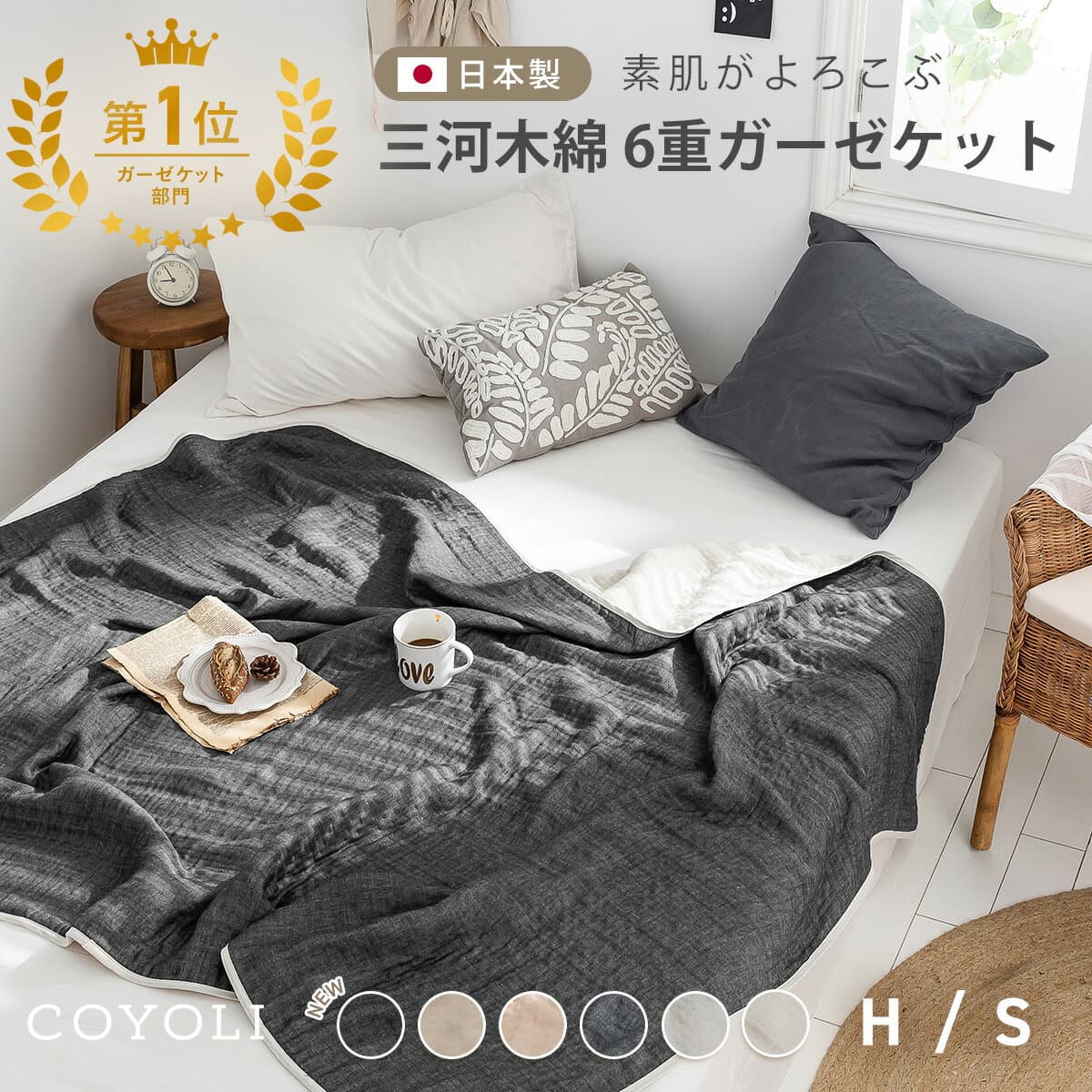
Mikawa Cotton 6-Layer Gauze Blanket
ガーゼケット シングル ハーフ 140×190 100×140 日本製 6重ガーゼ 綿100% コットン 三河木綿 夏 洗える おしゃれ グレー ベージュ ピンク ブラウン ホワイト ネイビー M37563 春夏用ケットならCOYOLI
Single / half size (140 x 190cm / 100 x 140cm)インテリアショップ コヨリ
4.6 / 565 reviews
Japanese name三河木綿
In Aichi's Mikawa region, Mikawa momen carries cotton yarn, indigo, vertical stripes, a crisp hand, Nishio's Tenjiku Shrine rite, and Gamagori's weaving classrooms and textile trials.
Information last updated 120 days ago
3 imagesガーゼケット シングル ハーフ 140×190 100×140 日本製 6重ガーゼ 綿100% コットン 三河木綿 夏 洗える おしゃれ グレー ベージュ ピンク ブラウン ホワイト ネイビー M37563 春夏用ケットならCOYOLI
Single / half size (140 x 190cm / 100 x 140cm)インテリアショップ コヨリ
4.6 / 565 reviews
 3 images
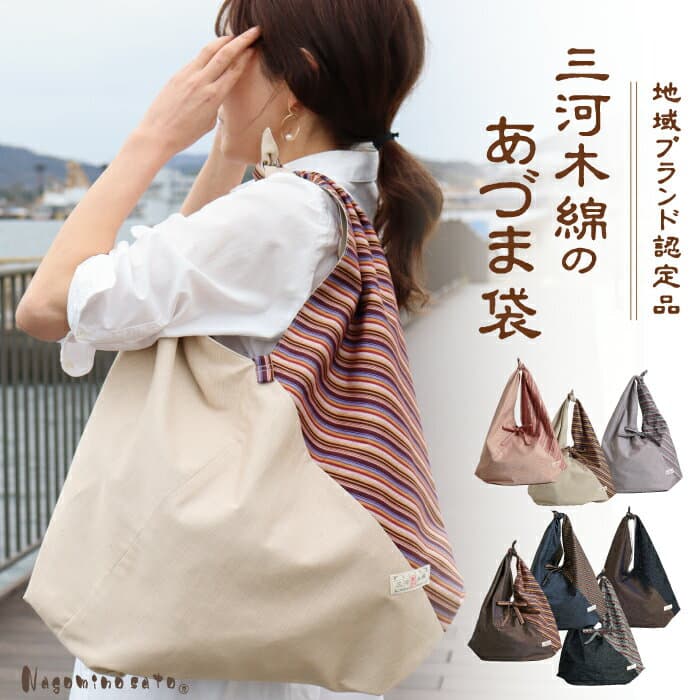
【プチ熨斗対応/日本製】 三河木綿 蒲郡 あづま袋 和柄 エコバッグ 母の日 和柄 和風 折りたたみ コンパクト 風呂敷 浴衣 和装 着物 綿 ショルダーバッグ おしゃれ かわいい あずま袋 大 着物 バッグ 敬老の日 父の日 誕生日 プレゼント 実用的 ギフト ラッピング
largeまいにちなごみ
4.8 / 18 reviews
 3 images
【セット購入で500円OFF+クーポン100円OFF】セットで【500円OFF】 日本製 6重ガーゼケット オシャレ 厚手 シングル 2枚セット 夏用 肌掛け布団 タオルケット ふわふわ ガーゼ 三河木綿 キルトケット 綿 おしゃれ 夏 ハーフサイズ 北欧 ウォッシャブル 洗える ハーフケット
single size, 2-piece setロマンス小杉公式ねむりのアトリエ
4.6 / 350 reviews
First time buying on Rakuten? How residents in Japan order →
Mikawa momen begins as cotton cloth you can read by touch: woven in Aichi's Mikawa region, marked by vertical Mikawa stripes, indigo color, and a strong, crisp hand. Its place line runs between Nishio's Tenjiku-cho, where a cotton-arrival legend is carried through a boat mikoshi and cotton-beating rite, and Gamagori, where weaving classes, the regional cooperative, and a textile technology center keep the cloth active through hand practice and 2022 antibacterial trials.
Mikawa momen names cotton woven cloth in Aichi's Mikawa region. Its visible grammar is concrete: cotton yarn, vertical Mikawa stripes, indigo dye, and the reputation of quality cotton cloth that continued under the names Mikawa momen and Mikawa stripes in the Meiji period. The cloth can be recognized through place, material, line, and color before any administrative label enters the frame.
Nishio's Tenjiku-cho gives the cloth an older cotton memory. The local account says that in 799 a small boat carrying cotton seed drifted to the area around present-day Nishio. At Tenjiku Shrine, the cotton rite for Nii-hata-gami carries that memory into a boat mikoshi and an old-style cotton-beating ceremony, turning the arrival of cotton into a place, a procession, and a physical sound.
In 1510, the wording 三川木綿 appears, giving Mikawa cotton cloth a clear date attached to its name. In the Edo period, cotton cultivation and cotton weaving grew active in the Mikawa area, and local white cotton cloth was sent toward Edo. In the Meiji period, after Western techniques entered the production area, the names Mikawa momen and Mikawa stripes became widely known, linking crop, loom, and outward movement.
The making of Mikawa momen can be followed from cotton fiber into thread and cloth. The hand route includes ginning, cotton beating, making yoriko, spinning, making skeins, warping, threading the shuttle, winding the beam, and weaving. Another production path dyes white yarn and weaves it by machine. Held together, these steps show cotton becoming warp and weft through repeated, named movements rather than through a single dramatic act.
The feel of Mikawa momen comes from cotton described as thick, short-fibered, and strong, with a rough, crisp hand. That texture once suited field clothing because it could stand up to work while staying dry to the touch. Sashiko-type Mikawa cotton also appears in dogi for kendo and judo, firefighters' happi coats, apparel, and accessories, where the thick cloth carries both structure and surface.
Gamagori gives Mikawa momen a present-day working address. TCC Takeshima Craft Center and hand-weaving activities make ginning, cotton beating, spinning, and weaving learnable movements; the Mikawa Textile Industrial Cooperative in Shinmei-cho had 37 members in April 2020; and the Mikawa Textile Technology Center in Gamagori worked with the cooperative and partners on antibacterial Mikawa cotton in 2022. The trial kept the cotton hand after washing and appeared as sample eco bags and deck-chair seats, placing teaching, producer organization, and material testing in the same textile town.
Mikawa momen is easiest to understand through things the hand and eye can hold: cotton loosened, spun, warped, and woven; vertical stripes and indigo; a rough, crisp surface; Nishio's Tenjiku Shrine rite; and Gamagori's looms, cooperative, and textile trials. The name Mikawa is carried by these concrete anchors, from the 1510 wording and Edo-period white cotton to the Meiji-era spread of Mikawa stripes and the present work of workshops and technology centers.
Compiled from public records and official sources; see the recognition links below. Details may change over time.
Where this product is officially registered, designated, or recognized in Japan.
Regional collective trademark
Registered as a Regional Collective Trademark with the Japan Patent Office.
Sources1
It is written as 三河木綿 in Japanese. Search Rakuten and other Japanese sites with that spelling — the English name will not bring up the listings.
Mikawa cotton is woven cloth from Aichi's Mikawa region, identified by vertical Mikawa stripes, indigo dye, and a rough, crisp hand. Legend holds that cotton seed drifted ashore near Nishio's Tenjiku-cho in 799, and the name 三川木綿 appears by 1510. Cotton cultivation expanded in the Edo period, and the names Mikawa momen and Mikawa stripes spread widely in the Meiji era.
Tenjiku Shrine in Nishio's Tenjiku-cho marks the 799 legend with a cotton rite, a boat mikoshi, and a cotton-beating ceremony. Hand production of Mikawa cotton includes ginning, cotton beating, spinning, warping, and weaving. The cloth is thick and short-fibered but strong, giving it a rough, crisp texture once suited to field clothing. One production path dyes white yarn before weaving it by machine.
Thick, sashiko-type Mikawa cotton was used for kendo and judo uniforms and firemen's happi, and more recently for fashion goods and apparel. Hand-weaving facilities in Gamagori teach steps such as ginning, cotton beating, spinning, and weaving through courses and loom experiences. Antibacterial Mikawa cotton prototypes have been made into eco bags and deck-chair seats, with washing tested for how well the cotton hand is retained.
Naturally dyed textiles shed some colour on first wash. Hand-wash separately with a neutral detergent, avoid long soaking and bleach, and dry in the shade to prevent fading. Silk, ramie, and traditionally dyed pieces often need professional cleaning — the care label on the listing takes precedence.
Most options are shelf-stable, boxed, and travel well, so they suit gifting or bringing home. Confirm the final storage and delivery terms on the Rakuten listing.
On Rakuten: the shops listed here right now are インテリアショップ コヨリ, まいにちなごみ, ロマンス小杉公式ねむりのアトリエ. We don't sell directly; purchase, payment, stock, and delivery are all handled on the Rakuten product page.