 3 images
Aichi Mikawa Isshiki Irregular Eel Long Kabayaki
国産 愛知三河一色産うなぎ 訳有り 長焼蒲焼 500g以上レビュー700件超え『うなぎ』【ラッピング不可】【送料無料】【冷凍便配送】【国産鰻】【国内産】【ウナギ】【丑の日】【土用丑】【わけありお買得品】【業務用】
500g or more三河わくわくストリート
4.5 / 734 reviews
Japanese name一色産うなぎ
In Nishio City’s Isshiki area, shirasu juveniles grow to adult size in ponds supplied by Yahagi River water, then move through sorting, groundwater holding, shirayaki, and kabayaki.
Information last updated 120 days ago
3 images国産 愛知三河一色産うなぎ 訳有り 長焼蒲焼 500g以上レビュー700件超え『うなぎ』【ラッピング不可】【送料無料】【冷凍便配送】【国産鰻】【国内産】【ウナギ】【丑の日】【土用丑】【わけありお買得品】【業務用】
500g or more三河わくわくストリート
4.5 / 734 reviews
 3 images
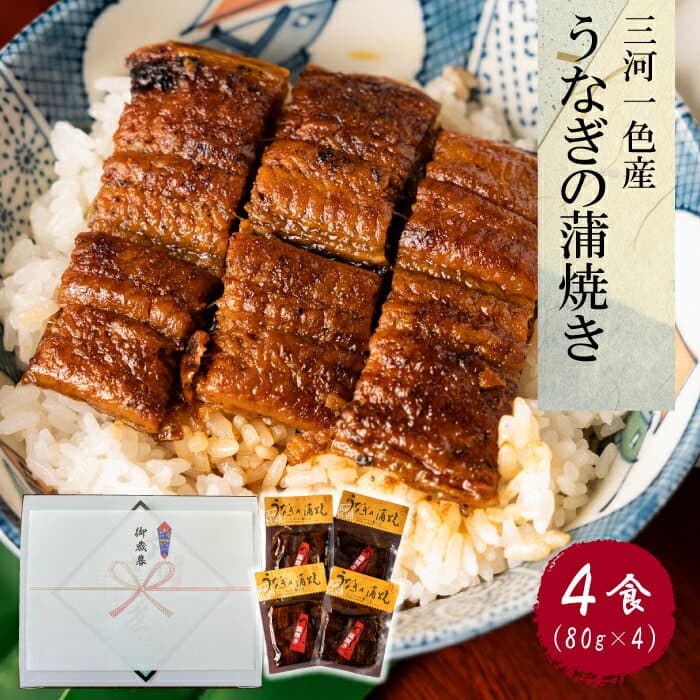
江戸時代創業 愛知 三河一色産 うなぎ ひつまぶし 特上 厳選 愛知県産 100% 国産うなぎ 蒲焼き 80g×4袋 320g 送料無料 国産鰻 お取り寄せ ギフト 鰻の蒲焼き 土用丑の日 ハーフカット セット プレゼント 鰻 ウナギ かば焼き 蒲焼 鰻蒲焼き 真空パック 冷蔵 のし可
80g x 4 packsぴぃちくぱぁちく
4.6 / 37 reviews
 3 images
国産 愛知三河一色産うなぎ お試し食べ比べセット(蒲焼 1本+炭火蒲焼 1本)『うなぎ』【送料無料】【冷凍便配送】【国産鰻】【国内産】【ウナギ】【丑の日】【土用丑】【お中元】
1 kabayaki + 1 charcoal-grilled kabayaki三河わくわくストリート
4.3 / 161 reviews
First time buying on Rakuten? How residents in Japan order →
Isshiki eel belongs to the ponds of Isshiki in Nishio City, Aichi Prefecture. Local farming begins with shirasu juveniles and follows them to adult size, using a dedicated aquaculture water system that draws from the Yahagi River. Before eels leave the ponds, quality and residue checks sit alongside the practical work of sorting, groundwater holding, live shipment, shirayaki, and kabayaki. In summer, the custom of eating kabayaki on Doyo no Ushi no Hi gives this pond work a familiar place at the table.
The name Isshiki eel points to a local farming system in Nishio’s Isshiki area, as well as to the finished grilled eel on the plate. Shirasu juveniles are raised in local ponds, with growing conditions, feeding, water quality, and checks before harvest forming part of the routine. Around those ponds, the cooperative structure also handles live-eel sorting and shipment, shirayaki and kabayaki preparation, feed, fuel, and water supply.
Its local character is concrete: ponds in Isshiki, water management, feed work, inspection before harvest, and shared tasks after the eel leaves the pond. By the time an adult eel moves toward live shipment or grilling, it has passed through a sequence of local practices rather than a single finishing step.
Water gives Isshiki eel its strongest sense of place. A dedicated aquaculture water supply introduced in 1963 brought Yahagi River water directly into the ponds and became an important condition for the area’s growth. In the pond, water temperature, water quality, feed, and stocking density are managed together, linking river water, low coastal land, and daily farm work.
The river water does not work alone. It becomes part of a managed pond environment where juvenile eels are watched through temperature, feed, density, and health checks. That combination of natural water and repeated human adjustment is the practical base beneath the soft-skin and rich-fat descriptions associated with Isshiki eel.
The early path begins at Sakata Shinden, where an Aichi fisheries station was set up in 1894, followed by mixed eel rearing in carp ponds in 1898. In 1904, Tokura Rokubei and Tokura Hirokichi opened 12 hectares of private ponds at Chikubu Shinden, giving the local industry a larger business footing.
After the 1959 Isewan Typhoon, recovery measures and rice-field conversion turned coastal farmland into eel ponds. Compound feed, the 1963 water supply, and later heated vinyl-house ponds helped shape the production area. The history of Isshiki eel is visible in named places, changed fields, water infrastructure, and pond technology rather than in a single founding tale.
In the ponds, shirasu juveniles are raised until they become adult eels. The local method manages water temperature, water quality, feed, and density; Nishio City describes a feed based mainly on fishmeal, mixed with water and fish oil, and given morning and evening until the eels reach about 100 grams.
Pond owners harvest adult eels at about 200 to 300 grams, the point where pond work gives way to sorting and shipment. These numbers give the production arc a physical scale: a small shirasu enters the pond, feed and water are adjusted through growth, and the adult eel is lifted when it reaches a handling size for the next stage.
After harvest, eels are sorted by size and quality, then kept in groundwater for several days. This holding step is used to remove harsh flavors and firm the flesh before the eels are packed alive for movement to wholesalers and restaurant kitchens around Japan.
The cooperative’s live-eel sorting and shipment work extends the pond-side labor of Isshiki into the cooking places that receive the fish. Size grading, quality sorting, groundwater holding, and live packing form a bridge between aquaculture and the kitchens where shirayaki or kabayaki may follow.
Preparation gives the pond-raised eel another set of textures. At the cooperative, the eel is split from the back and grilled into shirayaki; for kabayaki, the shirayaki is steamed at about 80 C, then dipped in sauce and grilled four or five times. Shirayaki keeps the eel’s flesh and fat direct, while kabayaki adds steam, fire, and sauce aroma.
The taste descriptions stay close to the farming work: managed water, temperature, feeding, and handling are tied to good-quality fat and soft skin. The summer custom of kabayaki is grounded in these practical steps, from Yahagi River water in the ponds to back-splitting, steaming, and repeated sauce grilling.
Isshiki eel is easiest to understand through a chain of concrete work: shirasu juveniles, Yahagi River water, fishmeal feed, harvest at about 200 to 300 grams, several days in groundwater, and the heat of shirayaki or kabayaki. Those steps connect a summer kabayaki on Doyo no Ushi no Hi with Meiji-era ponds, post-typhoon farmland, and the continuing pond work of Nishio’s Isshiki area.
Compiled from public records and official sources; see the recognition links below. Details may change over time.
Where this product is officially registered, designated, or recognized in Japan.
Regional collective trademark
Registered as a Regional Collective Trademark with the Japan Patent Office.
Sources1
It is written as 一色産うなぎ in Japanese. Search Rakuten and other Japanese sites with that spelling — the English name will not bring up the listings.
Isshiki eel is a regional eel from Nishio City’s Isshiki area in Aichi Prefecture, raised from shirasu juvenile to adult size. The ponds use Yahagi River water through a dedicated aquaculture supply. Local history includes an 1894 fisheries station at Sakata Shinden and 12 hectares of private ponds opened at Chikubu Shinden in 1904. After the 1959 Isewan Typhoon, coastal farmland was converted into ponds; adult eels are harvested at about 200 to 300 grams, sorted, held in groundwater, and prepared as live eel, shirayaki, or kabayaki.
The dedicated aquaculture water supply was introduced in 1963 and brought Yahagi River water into local eel ponds. Early local milestones include the 1894 fisheries station at Sakata Shinden, mixed rearing in 1898, and 12 hectares of private ponds at Chikubu Shinden in 1904. After the 1959 Isewan Typhoon, recovery and rice-field conversion helped turn coastal farmland into eel ponds. Pond owners harvest adult eels at about 200 to 300 grams before sorting by size and quality.
It is eaten as summer stamina food and as kabayaki on Doyo no Ushi no Hi. Restaurants and local venues in Nishio City serve eel dishes. Harvested eels are sorted, held in groundwater for several days, packed as live eel, and shipped nationwide to wholesalers and restaurants; they are also processed as shirayaki and kabayaki.
Storage varies by product — shelf-stable, refrigerated, or frozen — and is stated on the packaging and the Rakuten listing. Shelf-stable processed foods usually need refrigerating once opened and eating within a few days; chilled and frozen items go straight into storage on arrival. Treat the best-before date on the physical packaging as authoritative.
Most options are shelf-stable, boxed, and travel well, so they suit gifting or bringing home. Confirm the final storage and delivery terms on the Rakuten listing.
On Rakuten: the shops listed here right now are 三河わくわくストリート, ぴぃちくぱぁちく. We don't sell directly; purchase, payment, stock, and delivery are all handled on the Rakuten product page.