 3 images
Hinai-jidori Medium Female Chicken Cuts from Daisen, Akita
比内地鶏 雌 中型 1羽 2羽 生肉(正肉 約2.2kg/1羽) 秋田県大仙市産 むね/もも/ささみ/せせり/手羽先/皮/ぼんじり
1 bird, meat approx. 1.1 kg産直 むすび
4.7 / 23 reviews
Japanese name比内地鶏
Hinai Jidori starts in Akita's Odate and Hinai, then reaches the table as an edible first-generation cross with a firm place in kiritanpo hot pot stock.
Information last updated 114 days ago
3 images比内地鶏 雌 中型 1羽 2羽 生肉(正肉 約2.2kg/1羽) 秋田県大仙市産 むね/もも/ささみ/せせり/手羽先/皮/ぼんじり
1 bird, meat approx. 1.1 kg産直 むすび
4.7 / 23 reviews
 3 images
比内地鶏 雌 大型 1羽 2羽 生肉(正肉 約1.3kg/1羽) 秋田県大仙市産 むね/もも/ささみ/せせり/手羽先/皮/ぼんじり
large hen, 1 bird, approx. 1.3kg産直 むすび
5.0 / 5 reviews
 3 images
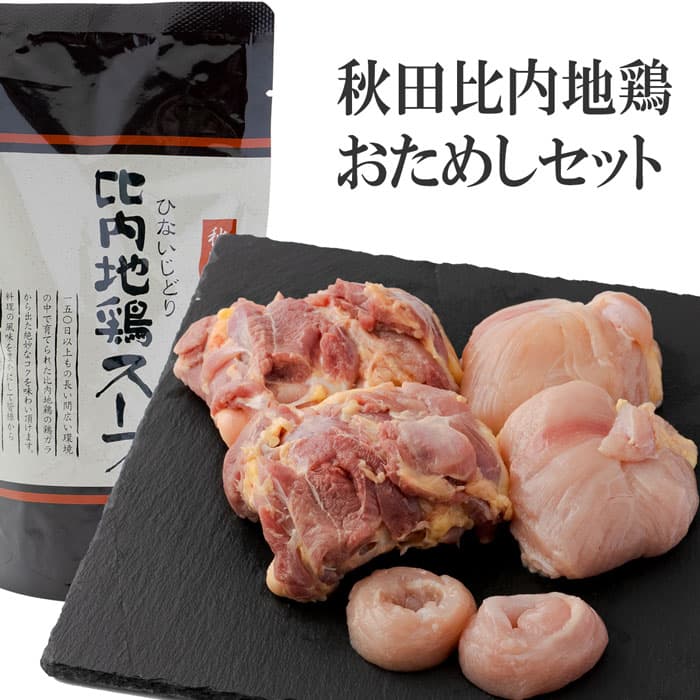
【ギフトにもオススメ】秋田 比内地鶏 おためしセット お肉とスープ リピート歓迎 鶏肉 もも むね ささみ スープは3倍希釈用
approx. 1kg meat + 300g 3x concentrated soup秋田比内地鶏加工センター
4.6 / 14 reviews
 3 images
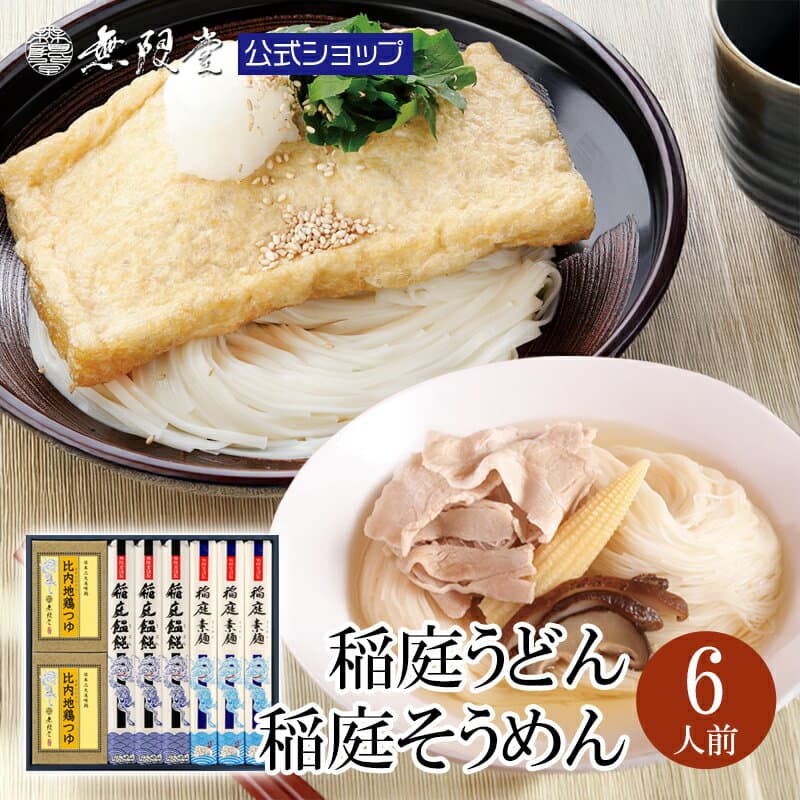
【6/22(月)9:59までP20倍!】稲庭うどん&稲庭そうめん 比内地鶏つゆ付き(6人前)無限堂 父の日 そうめん ギフト 送料無料 稲庭うどん 秋田 お取り寄せ ご当地 グルメ うどん 乾麺 手延 饂飩 素麺 手土産 歳暮 中元 母の日 敬老 年賀 暑中 寒中 御見舞 御祝 内祝 御礼 返礼
6 servings稲庭うどんの無限堂 公式ストア
4.7 / 184 reviews
 3 images
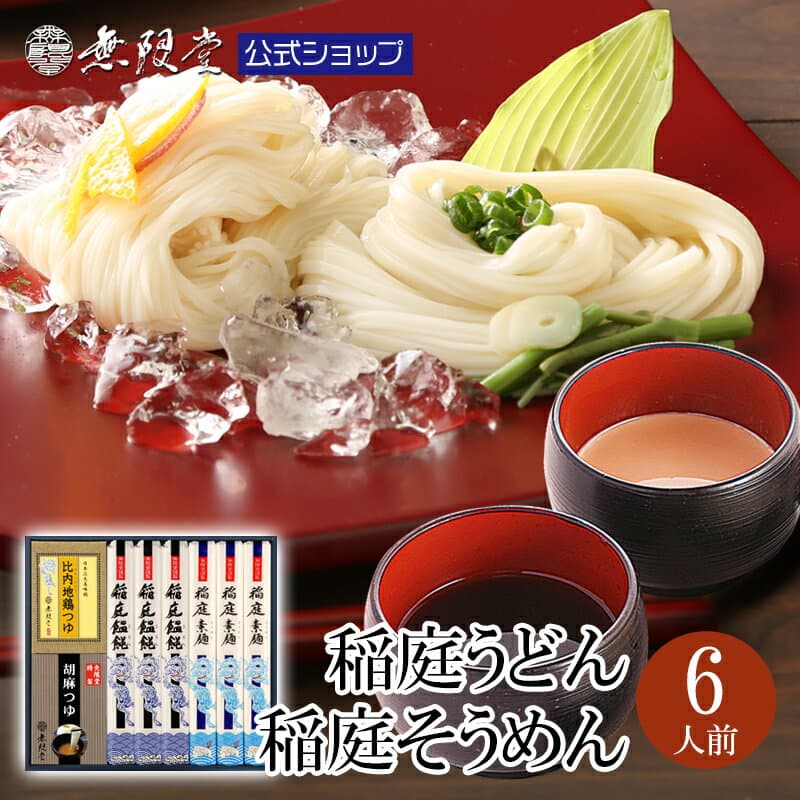
【各種ギフトにおすすめ!】稲庭うどん&稲庭そうめん 2種のつゆ(比内地鶏/胡麻)付き(6人前)無限堂 そうめん ギフト 送料無料 お歳暮 父の日 うどん 乾麺 秋田 素麺 比内地鶏 つゆ ごまつゆ 歳暮 中元 敬老 年賀 寒中 御見舞 御祝 内祝 御礼 代金引換
6 servings, 2 sauces稲庭うどんの無限堂 公式ストア
4.5 / 64 reviews
First time buying on Rakuten? How residents in Japan order →
All 5 listings of this product on Rakuten, lowest price first.
| Listing | Price | Shop | Reviews | Open listing |
|---|---|---|---|---|
Mugendo Inaniwa Udon & Inaniwa Somen with Hinai-jidori Tsuyu 6 servingsLowest priceMost reviewedGift-ready | ¥2,990 | 稲庭うどんの無限堂 公式ストア | 4.7 / 184 reviews | View on Rakuten → |
Mugendo Inaniwa Udon & Inaniwa Somen with Hinai-jidori and Sesame Tsuyu 6 servings, 2 saucesLowest priceGift-ready | ¥2,990 | 稲庭うどんの無限堂 公式ストア | 4.5 / 64 reviews | View on Rakuten → |
Akita Hinai-jidori Chicken Meat & Soup Trial Set approx. 1kg meat + 300g 3x concentrated soupGift-readySmall size to try | ¥5,480 | 秋田比内地鶏加工センター | 4.6 / 14 reviews | View on Rakuten → |
Hinai-jidori Medium Female Chicken Cuts from Daisen, Akita 1 bird, meat approx. 1.1 kg | ¥10,260 | 産直 むすび | 4.7 / 23 reviews | View on Rakuten → |
Hinai-jidori Fresh Chicken Cuts from Daisen, Akita large hen, 1 bird, approx. 1.3kg | ¥11,556 | 産直 むすび | 5.0 / 5 reviews | View on Rakuten → |
Japanese · new tab
Odate city and the Hinai area give Hinai Jidori its clearest shape in Akita. The older Hinai chicken was distributed around Odate and long raised in Hinai; the Hinai Jidori eaten today is a first-generation cross that comes from that line. Its most concrete table setting is kiritanpo hot pot, where meat with wild-bird-like flavor and richness builds a strong stock.
Hinai Jidori begins with a specific place: Odate city and the Hinai area of Akita. The older Hinai chicken was distributed mainly around Odate and was long raised in Hinai, so the name connects the eating bird to northern Akita, local cooking, and producer work. One producer places its own base in Odate city's Hinai-machi Ogita area and describes raising birds in the natural setting of former Hinai town. That detail belongs to that producer, while the concrete setting remains useful: Odate, raising work, poultry processing, meat processing, and soup processing all sit behind the name.
Before Hinai Jidori became a food name, the older Hinai chicken already had uses in local life. Its formation is estimated around the Edo period. Its meat and eggs were used as food, and its feathers were used for military goods and lion-head decoration. Those uses place the bird across meals, materials, and local display. When Hinai Jidori appears in kiritanpo hot pot today, the taste still reaches back to an older chicken line associated with Odate and Hinai.
The Hinai chicken continued through a preservation turning point. Pure Japanese chickens, including the Hinai chicken, declined because they were less productive than meat and egg breeds. After preservation work by Sadaji Yamada of Odate, the Hinai chicken gained natural monument status in 1942. The practical meaning of that year is concrete: a person in Odate worked to keep a local chicken line from disappearing.
The Hinai Jidori now circulated as food is a first-generation cross derived from the Hinai chicken. The older Hinai chicken and the eating bird are separate layers of the name: one points to the preserved Japanese chicken line, and the other points to the edible chicken made from that line. This boundary helps the broth of kiritanpo hot pot remain tied to Odate and Hinai without confusing the protected older bird with the food bird on the table.
Kiritanpo hot pot is the clearest sensory setting for Hinai Jidori. The Odate cultural context connects the home-region definition of kiritanpo with using this chicken meat, and it describes the meat as having wild-bird-like flavor, richness, and excellent stock-making quality. In the pot, the chicken is meat and stock at the same time. A producer in Odate city's Hinai-machi area also names Hinai Jidori as an important ingredient for the stock of kiritanpo hot pot.
The modern outline of Hinai Jidori also includes producer work in 1987. Former Hinai town, the local agricultural cooperative, and one company worked together to build a branding structure for Hinai Jidori and set up a producer section. Around 1982, annual raising stood at a little over 1,900 birds, with most consumed locally. Those dates, groups, and numbers make the shift concrete: Hinai Jidori moved from mostly local consumption toward a more organized production structure in former Hinai town.
Akita's framework around the Hinai Jidori name covers food labeling, production-area items, research and technical work, and yearly DNA identification results. Placed after Odate, Hinai, the chicken line, and kiritanpo stock, these items have a clear role: they hold the name within place, labeling, and identification boundaries. Returned to the table, the hot pot stock carries two linked outlines, one from the edible cross made from the Hinai chicken line and one from Akita's handling of the name.
Hinai Jidori becomes easiest to understand through a concrete sequence: Odate and Hinai in northern Akita, the older Hinai chicken estimated around the Edo period, its uses for meat, eggs, and feathers, Sadaji Yamada's preservation work in Odate, the edible first-generation cross, and kiritanpo stock with wild-bird-like flavor and richness. Together, those details show a regional food held by place name, chicken line, hot pot use, and producer work.
Compiled from public records and official sources; see the recognition links below. Details may change over time.
Where this product is officially registered, designated, or recognized in Japan.
Regional collective trademark
Registered as a Regional Collective Trademark with the Japan Patent Office.
Sources1
It is written as 比内地鶏 in Japanese. Search Rakuten and other Japanese sites with that spelling — the English name will not bring up the listings.
Hinai Jidori is an Akita regional food rooted in Odate city and the Hinai area. The older Hinai chicken is a Japanese chicken estimated to have formed around the Edo period; its meat and eggs were used as food, and its feathers for military goods and lion-head decoration. As pure Japanese chickens declined, Sadaji Yamada of Odate worked to preserve the line before its 1942 natural monument status. The eating bird now called Hinai Jidori is a first-generation cross from that line. Its rich, wild-bird-like flavor and stock-making strength tie it closely to kiritanpo hot pot.
Hinai Jidori is strongly connected to Odate city and the Hinai area of Akita. The older Hinai chicken is described as a Japanese chicken distributed mainly around Odate and long raised in the Hinai area. The Hinai chicken is estimated to have formed around the Edo period, and older documents connect its meat, eggs, and feathers to food and material uses. Pure Japanese chickens including the Hinai chicken declined because of lower productivity, and preservation work by Sadaji Yamada of Odate preceded the 1942 natural monument designation.
Kiritanpo hot pot is closely tied to the use of Hinai Jidori meat, and one producer names it as an important stock ingredient.
Storage varies by product — shelf-stable, refrigerated, or frozen — and is stated on the packaging and the Rakuten listing. Shelf-stable processed foods usually need refrigerating once opened and eating within a few days; chilled and frozen items go straight into storage on arrival. Treat the best-before date on the physical packaging as authoritative.
Most options are shelf-stable, boxed, and travel well, so they suit gifting or bringing home. Confirm the final storage and delivery terms on the Rakuten listing.
On Rakuten: the shops listed here right now are 産直 むすび, 秋田比内地鶏加工センター, 稲庭うどんの無限堂 公式ストア. We don't sell directly; purchase, payment, stock, and delivery are all handled on the Rakuten product page.