 3 images
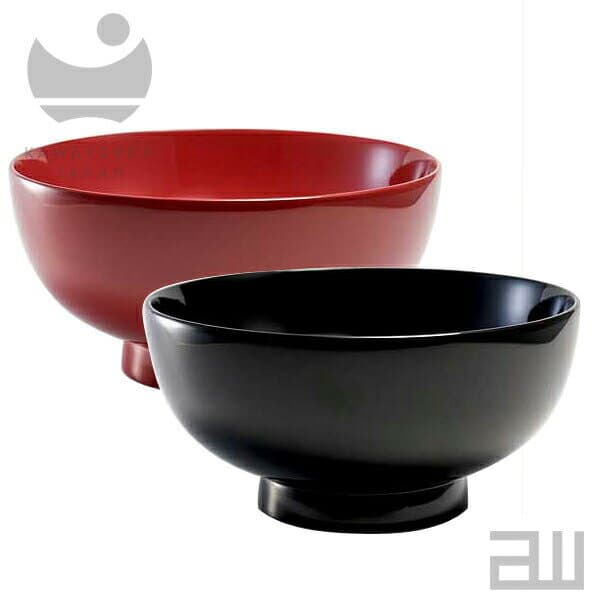
Kawatsura Lacquerware IBURIWANCO Sankyu Lacquer Bowl
《全2色》燻椀 三九椀 IBURIWANCO 川連漆器 【漆椀 デザイン雑貨 キッチン雑貨 国産 伝統 made in japan 日本製 秋田 漆塗り 食器 食卓 台所 東京椀 お吸い物】
Sankyu bowlACT WORK’S
5.0 / 1 reviews
Japanese name川連漆器
In Kawatsura-machi, Yuzawa, Akita, real wood, lacquer, chinkin carving, and maki-e powder connect an 800-year path with bowls, chopsticks, trays, tables, and chests for everyday life.
Information last updated yesterday
3 images《全2色》燻椀 三九椀 IBURIWANCO 川連漆器 【漆椀 デザイン雑貨 キッチン雑貨 国産 伝統 made in japan 日本製 秋田 漆塗り 食器 食卓 台所 東京椀 お吸い物】
Sankyu bowlACT WORK’S
5.0 / 1 reviews
 3 images
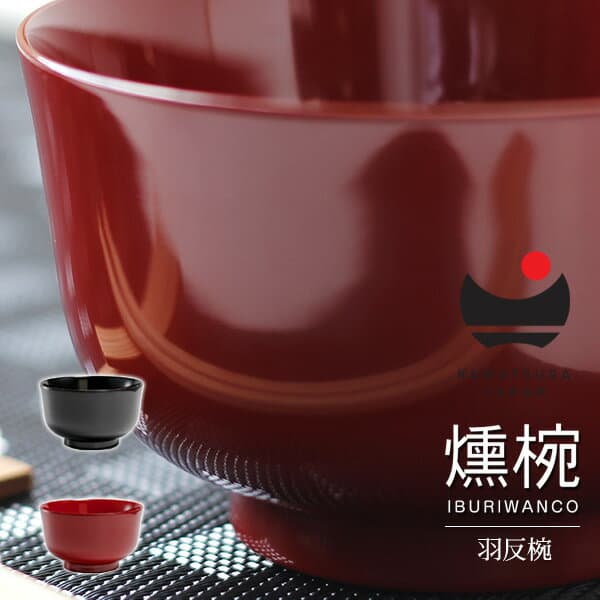
IBURIWANCO 燻椀 羽反椀【川連漆器 漆 お椀 秋田県】
flared-rim bowlエフシーインテリア
4.7 / 7 reviews
 3 images
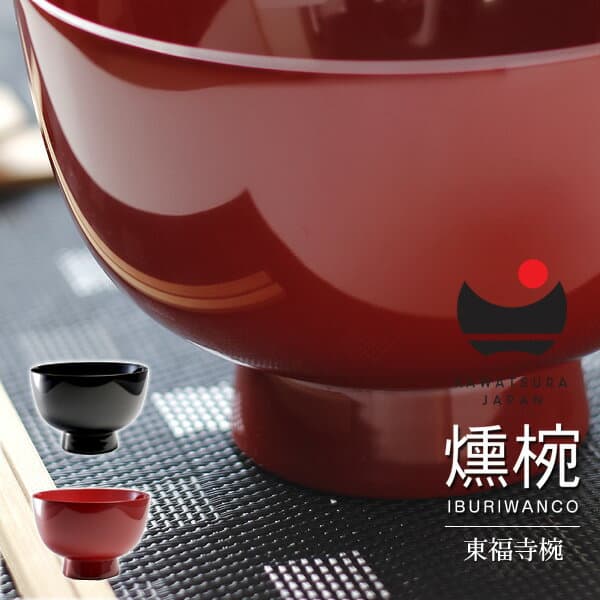
IBURIWANCO 燻椀 東福寺椀【川連漆器 漆 お椀 秋田県】
Tofukuji bowlエフシーインテリア
5.0 / 3 reviews
 3 images
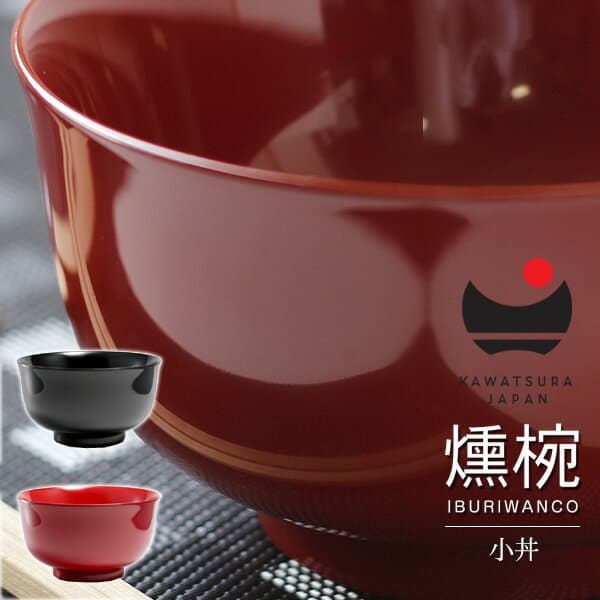
IBURIWANCO 燻椀 小丼【川連漆器 漆 お椀 秋田県】
small donburi bowlエフシーインテリア
5.0 / 1 reviews
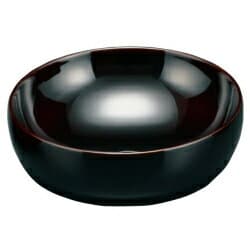
漆器小鉢(川連) 丸子鉢 本溜 1個 (消費税10%)
Hon-tame, 1 piece有機家
5.0 / 2 reviews
First time buying on Rakuten? How residents in Japan order →
All 5 listings of this product on Rakuten, lowest price first.
| Listing | Price | Shop | Reviews | Open listing |
|---|---|---|---|---|
Kawatsura Lacquerware IBURIWANCO Sankyu Lacquer Bowl Sankyu bowlLowest price | ¥5,940 | ACT WORK’S | 5.0 / 1 reviews | View on Rakuten → |
Kawatsura Lacquerware Round Small Bowl Hon-tame, 1 piece | ¥6,025 | 有機家 | 5.0 / 2 reviews | View on Rakuten → |
IBURIWANCO Kawatsura Lacquerware Flared-Rim Soup Bowl flared-rim bowlMost reviewed | ¥6,600 | エフシーインテリア | 4.7 / 7 reviews | View on Rakuten → |
IBURIWANCO Smoked Tofukuji Bowl, Kawatsura Lacquerware Tofukuji bowl | ¥8,580 | エフシーインテリア | 5.0 / 3 reviews | View on Rakuten → |
Kawatsura Lacquerware IBURIWANCO Lacquer Bowl small donburi bowl | ¥13,200 | エフシーインテリア | 5.0 / 1 reviews | View on Rakuten → |
Japanese · new tab
Kawatsura lacquerware belongs to Kawatsura-machi in Yuzawa City, Akita. Its roots are traced to farmers' side work lacquering weapons about 800 years ago; around 400 years ago, everyday bowl making became part of the local craft base. Bowls still define much of the work, accounting for about 60 percent of current production, while the range also includes chopsticks, trays, tables, and chests. Repeated lacquer on real wooden bodies gives the ware its everyday strength, and the decoration is just as material: chinkin leaves gold leaf inside carved lines, while maki-e sets powder onto patterns drawn in lacquer.
Kawatsura lacquerware is centered in Kawatsura-machi, Yuzawa City, Akita. The Kawatsura Lacquerware Traditional Crafts Museum and the Akita lacquerware cooperative are both located at Odate-Nakano 142-1 in Kawatsura-machi, and the making process is tied to local base preparation, coating, chinkin, and maki-e. The place connection is practical: wooden forms, lacquer layers, carving, gold leaf, powder, and brushwork belong to the same production area.
The beginning of Kawatsura lacquerware is traced to farmers' side work lacquering weapons about 800 years ago. Around 400 years ago, everyday bowl making became part of the craft's foundation, and bowls now account for about 60 percent of production. Continuity here has a concrete shape: lacquer moved from the surface of weapons to bowls held at meals.
Kawatsura lacquerware is made by applying lacquer to real wood, a method presented as an older way of making durable objects for regular use. The strength comes from wood bodies and lacquer layers that support bowls, chopsticks, and trays as everyday utensils. The surface may shine, but the daily character begins with the wooden body under the lacquer.
Chinkin begins with a sketched pattern, then uses a side-carving tool to cut the outline and a finer carving tool to work inside the contour and shaded areas. Lacquer is rubbed into the carved parts, gold leaf is placed over them, and excess gold is wiped away with fine Japanese paper. The remaining gold sits in the cut marks, letting the pattern rise from the lacquered surface.
Maki-e follows a different sequence. A sketched pattern is traced with lacquer, powder is sprinkled over the surface, and fine details such as leaf veins are finished with a maki-e brush. On bowls or other objects, the decoration is built from lacquer, powder, and hand movement rather than color alone.
The range of Kawatsura lacquerware extends beyond a single bowl form. The museum presents more than 800 works or products by cooperative members, including chopsticks, bowls, trays, tables, and chests, while the cooperative describes the area as able to make small and large objects, round forms and square forms. Bowls remain central, but the same wood-and-lacquer work reaches into larger household objects.
The Akita lacquerware cooperative says Kawatsura lacquerware can be recoated and repaired. That detail changes the time scale of an everyday bowl or pair of chopsticks: the wooden body and lacquered surface can be cared for again, keeping the object close to daily use over time.
Kawatsura lacquerware is easiest to understand through concrete things: Kawatsura-machi in Yuzawa, real wooden bodies, repeated lacquer, chinkin carving, maki-e powder, and bowls that still anchor production. Its path from weapon lacquering about 800 years ago to everyday bowl making about 400 years ago remains visible in utensils for the table and larger objects for the home. The craft's continuity sits in the hand, in a bowl, chopsticks, a tray, a table, or a chest made from wood and lacquer.
Compiled from public records and official sources; see the recognition links below. Details may change over time.
Where this product is officially registered, designated, or recognized in Japan.
It is written as 川連漆器 in Japanese. Search Rakuten and other Japanese sites with that spelling — the English name will not bring up the listings.
Kawatsura lacquerware is made around Kawatsura-machi in Yuzawa City, Akita. Its roots are traced to farmers' side work lacquering weapons about 800 years ago, and everyday bowl making developed around 400 years ago. Bowls now account for about 60 percent of production, with items ranging from chopsticks and trays to tables and chests. Real wood, repeated lacquer, chinkin, and maki-e define its daily-use character.
The Kawatsura Lacquerware Traditional Crafts Museum and Akita lacquerware cooperative are located at Odate-Nakano 142-1 in Kawatsura-machi, Yuzawa City. Chinkin involves carving, rubbing lacquer into the cuts, placing gold leaf, and wiping away excess gold. Maki-e involves tracing a pattern with lacquer, sprinkling powder, and finishing details with a maki-e brush. Kawatsura lacquerware can be recoated and repaired.
Bowls and chopsticks are used for everyday meals. Trays, tables, and chests are also used as everyday items in the home. The lacquerware can be recoated and repaired for continued use.
Porous earthenware is usually given a "medome" treatment first — simmer it gently in rice-rinsing water (or water with a little flour), then cool, rinse, and air-dry. This reduces staining and odour absorption. Porcelain normally just needs a wash. Follow the listing where it says otherwise.
Handmade earthenware, pieces with gold or silver overglaze, and lacquerware generally should not go in a dishwasher, microwave, or heated drying cabinet; heat-resistant porcelain usually can. Check the Rakuten listing for the specific piece.
Most options are shelf-stable, boxed, and travel well, so they suit gifting or bringing home. Confirm the final storage and delivery terms on the Rakuten listing.
On Rakuten: the shops listed here right now are ACT WORK’S, エフシーインテリア, 有機家. We don't sell directly; purchase, payment, stock, and delivery are all handled on the Rakuten product page.