 3 images
Fukuoka Nori Butter-Flavored Snack Seaweed
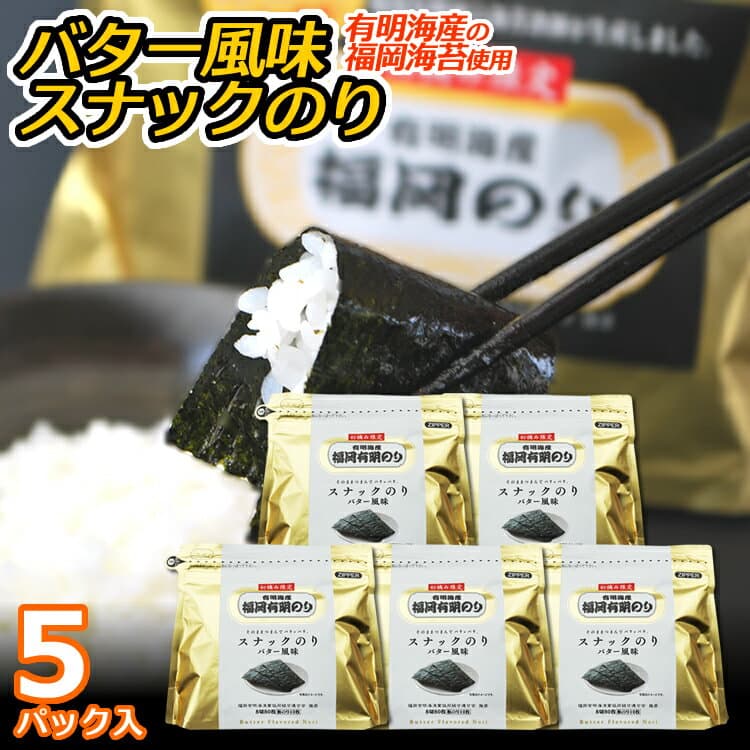
《福岡のり》バター風味スナックのり 5パック初摘み限定☆有明海産の福岡海苔を使用【送料無料】
5 packsカニ缶詰の OH!GLE(オーグル)
4.7 / 29 reviews
Japanese name福岡のり
On southern Fukuoka’s Ariake Sea, river nutrients, stake nets, and low-tide drying shape soft nori with aroma, quick melt, and clear umami for onigiri, makizushi, and soup.
Information last updated 119 days ago
3 images《福岡のり》バター風味スナックのり 5パック初摘み限定☆有明海産の福岡海苔を使用【送料無料】
5 packsカニ缶詰の OH!GLE(オーグル)
4.7 / 29 reviews
 3 images
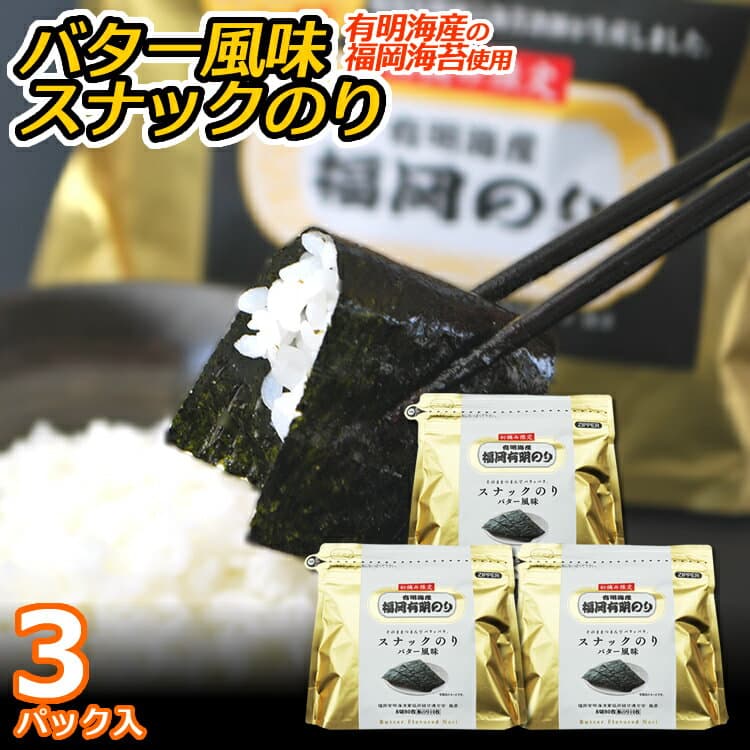
《福岡のり》バター風味スナックのり 3パック初摘み限定☆有明海産の福岡海苔を使用【送料無料】
3 packsカニ缶詰の OH!GLE(オーグル)
4.7 / 7 reviews
3 images《福岡のり》バター風味スナックのり 3パック初摘み限定☆有明海産の福岡海苔を使用【送料無料】
3 packsカニ缶詰の OH!GLE(オーグル)
4.3 / 4 reviews
First time buying on Rakuten? How residents in Japan order →
Fukuoka Ariake nori grows on the Ariake Sea side of southern Fukuoka, where the Chikugo, Yabe, and other rivers feed broad tidal flats and the tide can move by up to about six meters. The nori grows on seeded nets stretched across stake-divided sea plots, meets the wind at low tide, then passes through washing, cutting, sheet-forming, drying, and inspection. By the time it reaches onigiri, makizushi, soup, or miso soup, its aroma and soft melt still point back to the winter sea that shaped it.
Compiled from public records and official sources; see the recognition links below. Details may change over time.
Where this product is officially registered, designated, or recognized in Japan.
Regional collective trademark
Registered as a Regional Collective Trademark with the Japan Patent Office.
Sources1
It is written as 福岡のり in Japanese. Search Rakuten and other Japanese sites with that spelling — the English name will not bring up the listings.
Fukuoka nori (Fukuoka Ariake nori) is grown on southern Fukuoka's Ariake Sea, where the Chikugo, Yabe, and other rivers feed nutrients into broad tidal flats with a tide range of up to about six meters. Farmers use stake-net cultivation and low-tide exposure (kanshutsu) so wind reaches the nori, giving it a soft texture and umami that releases easily. Harvest runs from around November to March, and the first pick is noted for aroma, quick melt, and umami.
Seeding for the nori begins around mid-October, marking the start of the growing season. The Ariake Sea's broad tidal flats support the stake-divided sea plots used for cultivation. First-pick nori quality peaks between November and January. Processing dry nori includes washing, cutting, sheet forming, dewatering, drying, inspection, bundling into sets of 100 sheets, and grading.
First-pick nori, prized for aroma, melt in the mouth, and umami, is in season from November to January, though the prefecture notes harvesting continues to around March. It is tasty simply wrapped around salted rice balls (onigiri), its black shine and aroma pairing with white rice. It is used in makizushi and other home cooking, is popular in sushi restaurants, adds a rich seashore aroma to soup or miso soup, and is also eaten plain as grilled nori.
Storage varies by product — shelf-stable, refrigerated, or frozen — and is stated on the packaging and the Rakuten listing. Shelf-stable processed foods usually need refrigerating once opened and eating within a few days; chilled and frozen items go straight into storage on arrival. Treat the best-before date on the physical packaging as authoritative.
Most options are shelf-stable, boxed, and travel well, so they suit gifting or bringing home. Confirm the final storage and delivery terms on the Rakuten listing.
On Rakuten: the shops listed here right now are カニ缶詰の OH!GLE(オーグル). We don't sell directly; purchase, payment, stock, and delivery are all handled on the Rakuten product page.