 3 images
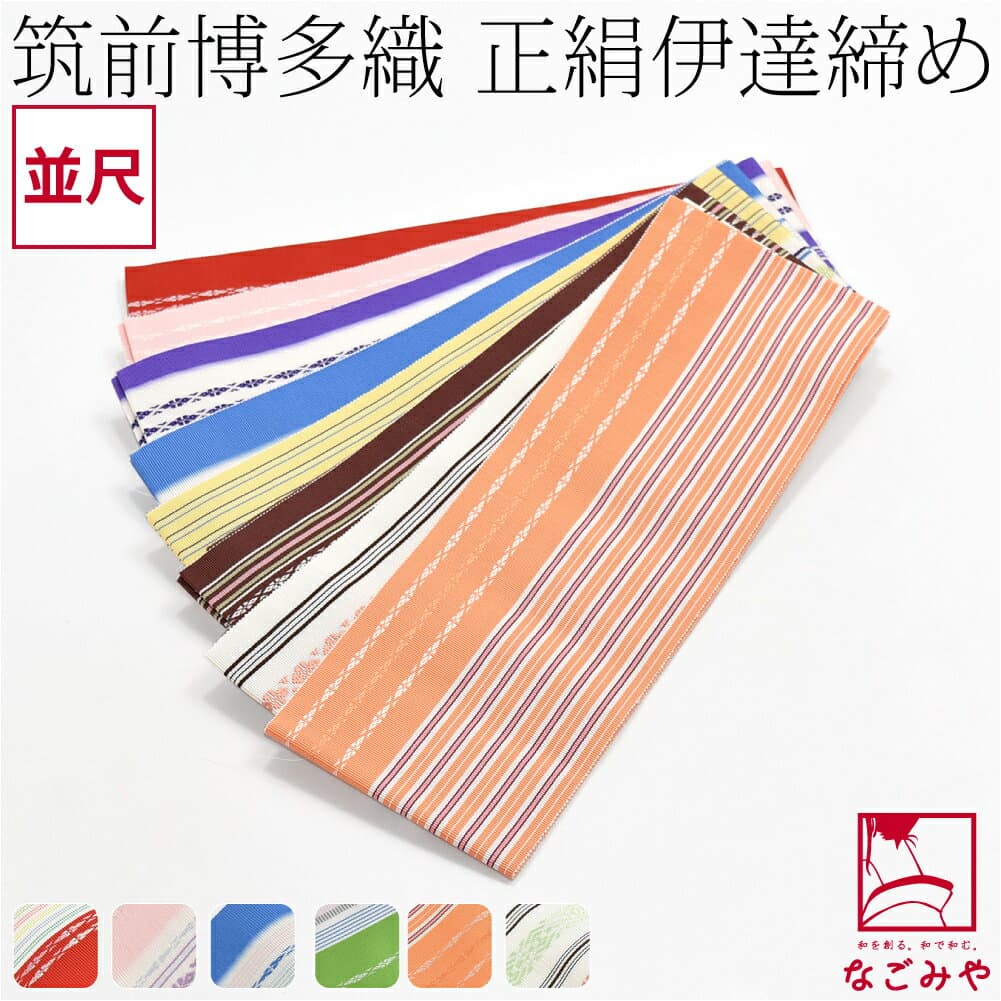
Hakata-ori Silk Datejime Kimono Sash
\マラソン最終日×最大1000円クーポン/ ★4.6【ランキング1位受賞】 伊達締め 博多織 通年用 日本製 正絹 伊達締め 本筑 カラー 柄お任せ 並尺 着付け小物 着物 伊達じめ だてじめ 礼装 おしゃれ 大人 レディース 女性
standard length, assorted color/pattern着物なごみや
4.6 / 125 reviews
Japanese name博多織
Hakataori is a silk textile from Fukuoka’s Hakata craft landscape, known for tightly beaten warp and weft, durable obi, Kenjo-gara patterns, and contemporary small goods.
Information last updated 7 days ago
3 images\マラソン最終日×最大1000円クーポン/ ★4.6【ランキング1位受賞】 伊達締め 博多織 通年用 日本製 正絹 伊達締め 本筑 カラー 柄お任せ 並尺 着付け小物 着物 伊達じめ だてじめ 礼装 おしゃれ 大人 レディース 女性
standard length, assorted color/pattern着物なごみや
4.6 / 125 reviews
 3 images
創業98年 老舗フォーマルバッグ専門メーカー【岩佐公式】【ランキング1位】フォーマルバッグ 日本製 大きめ ブランド 博多織 編み手 葬儀 お葬式 弔事 慶弔両用 かばん ブラックフォーマル 黒 喪服バッグ 冠婚葬祭 法事 ハンドバッグ 葬式バッグ 葬儀バッグ 8631
large size, braided handle岩佐直営【楽天市場店】
4.9 / 94 reviews
 3 images
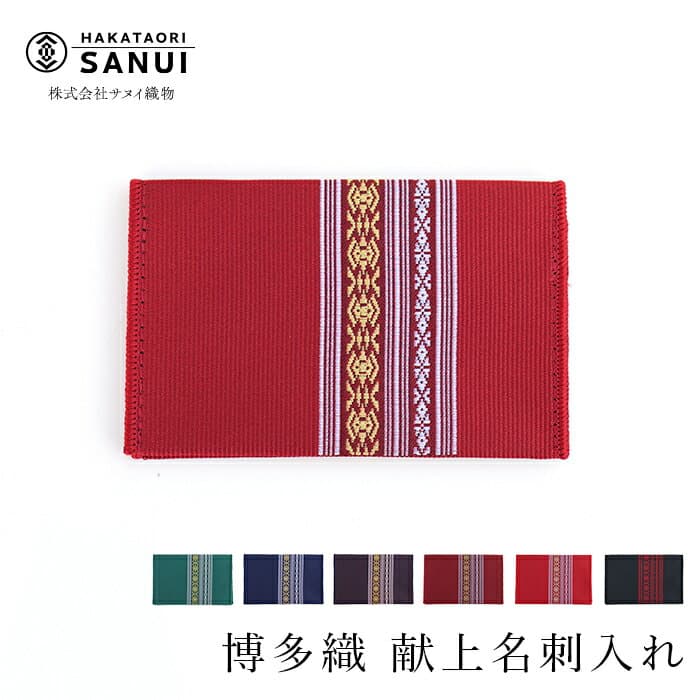
博多織 献上名刺入れ 日本製 サヌイ織物 名刺 カードケース 福岡 土産 博多土産 博多 ギフト 贈り物 織物 和装小物 着物 小物 和小物 絹織物 和柄 薄い
ベコ 楽天市場店
4.8 / 32 reviews
 3 images
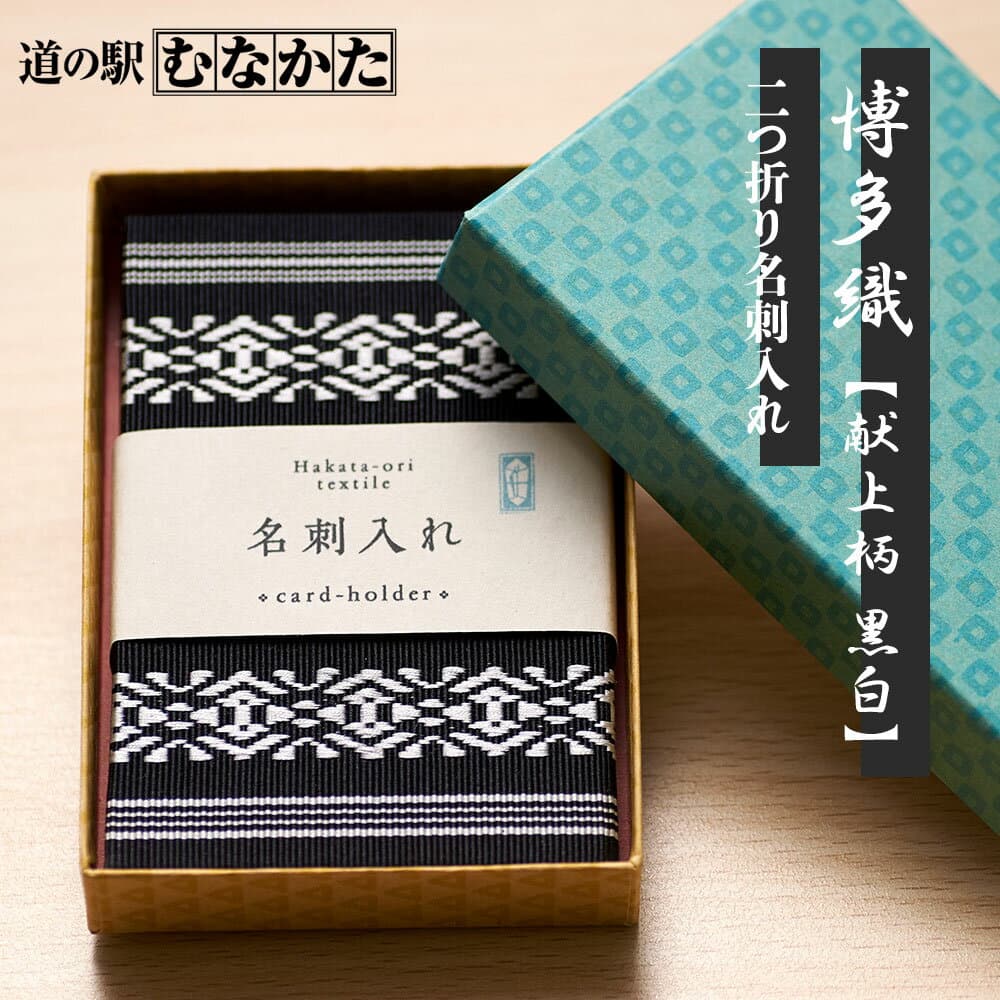
【スーパーSALE 限定セール】博多織 名刺入れ 【献上柄 黒 白】 メンズ レディース 小物 就活 就職 国産 シルク 絹 織物 和柄 献上柄ビジネス カードケース スリム カード入れ 男性 女性 贈答 ギフト 誕生日 プレゼント 伝統工芸 カジュアル 二つ折り 就職祝い 送料無料
Kenjo pattern, black/white道の駅むなかたオンラインショップ
4.7 / 6 reviews
 3 images
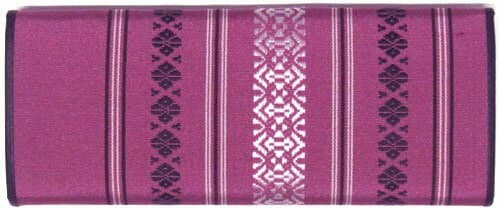
福岡県伝統工芸品 博多織 献上柄眼鏡入れ 眼鏡ケースメガネケース ピンク色
pink和風雑貨 不知火
5.0 / 2 reviews
First time buying on Rakuten? How residents in Japan order →
All 5 listings of this product on Rakuten, lowest price first.
| Listing | Price | Shop | Reviews | Open listing |
|---|---|---|---|---|
Hakata-ori Kenjo Card Case by Sanui Orimono Lowest priceGift-ready | ¥1,980 | ベコ 楽天市場店 | 4.8 / 32 reviews | View on Rakuten → |
Hakata-ori Silk Datejime Kimono Sash standard length, assorted color/patternMost reviewed | ¥2,880 | 着物なごみや | 4.6 / 125 reviews | View on Rakuten → |
Hakata-ori Silk Business Card Holder Kenjo pattern, black/whiteGift-ready | ¥5,500 | 道の駅むなかたオンラインショップ | 4.7 / 6 reviews | View on Rakuten → |
Fukuoka Traditional Craft Hakata-ori Kenjo Pattern Glasses Case pink | ¥7,920 | 和風雑貨 不知火 | 5.0 / 2 reviews | View on Rakuten → |
IWASA Hakata-ori Black Formal Handbag large size, braided handle | ¥29,700 | 岩佐直営【楽天市場店】 | 4.9 / 94 reviews | View on Rakuten → |
Japanese · new tab
In Fukuoka City, Hakataori is tied to places that keep the textile visible. The Hakata Traditional Craft Center presents it among Hakata crafts, a Hakataori craft museum in Odo, Nishi-ku offers learning and hands-on experience, and the Hakataori Industrial Association is based in Narayamachi, Hakata-ku. Together, these places frame the textile through city, workshop community, obi use, small goods, gifts, and interiors.
The place context for Hakataori is concrete rather than abstract. The Hakata Traditional Craft Center lists Hakataori alongside crafts such as Hakata dolls and Hakata magemono; the Hakataori craft museum in Odo, Nishi-ku, Fukuoka City presents the textile as something visitors can learn about and experience; and the Fukuoka Prefecture Products Promotion Association lists the Hakataori Industrial Association under Fukuoka textile products at 5-10 Narayamachi, Hakata-ku. Those addresses and institutions place Hakataori within Fukuoka and Hakata’s living craft map.
Hakataori is defined first by structure. It is a silk textile made by setting many warp threads and strongly beating in thick weft yarns bundled from several fine threads. That construction gives the textile a hand described as flexible yet durable, which explains its close association with kimono obi. Its 1976 national traditional craft designation is useful context, but the reader-facing identity is in the silk, the warp, the bundled weft, and the firmness created at the loom.
A handwoven Hakataori obi brings the process down to the scale of individual threads. The Hakataori Industrial Association describes a single handwoven obi as using more than 10,000 threads, each less than 1 millimeter wide, with production usually taking several months and in some cases around half a year. The work is divided across processes, each supported by precise handwork. The finished strength of the obi comes from many small decisions repeated over time, not from one dramatic gesture.
The early origin account reaches back to the Kamakura period. In that account, the Hakata merchant Mitsuda Yasaburoemon accompanied Shoichi Kokushi to Song China, returned in 1241, and made textiles by adding his own designs to techniques learned there. Read carefully, the account gives Hakataori a named merchant, a route between Song China and Hakata, and a moment when learned technique became local design after the return to Hakata.
The representative Kenjo-gara pattern is connected to an Edo-period act of presentation. Kuroda Nagamasa used Hakataori as an offering to the shogunate, and the pattern associated with that occasion later became known as Kenjo-gara. That connection grounds the pattern in a specific use: cloth moved through formal exchange, and the design remained attached to the memory of that setting.
Hakataori remains closely linked to kimono and obi, yet its present uses extend into smaller and more everyday forms. The Fukuoka Prefecture Products Promotion Association describes the Hakataori Industrial Association as developing items beyond kimono and obi, including gifts and interiors, through collaborations that use the textile’s weaving characteristics; it also notes that the item count is said to exceed 600. The Hakata Traditional Craft Center has presented a Hakataori KOMONO event, and the Fukuoka craft museum has used neckties as a contemporary example.
Hakataori can be read through small, concrete units: threads less than 1 millimeter wide, more than 10,000 of them in a handwoven obi, thick weft yarn beaten into many warp threads, and months of divided handwork. It can also be read through Fukuoka City: the association in Hakata-ku, the craft museum in Odo, and the Hakata Traditional Craft Center. Thread, place, pattern, and use keep the textile recognizable as it moves from obi to small goods, gifts, and interiors.
Compiled from public records and official sources; see the recognition links below. Details may change over time.
Where this product is officially registered, designated, or recognized in Japan.
It is written as 博多織 in Japanese. Search Rakuten and other Japanese sites with that spelling — the English name will not bring up the listings.
Hakata textiles (Hakataori) are silk textiles associated with Fukuoka and Hakata. Thick weft yarns bundled from fine threads are beaten into many warp threads, producing a flexible yet durable fabric closely associated with kimono obi.
A handwoven Hakataori obi may use more than 10,000 threads under 1 millimeter wide and take several months, sometimes around half a year, to make. Hakataori was designated a national traditional craft in 1976. The origin account names Hakata merchant Mitsuda Yasaburoemon, who returned in 1241 after accompanying Shoichi Kokushi to Song China and added his own designs to learned weaving techniques. Kenjo-gara is tied to Kuroda Nagamasa's Edo-period use of Hakataori as an offering to the shogunate.
It is used for kimono obi because the weave is flexible yet durable. Beyond kimono and obi, it is used for gifts, interiors, neckties, and small goods. Visitors can learn about and experience Hakataori at the Hakataori craft museum in Fukuoka City.
Naturally dyed textiles shed some colour on first wash. Hand-wash separately with a neutral detergent, avoid long soaking and bleach, and dry in the shade to prevent fading. Silk, ramie, and traditionally dyed pieces often need professional cleaning — the care label on the listing takes precedence.
Most options are shelf-stable, boxed, and travel well, so they suit gifting or bringing home. Confirm the final storage and delivery terms on the Rakuten listing.
On Rakuten: the shops listed here right now are 着物なごみや, 岩佐直営【楽天市場店】, ベコ 楽天市場店, 道の駅むなかたオンラインショップ. We don't sell directly; purchase, payment, stock, and delivery are all handled on the Rakuten product page.