 3 images
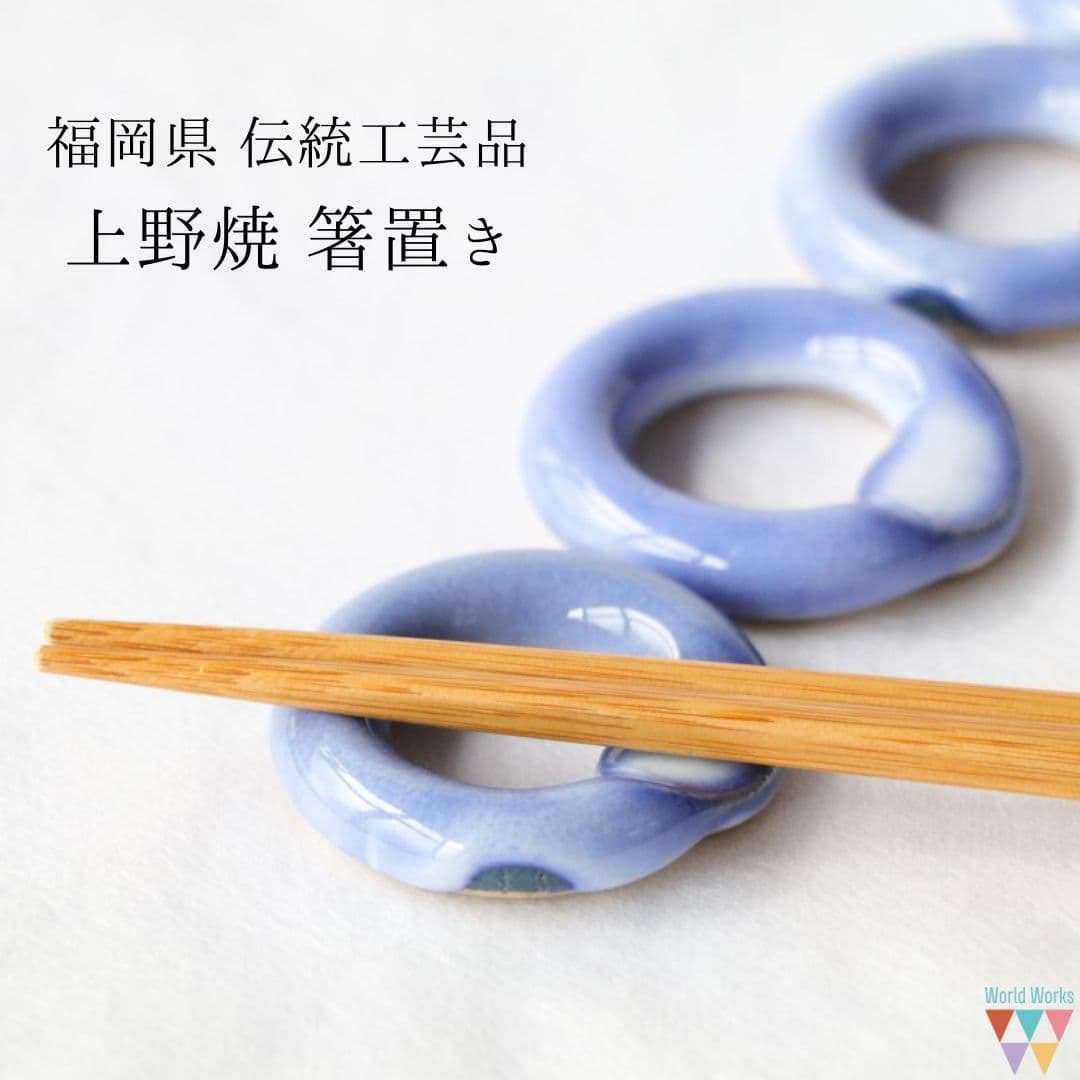
Agano Ware Blue Ring Chopstick Rest by Koshin Kiln
輪っかの箸置き 上野焼 直径約5cm 庚申窯( 作家: こうづるゆうた) 輪 円 ブルー 福岡県 伝統工芸上野焼 あがの焼 日本製 国産 一点もの 丸型 新生活 ギフト プレゼント 新居祝い 引っ越し祝い お祝い 母の日 父の日
blue, approx. 5 cm diameterワールドワークス
Japanese name上野焼
In Agano, Fukuchi, local clay, water, hand glazing and a long firing carry Agano-yaki from tea bowls into plates, vases and daily meals.
Information last updated 120 days ago
3 images輪っかの箸置き 上野焼 直径約5cm 庚申窯( 作家: こうづるゆうた) 輪 円 ブルー 福岡県 伝統工芸上野焼 あがの焼 日本製 国産 一点もの 丸型 新生活 ギフト プレゼント 新居祝い 引っ越し祝い お祝い 母の日 父の日
blue, approx. 5 cm diameterワールドワークス
 3 images
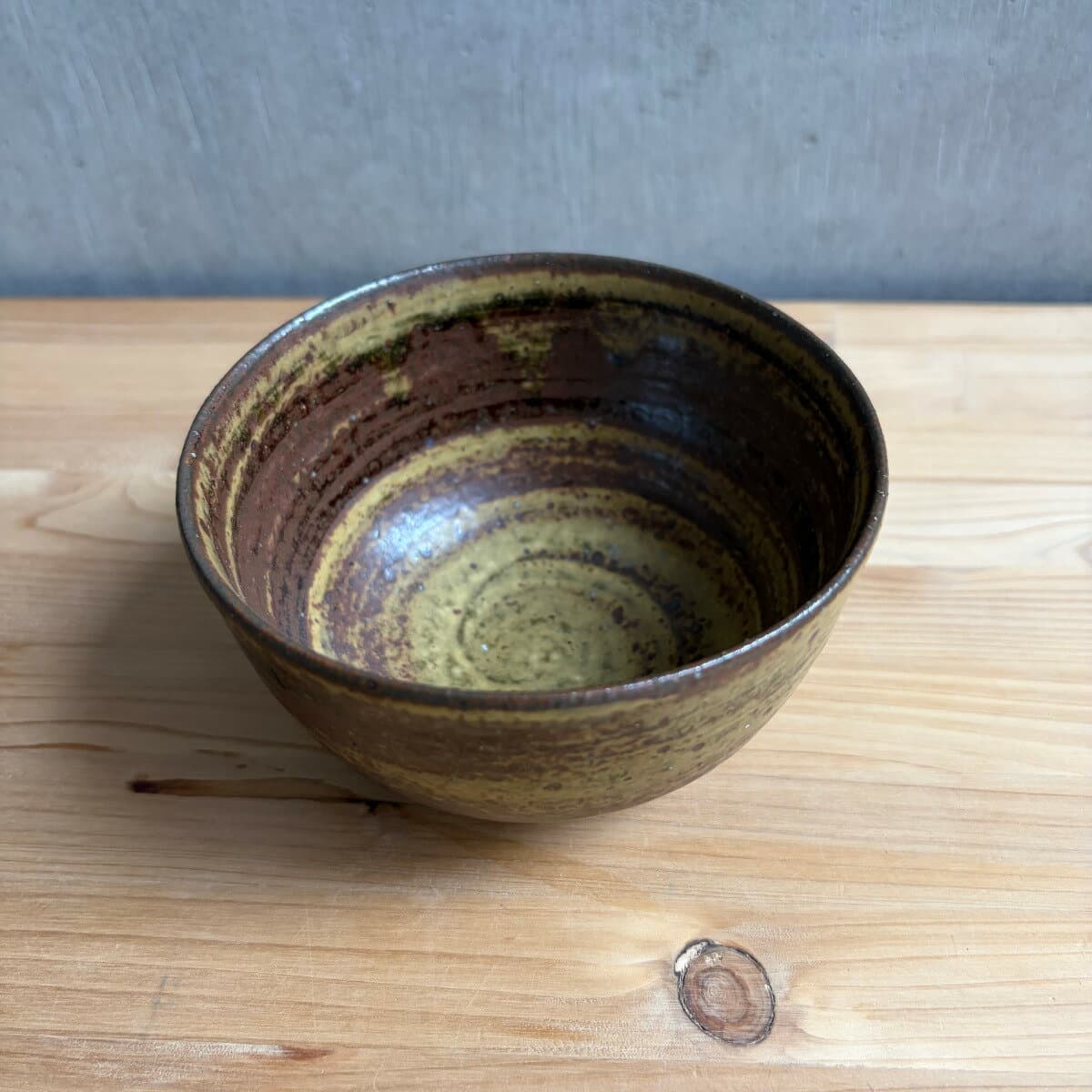
上野焼 梶原窯 茶碗 小鉢 ボウル 陶器 和食器 鉄釉 黄釉 手仕事 福岡県 伝統工芸品
approx. 11 cm diameter x 7 cm heightReboot Life
 3 images
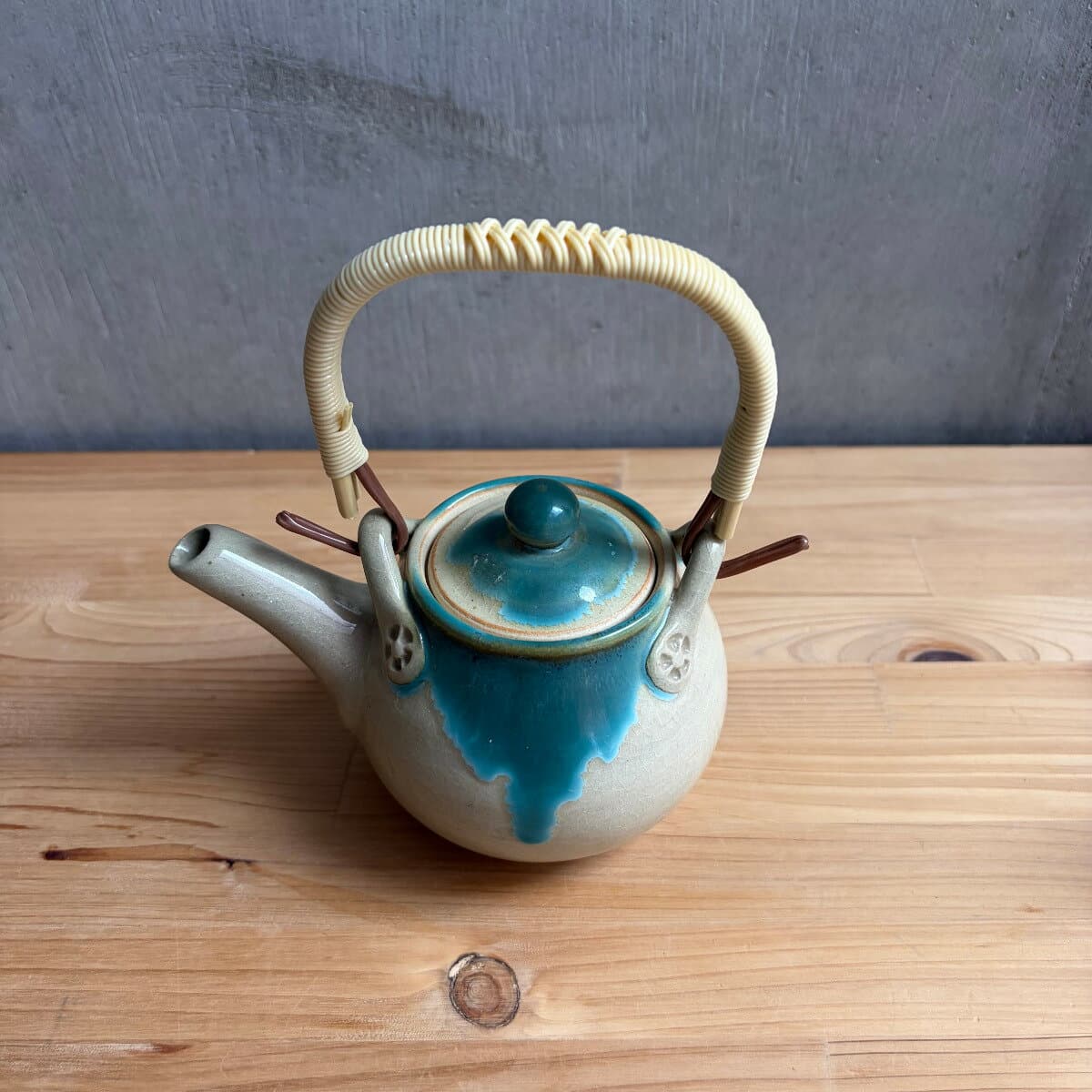
上野焼 梶原窯 土瓶 急須 ティーポット 陶器 和食器 青緑釉 貫入 茶器 手仕事 福岡県
Reboot Life
First time buying on Rakuten? How residents in Japan order →
Agano-yaki begins with a lightness in the hand. Made around Agano in Fukuchi, Fukuoka, the pottery is known for thin bodies, varied glaze surfaces and a copper-derived green flowing glaze. Its opening account reaches back to 1602, when Kokura domain lord Hosokawa Tadaoki is said to have invited the potter Sonkai to build a kiln in Agano. From that tea-ware beginning, today’s kilns make matcha bowls, flat plates, flower vases, single-flower vases and vessels used with local food.
The place name matters. Agano-yaki is tied to the Agano area of Fukuchi in Tagawa District, Fukuoka, where the cooperative and ceramic hall are listed at Agano 2811 and multiple kilns are found in the district. The pottery is described through local clay, water and clear-stream surroundings, so the setting is not background scenery; it is part of the way the clay body, glaze work and firing are understood.
The starting point is usually told through Hosokawa Tadaoki and Sonkai. In 1602, Tadaoki is said to have brought Sonkai to Agano and had a kiln built there; Fukuchi connects this beginning with the Kamanokuchi kiln. The ware later appears in accounts of vessels used by Hosokawa and Ogasawara lords, and in the tea-ware setting associated with Kobori Enshu’s Seven Kilns. A matcha bowl, in this context, carries a feudal kiln, a tea setting and the clay of Agano in one small form.
Thinness and lightness are among Agano-yaki’s clearest physical traits. They come through hand processes: shaping clay, finishing the body, applying glaze by hand and firing the vessel. Each stage changes the rim of a bowl, the weight of a plate and the stance of a vase. The result is a vessel that can feel refined in a tea room while still remaining practical as tableware.
Agano-yaki’s surfaces shift through glaze. Straw ash, minerals and other natural materials can enter the glaze work, while the copper-derived green flowing glaze, called rokusho-nagashi, leaves a recognizable movement of green across the vessel. More than twenty modes of expression are described for the ware. During a firing of roughly thirty hours, makers watch heat and smoke color, and those changes help decide how color, flow and texture settle on the fired surface.
Agano-yaki began as tea ware, but its present forms move through more rooms of daily life. Matcha bowls sit beside flat plates, flower vases, single-flower vases and everyday tableware. In Fukuchi, local dishes are also served in Agano-yaki vessels, bringing glaze color, touch and food together at the table. The same clay that makes a tea bowl can hold a meal or frame a single stem.
Its continuity includes an interruption. When the domain system ended in the Meiji period, accounts describe Agano-yaki as having nearly ceased or its kilns as having closed; the ware was revived in 1902. Today, multiple kilns in Agano make tea ware and daily tableware with varied techniques. Because the provided kiln counts differ by context, the safer reader-facing frame is a living group of kilns rather than a single exact number.
Agano-yaki is easiest to follow through concrete things: Agano clay, Fukuchi water, thin walls, green flowing glaze, roughly thirty hours of firing, and vessels made for tea, flowers and food. Its line from 1602 to the present is not a flat, uninterrupted tale; it includes a Meiji break, a 1902 revival and today’s multiple kilns working in the same Fukuoka town.
Compiled from public records and official sources; see the recognition links below. Details may change over time.
Where this product is officially registered, designated, or recognized in Japan.
It is written as 上野焼 in Japanese. Search Rakuten and other Japanese sites with that spelling — the English name will not bring up the listings.
Agano-yaki is pottery from the Agano area of Fukuchi, Fukuoka. Its opening account goes back to 1602, when Hosokawa Tadaoki is said to have invited the potter Sonkai to build a kiln in Agano. The ware began in tea utensils and is known for thin light bodies, varied glazes and a copper-derived green flowing glaze. Current kilns make matcha bowls, plates, vases, single-flower vases and daily tableware, with local food also served in Agano-yaki vessels in Fukuchi.
Agano-yaki is pottery tied to the Agano area of Fukuchi, Tagawa District, Fukuoka, with the cooperative and ceramic hall listed at Agano 2811. Fukuchi connects the early kiln site with Kamanokuchi kiln in Agano. Agano-yaki began as tea ware and is connected with the Enshu Seven Kilns context. Production includes hand-applied glaze and firing, with the firing process described as roughly thirty hours.
Matcha bowls are used at tea ceremonies for drinking matcha. Flat plates and other daily tableware are used to serve everyday meals. Fukuchi's Agano-yaki omotenashi program serves local dishes in Agano-yaki vessels for visitors.
Porous earthenware is usually given a "medome" treatment first — simmer it gently in rice-rinsing water (or water with a little flour), then cool, rinse, and air-dry. This reduces staining and odour absorption. Porcelain normally just needs a wash. Follow the listing where it says otherwise.
Handmade earthenware, pieces with gold or silver overglaze, and lacquerware generally should not go in a dishwasher, microwave, or heated drying cabinet; heat-resistant porcelain usually can. Check the Rakuten listing for the specific piece.
Most options are shelf-stable, boxed, and travel well, so they suit gifting or bringing home. Confirm the final storage and delivery terms on the Rakuten listing.
On Rakuten: the shops listed here right now are ワールドワークス, Reboot Life. We don't sell directly; purchase, payment, stock, and delivery are all handled on the Rakuten product page.