 3 images
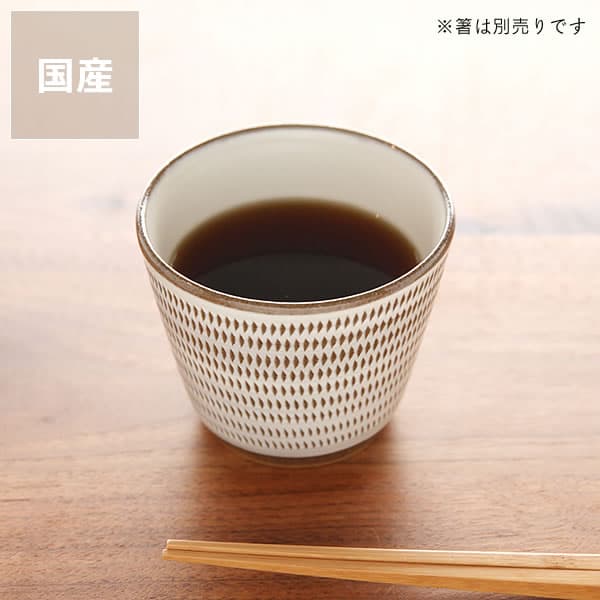
Kurando Kiln Koishiwara Ware Tobikanna Soba Choko Cup
蔵人窯(くらんどがま)小石原焼 ソバチョコトビカンナ(直径9cm)(1個) 父の日 父の日ギフト 焼き物 小石原焼き キッチングッズ ギフト 贈り物 プレゼント キッチン雑貨 キッチン用品 おしゃれ シンプル ナチュラル モダン 焼物 和食器
9 cm diameter, 1 piece家具の里
4.7 / 17 reviews
Japanese name小石原焼
In Koishiwara, Toho Village, Fukuoka, mountain clay, white slip, blades, brushes, combs, and turning wheels shape bowls, plates, yunomi, and other vessels for daily meals.
Information last updated 1 hour ago
3 images蔵人窯(くらんどがま)小石原焼 ソバチョコトビカンナ(直径9cm)(1個) 父の日 父の日ギフト 焼き物 小石原焼き キッチングッズ ギフト 贈り物 プレゼント キッチン雑貨 キッチン用品 おしゃれ シンプル ナチュラル モダン 焼物 和食器
9 cm diameter, 1 piece家具の里
4.7 / 17 reviews
 3 images
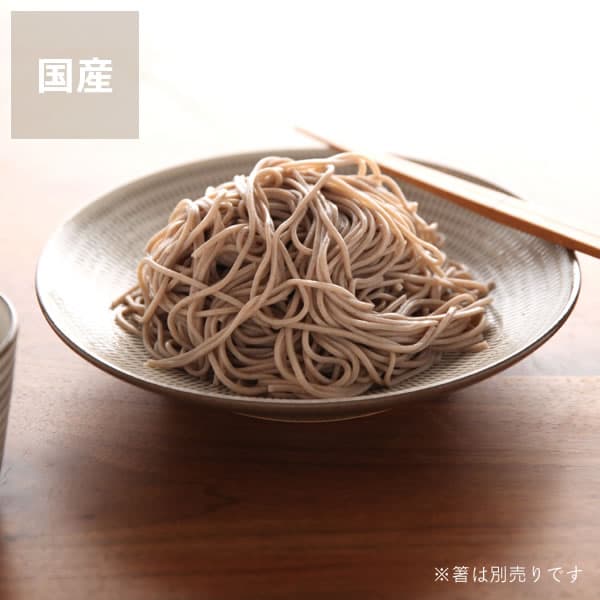
蔵人窯(くらんどがま)小石原焼 平皿トビカンナ(直径22.5cm)(1枚) 父の日 父の日ギフト お皿 焼き物 小石原焼き キッチングッズ ギフト 贈り物 プレゼント キッチン雑貨 キッチン用品 おしゃれ シンプル ナチュラル モダン 焼物 和食器
22.5 cm, 1 plate家具の里
4.6 / 14 reviews
 3 images
【特注アイテム】小石原焼 小石原焼き ココット 目玉焼きを作る器 選べるデザイン 刷毛目 飛び鉋 早川窯元 陶器 食器 器 ももち浜ストア登場 NHK イッピンで紹介されました ※ソーサーは付きません WEB物産展
cocotte only, no saucerReboot Life
4.8 / 9 reviews
 3 images
小石原焼 小石原焼き 花小鉢 14cm 小皿 ドレープ 早川窯元 陶器 食器 器 ギフト プレゼント
14 cm, white grayReboot Life
5.0 / 1 reviews
 3 images
小石原焼 小石原焼き 平皿 飛び鉋 取り皿 5寸皿 15cm 森山寛二郎 實山窯 陶器 食器 器 和食器 おしゃれ
15 cm, matte whiteReboot Life
5.0 / 6 reviews
 3 images
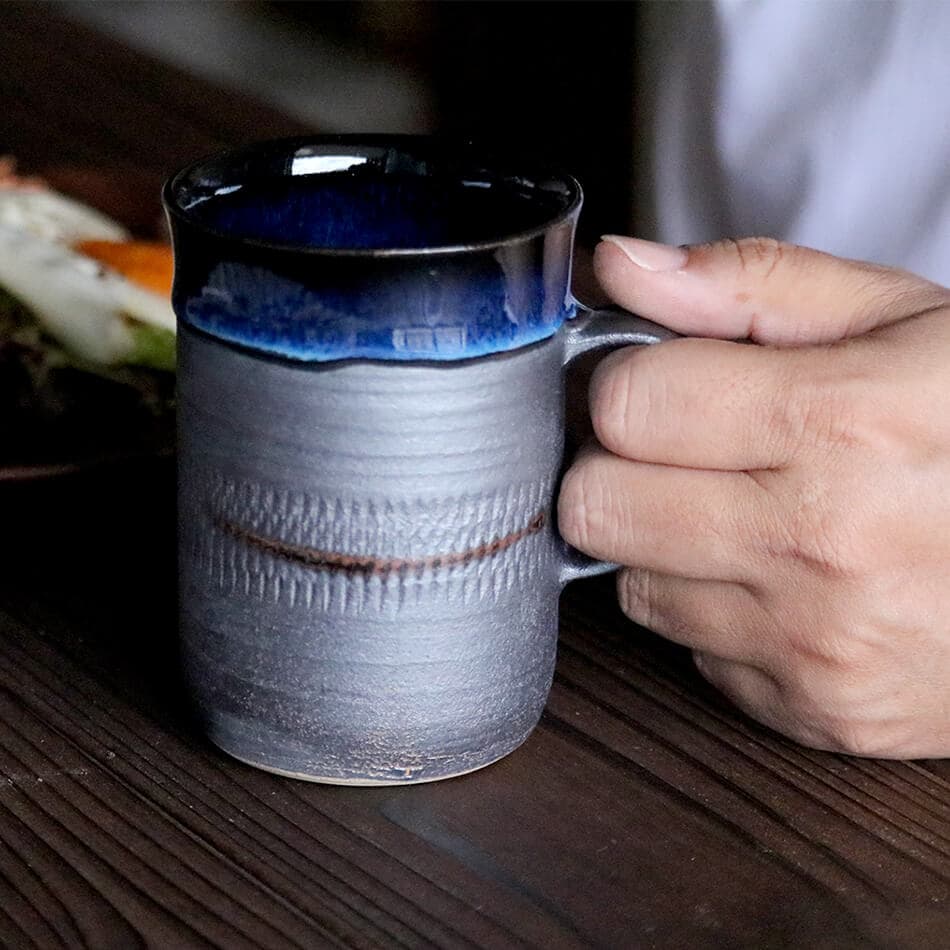
小石原焼 小石原焼き 鉄釉掛分 マグカップ タンブラー 秀山窯 陶器 器 NHK イッピンで紹介
iron-glaze kakewakeReboot Life
4.7 / 3 reviews
 3 images
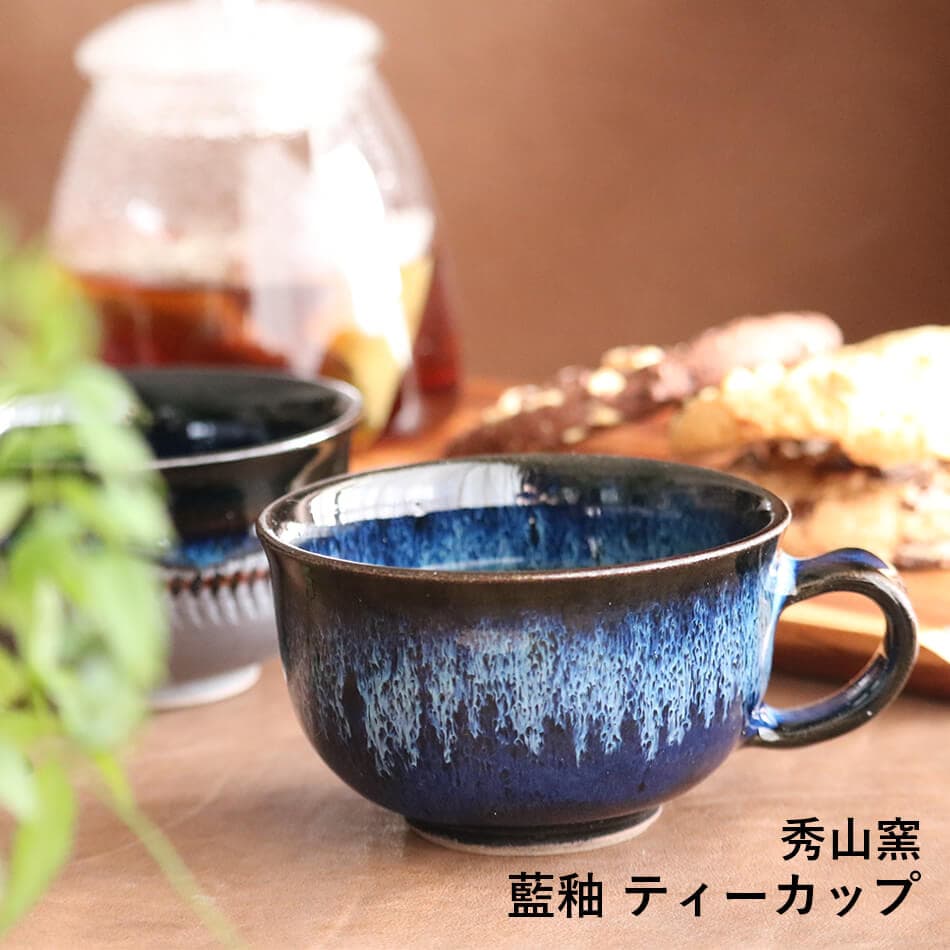
小石原焼 小石原焼き 藍釉 ティーカップ コーヒーカップ 秀山窯 陶器 器 NHK イッピンで紹介
approx. 9.5 cm diameterReboot Life
5.0 / 2 reviews
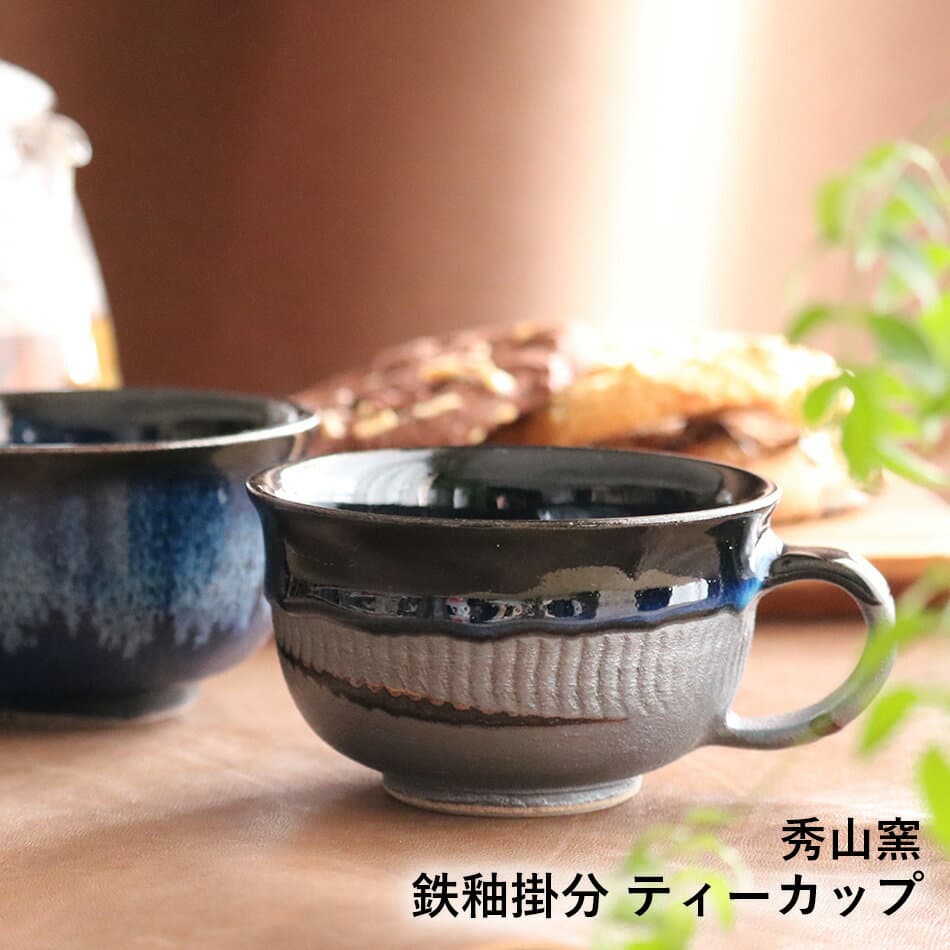 3 images
小石原焼 小石原焼き 鉄釉掛分 ティーカップ コーヒーカップ 秀山窯 陶器 器 NHK イッピンで紹介
iron-glaze two-toneReboot Life
4.0 / 1 reviews
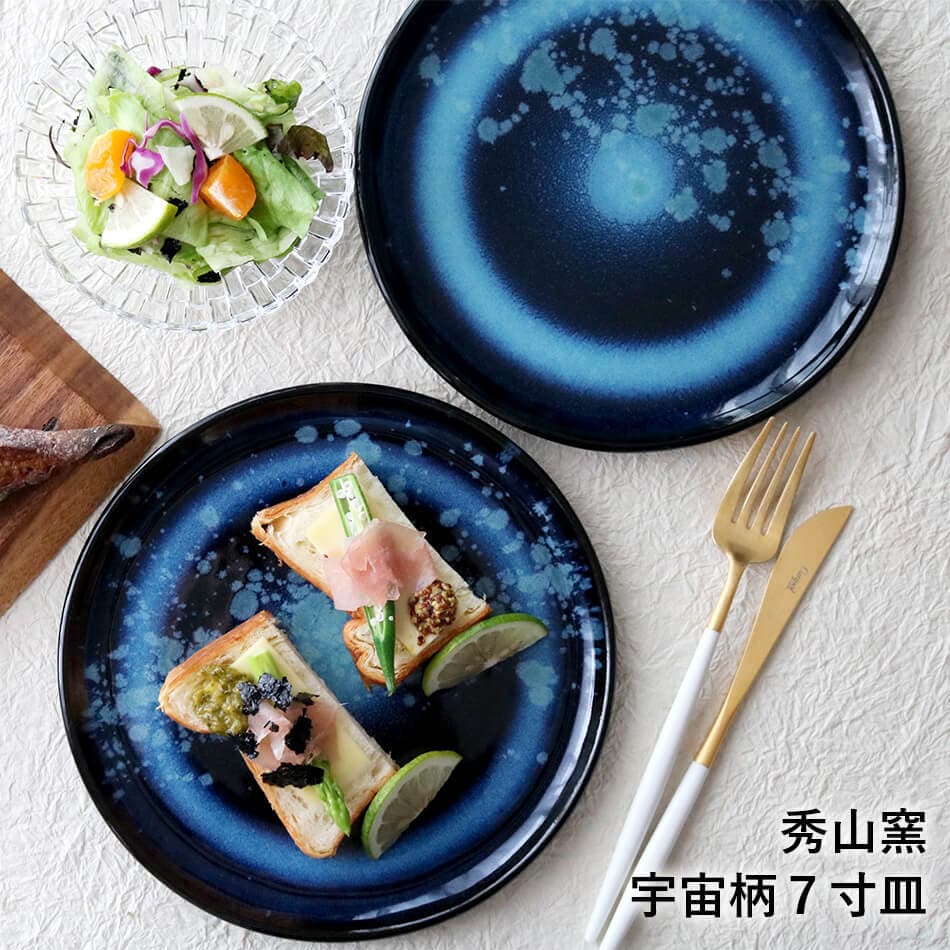 3 images
小石原焼 小石原焼き 藍釉 7寸皿 フラット皿 ワンプレート 宇宙柄 パスタ皿 秀山窯 陶器 器 NHK イッピンで紹介されました
7-sun, approx. 21.0-21.5 cmReboot Life
5.0 / 1 reviews
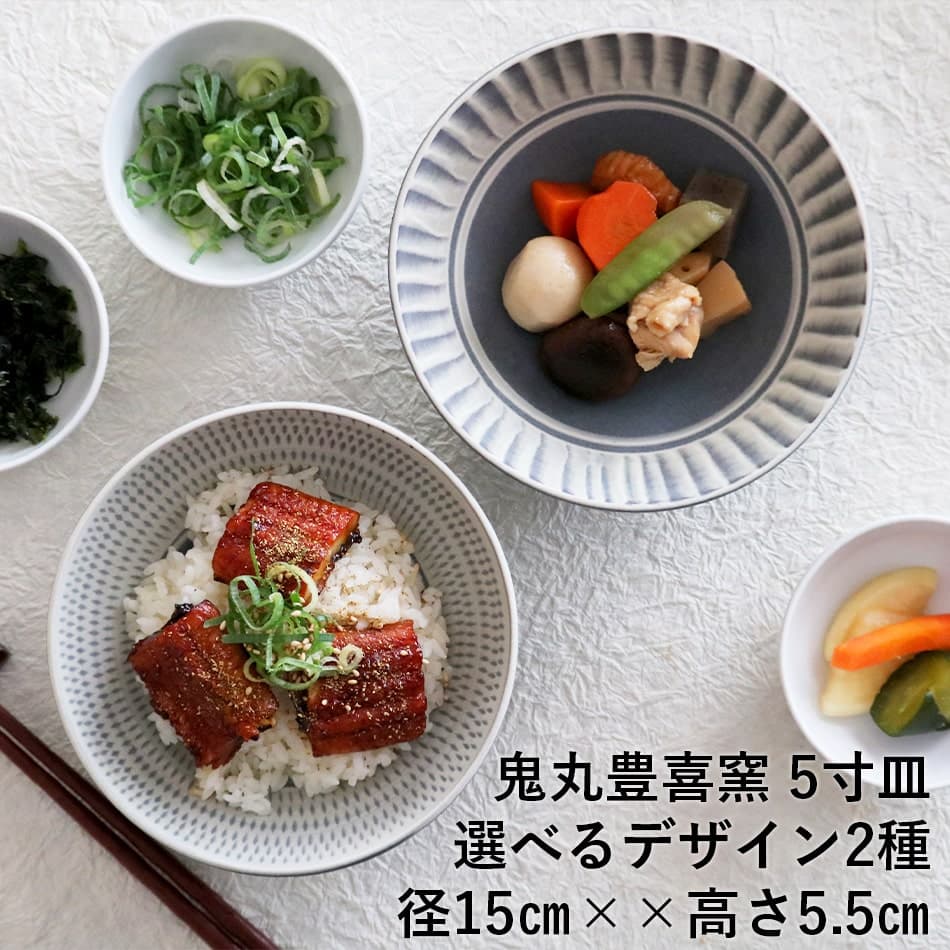 3 images
小石原焼 小石原焼き 飛び鉋5寸鉢 カレー皿 鉢 飛び鉋 刷毛目 鬼丸豊喜窯 陶器 食器 和食器 おしゃれ グレー
Gray, approx. 15 cmReboot Life
4.9 / 7 reviews
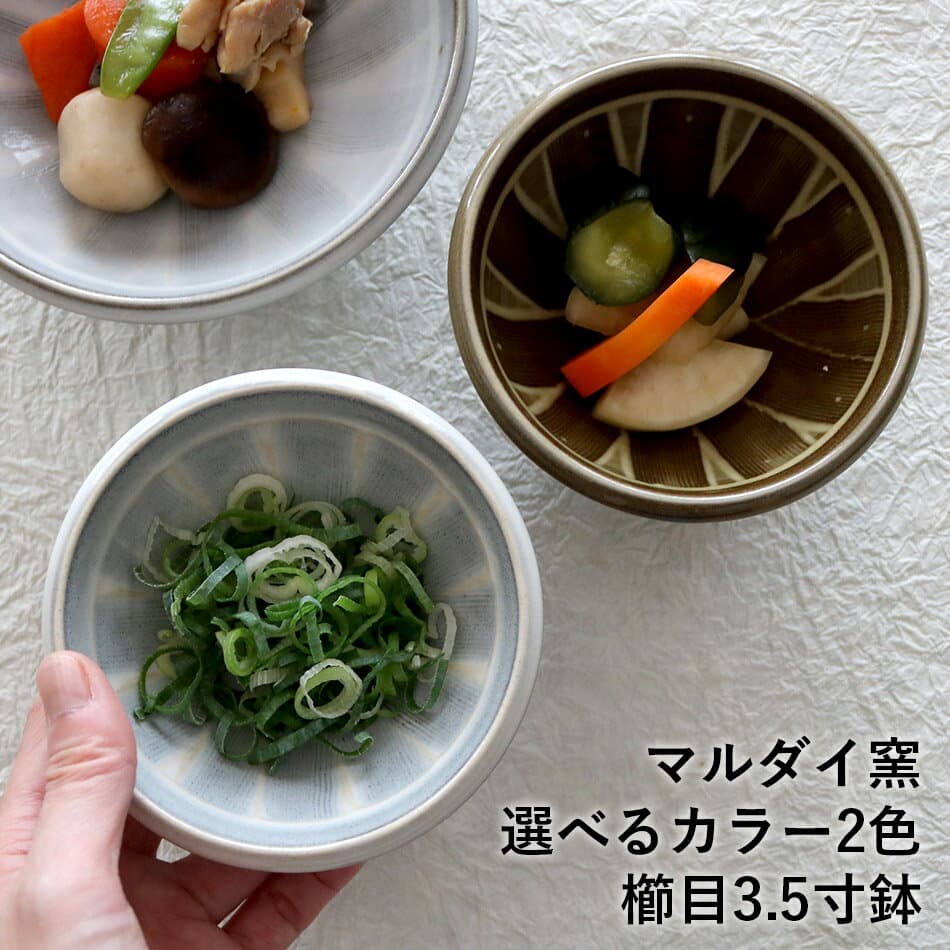 3 images
小石原焼 小石原焼き 櫛目 3.5寸鉢 白 青フラシ 11cm マルダイ窯 陶器 鉢
3.5-sun, 11 cm, white/blue furashiReboot Life
5.0 / 4 reviews
 3 images
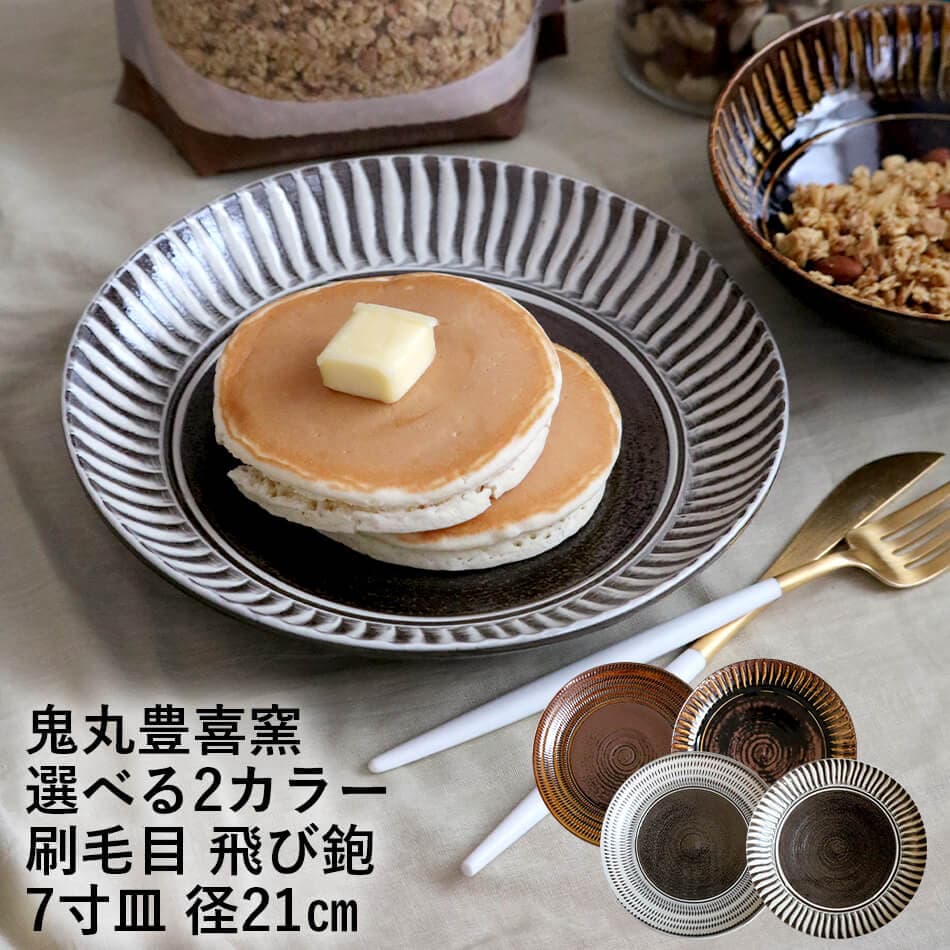
小石原焼 小石原焼き 飛び鉋7寸皿 パスタ皿 カレー皿 白×茶 飴 鬼丸豊喜窯 陶器 全2色 和食器 おしゃれ
white x brown / amber glazeReboot Life
5.0 / 1 reviews
 3 images
小石原焼 小石原焼き 楕円鉢 白マット パスタ皿 シチュー皿 カレー皿 森山實山窯 陶器 食器 器 WEB物産展
white matteReboot Life
4.1 / 7 reviews
First time buying on Rakuten? How residents in Japan order →
All 13 listings of this product on Rakuten, lowest price first.
| Listing | Price | Shop | Reviews | Open listing |
|---|---|---|---|---|
Marudai Kiln Koishiwara Ware Comb-Pattern Ceramic Bowl 3.5-sun, 11 cm, white/blue furashiLowest price | ¥1,333 | Reboot Life | 5.0 / 4 reviews | View on Rakuten → |
Koishiwara Ware Indigo Glaze Teacup by Shuzan Kiln approx. 9.5 cm diameter | ¥1,760 | Reboot Life | 5.0 / 2 reviews | View on Rakuten → |
Koishiwara Ware Iron-Glaze Teacup by Shuzan Kiln iron-glaze two-tone | ¥1,760 | Reboot Life | 4.0 / 1 reviews | View on Rakuten → |
Koishiwara Ware Tobikanna 5-Sun Bowl by 鬼丸豊喜窯 Gray, approx. 15 cm | ¥2,160 | Reboot Life | 4.9 / 7 reviews | View on Rakuten → |
Kurando Kiln Koishiwara Ware Tobikanna Soba Choko Cup 9 cm diameter, 1 pieceMost reviewedGift-ready | ¥2,200 | 家具の里 | 4.7 / 17 reviews | View on Rakuten → |
Koishiwara Ware Drape Flower Small Bowl by Hayakawa Kiln 14 cm, white grayGift-ready | ¥3,080 | Reboot Life | 5.0 / 1 reviews | View on Rakuten → |
Koishiwara Ware Iron-Glaze Kakewake Mug Tumbler by Shuzan Kiln iron-glaze kakewake | ¥3,080 | Reboot Life | 4.7 / 3 reviews | View on Rakuten → |
Kurando-gama Koishiwara Ware Tobikanna Flat Plate 22.5 cm, 1 plateGift-ready | ¥3,500 | 家具の里 | 4.6 / 14 reviews | View on Rakuten → |
Koishiwara Ware Tobikanna 7-Sun Plate by Onimaru Toyoki Kiln white x brown / amber glaze | ¥3,600 | Reboot Life | 5.0 / 1 reviews | View on Rakuten → |
Koishiwara Ware Tobikanna Flat Plate by Moriyama Kanjiro, Jitsuzan Kiln 15 cm, matte white | ¥3,630 | Reboot Life | 5.0 / 6 reviews | View on Rakuten → |
Shuzan Kiln Koishiwara Ware Indigo Glaze Cosmic Pattern 7-Sun Flat Plate 7-sun, approx. 21.0-21.5 cm | ¥3,850 | Reboot Life | 5.0 / 1 reviews | View on Rakuten → |
Hayakawa Kiln Koishiwara Ware Microwave Egg Cocotte cocotte only, no saucer | ¥3,960 | Reboot Life | 4.8 / 9 reviews | View on Rakuten → |
Koishiwara Ware Oval Ceramic Bowl by Moriyama Jitsuzan Kiln white matte | ¥5,980 | Reboot Life | 4.1 / 7 reviews | View on Rakuten → |
Japanese · new tab
Koishiwara sits in Toho Village, Asakura District, Fukuoka, in an inland mountain area surrounded by peaks of about 1,000 meters. Koishiwara ware grew from that setting: red clay from nearby mountains, wood once used for climbing kilns, and a present-day community of more than 50 kilns. A vessel is often covered with white slip, then marked as it turns on the wheel, leaving tobi-kanna cuts, hakeme brush marks, kushime comb lines, and other patterns on bowls, plates, cups, and household pottery.
Koishiwara ware is rooted in Koishiwara, Toho Village, Asakura District, Fukuoka Prefecture. The district lies inland, surrounded by mountains in the 1,000-meter range, with clay suited to pottery in nearby mountains and woodland that once supplied fuel for climbing kilns.
Today, more than 50 kilns are gathered in the Koishiwara area, and many have gallery spaces. For this ware, the mountain, clay, kiln, and village are concrete working conditions behind jars, bowls, plates, yunomi, and other everyday vessels.
Accounts trace the beginning of Koishiwara ware to around 1682. One account describes the third lord of the Chikuzen Fukuoka domain starting ceramic production after looking to Imari porcelain; another says Kuroda Mitsuyuki invited a potter from Hizen-Imari who introduced Chinese-style porcelain.
Early Koishiwara production was connected with porcelain for a time. In the same place, Takatori ware had been making tea ceramics since 1669, and exchange with that neighboring kiln tradition helped Koishiwara move toward pottery. The important change is material and use: from porcelain-related roots toward an earthenware village known for daily vessels.
A Koishiwara vessel often begins with red clay taken from mountains in or near the Koishiwara area, then receives a coat of white slip. The contrast between the clay body and slip makes marks from the turning wheel visible on the surface.
Tobi-kanna is made by placing a curved blade against a slipped vessel as it turns; the blade cuts only the contact points and creates a regular rhythm. Hakeme is made by brushing the wet slip as the wheel turns, while kushime uses a comb-like tool with divided tips to draw wave lines and other patterns.
Koishiwara ware also uses yubikaki, nagashikake, and uchikake alongside tobi-kanna, hakeme, and kushime. Yubikaki is drawn with the fingers while the slipped surface is still wet and the wheel is rotating; nagashikake pours glaze or slip at intervals as the vessel turns slowly.
Uchikake applies small amounts of glaze over a formed piece. Across these techniques, the recognizable surface comes from hand, tool, clay, and glaze meeting the rotating vessel.
From the Taisho period into the early Showa years, Koishiwara potters used shared kilns to make large jars, bowls, plates, and mortars. Later, shared kilns disappeared, individual kilns increased, and household vessels such as rice bowls, soup bowls, small bowls, yunomi, soba cups, and modern plates became more active in production.
Koishiwara ware is often described as pottery for daily life. That daily life has specific forms: a bowl for rice, a yunomi for tea, a plate for food, and a small vessel for the table. The surface patterns stand out, but the shapes remain close to holding, serving, and repeated use.
The Koishiwara Traditional Industry Hall is located in Koishiwara, Toho Village. It displays representative works of Koishiwara ware and Takatori ware, introduces making methods and history, and offers pottery experiences such as wheel work, painting, and tobi-kanna technique.
Seasonal village life is also tied to the kilns. The spring and autumn Minto-mura festivals take place in May and October around kiln openings and new work; in a 2018 Koishiwara kiln exhibition, 14 kilns from the Koishiwara Sarayama district showed about 300 pieces, including plates and yunomi.
Koishiwara ware is easiest to understand through the concrete setting of Koishiwara in Toho Village. Nearby mountain clay forms the body; white slip receives blade cuts, brush marks, comb lines, finger marks, poured slip, and glaze; climbing kilns and gas kilns both belong to the production landscape. From its 1682 beginnings and exchange with Takatori ware to today’s community of more than 50 kilns, Koishiwara ware turns a mountain village’s materials and wheel work into pottery for the everyday table.
Compiled from public records and official sources; see the recognition links below. Details may change over time.
Where this product is officially registered, designated, or recognized in Japan.
It is written as 小石原焼 in Japanese. Search Rakuten and other Japanese sites with that spelling — the English name will not bring up the listings.
Koishiwara ware is everyday pottery from Koishiwara in Toho Village, Asakura District, Fukuoka. It is made with red clay from nearby mountains, often covered with white slip, then decorated on the wheel through techniques such as tobi-kanna, hakeme, kushime, yubikaki, nagashikake, and uchikake. Its beginnings are traced to around 1682, and exchange with Takatori ware helped shape its pottery path. More than 50 kilns are now gathered in Koishiwara, producing bowls, plates, yunomi, soba cups, and other household vessels.
The Koishiwara district is an inland mountain area surrounded by peaks around 1,000 meters high. Accounts connect the origin of Koishiwara ware with Imari-related porcelain production or a Hizen-Imari potter. Production shifted from shared kilns making large jars, bowls, plates, and mortars toward individual kilns producing daily vessels such as rice bowls, yunomi, soba cups, and plates. Many of the more than 50 kilns in Koishiwara include gallery spaces.
Koishiwara ware is used as everyday tableware, including rice bowls, soup bowls, plates, small bowls, soba cups, lidded pots, jars, and mortars. Visitors can tour the more than 50 kilns and attached galleries in Koishiwara, and the Koishiwara Traditional Industry Hall displays representative works of Koishiwara and Takatori ware while teaching the making process and history, offering wheel, painting, and traditional-technique experiences. Spring and autumn kiln-opening events, the Mindo Mura Matsuri held in May and October, draw visitors from inside and outside Fukuoka Prefecture to see new works.
Porous earthenware is usually given a "medome" treatment first — simmer it gently in rice-rinsing water (or water with a little flour), then cool, rinse, and air-dry. This reduces staining and odour absorption. Porcelain normally just needs a wash. Follow the listing where it says otherwise.
Handmade earthenware, pieces with gold or silver overglaze, and lacquerware generally should not go in a dishwasher, microwave, or heated drying cabinet; heat-resistant porcelain usually can. Check the Rakuten listing for the specific piece.
Most options are shelf-stable, boxed, and travel well, so they suit gifting or bringing home. Confirm the final storage and delivery terms on the Rakuten listing.
On Rakuten: the shops listed here right now are 家具の里, Reboot Life. We don't sell directly; purchase, payment, stock, and delivery are all handled on the Rakuten product page.