 3 images
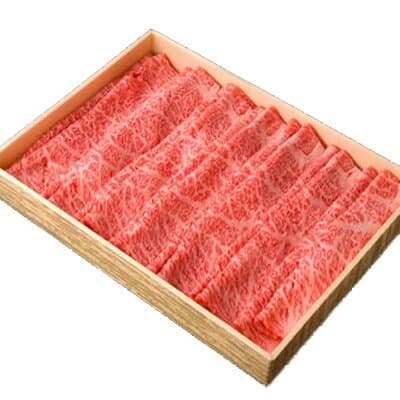
Bungo Beef Oita Kuroge Wagyu Round for Sukiyaki
豊後牛 大分県 産黒毛和牛 モモ すき焼き 用 500g ゆふいん牧場 国産 生肉 牛肉 グルメ ご当地グルメ 肉ギフト お肉 化粧箱入 和牛 贈答 贈り物 プレゼント MMS-50 冷蔵 精肉 鍋セット クリスマス
500g大分県の特産品専門店ふるさと
4.8 / 6 reviews
Japanese name豊後牛
In Oita Prefecture, Bungo Beef begins with Japanese Black cattle and a clear farm route: breeding areas, calf markets, finishing farms, and marbled beef cooked by cut.
Information last updated 119 days ago
3 images豊後牛 大分県 産黒毛和牛 モモ すき焼き 用 500g ゆふいん牧場 国産 生肉 牛肉 グルメ ご当地グルメ 肉ギフト お肉 化粧箱入 和牛 贈答 贈り物 プレゼント MMS-50 冷蔵 精肉 鍋セット クリスマス
500g大分県の特産品専門店ふるさと
4.8 / 6 reviews
 3 images
豊後牛 肩ロース すきやき用 700g 送料無料 代引き不可 お歳暮 お中元 ギフト 父の日 母の日
700g九州焼酎CLUB&スナップビー
5.0 / 3 reviews
 3 images
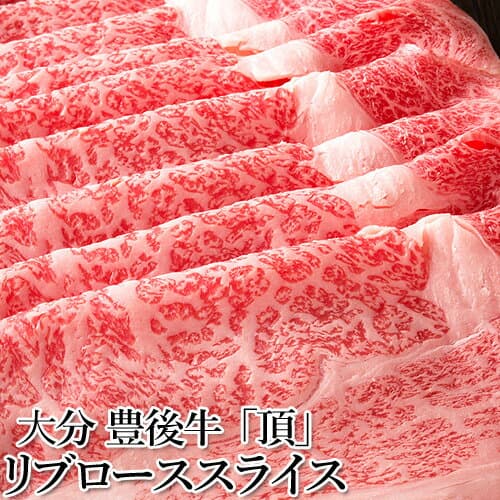
おおいた 豊後牛 頂 リブローススライス 500g 牛肉 大分県 黒毛和牛 国産 お取り寄せ すき焼き しゃぶしゃぶ 羽田野商店【送料込】
500gおんせん県おおいた online shop
5.0 / 4 reviews
First time buying on Rakuten? How residents in Japan order →
Bungo Beef is Oita Prefecture’s Japanese Black beef. The narrower Oita Bungo Beef name points to Japanese Black cattle whose longest fattening period is within Oita Prefecture, with heifers limited to those that have not calved. The name is easiest to understand through the local route itself: breeding farms around grass-rich places such as Kuju-Handa Plateau, calf markets, and many finishing farms in northern Oita.
The base of Bungo Beef is Japanese Black cattle, the breed named in Oita Prefecture’s definition of Bungo Beef. Oita Bungo Beef narrows the boundary further: the cattle must have spent their longest fattening period in Oita Prefecture, and eligible heifers are limited to those that have not calved. In practical terms, the name ties breed, place, and fattening stage into one local beef identity.
The production map begins with breeding farms in grass-rich areas. Oita Prefecture names the Kuju-Handa Plateau and similar places as breeding areas, with broad grassland scenes where calves are raised near their mothers. After that early stage, many finishing farms in northern Oita take over the longer work of raising cattle for beef.
The route has a concrete rhythm. Calves spend roughly ten months on the farm where they are born, move through calf markets, and then spend about eighteen months with finishing farms before shipment as beef. Those numbers make Bungo Beef less abstract: breeding, market transfer, and finishing each have a place in the cattle’s movement through Oita.
Bungo Beef is repeatedly described through fine marbling, softness, and a mellow texture that can feel as if it melts in the mouth. Oita Bungo Beef is also associated with beautiful marbling, rich flavor, and tenderness. The practical cooking point is cut-by-cut: different parts of the animal have different qualities, so the preparation should suit the cut.
The Bungo Beef timeline reaches back to the early twentieth century. In 1918, Oita began rules connected with shaping the Bungo Beef line; in 1921, the breeding bull Chiyoyama won first prize at a livestock exposition in Tokyo, followed by a Ginza parade remembered with the phrase “Cattle from Bungo are Japan’s best.” These milestones work best as breeding background, not as a blanket ranking for every present-day cut.
Bungo Beef also sits within an active producer and agricultural network. The Oita Prefecture Bungo Beef producer organization presents it as Japanese Black wagyu raised in rich natural surroundings, while JA Zen-Noh Oita lists Oita Bungo Beef in its livestock category and announced a parent-child learning event in 2026. The name therefore connects farms, producer groups, and local food education as well as the beef itself.
Bungo Beef is best read as a route through Oita: calves from breeding farms near grassland, market transfer, long finishing in northern farms, and beef known for fine marbling and softness. Its continuity rests in Japanese Black cattle, named breeding milestones, producer organizations, and the everyday practice of matching each cut to an appropriate cooking method.
Compiled from public records and official sources; see the recognition links below. Details may change over time.
Where this product is officially registered, designated, or recognized in Japan.
Regional collective trademark
Registered as a Regional Collective Trademark with the Japan Patent Office.
Sources1
It is written as 豊後牛 in Japanese. Search Rakuten and other Japanese sites with that spelling — the English name will not bring up the listings.
Bungo Beef is Japanese Black beef produced in Oita Prefecture. Oita Bungo Beef narrows the name to Japanese Black cattle whose longest fattening period is within Oita Prefecture, with heifers limited to those that have not calved. Its route links breeding areas such as the Kuju-Handa Plateau, calf markets, and many finishing farms in northern Oita; calves spend about ten months on breeding farms and about eighteen months in finishing. The beef is associated with fine marbling, softness, mellow texture, and cooking suited to each cut.
Bungo Beef refers to Japanese Black beef cattle produced in Oita Prefecture. Oita Bungo Beef is defined as Japanese Black beef from cattle fattened longest in Oita Prefecture, with eligible heifers limited to those that have not calved. The Kuju-Handa Plateau and similar grass-rich areas are identified as breeding-farm areas for Bungo Beef cattle. Many finishing farms are located in northern Oita Prefecture.
Different cuts have different characteristics; choosing a cooking method that suits each cut is the key to eating the beef well. Certified meat shops sold The・おおいた豊後牛, and it could also be eaten at inns and yakiniku restaurants.
Storage varies by product — shelf-stable, refrigerated, or frozen — and is stated on the packaging and the Rakuten listing. Shelf-stable processed foods usually need refrigerating once opened and eating within a few days; chilled and frozen items go straight into storage on arrival. Treat the best-before date on the physical packaging as authoritative.
Most options are shelf-stable, boxed, and travel well, so they suit gifting or bringing home. Confirm the final storage and delivery terms on the Rakuten listing.
On Rakuten: the shops listed here right now are 大分県の特産品専門店ふるさと, 九州焼酎CLUB&スナップビー, おんせん県おおいた online shop. We don't sell directly; purchase, payment, stock, and delivery are all handled on the Rakuten product page.