 3 images
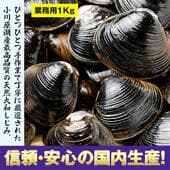
Frozen Aomori Ogawara Lake Yamato Shijimi Clams
【送料無料・冷凍】青森 小川原湖産 大和しじみ 6kg(1kg×6袋)|砂出し処理済 オルニチン豊富 業務用・まとめ買いに
6 kg (1 kg x 6 bags)食品卸問屋 砂場州屋 居酒屋万歳店
5.0 / 1 reviews
Japanese name小川原湖産大和しじみ
In Aomori, Pacific tides, a sandy lake bottom, and a 15 mm size rule give these clams deep broth and firm meat.
Information last updated 119 days ago
3 images【送料無料・冷凍】青森 小川原湖産 大和しじみ 6kg(1kg×6袋)|砂出し処理済 オルニチン豊富 業務用・まとめ買いに
6 kg (1 kg x 6 bags)食品卸問屋 砂場州屋 居酒屋万歳店
5.0 / 1 reviews
3 images【送料無料・冷凍】青森 小川原湖産 大和しじみ 12kg(1kg×12袋)|砂出し済 オルニチン豊富 大口業務用仕入れに
12kg (1kg x 12 bags)食品卸問屋 砂場州屋 居酒屋万歳店
3 images【送料無料・冷凍】青森 小川原湖産 大和しじみ 1kg|砂出し済 オルニチン豊富 味噌汁・お吸い物に
1 kg食品卸問屋 砂場州屋 居酒屋万歳店
4.5 / 2 reviews
First time buying on Rakuten? How residents in Japan order →
Lake Ogawara in Aomori is joined to the Pacific by the Takase River, so fresh water and sea water meet inside the lake. Lake Ogawara Yamato shijimi grow and are harvested in this brackish setting, with the lakeside area tied to Tohoku Town in Kamikita District, Rokkasho Village, and Misawa City. Salinity, dissolved oxygen, sand, roughly four years of growth, shell-size management, sorting by sight and sound, and a dedicated wholesale fish market all shape the clams before they reach miso soup, butter saute, or sake steaming.
Lake Ogawara’s brackish character comes from movement in two directions: water from the Hakkoda mountain system flows into the lake, and Pacific tides travel through the Takase River. The lake has salinity, dissolved oxygen, and a sandy bottom that suit Yamato shijimi. The area tied to the clams is concrete rather than vague, centered on Lake Ogawara around Tohoku Town in Kamikita District and extending to Rokkasho Village and Misawa City.
The clams are generally left to grow for about four years before harvest. That wait is linked to larger shell length, a broth with concentrated flavor, and meat that feels substantial after cooking. The size line is also practical: clams under 15 mm are returned to Lake Ogawara, keeping younger shellfish in the same sandy brackish habitat instead of moving them onward.
The work begins with tools close to the lake bed. Fishers pull joren-style gear, with power limited to human effort or a boat winch; on the lake, some fishers wear wetsuits and use a waist board with a metal mangan tool to lift clams and mud from the bottom. Back at the boat, the catch is spread out and sorted. Dead shells are removed by sight or by the sound of the shell, a small acoustic check inside a larger day of physical work.
After sorting, qualifying clams are gathered at the Lake Ogawara district wholesale fish market. The market opened in 1993 and made centralized collection, inspection, and onward movement possible for shijimi harvested from the lake. It sits beside an older habit of size management that began in 1983: the lake keeps smaller clams, and the shore-side system handles the clams that have reached the line.
In the kitchen, the concentrated broth naturally points to miso soup, a familiar use for shijimi. Lake Ogawara’s larger shells and firm meat also support butter saute, where the clam itself needs to stay present in the pan. Larger shijimi are also used for sake steaming, and tsukudani gives another everyday form to the same small bivalve.
The lake’s future is handled through practical work as well as daily fishing. Aomori’s industrial technology center has studied the lake environment and shijimi ecology; after the amount of shijimi in Lake Ogawara fell sharply from 2002 to 2005, researchers identified causes and developed methods for raising many juvenile clams. Local fishers joined that resource work, connecting the 15 mm size line to young clams, sand, and future harvests.
Lake Ogawara Yamato shijimi carry the lake’s physical details into the bowl: Takase River tides, brackish water, sand, four years of growth, 15 mm sorting, and shell-sound selection. Their broth and firm meat can be traced through the lake bed, the boat, the fish market, and the kitchen.
Compiled from public records and official sources; see the recognition links below. Details may change over time.
Where this product is officially registered, designated, or recognized in Japan.
Geographical Indication (GI)
Registered under Japan's Geographical Indication Protection System, run by the Ministry of Agriculture, Forestry and Fisheries.
Sources1
It is written as 小川原湖産大和しじみ in Japanese. Search Rakuten and other Japanese sites with that spelling — the English name will not bring up the listings.
Lake Ogawara yamato clams are Yamato shijimi grown and harvested in Aomori's Lake Ogawara. The Takase River connects the lake to the Pacific, creating brackish water; salinity, dissolved oxygen, and a sandy bottom suit the clams. They grow for about four years, and clams under 15 mm are returned to the lake. Larger shells give concentrated broth and firm meat for miso soup, butter saute, and sake steaming.
The area tied to the clams includes Lake Ogawara around Tohoku Town in Kamikita District, Rokkasho Village, and Misawa City. Fishers use joren-style tools and remove dead shells by sight or shell sound. Qualifying clams are gathered at the Lake Ogawara district wholesale fish market, which opened in 1993. Aomori's industrial technology center studies the lake environment and shijimi ecology and works with local fishers on resource maintenance.
The clams are used in miso soup, valued for their concentrated dashi. Larger clams are suited to butter saute because of their firm meat. Larger shijimi can be sake steamed, with flavor increasing when heated after opening.
Storage varies by product — shelf-stable, refrigerated, or frozen — and is stated on the packaging and the Rakuten listing. Shelf-stable processed foods usually need refrigerating once opened and eating within a few days; chilled and frozen items go straight into storage on arrival. Treat the best-before date on the physical packaging as authoritative.
Most options are shelf-stable, boxed, and travel well, so they suit gifting or bringing home. Confirm the final storage and delivery terms on the Rakuten listing.
On Rakuten: the shops listed here right now are 食品卸問屋 砂場州屋 居酒屋万歳店. We don't sell directly; purchase, payment, stock, and delivery are all handled on the Rakuten product page.