 3 images
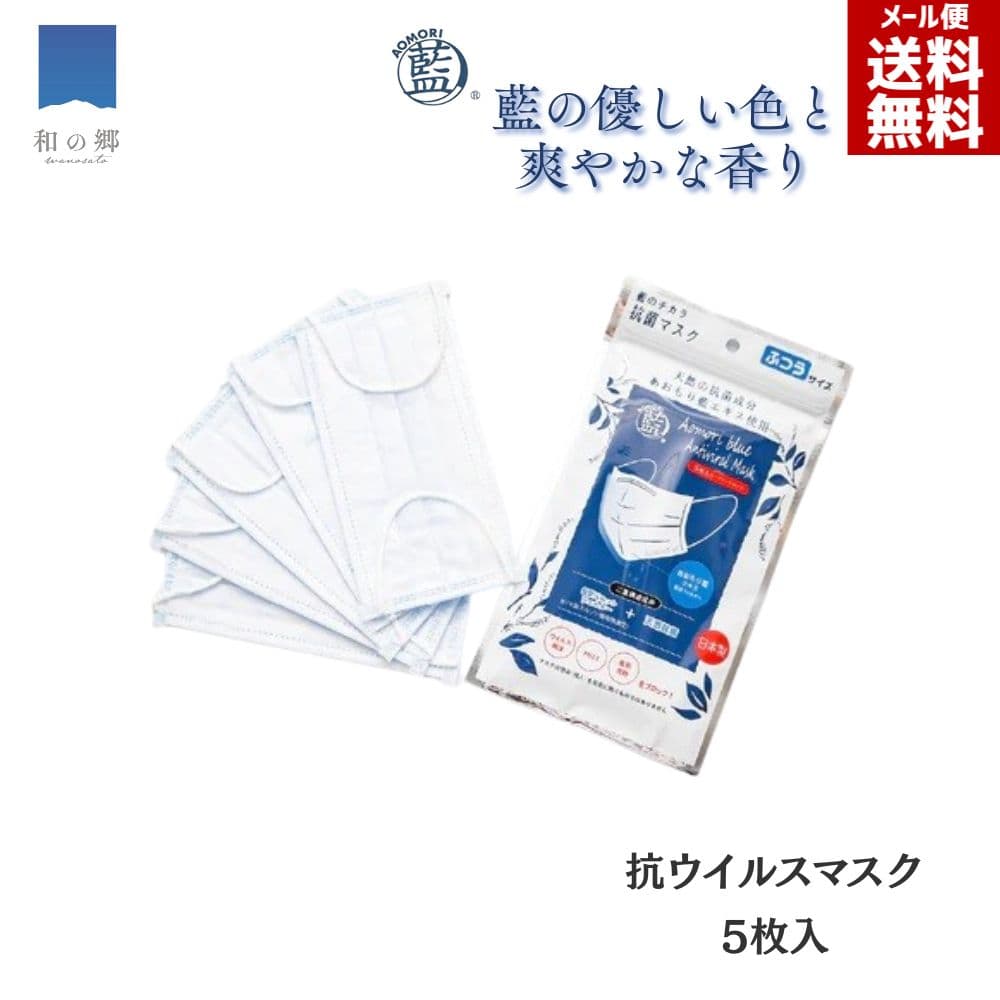
あおもり藍 Antibacterial Antiviral Nonwoven Surgical Masks
あおもり藍 マスク 5枚 日本製 抗菌 抗ウイルス 不織布 サージカルマスク 天然成分100% 国産 青森 農薬不使用 ウイルス対策 微粒子フィルター 3層構造 柔らかい 肌 優しい 医療用 AOMORI BLUE ご当地 お土産
5 masks和の郷にんにく王国
Japanese nameあおもり藍
Aomori Ai begins with indigo grown in Aomori Prefecture, then moves through fallow fields, powdered-leaf dyeing, textiles, clothing, and daily-use goods.
Information last updated 119 days ago
3 imagesあおもり藍 マスク 5枚 日本製 抗菌 抗ウイルス 不織布 サージカルマスク 天然成分100% 国産 青森 農薬不使用 ウイルス対策 微粒子フィルター 3層構造 柔らかい 肌 優しい 医療用 AOMORI BLUE ご当地 お土産
5 masks和の郷にんにく王国
First time buying on Rakuten? How residents in Japan order →
Aomori Ai begins with a plant in Aomori soil. Its clearest textile boundary is indigo produced in Aomori Prefecture and used to dye woven goods, fabric, and clothing. The blue also carries a shift in time: indigo was cultivated by Tsugaru domain samurai in the Edo period, declined by the Taisho period as chemical dyes spread, and returned to local cultivation around 2006 through fallow fields and new dyeing methods.
The firm center of Aomori Ai is indigo grown in Aomori Prefecture. Woven goods, fabric, and clothing dyed with indigo made from that crop form the clearest textile range for the name. Aomori’s northern Honshu setting, with large temperature differences, and pesticide-free cultivation are part of the material description; the indigo plant’s components also connect the crop to later dyeing, extraction, and daily-goods development.
The local thread reaches back to Tsugaru fields. In the Edo period, Tsugaru domain samurai cultivated indigo, and indigo dyeing was one of the area’s livelihoods; by the Taisho period, the spread of chemical dyes pushed that work into decline. In the Heisei era, Aomori Ai Sangyo Cooperative used fallow fields for pesticide-free cultivation, and in 2006 the crop was named Aomori Ai as planting began again. The supported shape is a revival after decline, not an unbroken line from Edo workshops to the present.
The dyeing path differs from the sukumo route. Aomori Ai descriptions point to powdered indigo leaves and independently developed dye-generation and dyeing techniques; one technical account says the powdered-leaf method can make dye in about one-twentieth the time required for sukumo. Another account describes a method built with indigo powder and food additives. For the reader, the concrete change is simple: harvested Aomori leaves are turned into a usable blue through a shorter, measured process.
The dyed material appears first in clothing, woven goods, and fabric, then in objects held and used in daily life. Development examples include name-card cases, deodorizing spray made with indigo extract, financier confectionery using Aomori Ai, apparel, and daily goods. The material descriptions mention durability, antibacterial activity, and deodorizing qualities; here those words belong to textile and daily-use contexts, not to medical promises or guaranteed performance.
The present network includes local organizations and planners in Aomori. BLUE LINK PROJECT has a head office and shop-office in Aomori City, works with Aomori Ai in product planning, development, and making, and plans the aiori collaboration combining Aomori Ai with Nanbu sakiori. JAL’s Aomori branch and group staff also helped with planting and harvesting, connecting field work, dye technology, and regional collaboration around the same blue plant.
The blue of Aomori Ai does not stop at dyed cloth. It starts with indigo grown in Aomori Prefecture, passes through the rise and decline remembered from Edo and Taisho periods, and takes a present shape through fallow-field cultivation and powdered-leaf dyeing. Clothing, fabric, name-card cases, sprays, food applications, and craft collaborations show how one crop moves between fields, workshops, and everyday use.
Compiled from public records and official sources; see the recognition links below. Details may change over time.
Where this product is officially registered, designated, or recognized in Japan.
Regional collective trademark
Registered as a Regional Collective Trademark with the Japan Patent Office.
Sources1
It is written as あおもり藍 in Japanese. Search Rakuten and other Japanese sites with that spelling — the English name will not bring up the listings.
Aomori indigo (Aomori Ai) is a regional product family centered on indigo grown in Aomori Prefecture, with its clearest textile range in woven goods, fabric, and clothing dyed from Aomori-produced indigo. Indigo cultivation in Aomori traces back to Tsugaru domain samurai in the Edo period, declined by the Taisho period as chemical dyes spread, and restarted around 2006 through fallow-field cultivation. Its powdered-leaf dyeing method differs from sukumo and extends to daily goods, sprays, food applications, and craft collaborations.
In Aomori, Tsugaru domain samurai cultivated indigo during the Edo period, and the dyeing livelihood declined by the Taisho period as chemical dyes spread. Cultivation restarted in 2006 using fallow fields, and the crop was named Aomori Ai. Aomori Ai uses dyeing methods different from sukumo, including powdered indigo leaves and independently developed dye-generation and dyeing techniques. Material descriptions mention durability, antibacterial activity, and deodorizing qualities in textile and daily-use contexts.
Apparel and daily-use goods made with Aomori indigo are developed with attention to durability, antibacterial qualities, and comfort. A name-card case using Aomori indigo was introduced through an in-flight project. Indigo extract has also been made into a deodorizing spray, which grew into one of the cooperative's key products.
Naturally dyed textiles shed some colour on first wash. Hand-wash separately with a neutral detergent, avoid long soaking and bleach, and dry in the shade to prevent fading. Silk, ramie, and traditionally dyed pieces often need professional cleaning — the care label on the listing takes precedence.
Most options are shelf-stable, boxed, and travel well, so they suit gifting or bringing home. Confirm the final storage and delivery terms on the Rakuten listing.
On Rakuten: the shops listed here right now are 和の郷にんにく王国. We don't sell directly; purchase, payment, stock, and delivery are all handled on the Rakuten product page.