 3 images
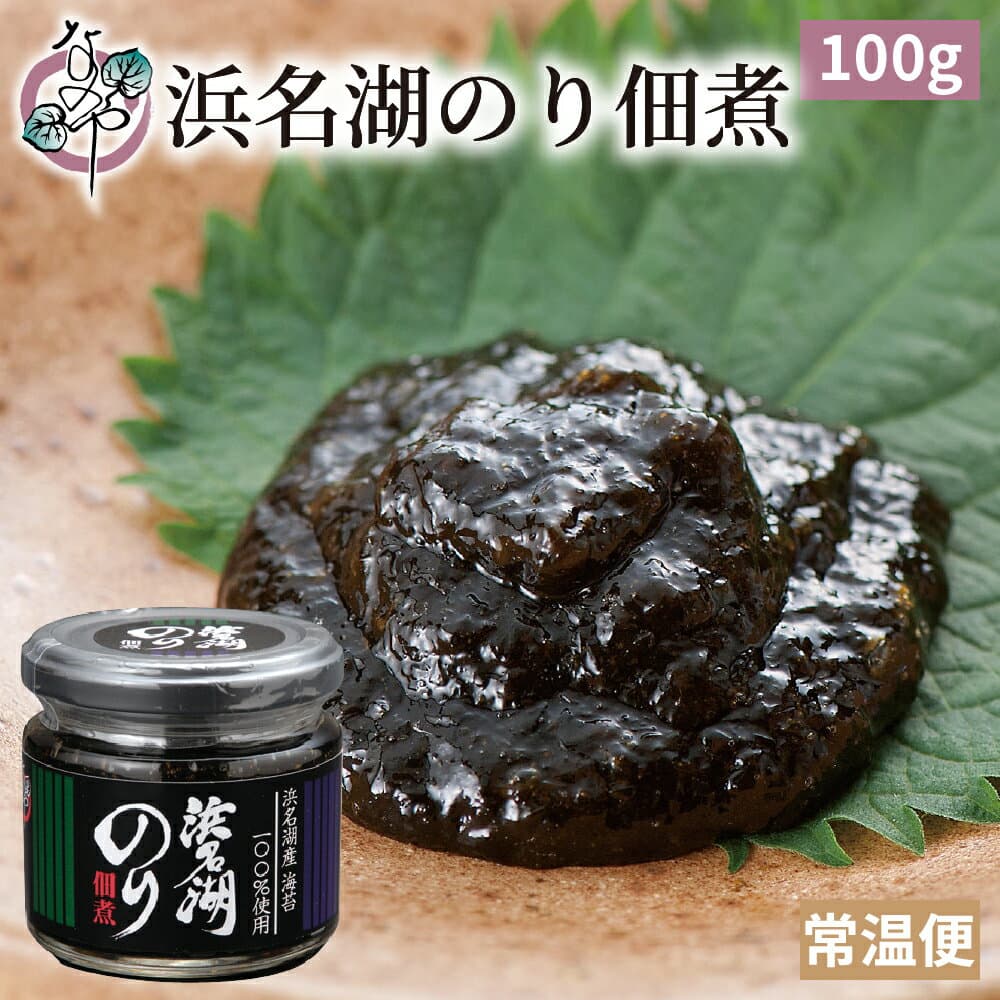
Hamana Lake Nori Tsukudani
浜名湖のり佃煮 100g【国産 浜名湖産 のり 海苔 佃煮 ご飯のお供 お取り寄せ おつまみ グルメ 酒の肴】
100g菜乃屋
5.0 / 43 reviews
Japanese name浜名湖のり
In Shizuoka, Lake Hamana’s mix of fresh and seawater shapes Hamanako nori, a hitoegusa-centered seaweed linked to Maisaka stonework, nori nets, everyday dishes, and the February 6 memorial festival.
Information last updated 119 days ago
3 images浜名湖のり佃煮 100g【国産 浜名湖産 のり 海苔 佃煮 ご飯のお供 お取り寄せ おつまみ グルメ 酒の肴】
100g菜乃屋
5.0 / 43 reviews
 3 images
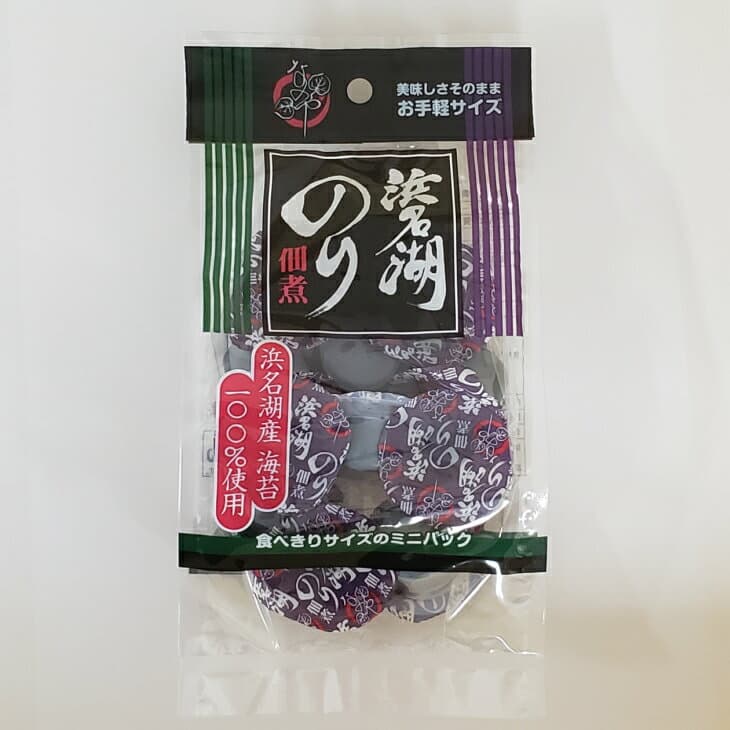
浜名湖のり佃煮 ポーション入り【個包装 国産 浜名湖産 のり 海苔 佃煮 ご飯のお供 お取り寄せ おつまみ おうち グルメ 酒の肴】
7g x 12 mini cups菜乃屋
4.9 / 7 reviews
First time buying on Rakuten? How residents in Japan order →
Hamanako nori begins with Lake Hamana in Shizuoka, a brackish lake where fresh and seawater meet. The name refers to nori cultivated and harvested by Hamana Fishery Cooperative growers within designated fishing areas of the lake; about 99% of the nori gathered there is the green alga hitoegusa. Its shape as a regional food comes from the water, the algae, the net work, and uses such as fresh nori, tsukudani, soups, and vinegared dishes.
Lake Hamana in Shizuoka is a brackish lake, so the place behind Hamanako nori is a water body where fresh and seawater mix. The name is tied to Hamana Fishery Cooperative nori growers and to cultivation and harvest within designated fishing areas of the lake. That boundary keeps the name attached to lake plots, grower members, and work on the water.
About 99% of the nori harvested in Lake Hamana is hitoegusa, a green alga. That material explains the bright green color, seaside aroma, and smooth texture associated with Hamanako nori. It also explains the range of uses: fresh nori, tsukudani, furikake, soups, and vinegared dishes all give hitoegusa a clear place at the table.
Cultivation in Lake Hamana is said to have begun around Bunsei 3, or 1820, with permission from the Nakaisumi magistrate’s office in Bunsei 6. The remembered beginning names Moritaya Hikonojo and Omori Sanjiro, who noticed nori growing on stonework in Maisaka-shuku, tried cultivating it, and found that it took well and had good flavor.
The present workflow starts at Lake Hamana’s cultivation grounds, where nori grows on nori nets. After growth on the nets, it is harvested with a suction machine, then taken to a factory for washing, removal of foreign matter, and processing into forms such as sheet nori. General nori aquaculture also uses steps such as seeding, nursery growth, main cultivation, harvest, washing, removal of foreign matter, and drying, which helps frame the technical rhythm behind the net work.
Hamanako nori is described through three sensory details: a seaside aroma, a smooth mouthfeel, and a vivid color. In miso soup or vinegared dishes, fresh nori brings that aroma close to steam and acidity. In tsukudani or furikake, hitoegusa’s softness and green color become the recognizable traces of the lake’s algae.
Around 1887, nori workers in Maisaka built a memorial stone for Moritaya Hikonojo; the stone was later moved to Hojuin, and the current memorial was built in 1925. A memorial festival began in 1935, and since 1967 it has been held on February 6, Nori Day. The date connects Maisaka names, a temple stone, and the work of raising nori on Lake Hamana.
Seen through Lake Hamana, Hamanako nori is a concrete chain of brackish water, designated lake plots, hitoegusa, nori nets, Maisaka names, and the February 6 memorial festival. Its seaside aroma, smooth texture, and vivid green color move from the lake into fresh nori, tsukudani, soups, and vinegared dishes, keeping the water work close to everyday meals.
Compiled from public records and official sources; see the recognition links below. Details may change over time.
Where this product is officially registered, designated, or recognized in Japan.
Regional collective trademark
Registered as a Regional Collective Trademark with the Japan Patent Office.
Sources1
It is written as 浜名湖のり in Japanese. Search Rakuten and other Japanese sites with that spelling — the English name will not bring up the listings.
Lake Hamana nori is a regional food from Lake Hamana in Shizuoka, cultivated and harvested by Hamana Fishery Cooperative growers in designated areas of the brackish lake. About 99% of the nori harvested there is the green alga hitoegusa. Cultivation is said to have begun around 1820, linked to nori found on Maisaka stonework.
Cultivation in Lake Hamana is said to have begun around Bunsei 3 (1820), with permission granted by the Nakaisumi magistrate's office in Bunsei 6. Moritaya Hikonojo and Omori Sanjiro are credited with starting trial cultivation after finding nori on the Maisaka stonework. Hamanako nori was registered as a regional collective trademark on January 30, 2020, which helps define its name, place, and grower boundary. Maisaka nori workers built a memorial stone around 1887, began a memorial festival in 1935, and have held the seaweed memorial festival on February 6 since 1967.
Fresh Hamanako nori is used in soups and vinegared dishes. It is also processed into tsukudani and furikake.
Storage varies by product — shelf-stable, refrigerated, or frozen — and is stated on the packaging and the Rakuten listing. Shelf-stable processed foods usually need refrigerating once opened and eating within a few days; chilled and frozen items go straight into storage on arrival. Treat the best-before date on the physical packaging as authoritative.
Most options are shelf-stable, boxed, and travel well, so they suit gifting or bringing home. Confirm the final storage and delivery terms on the Rakuten listing.
On Rakuten: the shops listed here right now are 菜乃屋. We don't sell directly; purchase, payment, stock, and delivery are all handled on the Rakuten product page.