 3 images
Hamana Lake Unagi Kabayaki
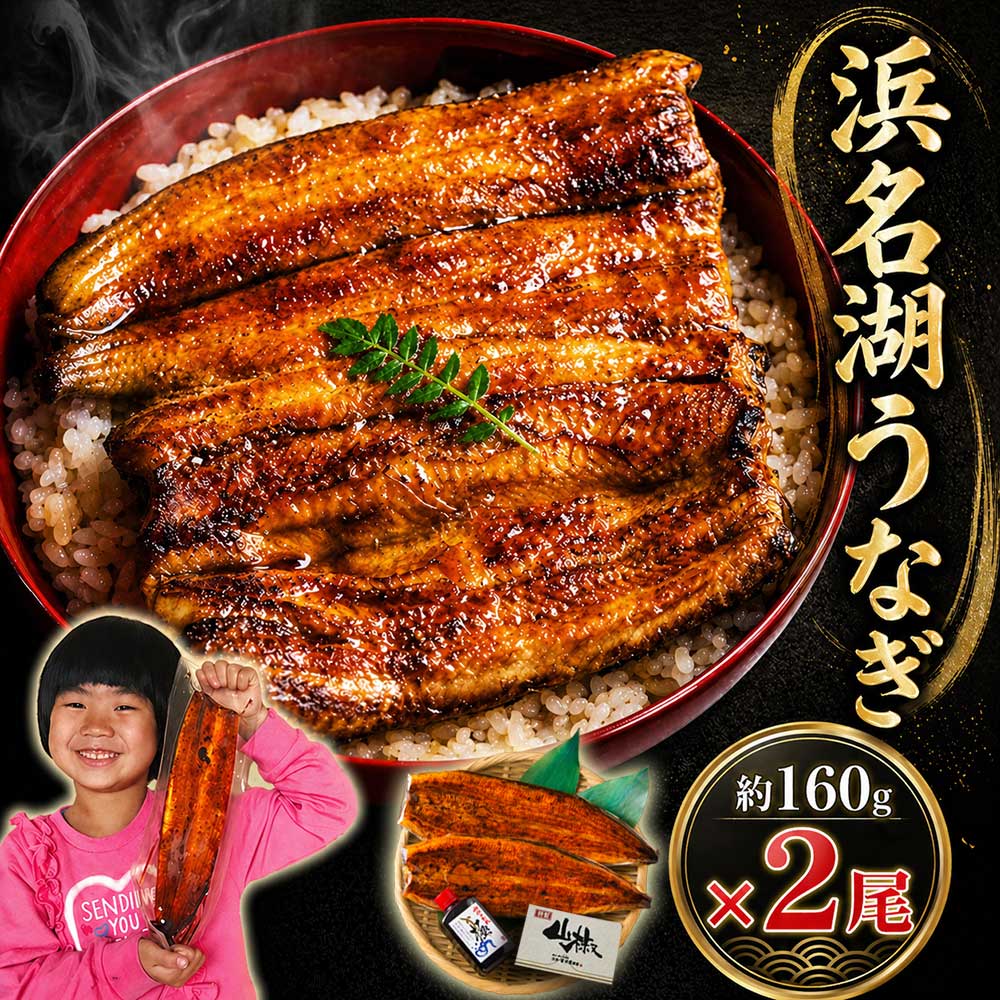
【無添加タレの浜名湖うなぎ】蒲焼 約160g×2尾 ギフト【送料無料】大きめ長蒲焼 稀少な浜名湖産 ウナギ 産地限定 ◆添加物不使用 秘伝タレ◆ 静岡県産 国産 鰻 ◆贈り物 誕生日 母の日 父の日 お中元 丑の日 プレゼント【レビュー特典あり】
approx. 160g x 2 pieces浜名湖うなぎ さんぼし
4.8 / 189 reviews
Japanese name浜名湖うなぎ
Around Hamamatsu and Kosai, mature Japanese eel is tied to Lake Hamanako's mixed waters, Mikatahara groundwater, Maisaka ponds, and the table forms of shirayaki and kabayaki.
Information last updated 119 days ago
3 images【無添加タレの浜名湖うなぎ】蒲焼 約160g×2尾 ギフト【送料無料】大きめ長蒲焼 稀少な浜名湖産 ウナギ 産地限定 ◆添加物不使用 秘伝タレ◆ 静岡県産 国産 鰻 ◆贈り物 誕生日 母の日 父の日 お中元 丑の日 プレゼント【レビュー特典あり】
approx. 160g x 2 pieces浜名湖うなぎ さんぼし
4.8 / 189 reviews
 3 images
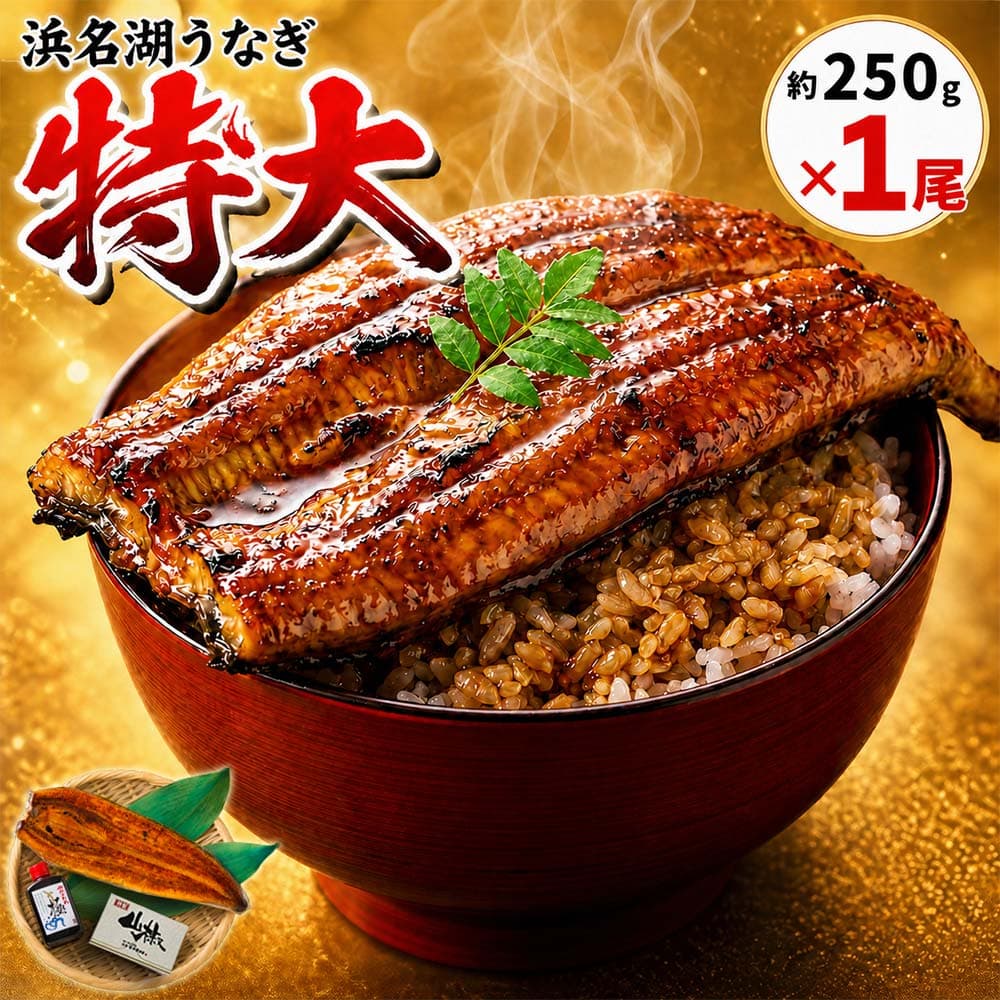
【今だけP5倍!】【浜名湖うなぎ 特大蒲焼 やわら華】約250g×1尾 ギフト【送料無料】大豆イソフラボンを与えて匠が育てた 浜名湖産 うなぎ 肉厚でふっくら柔らか めす ウナギ 添加物不使用 無添加 秘伝の焼きタレ 静岡産 国産 鰻◆誕生日プレゼント 母の日 父の日
approx. 250g x 1 eel, gift box浜名湖うなぎ さんぼし
4.8 / 202 reviews
 3 images
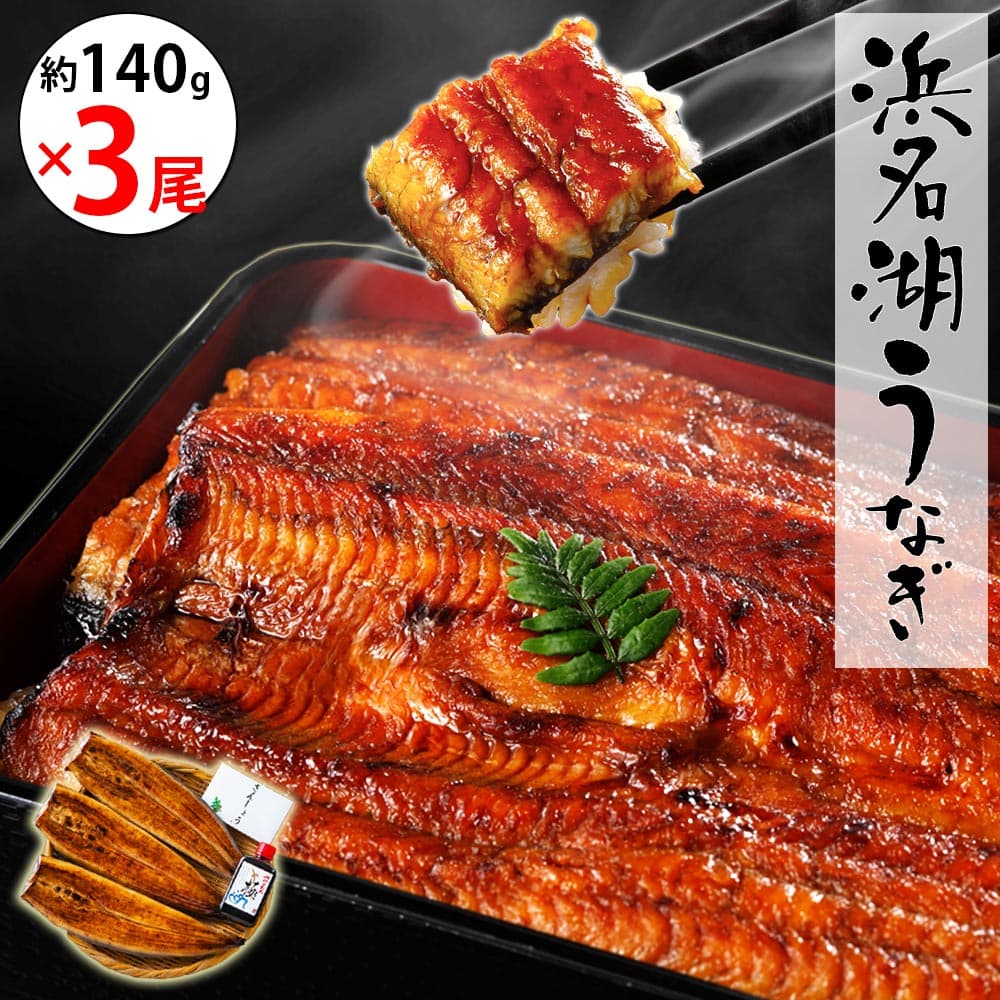
【無添加タレの浜名湖うなぎ】蒲焼 約140g×3尾 約3〜5人前 ギフト【送料無料】国産鰻の最高峰 稀少な浜名湖産 ウナギ 産地限定◆添加物不使用 秘伝のタレ◆ 国内産 静岡県産 鰻 ◆贈り物 誕生日 母の日 父の日 お中元 丑の日 プレゼント【レビュー特典あり】
140g x 3 eels浜名湖うなぎ さんぼし
4.8 / 194 reviews
First time buying on Rakuten? How residents in Japan order →
Hamanako unagi begins with a precise boundary: mature Japanese eel raised by members of the Hamanako Aquaculture Cooperative in the Hamanako area of Hamamatsu and Kosai, with more than half of its rearing days spent there. The name then opens onto a working landscape: fresh and sea water meet in Lake Hamanako, groundwater from the Mikatahara plateau reaches pond country, modern pond farming took hold around Maisaka in 1900, and the cooperative formed in 1949.
The name Hamanako unagi is anchored in the Hamanako area, defined here as Hamamatsu and Kosai. It refers to mature Japanese eel, Anguilla japonica, raised by cooperative members, with more than half of the rearing days spent beside this lake. English names include Lake Hamanako Unagi and Lake Hamanako Japanese Eel, but the center stays the same: Lake Hamanako, cooperative producers, and Japanese eel. The cooperative network also lists 27 producers, giving the name a visible community of ponds and people.
Lake Hamanako is a brackish lake where fresh water and sea water mix, and shirasu eel gather around the lake and the mouth of the Tenryu River. Around the ponds, producers have used groundwater from the Mikatahara plateau and springs near the lake, while sandy lowlands made pond building practical. The mild average temperature of about 15 degrees Celsius adds another concrete condition behind the work: water, lowland soil, and weather all meet at the pond edge.
In the Edo-period image Tokaido Gojusan Zue by Utagawa Hiroshige, skewered eel kabayaki appears at Arai-juku, tying eel eating to the old road beside Lake Hamanako. The lake is considered a birthplace of eel aquaculture, and the modern turn came in the Meiji period: Hattori Kurajiro saw Lake Hamanako from a train window during an 1897 aquaculture survey trip to Aichi, and pond culture succeeded around Maisaka in 1900. In 1949, the Hamanako Aquaculture Cooperative gave the member ponds a shared regional name.
Once shirasu eel enter the ponds, feed changes with growth; daily feeding may use kneaded feed or pellets. Shizuoka eel farming places pond care, equipment, and water-quality management in the same working routine, with rearing described as taking roughly six months to two years. Around Hamanako, the cooperative account also points to outdoor ponds in summer and houses in winter, so the path from juvenile eel to mature eel moves with water temperature, feed, and the condition of the pond.
Deshico, introduced in 2024, is a named line inside Hamanako unagi and should stay separate from the wider family. Its boundary includes cooperative-member farms, rearing in the Hamanako area from fry until the eel leaves the pond, approved feed, and two quality checks. The line also makes pond work unusually visible: refreshed pond soil, water-quality and bacteria balance, oxygen levels, and temperature management. Notes of thick flesh, tenderness, and rich fat belong to Deshico itself.
Hamanako and Shizuoka eel can be handled live, or prepared as shirayaki and kabayaki. Those forms show how a pond-raised Japanese eel enters the table without turning the regional name into a single dish. The Edo-period custom of eating eel on Doyo no Ushi no Hi gave summer a strong eel association, and Hamanako unagi is still easiest to understand through live eel, white-grilled shirayaki, sauced kabayaki, and that seasonal habit.
Continuity for Hamanako unagi also appears in parent-eel release work. After repeated poor shirasu eel catches, Japanese eel was designated endangered by IUCN, and the Lake Hamanako parent-eel release council has continued buying and releasing silver-stage parent eels since the Heisei 25 fiscal year. Participants include the aquaculture cooperative, fishery cooperative, eel-cuisine group, sales association, Shizuoka Prefecture, Hamamatsu, and Kosai, placing pond producers, fishers, and local water departments in the same lake work.
To understand Hamanako unagi, put kabayaki back onto the map of the lake: the boundary of Hamamatsu and Kosai, Mikatahara groundwater, Maisaka ponds, shirasu eel rearing, live eel, shirayaki, kabayaki, and parent eels returning to the water. Those concrete pieces keep the lake name attached to the eel and connect the table back to pond water and producer hands.
Compiled from public records and official sources; see the recognition links below. Details may change over time.
Where this product is officially registered, designated, or recognized in Japan.
Regional collective trademark
Registered as a Regional Collective Trademark with the Japan Patent Office.
Sources1
It is written as 浜名湖うなぎ in Japanese. Search Rakuten and other Japanese sites with that spelling — the English name will not bring up the listings.
Lake Hamana eel (Hamanako unagi) is mature Japanese eel raised by members of the Hamanako Aquaculture Cooperative in the Hamanako area of Hamamatsu and Kosai, with more than half of its rearing days spent there. The area draws on Lake Hamanako's brackish water and Mikatahara groundwater, with pond culture dating to 1900 in Maisaka and cooperative organization since 1949. The eel can be prepared as shirayaki or kabayaki, and parent-eel release work continues around the lake.
Lake Hamanako is a brackish lake where fresh water and sea water mix, and shirasu eel gather around the lake and the Tenryu River mouth. Aquaculture conditions around the lake include Mikatahara groundwater, springs near the lake, sandy lowlands, and an average temperature of about 15 degrees Celsius. Hattori Kurajiro noticed Lake Hamanako during an aquaculture survey trip in 1897, and pond culture succeeded around Maisaka in 1900. The Hamanako Aquaculture Cooperative was established in 1949, and its network includes 27 producers.
Hamanako and Shizuoka eel can be shipped live or prepared as shirayaki and kabayaki. Kabayaki preparation appears in Utagawa Hiroshige's Tokaido Gojusan Zue, which depicts skewered eel kabayaki at Arai-juku. Eating eel on Doyo no Ushi no Hi spread as a custom during the Edo period.
Storage varies by product — shelf-stable, refrigerated, or frozen — and is stated on the packaging and the Rakuten listing. Shelf-stable processed foods usually need refrigerating once opened and eating within a few days; chilled and frozen items go straight into storage on arrival. Treat the best-before date on the physical packaging as authoritative.
Most options are shelf-stable, boxed, and travel well, so they suit gifting or bringing home. Confirm the final storage and delivery terms on the Rakuten listing.
On Rakuten: the shops listed here right now are 浜名湖うなぎ さんぼし. We don't sell directly; purchase, payment, stock, and delivery are all handled on the Rakuten product page.