 3 images
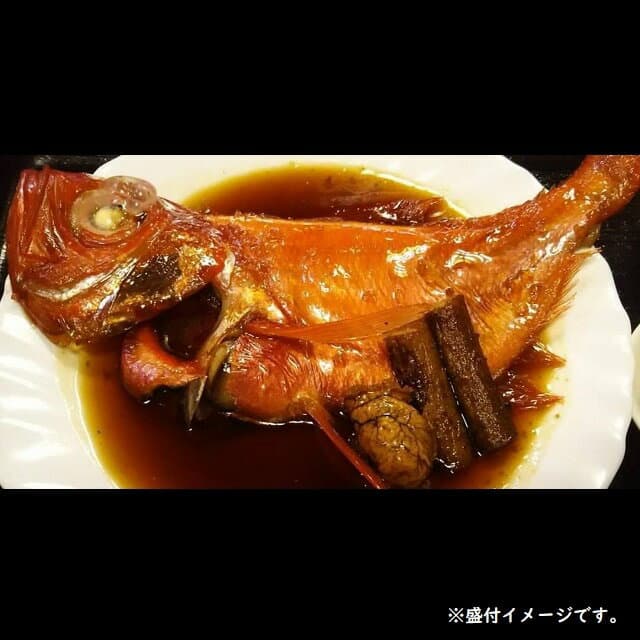
Inatori Kinme Whole Simmered Kinmedai
東伊豆町稲取産 稲取キンメ煮付け 送料無料【静岡 東伊豆 金目鯛 キンメダイ 贈り物 夏のご褒美】
1 whole fishJR東日本商事いいものステーション
Japanese name稲取キンメ
On the east coast of Izu, Inatori Kinme is shaped by nearby offshore grounds, tate-nawa single-line fishing, water-ice handling on board, and whole simmered fish served at local celebrations.
Information last updated 119 days ago
3 images東伊豆町稲取産 稲取キンメ煮付け 送料無料【静岡 東伊豆 金目鯛 キンメダイ 贈り物 夏のご褒美】
1 whole fishJR東日本商事いいものステーション
 3 images
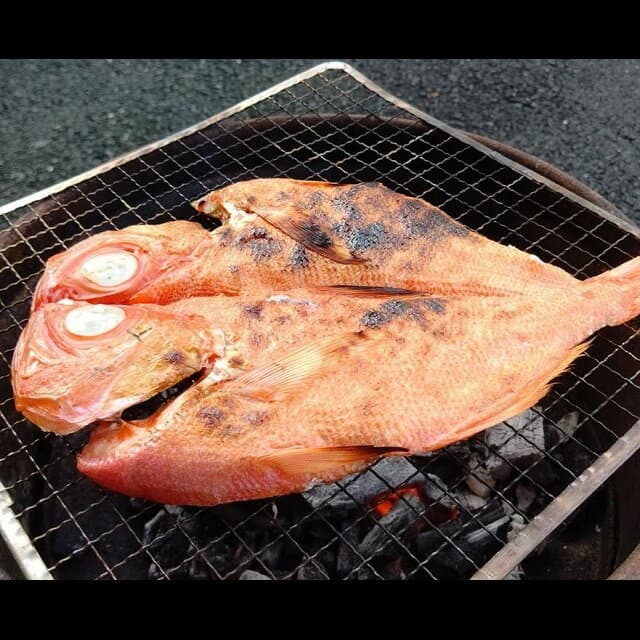
東伊豆町稲取産 稲取キンメ干物 送料無料【静岡 東伊豆 金目鯛 キンメダイ 贈り物 夏のご褒美 ひもの】
1 fishJR東日本商事いいものステーション
First time buying on Rakuten? How residents in Japan order →
Inatori Kinme begins with a short working route out of Inatori Fishing Port in Higashiizu, Shizuoka. Boats leave with the sunrise for grounds roughly ten-plus kilometers from the port, in the waters between the Izu Peninsula and Izu Oshima. The catch is brought up one fish at a time with tate-nawa vertical line gear, held in water ice on board, and sorted after the boats return by late afternoon. That narrow rhythm gives the fish its local outline: a red body, golden eyes, rich flesh, and a place on celebration plates in Inatori.
Inatori sits on a small headland on the east coast of the Izu Peninsula, with the fishing port visible along the shore. The main kinmedai grounds lie roughly ten-plus kilometers offshore, around the stretch between the Izu Peninsula and Izu Oshima. Because good grounds are close to the Izu coast, the boats can work as day-return boats: out after sunrise, back to port the same day, and ready for landing and sorting before evening.
At sea, tate-nawa gear arranges hooks along a vertical line, so kinmedai are caught one by one. Inatori's day-return work runs from sunrise to a late-afternoon return, with entry by 4 p.m. On board, water ice keeps the catch cold; after landing, cooperative staff sort the fish and manage quality. The repeated pattern belongs to many fishers, with local counts in the roughly fifty-to-sixty boat range.
The fish is easy to recognize: a vivid red body, large eyes that shine gold, thick flesh, and a rounded form. In local descriptions, the appeal on the plate comes from soft flesh, rich fat, and a clean taste. The Izu ground-kinmedai season is given as December through February, while Inatori accounts also emphasize cold-season richness. Sashimi shows the freshness directly; simmering lets the fat and sauce settle around the whole fish.
Whole simmered kinmedai belongs to Inatori celebrations, including festivals and New Year meals. In hara-awase, two whole simmered fish are placed belly-to-belly on a large plate, with the gesture tied to the idea of meeting one another openly. The dish keeps the fish's red shape visible on the table, so the port's catch becomes part of how people mark a shared occasion.
The fish also moved into the meals served to visitors. After hot springs developed in the 1950s and an Izu Kyuko station opened in the 1960s, more travelers came to Inatori, and local inns began serving kinmedai dishes. Whole simmered fish, sashimi, salt grilling, tempura, hot pot, and ara-jiru gave one local catch several forms at dinner, linking the afternoon port work with inn tables at night.
Kinmedai fishing around Izu is tied to rules that keep small fish in the water and limit work at night. The wider Izu ground-kinmedai framework includes no night operations and re-release of fish under 28 cm, and Inatori descriptions also point to avoiding the capture of small fish. These details place the day-return rhythm inside a wider effort to keep the nearby grounds workable.
Inatori Kinme holds together a specific port, nearby offshore grounds, sunrise tate-nawa work, water-ice handling, late-afternoon sorting, and whole simmered fish on celebration plates. Its red body and golden eyes make it visible at once, but the name depends on the less showy sequence around it: boats returning the same day, fishers and cooperative staff handling the catch, inns cooking it for visitors, and families setting two fish belly-to-belly on a large plate.
Compiled from public records and official sources; see the recognition links below. Details may change over time.
Where this product is officially registered, designated, or recognized in Japan.
Regional collective trademark
Registered as a Regional Collective Trademark with the Japan Patent Office.
Sources1
It is written as 稲取キンメ in Japanese. Search Rakuten and other Japanese sites with that spelling — the English name will not bring up the listings.
Inatori kinmedai is kinmedai landed at Inatori Fishing Port in Higashiizu, Shizuoka, through day-return tate-nawa single-line fishing. Boats leave with the sunrise, keep the catch in water ice, and return by late afternoon for sorting. The main grounds sit roughly ten-plus kilometers from port, between the Izu Peninsula and Izu Oshima. The fish is known for red skin, golden eyes, thick flesh, and rich fat.
Local fleet scale is described in the roughly fifty-to-sixty boat range, with many fishers supporting Inatori Kinme. After hot springs developed in the 1950s and an Izu Kyuko station opened in the 1960s, Inatori inns began serving kinmedai dishes to visitors. The wider Izu ground-kinmedai fishery includes rules such as no night operations and re-release of fish under 28 cm; Inatori context also notes avoiding small fish capture. Kinmedai is described with a red body, golden eyes, thick flesh, a soft clean taste, and rich fat, especially in the winter season context.
Whole simmered kinmedai is served at festivals, New Year meals, and celebrations; hara-awase places two whole simmered fish belly-to-belly on a large plate. The fish is used for sashimi, simmering, shabu-shabu, salt grilling, tempura, frying, and hot pot; local inns also serve simmered whole fish, salt-grilled fish, sashimi, tempura, hot pot, and ara-jiru. The season is given as December to February, with fat especially abundant in the cold period from around October to late March.
Storage varies by product — shelf-stable, refrigerated, or frozen — and is stated on the packaging and the Rakuten listing. Shelf-stable processed foods usually need refrigerating once opened and eating within a few days; chilled and frozen items go straight into storage on arrival. Treat the best-before date on the physical packaging as authoritative.
Most options are shelf-stable, boxed, and travel well, so they suit gifting or bringing home. Confirm the final storage and delivery terms on the Rakuten listing.
On Rakuten: the shops listed here right now are JR東日本商事いいものステーション. We don't sell directly; purchase, payment, stock, and delivery are all handled on the Rakuten product page.