 3 images
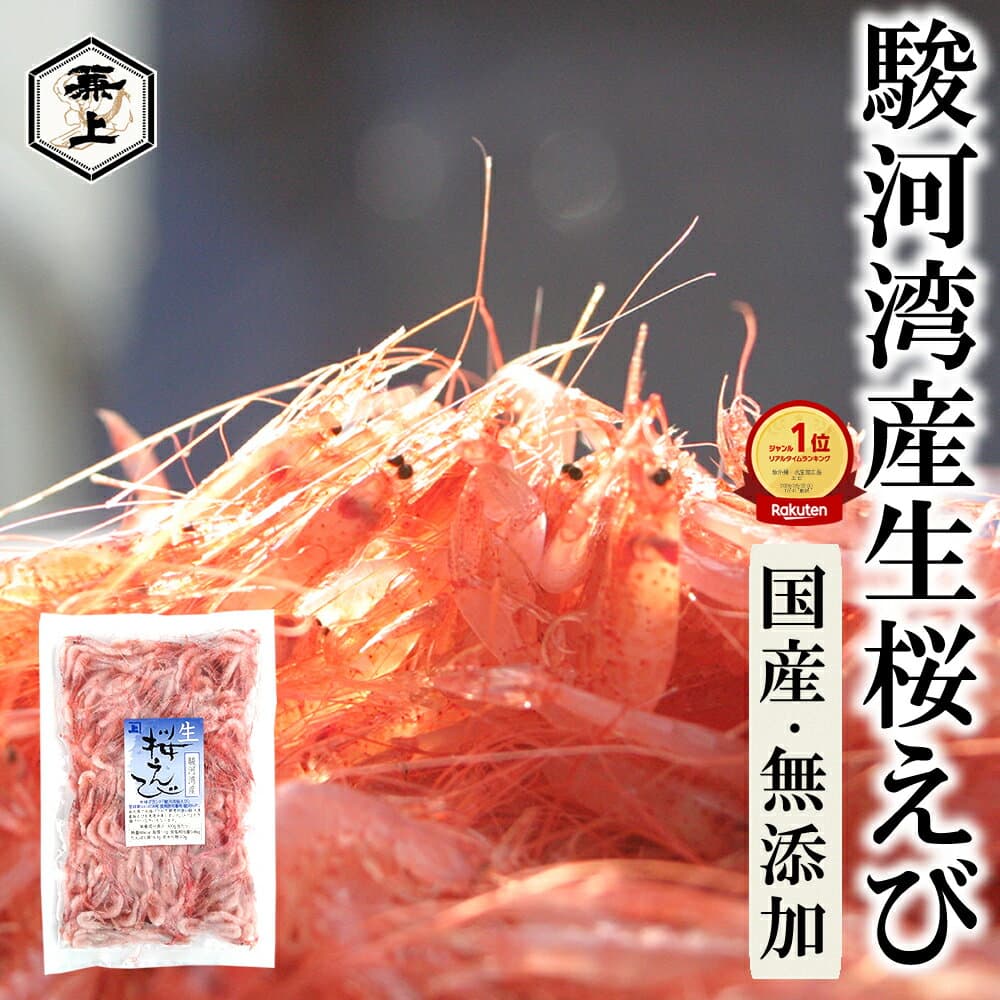
Kanejo Suruga Bay Frozen Raw Sakura Shrimp
楽天4冠 兼上 生桜えび 100g 1袋/2袋/3袋/6袋 由比港水揚げ 駿河湾桜えび 桜エビ 桜海老 桜蝦 生桜海老 生桜エビ 生さくらえび かき揚げ 静岡 駿河湾 由比 国産 お刺身 生食 冷凍 アスタキサンチン カルシウム ギフト 贈り物 贈答品 御中元 御歳暮 送料無料 カネジョウ ml
100g x 3 bags【兼上】桜えび削り節カネジョウ
4.6 / 22 reviews
Japanese name駿河湾桜えび
In Yui, Shimizu Ward, spring and autumn boats, processing, and local dishes carry Suruga Bay’s pink-red shrimp to the table.
Information last updated 7 days ago
3 images楽天4冠 兼上 生桜えび 100g 1袋/2袋/3袋/6袋 由比港水揚げ 駿河湾桜えび 桜エビ 桜海老 桜蝦 生桜海老 生桜エビ 生さくらえび かき揚げ 静岡 駿河湾 由比 国産 お刺身 生食 冷凍 アスタキサンチン カルシウム ギフト 贈り物 贈答品 御中元 御歳暮 送料無料 カネジョウ ml
100g x 3 bags【兼上】桜えび削り節カネジョウ
4.6 / 22 reviews
 3 images
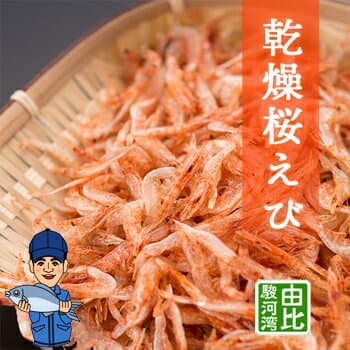
乾燥桜エビ|由比港水揚げ 駿河湾桜えび 静岡県産を安心して シュプリング 素干し すぼし
sun-dried桜えび_しらす_だし・静岡まるげん
4.8 / 83 reviews
 3 images
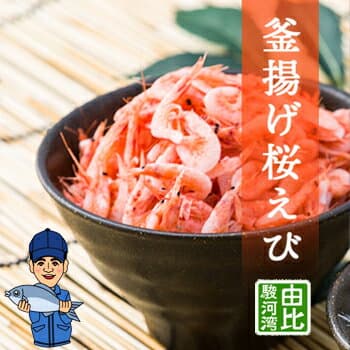
釜揚げ桜エビ|由比港水揚げ 駿河湾桜えび 静岡県産を安心して 釜ゆで桜えび 桜エビ 桜海老 さくらえび サクラエビ えび エビ 海老 新鮮 透明感 海鮮 食品 お土産 ご当地 名物 静岡 駿河湾 プチギフト ギフト プレゼント 贈答品 お歳暮 美味しい 冷凍
boiled桜えび_しらす_だし・静岡まるげん
4.8 / 104 reviews
 3 images
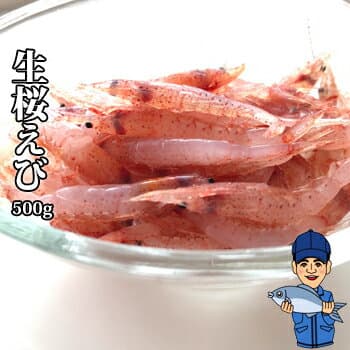
生桜えび500g|由比港水揚げ 駿河湾桜えび 静岡県産を安心して
500g桜えび_しらす_だし・静岡まるげん
4.8 / 28 reviews
 3 images
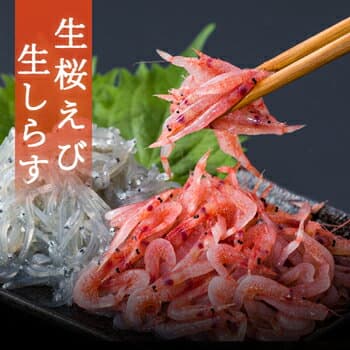
生桜えび、生しらすセット 送料無料 市場直送ギフト 由比港水揚げ 駿河湾桜えび 静岡県産を安心して 海鮮 新鮮 鮮度 お土産 ご当地 名物 静岡 漁港直送 母の日 ギフト プレゼント 贈答品 お年賀 お歳暮 美味 手土産 珍味 レシピ付き 北海道沖縄配送料加算
raw sakura shrimp & shirasu set桜えび_しらす_だし・静岡まるげん
4.7 / 519 reviews
 3 images
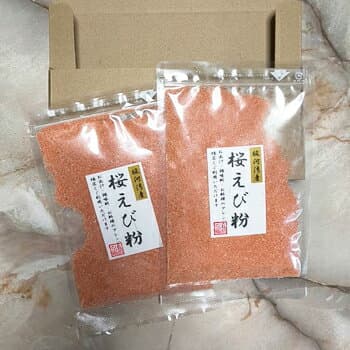
桜えび粉50g 2袋(メール便) おひとりさま数量「2」限り|他商品とご注文されると別途送料必要です|由比港水揚げ 駿河湾桜えび 静岡県産を安心して
50g x 2 bags桜えび_しらす_だし・静岡まるげん
4.7 / 18 reviews
First time buying on Rakuten? How residents in Japan order →
All 6 listings of this product on Rakuten, lowest price first.
| Listing | Price | Shop | Reviews | Open listing |
|---|---|---|---|---|
Suruga Bay Kama-age Sakura Shrimp boiledLowest priceGift-ready | ¥864 | 桜えび_しらす_だし・静岡まるげん | 4.8 / 104 reviews | View on Rakuten → |
Dried Suruga Bay Sakura Shrimp from Yui Port sun-dried | ¥1,080 | 桜えび_しらす_だし・静岡まるげん | 4.8 / 83 reviews | View on Rakuten → |
Suruga Bay Sakura Shrimp Powder 50g x 2 bags | ¥1,850 | 桜えび_しらす_だし・静岡まるげん | 4.7 / 18 reviews | View on Rakuten → |
Kanejo Suruga Bay Frozen Raw Sakura Shrimp 100g x 3 bagsGift-ready | ¥2,490 | 【兼上】桜えび削り節カネジョウ | 4.6 / 22 reviews | View on Rakuten → |
Suruga Bay Raw Sakura Shrimp 500g | ¥4,320 | 桜えび_しらす_だし・静岡まるげん | 4.8 / 28 reviews | View on Rakuten → |
Suruga Bay Raw Sakura Shrimp and Shirasu Set raw sakura shrimp & shirasu setMost reviewedGift-ready | ¥4,404 | 桜えび_しらす_だし・静岡まるげん | 4.7 / 519 reviews | View on Rakuten → |
Japanese · new tab
Suruga Bay sakura shrimp is tied to a precise place: Yui in Shimizu Ward, Shizuoka City. Suruga Bay is the Japanese fishing ground where sakura shrimp fishing is permitted, and Yui is known as a center of the fishery. The shrimp is translucent red-pink and distinctly sweet, and fishing is limited to spring and autumn by licensed fishers.
Yui is closely tied to sakura shrimp because this port area in Shimizu Ward is a center of the Suruga Bay fishery. Shrimp landed from the bay pass through processors and restaurants, becoming raw sakura shrimp, kama-age, kakiage, seafood bowls, and other local dishes.
The local character has concrete parts: Suruga Bay as the fishing ground, Yui as the port community, licensed crews, processors, restaurants, and two fishing seasons. The shrimp’s translucent red-pink color and sweetness make it visible on the table, while its scarcity shapes how people catch and handle it.
The local fishery is traced to 1894, when sakura shrimp were accidentally caught in a horse mackerel net. The beginning is small and specific: a net set for another fish, an unexpected catch of sakura shrimp, and the port work that later developed in Yui.
Over time, the shrimp drew attention for its clear red color and distinctive sweetness. Continuity here lives in working routines: boats going out in spring and autumn, the port receiving the catch, processors handling preservation, and restaurants serving the shrimp raw, boiled, fried as kakiage, or cooked as okiagari.
Suruga Bay sakura shrimp is not harvested throughout the year. Fishing is limited to spring and autumn, and the work is done by fishers with permission to operate. Time is therefore part of the product’s shape, alongside the bay and the port.
Local fishers manage the limited resource through a pool system, trial operations that check resource conditions, and adjustments to catch volume. The idea of protection appears in practical decisions: when to go out, how much to catch, and how the fishing community responds to conditions in the bay.
Preparation changes how sakura shrimp is experienced. Raw shrimp shows the translucent red-pink color and sweetness directly. Kama-age brings out aroma. Dried sakura shrimp adds a roasted fragrance that can season rice and other dishes.
Freezing technology, temperature control, and hygiene management have also changed how people encounter the shrimp. Even outside the fishing seasons, careful handling can help sushi counters and other dining settings offer a quality close to freshness.
Yui’s sakura shrimp appears in several familiar forms. Kakiage gathers the small shrimp into a crisp fritter. Kama-age gives the boiled aroma a plain setting. Raw sakura shrimp may appear on seafood bowls. Okiagari, a sukiyaki-like preparation, is remembered as a former everyday local dish.
Processors have also extended the shrimp into home cooking, including rice preparations made with dried sakura shrimp. These uses stay anchored in the same material and sensations: shrimp from Suruga Bay, work in Yui, sweetness when raw or boiled, and fragrance when dried.
The work around Suruga Bay sakura shrimp is shared by fishers, processors, and restaurants in Yui. Fishers face the conditions of the bay, processors work on preservation and usable forms, and restaurants turn the shrimp into raw dishes, kama-age, kakiage, okiagari, and seafood bowls.
Poor catches changed local awareness of the shrimp from something ordinary into a resource to protect. That shift can be seen in seasonal fishing, permission-based crews, the pool system, trial operations, catch adjustment, freezing and hygiene improvements, and new recipes that still keep the shrimp’s sweetness and aroma at the center.
Suruga Bay sakura shrimp is clearest through Yui’s seasons, boats, processing work, and dishes. An accidental catch in 1894 became a spring-and-autumn fishery, and the translucent red-pink shrimp now moves through raw plates, kama-age, dried rice dishes, kakiage, and okiagari with sweetness, aroma, and careful restraint.
Compiled from public records and official sources; see the recognition links below. Details may change over time.
Where this product is officially registered, designated, or recognized in Japan.
Regional collective trademark
Registered as a Regional Collective Trademark with the Japan Patent Office.
Sources1
It is written as 駿河湾桜えび in Japanese. Search Rakuten and other Japanese sites with that spelling — the English name will not bring up the listings.
Suruga Bay sakura shrimp is a regional seafood family tied to Yui in Shimizu Ward, Shizuoka City. The fishery is traced to an accidental catch in a horse mackerel net in 1894. Licensed fishers work only in spring and autumn and manage the limited resource through a pool system, trial operations, and catch adjustment. The shrimp is eaten raw, kama-age, as kakiage, in okiagari, on seafood bowls, and in rice cooked with dried shrimp.
Suruga Bay is the Japanese fishing ground where sakura shrimp fishing is permitted, and Yui is known as a center of the fishery. The local sakura shrimp fishery began after sakura shrimp were accidentally caught in a horse mackerel net in 1894. Sakura shrimp is described as translucent red-pink with a distinctive sweetness. The shrimp is a limited resource, and fishing is conducted only in spring and autumn by licensed fishers.
It is eaten raw, kama-age, as kakiage, in okiagari, and on seafood bowls. Dried sakura shrimp is cooked with rice, including in cooked-rice seasoning sets developed by a Yui processor. In Yui, local restaurants serve dishes such as kakiage and seafood bowls with raw sakura shrimp.
Storage varies by product — shelf-stable, refrigerated, or frozen — and is stated on the packaging and the Rakuten listing. Shelf-stable processed foods usually need refrigerating once opened and eating within a few days; chilled and frozen items go straight into storage on arrival. Treat the best-before date on the physical packaging as authoritative.
Most options are shelf-stable, boxed, and travel well, so they suit gifting or bringing home. Confirm the final storage and delivery terms on the Rakuten listing.
On Rakuten: the shops listed here right now are 【兼上】桜えび削り節カネジョウ, 桜えび_しらす_だし・静岡まるげん. We don't sell directly; purchase, payment, stock, and delivery are all handled on the Rakuten product page.