 3 images
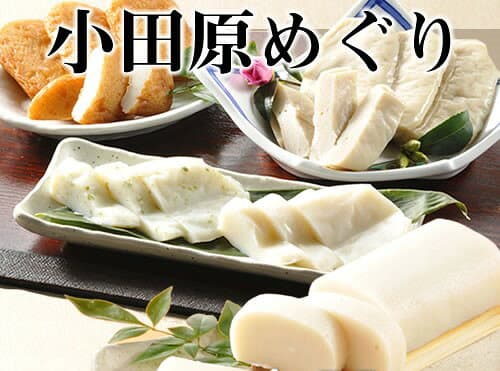
Odawara Meguri Kamaboko Fish Cake Gift Set
かまぼこ ギフト 送料無料 小田原めぐり(5種11品入)【2個購入でオマケ】【小田原蒲鉾1本、しんじょ青海苔入1枚、白1枚、さつまあげ4枚、鰯はんぺん4枚】 小田原 箱根 熱海 伊豆 お土産 老舗 お中元 お歳暮 おせち おでん 【RCP】【楽ギフ_のし宛書】【あす楽_日曜営業】
5 kinds, 11 pieces小田原わきやかまぼこ店
4.5 / 49 reviews
Japanese name小田原蒲鉾
In Odawara City, seasoned white-fish surimi is shaped on a wooden board, steamed into a glossy arc, and kept close to everyday meals, New Year osechi, school lunches, and spring demonstrations.
Information last updated 114 days ago
3 imagesかまぼこ ギフト 送料無料 小田原めぐり(5種11品入)【2個購入でオマケ】【小田原蒲鉾1本、しんじょ青海苔入1枚、白1枚、さつまあげ4枚、鰯はんぺん4枚】 小田原 箱根 熱海 伊豆 お土産 老舗 お中元 お歳暮 おせち おでん 【RCP】【楽ギフ_のし宛書】【あす楽_日曜営業】
5 kinds, 11 pieces小田原わきやかまぼこ店
4.5 / 49 reviews
 3 images
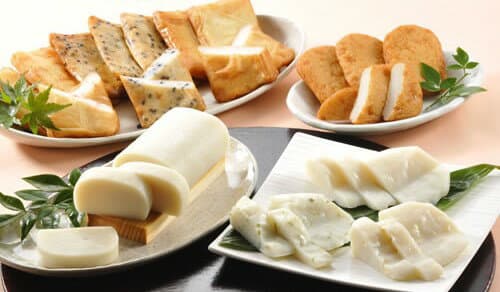
送料無料 かまぼこ ギフト 小田原づくし(8種18品入)【小田原蒲鉾1本、あげかま10枚、さつまあげ4枚、しんじょ青海苔入1枚・プレーン1枚・チーズ入1枚】 小田原 箱根 熱海 伊豆 お土産 老舗 お中元 お歳暮 おせち おでん 【RCP】 【楽ギフ_のし宛書】【あす楽_日曜営業】
8 varieties, 18 pieces小田原わきやかまぼこ店
4.5 / 17 reviews
 2 images
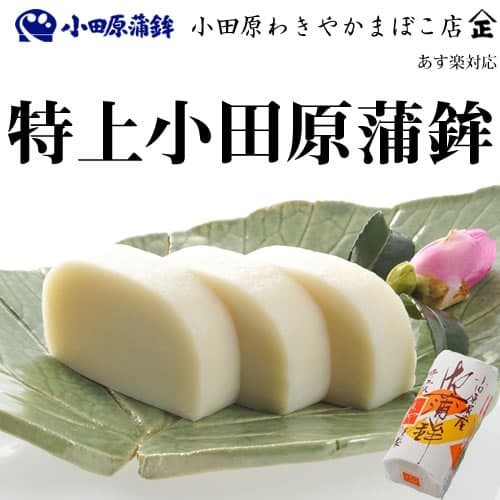
『創業100余年、味わい、弾力、歯ごたえを極めた本場本物 老舗の小田原かまぼこ』 【特上 小田原蒲鉾】 小田原 箱根 熱海 伊豆 お土産 老舗 お祝い 【あす楽_日曜営業】 【神奈川県_物産展】
1 board-mounted steamed kamaboko小田原わきやかまぼこ店
4.5 / 13 reviews
 3 images
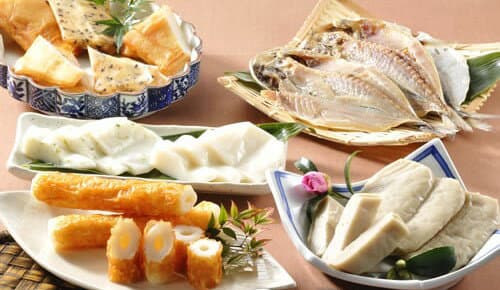
小田原 かまぼこ ギフト 送料無料 海鮮たまて箱(8種17品入)【あげかま黒ごま入・桜えび入で5枚、しんじょ青海苔入1枚・白1枚、鰯はんぺん4枚、ちくわ3本、あじ干物3枚】 小田原 箱根 熱海 伊豆 お土産 老舗 【RCP】【楽ギフ_のし宛書】 贈答 お歳暮 おせち おでん
8 types, 17 pieces小田原わきやかまぼこ店
4.8 / 29 reviews
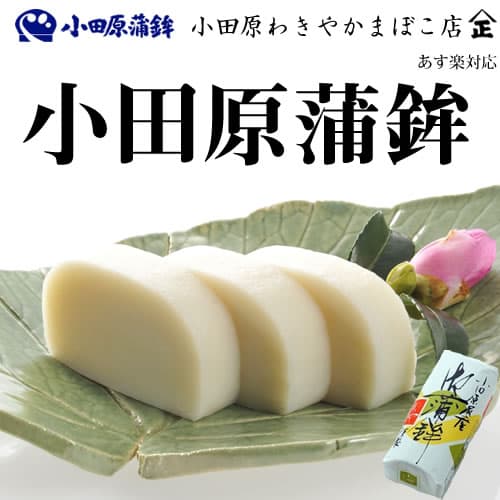
『創業100余年 味わい、弾力、歯ごたえを極めた本場本物の小田原かまぼこ』 【小田原蒲鉾・小田原かまぼこ・蒲鉾・かまぼこ・カマボコ】【あす楽_日曜営業】 P06Dec14
1 board-mounted steamed loaf小田原わきやかまぼこ店
4.2 / 18 reviews
First time buying on Rakuten? How residents in Japan order →
All 5 listings of this product on Rakuten, lowest price first.
| Listing | Price | Shop | Reviews | Open listing |
|---|---|---|---|---|
Wakiya Odawara Kamaboko 1 board-mounted steamed loafLowest price | ¥1,930 | 小田原わきやかまぼこ店 | 4.2 / 18 reviews | View on Rakuten → |
Wakiya Premium Odawara Kamaboko 1 board-mounted steamed kamabokoGift-ready | ¥2,490 | 小田原わきやかまぼこ店 | 4.5 / 13 reviews | View on Rakuten → |
Odawara Meguri Kamaboko Fish Cake Gift Set 5 kinds, 11 piecesMost reviewedGift-ready | ¥3,980 | 小田原わきやかまぼこ店 | 4.5 / 49 reviews | View on Rakuten → |
Odawara Kamaboko Seafood Tamatebako Assortment 8 types, 17 piecesGift-ready | ¥4,980 | 小田原わきやかまぼこ店 | 4.8 / 29 reviews | View on Rakuten → |
Odawara-zukushi Kamaboko Gift Assortment 8 varieties, 18 piecesGift-ready | ¥5,980 | 小田原わきやかまぼこ店 | 4.5 / 17 reviews | View on Rakuten → |
Japanese · new tab
Odawara kamaboko begins with a simple physical form: fish surimi seasoned, raised into a rounded shape on a wooden board, and steamed. Its setting is just as concrete. Odawara sits in Kanagawa by Sagami Bay, with Hakone-Tanzawa water, port fish, and Tokaido post-town traffic all tied to the way this white, elastic kamaboko became a local specialty.
Odawara's food setting joins Sagami Bay fish, the Hakone-Tanzawa water system, rivers, forests, the sea, and a castle-town history on the Tokaido. As travelers moved through the post town, kamaboko grew as a local food for dining tables; later demand from Tokyo and Yokohama and travel to Hakone and Izu helped keep Odawara's name attached to this board-shaped fish paste.
The base is fish surimi; the white fish include guchi and ishimochi, and late-Edo Odawara board kamaboko is also linked with Sagami Bay okigisu. The paste is seasoned, set on a wooden board, shaped into a rounded profile, and steamed, so the board works as part of the form, holding the paste in its raised shape.
The work begins by removing fish meat and repeatedly rinsing it in water to draw away oil, blood, and impurities. After draining, the fish is ground with salt in a stone mortar, seasoned with salt, sugar, and mirin, strained to remove bones and skin, shaped on a board, steamed at about 90°C, and cooled; the fine bite comes from that sequence of water, salt, stone, strainer, board, and steam.
Odawara kamaboko is known for fine grain, white color, surface gloss, and a resilient chew. Those traits sit inside the making: water-rinsing clears oil and blood, salt grinding binds the fish into paste, straining leaves a smoother texture, and steam fixes the rounded white form on the board so it can be sliced cleanly.
Today's Odawara kamaboko continues through 11 member companies in the Odawara Kamaboko Cooperative. Its working rules keep practical lines together: careful selection of raw and auxiliary materials, a steamed board-mounted form, Odawara-based headquarters and making, long-running local business, and membership. Skill meetings, events, and the Sakura Festival keep the makers' shared practices visible in the city.
Odawara kamaboko is eaten throughout the year, appearing in ordinary meals, New Year osechi, and celebratory settings. Around November 15, local elementary and junior high school lunches in Odawara use the city's kamaboko; in spring, the Odawara Kamaboko Sakura Festival at Odawara Castle includes handmade demonstrations that bring rinsing, shaping, and steaming close to the public.
Before a slice reaches the plate, it has passed through white fish, water-rinsing, salt grinding, straining, a wooden board, steam at about 90°C, and cooling. That path explains why Odawara kamaboko can sit naturally in ordinary meals, New Year boxes, school lunches, and festival demonstrations: the same rounded white fish paste carries a specific city, process, and maker community in a form people can cut and share.
Compiled from public records and official sources; see the recognition links below. Details may change over time.
Where this product is officially registered, designated, or recognized in Japan.
Regional collective trademark
Registered as a Regional Collective Trademark with the Japan Patent Office.
Sources1
It is written as 小田原蒲鉾 in Japanese. Search Rakuten and other Japanese sites with that spelling — the English name will not bring up the listings.
Odawara kamaboko is a steamed board-mounted kamaboko from Odawara City, Kanagawa, made by shaping seasoned white-fish surimi on a wooden board. Its setting connects Sagami Bay fish, Hakone-Tanzawa water, and Tokaido post-town traffic. It has white color, fine grain, gloss, and elastic bite.
The process includes repeated water-rinsing, grinding with salt in a stone mortar, seasoning, straining, shaping on a board, steaming at about 90°C, and cooling. Named fish include guchi and ishimochi, and late-Edo Odawara board kamaboko is also linked with Sagami Bay okigisu. The Odawara Kamaboko Cooperative has 11 member companies and carries out skill meetings, event participation, and the Odawara Kamaboko Sakura Festival.
Odawara kamaboko is eaten year-round in ordinary meals. It may be served in New Year osechi and at celebratory occasions. Odawara municipal elementary and junior high schools serve menus using local kamaboko around November 15, Kamaboko Day, as part of local-food education.
Storage varies by product — shelf-stable, refrigerated, or frozen — and is stated on the packaging and the Rakuten listing. Shelf-stable processed foods usually need refrigerating once opened and eating within a few days; chilled and frozen items go straight into storage on arrival. Treat the best-before date on the physical packaging as authoritative.
Most options are shelf-stable, boxed, and travel well, so they suit gifting or bringing home. Confirm the final storage and delivery terms on the Rakuten listing.
On Rakuten: the shops listed here right now are 小田原わきやかまぼこ店. We don't sell directly; purchase, payment, stock, and delivery are all handled on the Rakuten product page.