 3 images
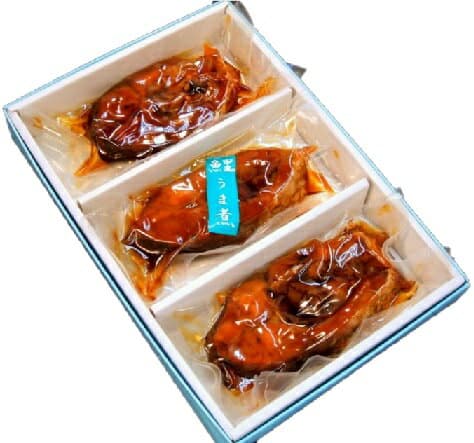
魚甲商店 Saku Carp Uma-ni
魚甲商店「佐久鯉うま煮」3切入り
3 piecesプラザ佐久
4.3 / 24 reviews
Japanese name佐久鯉
In Saku City, Nagano, carp grow slowly in cold running water fed by the Chikuma River, canals, and underflow, linking firm flesh with ponds, rice fields, and winter tables.
Information last updated 119 days ago
3 images魚甲商店「佐久鯉うま煮」3切入り
3 piecesプラザ佐久
4.3 / 24 reviews
 3 images
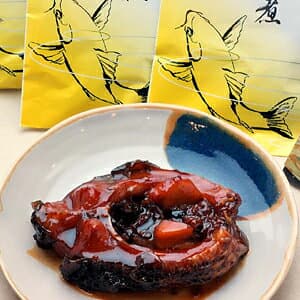
【送料無料】佐久農水産「佐久鯉うま煮」ひと切入り 5袋
1 slice x 5 bagsプラザ佐久
4.4 / 14 reviews
 3 images
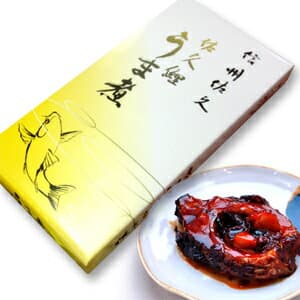
佐久農水産「佐久鯉うま煮」3切 1箱
3 slices per boxプラザ佐久
4.3 / 11 reviews
First time buying on Rakuten? How residents in Japan order →
Saku City sits in the inland Saku basin of eastern Nagano, where the Chikuma River, tributaries, canals, and underflow water pass through rice fields and ponds. Saku carp grow slowly in cold running water, and the low water temperature and wide temperature range are tied to firm flesh and little muddy odor. The fish is remembered through specific dishes as much as through place: koi-koku miso soup, chilled arai, uma-ni, kanro-ni, and year-end meals keep the basin’s water close to the table.
Saku carp begins with water rather than the sea. The upper Chikuma River system, its tributaries, irrigation channels, and underflow water support ponds and rice fields in a basin about 500 to 700 meters above sea level. Good water quality, abundant oxygen, low water temperature, and large daily and seasonal temperature swings are linked in the local accounts with flesh that tightens as the fish grows. The result readers meet at the table is a firm texture and a clean taste with little muddy odor.
The rearing path gives Saku carp its pace. In the tourism-board account, parent carp spawn in mid-May; once fry reach about 1 to 3 grams, they are raised in reservoir ponds. By November of the same year, the young carp weigh about 50 to 100 grams, then move to ponds for overwintering. Shipment commonly comes in the third year, when the fish weigh about 1 to 1.5 kilograms. Cold running water slows growth, and that time is tied to firm flesh, moderate fat, and reduced odor.
Saku’s carp raising was once close to ordinary farm work. The educational study describes rice-field and pond aquaculture as part of a local system in which edible carp could be raised beside rice cultivation; by the Meiji period, places such as Nakagomi, Nozawa, and Hara used rice fields for commercial carp production. Later agricultural modernization and changing eating habits separated producers from household consumers, and specialized inland aquaculture producers took on a larger role. Recent rice-field carp efforts connected with pesticide-free rice bring the fish back into fields where rice and water once framed the work together.
The name Saku-goi gathered several local memories into one regional name. One account preserves a village memory of wild carp rearing in Nakagomi; another describes Usuda Tan’uemon bringing Yodo carp to Sakurai, with carp raising later taking root around Nozawa. Earlier market names included Nakagomi carp, Sakurai carp, and Nozawa carp, before the shared name Saku-goi settled around 1930. Later regional collective trademark status gives context for that shared name, but the living meaning is concrete: a fish tied to Saku’s water, place names, and producer community.
The clearest way to understand Saku carp is through the dishes that carry its texture. Koi-koku simmers cross-cut carp in Shinshu miso soup, with seasonings varying by household. Arai uses live carp sliced and chilled in cold water until the flesh curls, then served with wasabi soy sauce or vinegar miso. Uma-ni, kanro-ni, salt-grilling, and suzume-yaki show other ways local cooks handle the same fish. In the Saku region, carp also remains a year-end food custom, and the educational study notes especially strong December demand.
After the period of rapid economic growth, fewer households cooked carp at home, and the distance between aquaculture producers and consumers widened. The educational study also describes KHV disease as a production shock. Continuity in Saku has therefore depended on practical activity rather than nostalgia alone: civic groups renewed attention to carp cuisine, school learning and rice-field aquaculture connected children with fields and local meals, and the Saku Aquaculture Cooperative works in freshwater fish farming, product development, and research. When Saku carp moves from a cold pond to koi-koku or arai, it carries the basin’s water, the old rice-field setting, and the work of specialized producers.
Saku carp is best understood through visible places and tasks: the Chikuma River and underflow water, cold ponds where fish grow slowly, rice fields that once held carp beside rice, and winter tables where koi-koku and uma-ni still appear. Those concrete links keep an inland freshwater fish connected to Saku City’s ponds, fields, producers, and meals.
Compiled from public records and official sources; see the recognition links below. Details may change over time.
Where this product is officially registered, designated, or recognized in Japan.
Regional collective trademark
Registered as a Regional Collective Trademark with the Japan Patent Office.
Sources1
It is written as 佐久鯉 in Japanese. Search Rakuten and other Japanese sites with that spelling — the English name will not bring up the listings.
Saku carp is an edible carp associated with Saku City in inland Nagano, the Saku basin, and the Chikuma River system. Cold running water, low water temperature, and wide temperature swings are linked with slow growth, firm flesh, and little muddy odor; tourism materials describe shipment in the third year at about 1 to 1.5 kilograms. Local uses include koi-koku, arai, uma-ni, kanro-ni, and year-end meals, while rice-field aquaculture, civic activity, and school learning support continuity.
The Saku basin is described as an inland basin about 500 to 700 meters above sea level, with the Chikuma River, tributaries, canals, and underflow water supporting ponds and rice fields. The shared name Saku-goi settled around 1930, following earlier local names such as Nakagomi, Sakurai, and Nozawa carp. Saku had both rice-field and pond carp aquaculture; agricultural modernization and changing eating habits later made specialized producers more important. Rice-field carp raising has revived among farmers pursuing pesticide-free rice, and civic and school-led activity reexamined Saku carp and rice-field aquaculture after 2000.
Koi-koku is carp slices simmered in miso broth, with seasoning that varies by household. Arai is sliced live carp chilled in cold water and eaten with wasabi soy sauce or vinegar miso; Saku carp is used partly because it lacks muddy odor. Carp dishes are also associated with pregnancy-related meals and memorial meals, with use varying by social occasion.
Storage varies by product — shelf-stable, refrigerated, or frozen — and is stated on the packaging and the Rakuten listing. Shelf-stable processed foods usually need refrigerating once opened and eating within a few days; chilled and frozen items go straight into storage on arrival. Treat the best-before date on the physical packaging as authoritative.
Most options are shelf-stable, boxed, and travel well, so they suit gifting or bringing home. Confirm the final storage and delivery terms on the Rakuten listing.
On Rakuten: the shops listed here right now are プラザ佐久. We don't sell directly; purchase, payment, stock, and delivery are all handled on the Rakuten product page.