 3 images
Matsunoya Kiso Lacquerware Suri-Urushi Oval Bento Box
松野屋 すり漆丸小判弁当箱 小 (長野産) 職人の磨かれた技で作られた 軽くて使いやすい大きさの漆塗りのお弁当箱 木曽漆器 御嶽山 ひのき ハンドメイド 長野県産 日本製 国産 一生もの ロングセラー
Smallくらし舎
5.0 / 6 reviews
Japanese name木曽漆器
In Kiso-Hirasawa, Nagano, forest wood, moist air, the Nakasendo road, and local undercoat soil shaped lacquered bowls, chopsticks, trays, and furniture for daily use.
Information last updated 9 hours ago
3 images松野屋 すり漆丸小判弁当箱 小 (長野産) 職人の磨かれた技で作られた 軽くて使いやすい大きさの漆塗りのお弁当箱 木曽漆器 御嶽山 ひのき ハンドメイド 長野県産 日本製 国産 一生もの ロングセラー
Smallくらし舎
5.0 / 6 reviews
 3 images
松野屋 すり漆長小判弁当箱 (長野産) 職人の磨かれた技で作られた 軽くて使いやすい大きさの漆塗りのお弁当箱 です 木曽漆器 御嶽山 ひのき 長野県産 日本製 国産 一生もの ロングセラー
210 x 90 x 50 mm, approx. 410 mlくらし舎
4.7 / 3 reviews
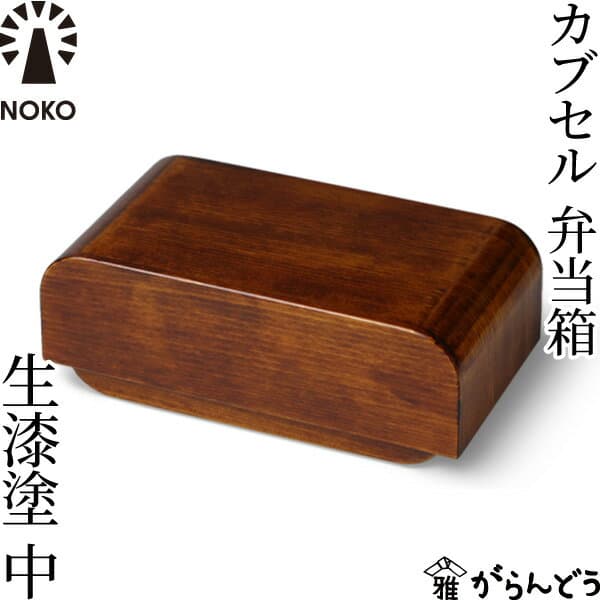 3 images
NOKO カブセル弁当箱 生漆塗(中) 大河内家具工房 漆塗り 木曽漆器 木製 日本製 ランチボックス
Medium, raw urushi lacquerがらんどう
5.0 / 1 reviews
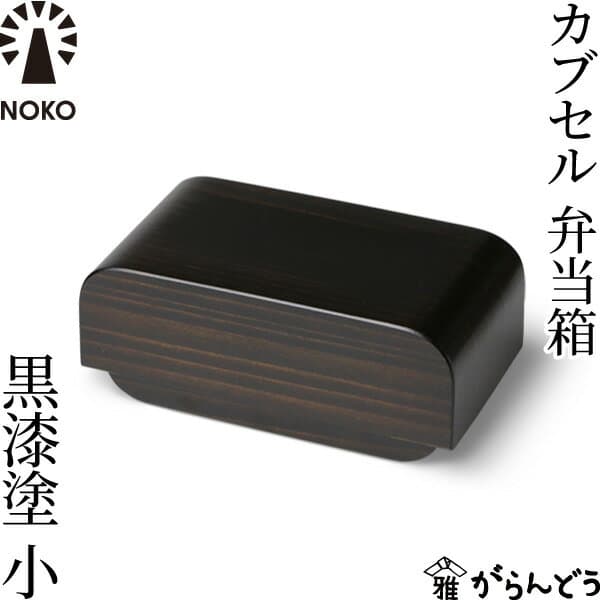 3 images
NOKO カブセル弁当箱 黒漆塗(小) 大河内家具工房 漆塗り 木曽漆器 木製 日本製 ランチボックス
small, 400 mlがらんどう
5.0 / 1 reviews
First time buying on Rakuten? How residents in Japan order →
All 4 listings of this product on Rakuten, lowest price first.
| Listing | Price | Shop | Reviews | Open listing |
|---|---|---|---|---|
NOKO Kabuseru Wooden Bento Box Medium, raw urushi lacquerLowest price | ¥11,495 | がらんどう | 5.0 / 1 reviews | View on Rakuten → |
NOKO Kabusel Black Lacquer Bento Box small, 400 ml | ¥12,100 | がらんどう | 5.0 / 1 reviews | View on Rakuten → |
Matsunoya Kiso Lacquerware Suri-Urushi Oval Bento Box SmallMost reviewed | ¥12,650 | くらし舎 | 5.0 / 6 reviews | View on Rakuten → |
Matsunoya Kiso Lacquerware Wiped-Lacquer Long Oval Bento Box 210 x 90 x 50 mm, approx. 410 ml | ¥13,200 | くらし舎 | 4.7 / 3 reviews | View on Rakuten → |
Japanese · new tab
Kiso lacquerware is centered on Kiso-Hirasawa and nearby areas of Shiojiri City in Nagano Prefecture. The Kiso valley offers forest resources such as Kiso hinoki, moist conditions suited to lacquerwork, and a position along the Nakasendo road; together, these conditions helped lacquered objects become a local livelihood. Wood is coated again and again with refined urushi, becoming bowls, chopsticks, trays, low tables, furniture, and small everyday objects. When gloss fades or scratches appear, some traditionally made pieces can be recoated or repaired and returned to use.
Kiso-Hirasawa sits in Shiojiri City, and Kiso lacquerware is made in this town and the surrounding area. The craft grew from a practical set of local conditions: Kiso woods from the valley, humid air that suits lacquerwork, and traffic along the Nakasendo road.
By around the 1600s, Kiso-Hirasawa had organized lacquerware production. In the late Edo period, wares from Hirasawa circulated under names such as “Kiso things,” “Kiso lacquered goods,” and “Hirasawa goods,” and distribution links reached Edo and Osaka. The town still carries its lacquerwork identity through workshops, streetscapes, and the cooperative based in Kiso-Hirasawa.
The material base begins with wood. Local woods named for the Kiso area include hinoki, sawara, asunaro, nezuko, and koyamaki, with Kiso hinoki often placed within the region’s forest context. Once the wooden form is ready, refined sap from the urushi tree is applied in repeated layers, giving the surface its sheen, touch, and protective coat.
In the early Meiji period, good sabi-tsuchi was found locally and became important as an undercoat material. Its role is mostly hidden after finishing, but it helps explain why Kiso-Hirasawa developed a reputation for sturdy lacquerware: the lacquered surface depends on the wood, soil, and layers beneath it.
Kiso lacquerware appears as bowls and chopsticks, and it also extends to trays, low tables, furniture, household kotatsu table tops, accessories, and other small daily goods. Each object joins a wooden base, layers of urushi, and a use case, whether it rests in the hand, on the table, or in a room.
At Kiso Narakawa and the Kiso Kurashi no Kogeikan, urushi is introduced as a natural coating that can be used beyond vessels. That context helps explain why Kiso lacquerware can move from a soup bowl to a piece of furniture while keeping the same material logic of wood, coating, touch, and use.
Kiso Tsuishu is one of the representative coating techniques associated with Kiso lacquerware. In polishing experiences, participants bring out the pattern by abrading the layered surface, so the relationship between coating, pattern, and touch becomes physical rather than abstract.
The Kiso Lacquerware Museum in Kiso-Hirasawa displays tools and products used in Kiso lacquerwork and explains production processes and product types. For everyday users, the tactile point is simple: bowls and chopsticks are valued for hand feel and warmth, qualities that let lacquerware sit naturally within an ordinary meal.
Kiso lacquerware remains close to local meals. Shiojiri elementary and junior high school lunches use Kiso lacquered chopsticks, and Narakawa-area students use lacquerware vessels at school meals. A child lifting chopsticks or a bowl at lunch brings the work of the lacquer town into a daily setting.
Repair and recoating extend that daily relationship. When gloss fades or scratches appear, traditionally made pieces can be recoated or repaired. Bowls, chopsticks, and household objects can therefore return to the workshop and come back to the table with their use marks folded into continued life.
The Kiso Lacquerware Industrial Cooperative is based in Kiso-Hirasawa, where workshops, apprentices, local education, and urushi tree planting are part of the production area’s continuity. Urushi trees take more than ten years before sap can be harvested, and each tree yields only a small amount; planting is therefore a long-term material commitment.
Seasonal events make the town visible. June and autumn lacquerware gatherings, workshop visits, Kiso Tsuishu polishing, and the preserved lacquerwork-town streetscape around Kiso-Hirasawa and Kiso Narakawa connect finished bowls, chopsticks, trays, and furniture with the people and places behind them.
The character of Kiso lacquerware rests in a concrete chain: Kiso-Hirasawa’s workshop town, Kiso valley wood and moist air, sabi-tsuchi undercoat valued from the early Meiji period, repeated urushi layers, and objects that return to use through school meals, home tables, repair, recoating, and hands-on polishing. In a Kiso lacquered bowl or pair of chopsticks, the shine is the visible surface of wood, soil, lacquer, makers, and everyday meals working together.
Compiled from public records and official sources; see the recognition links below. Details may change over time.
Where this product is officially registered, designated, or recognized in Japan.
It is written as 木曽漆器 in Japanese. Search Rakuten and other Japanese sites with that spelling — the English name will not bring up the listings.
Kiso lacquerware is a lacquerware family centered on Kiso-Hirasawa and nearby areas of Shiojiri City, Nagano. Wood is repeatedly coated with refined urushi to make bowls, chopsticks, trays, low tables, furniture, and daily goods, shaped by local woods, moist air, Nakasendo traffic, and sabi-tsuchi undercoat.
Organized lacquerware production in Kiso-Hirasawa is described from around the 1600s. Good local sabi-tsuchi undercoat soil was found in the early Meiji period and helped Kiso-Hirasawa develop as a lacquerwork town. Shiojiri elementary and junior high school lunches use Kiso lacquered chopsticks, and Narakawa-area students use lacquerware vessels at school meals. Traditionally made Kiso lacquerware can be recoated or repaired when gloss fades or scratches appear.
Daily bowls, chopsticks, spoons, small plates, and household vessels are made by coating wood with lacquer. Shiojiri elementary and junior high schools use Kiso lacquered chopsticks for lunch, and Narakawa students use lacquerware as school lunch vessels. Traditionally made pieces can be recoated or repaired when gloss fades or scratches appear.
Porous earthenware is usually given a "medome" treatment first — simmer it gently in rice-rinsing water (or water with a little flour), then cool, rinse, and air-dry. This reduces staining and odour absorption. Porcelain normally just needs a wash. Follow the listing where it says otherwise.
Handmade earthenware, pieces with gold or silver overglaze, and lacquerware generally should not go in a dishwasher, microwave, or heated drying cabinet; heat-resistant porcelain usually can. Check the Rakuten listing for the specific piece.
Most options are shelf-stable, boxed, and travel well, so they suit gifting or bringing home. Confirm the final storage and delivery terms on the Rakuten listing.
On Rakuten: the shops listed here right now are くらし舎, がらんどう. We don't sell directly; purchase, payment, stock, and delivery are all handled on the Rakuten product page.