Nagano Local Goods Guide
長野県
Nagano is indexed here as a practical buying guide for travelers and foreign residents in Japan. Start with packable gifts, then compare table goods, quiet luxuries, and crafted objects when you need a stronger sense of place.
11Local selections
What Nagano is known for
The 8 products below are what Nagano is known for, ordered by how strongly each is rooted in the prefecture — what it is, and why it comes from here.
Nagano wineSake & spirits
Nagano wine begins in central Honshu, where 2,000- to 3,000-meter mountains, dry inland valleys, day-night temperature shifts, four wine-valley areas, and 55 association members shape the regional map.
Nagano sakeSake & spirits
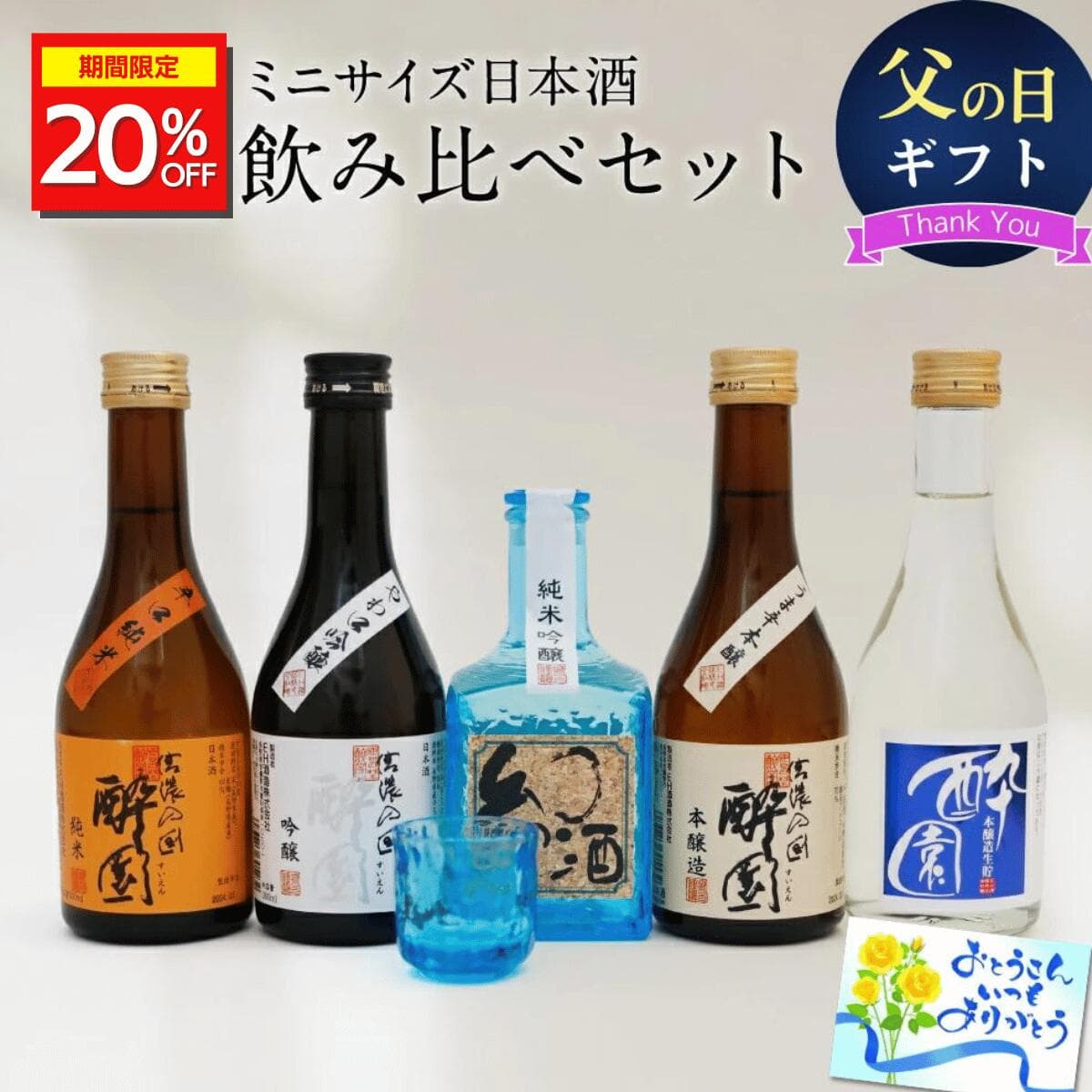
In Shinshu’s mountain basins, snowmelt, Nagano-grown rice, Suwa’s Association Yeast No. 7, and three toji lineages shape a sake family with many local faces.
Shinshu forged bladesHome & living
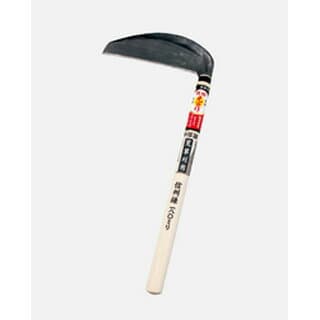
In northern Nagano, iron, carbon steel, and wooden handles become sickles, kitchen knives, and nata hatchets; the Shinshu sickle carries its cutting angle through shibazuke and tsuri.
Kiso lacquerwareTableware
In Kiso-Hirasawa, Nagano, forest wood, moist air, the Nakasendo road, and local undercoat soil shaped lacquered bowls, chopsticks, trays, and furniture for daily use.
Ueda tsumugiTextiles
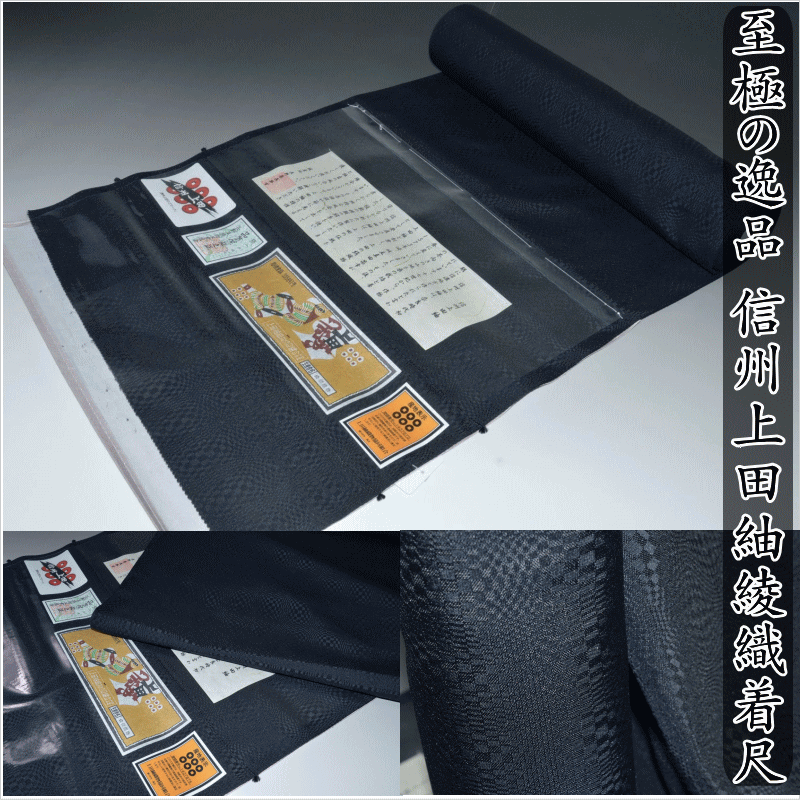
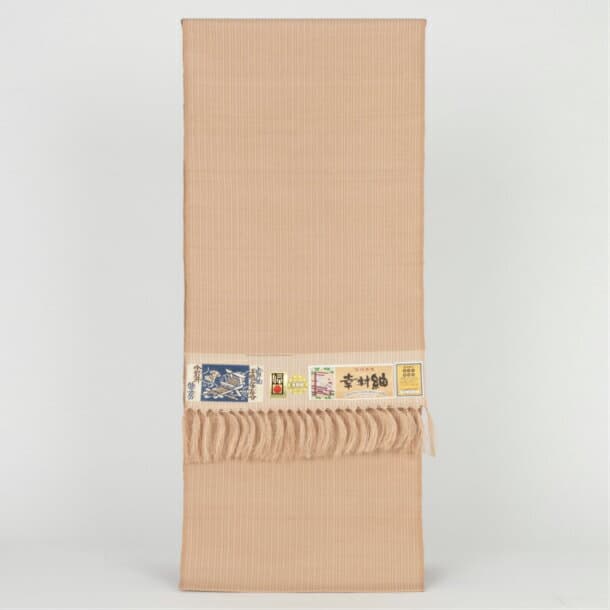
In Nagano’s Ueda City, Ueda Tsumugi connects sericulture, silk warp, spun tsumugi weft, plant dyeing, and the slow work behind a thirteen-meter kimono bolt.
Shinshu tsumugiTextiles
Across Matsumoto, Ueda, Ina, and Iida, Shinshu Tsumugi names a Nagano silk textile shaped by raw silk, tama-ito, hand-spun mawata, plant dyes, straw-ash scouring, and the rhythm of the taka-hata loom.
Sunki picklesRegional foods
In Nagano’s Kiso region, sunki turns red turnip greens, sunki starter, warm liquid, and lactic fermentation into a winter taste for pickles and soba.
Shinshu salmonRegional foods
A silver-bodied trout with red flesh grew from Nagano's breeding work, local inns, and demand for sashimi and sushi.
Regional Gifts
Packable foods and gifts with clear regional character.
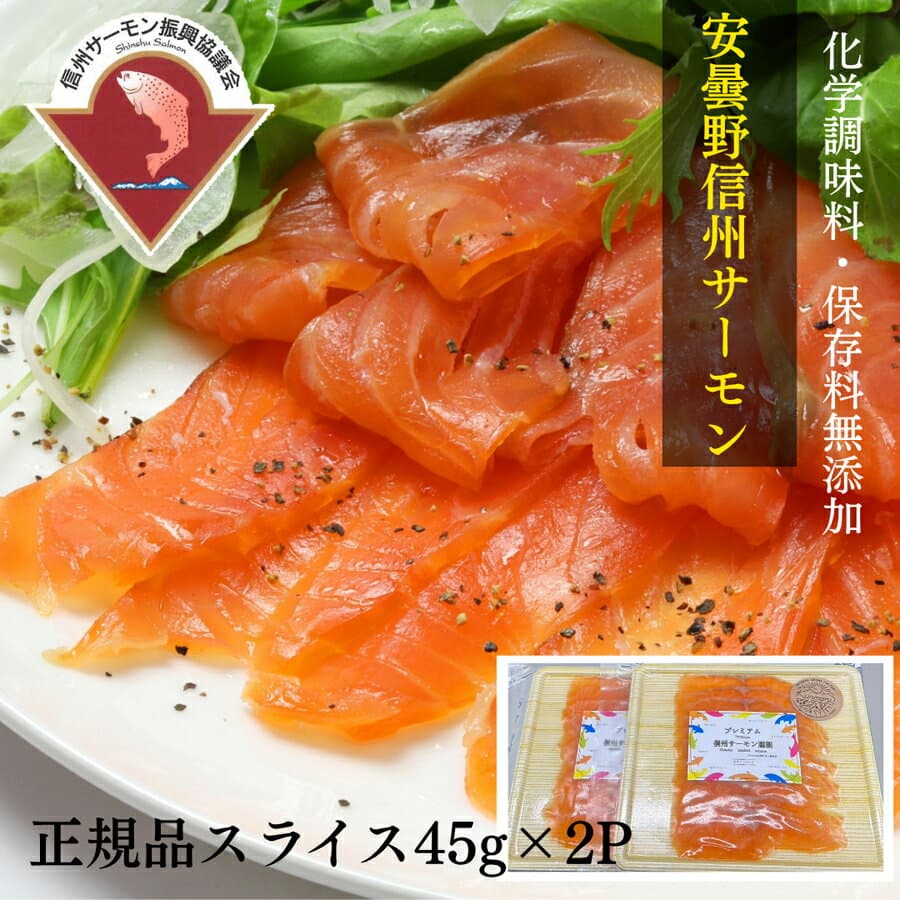
Table & Tea
Tea, drinks, foods, and table pieces shaped by local taste.

Daily Rituals
Home goods and textiles that turn everyday use into a local ritual.

Sake & Spirits
Local sake, shochu, regional wine and craft spirits shaped by each prefecture. For ages 20+.

Nagano's specialties by category
How the same thing is made elsewhere, and what differs: the category overviews start here.
Kind before region: fresh fish is about handling, crab and oysters about season, nori and dried goods about processing.
Type before region: knives by shape and bevel, sickles by job, and whether the blade was forged or stamped.
Woven or dyed first: tsumugi, kasuri and chijimi weave dyed yarn; yuzen, komon and bingata dye white cloth.
FAQ
What is Nagano known for?
Nagano (Chubu) is represented here by specialties such as Nagano wine, Nagano sake, Shinshu forged blades — each verified against official registries and matched to Rakuten listings.
Are Nagano souvenirs good to bring home?
Many Nagano picks — Nagano wine, Nagano sake, Shinshu forged blades among them — are shelf-stable foods and crafts that travel well; for temperature- or fragility-sensitive items, confirm delivery and packaging on the Rakuten listing.
Are these products sold directly by this site?
No. This site curates Rakuten listings and may earn affiliate revenue from links to Rakuten.
How are products selected?
Listings are filtered for local relevance, product images, availability, and review strength.
Related prefecture guides
Niigata
Niigata is a useful regional guide for distinctive local specialties.
Toyama
Toyama is a useful regional guide for distinctive local specialties.
Ishikawa
Ishikawa is a useful regional guide for distinctive local specialties.
Fukui
Fukui is a useful regional guide for distinctive local specialties.