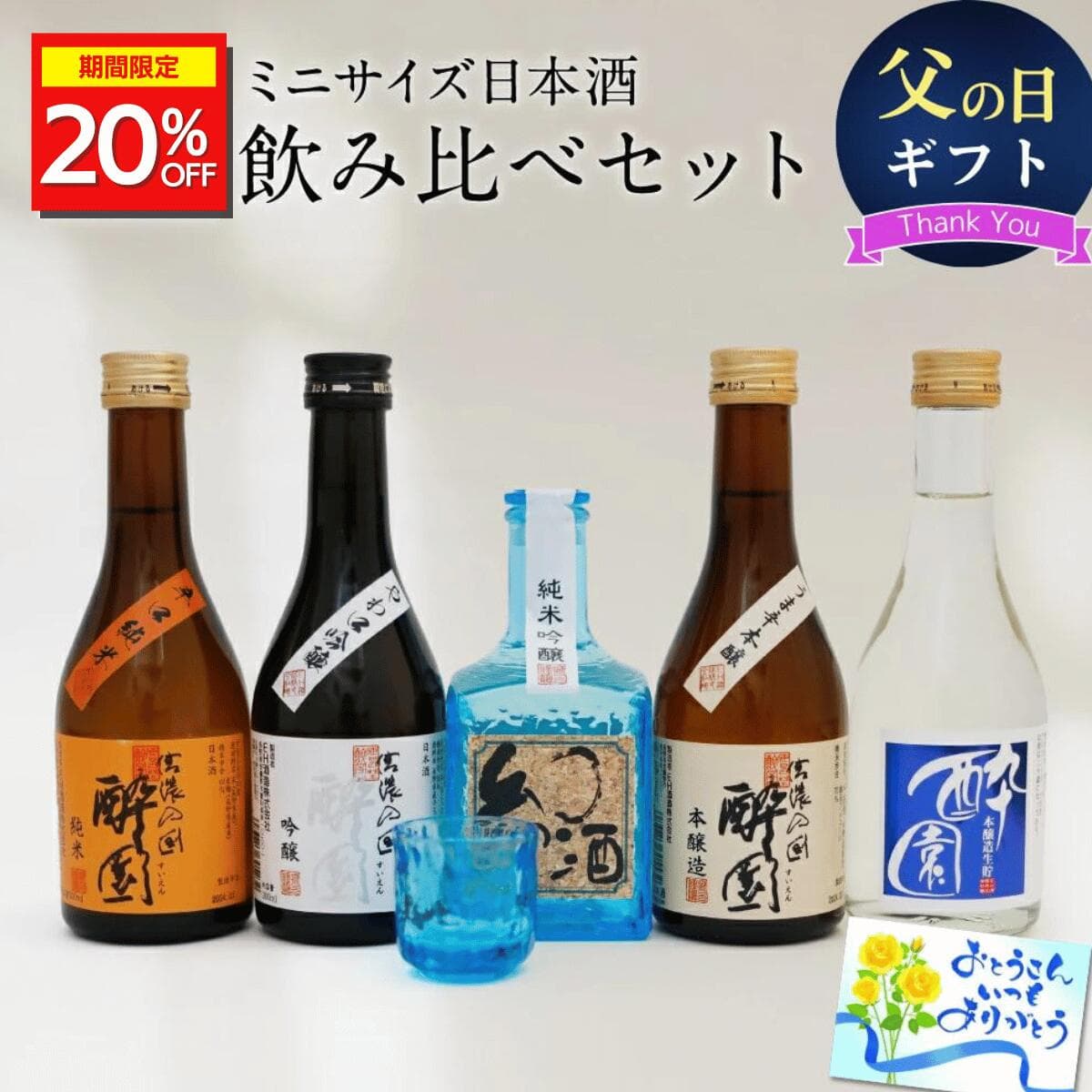
酔園 Nagano Azumino Sake Tasting Gift Set
\期間限定20%OFF/日本酒 飲み比べ ギフト セット 5本セット グラス付き おちょこ付き プレゼント 酔園 宅飲み 長野県 安曇野 送料無料 お取り寄せ 詰め合わせ 日本酒セット ミニボトル ミニセット 熱燗 お酒 酒 お歳暮 歳暮 冬限定 冷酒 晩酌 贈答 誕生日 贈り物
300ml x 5 bottlesGift-ready
酔園 楽天市場店
4.8 / 40 reviews
Japanese name長野
In Shinshu’s mountain basins, snowmelt, Nagano-grown rice, Suwa’s Association Yeast No. 7, and three toji lineages shape a sake family with many local faces.
Information last updated 5 days ago
Ordering from abroad works when the recipient has a Japanese address.
3 of the 5 listings below are sold as gifts in the shop's own wording (ギフト, のし対応 …), marked “Gift-ready”.
\期間限定20%OFF/日本酒 飲み比べ ギフト セット 5本セット グラス付き おちょこ付き プレゼント 酔園 宅飲み 長野県 安曇野 送料無料 お取り寄せ 詰め合わせ 日本酒セット ミニボトル ミニセット 熱燗 お酒 酒 お歳暮 歳暮 冬限定 冷酒 晩酌 贈答 誕生日 贈り物
酔園 楽天市場店
4.8 / 40 reviews

鼎 純米吟醸 720ml 日本酒 長野県 純米吟醸酒 甘口 黒耀水使用 長野 地酒 日本酒かなえ お酒 プレゼント ギフト 四合瓶 美味しいお酒 美味しい日本酒 フルーティー 贈り物 お祝い 退職祝い 誕生日プレゼント 男性 父親 日本酒ギフト 特産品 お取り寄せ お土産 手土産
酒のぎょうだ
4.7 / 22 reviews
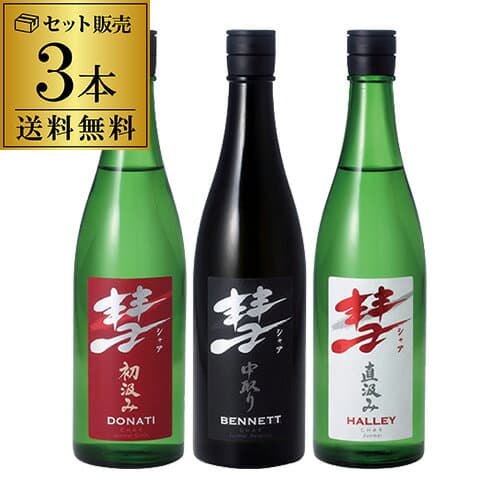
【4日20:00~10日までポイント3倍!】彗 シャア 720ml×3本 送料無料ベネット ドナティ ハレー 長野県 遠藤酒造場限定 日本酒 辛口純米大吟醸 純米吟醸 純米酒 飲み比べ セット 冷酒 長S
お酒の専門店 リカマン楽天市場店
4.5 / 30 reviews

ミュゼドゥヴァン/松本平ブラッククイーン [2022][2023] 赤ワイン ミディアムボディ 720ml / アルプスワイン 株式会社アルプス 長野県塩尻市 ミュゼドヴァン ミュゼドバン 『ワイン王国』五ツ星獲得歴
ワインの専門店・紀伊国屋リカーズ
4.7 / 33 reviews
 3 images
日本ワイン 飲み比べ 赤白6本セット 720ml×6本 / 井筒ワイン 五一わいん 山辺ワイナリー〔スタンダード赤白、スペシャル赤白、[新酒]コンコード辛口・[新酒]ナイアガラ辛口〕長野 信州 国産 フルボトル 気軽に 人気 誕生日 父母 ギフト プレゼント 御歳暮*冬ギフト
カクマンFUNBOOTH
5.0 / 5 reviews
First time buying on Rakuten? How residents in Japan order →
All 5 listings of this product on Rakuten, lowest price first.
| Listing | Price | Shop | Reviews | Open listing |
|---|---|---|---|---|
Musee du Vin Matsumotodaira Black Queen Red Wine 720mlLowest price | ¥1,728 | ワインの専門店・紀伊国屋リカーズ | 4.7 / 33 reviews | View on Rakuten → |
Kanae Junmai Ginjo Sake 720ml bottleGift-ready | ¥1,980 | 酒のぎょうだ | 4.7 / 22 reviews | View on Rakuten → |
酔園 Nagano Azumino Sake Tasting Gift Set 300ml x 5 bottlesMost reviewedGift-readySmall size to try | ¥4,510 | 酔園 楽天市場店 | 4.8 / 40 reviews | View on Rakuten → |
Sui -Shaa- BENETT, DONATI & HALLEY Nagano Sake Tasting Set 720ml x 3 bottlesSmall size to try | ¥5,995 | お酒の専門店 リカマン楽天市場店 | 4.5 / 30 reviews | View on Rakuten → |
Nagano Japanese Wine Red & White Tasting Set by Izutsu Wine, Goichi Wine & Yamabe Winery 720ml x 6 bottlesGift-readySmall size to try | ¥8,480 | カクマンFUNBOOTH | 5.0 / 5 reviews | View on Rakuten → |
Japanese · new tab
Nagano sake is easiest to approach through the mountains of Shinshu. The Northern, Southern, and Central Alps rise to the 3,000-meter class; rain and snow move downhill as spring meltwater or pass through the ground before surfacing. That water irrigates rice fields and enters the brewery. In a prefecture whose average elevation is above 1,000 meters, rice, water, yeast, and 78 breweries give the place name a concrete shape in the cup.
In Nagano, water begins as mountain weather. Rain and snow falling on the Northern, Southern, and Central Alps become meltwater in spring, or move slowly through the ground before emerging as clear water. The same water nourishes rice fields and becomes an ingredient in sake; because sake is roughly 80 percent water, differences in water quality matter inside the brewery. With an average elevation above 1,000 meters, Nagano gives its rice and water a distinctly upland setting.
Within GI Nagano, sake is bounded by three concrete conditions: rice harvested in Nagano at a defined quality level, water taken inside the prefecture, and polishing, brewing, and bottling all completed in Nagano. In daily work, that boundary becomes rice in the field, sake rice being polished, fermentation in the brewery, and the finished bottle. Nagano’s mountain climate reduces the impact of typhoons and rainfall during the rice-growing season, while long sunlight hours and large day-night temperature swings help rice store nutrients; inspections place the share of first-grade brown rice above 90 percent.
Nagano-born sake rice has six names: Takanenishiki, Kinmonnishiki, Shirakabanishiki, Hitogokochi, Miyamanishiki, and Sankei Nishiki. Among them, Takanenishiki was born in 1939 at the Nagano agricultural experiment station, while Sankei Nishiki was born in 2020; the two dates place prewar rice breeding and recent breeding work on the same local line. In Omachi, with the Northern Alps in view, a sake-rice polishing plant serves the precision demands of Nagano breweries.
Inside the brewery, koji mold turns rice starch into sugar, yeast turns sugar into alcohol, and yeast also creates sake’s flavor and aroma; lactic acid bacteria are part of the brewing ecology as well. In 1946, a house yeast from a brewery in Suwa was isolated and became Association Yeast No. 7, still widely used across Japan. Suwa therefore remains present at the microbial level: invisible yeast linking the fermenting room to aroma in the cup.
Nagano has 78 breweries, and water quality, rice-growing timing, and rice-growing methods differ by area. Those differences require people who can read water, rice, temperature, and fermentation; the lineages of Otari toji, Suwa toji, and Iiyama toji place brewing skill in named communities. In 1917, Nagano assigned a specialist brewing engineer to the prefectural agriculture and commerce office, beginning work to train local toji and connect mountain water, rice, and human learning.
At the table, Nagano sake sits beside concrete Shinshu foods: soba, the umami of fermented seasonings such as miso, and sweet-savory dishes that meet the umami of rice. Season also enters the cup through names such as arabashiri, origarami, and hiyaoroshi, each tied to a different moment in the brewing year. Vessels made by Nagano artists add another tactile layer, because shape, size, material, and feel can change how sake tastes to the drinker.
Nagano sake holds together water flowing from 3,000-meter-class mountains, six local sake-rice varieties, Suwa’s No. 7 yeast, 78 breweries, and three named toji lineages. When it is lifted beside soba, miso-seasoned food, sweet-savory dishes, or a Nagano-made vessel, the prefecture’s rice, water, and fermentation work remain visible in the cup.
Compiled from public records and official sources; see the recognition links below. Details may change over time.
Where this product is officially registered, designated, or recognized in Japan.
Geographical Indication (GI)
Registered under Japan's Geographical Indication Protection System, run by the Ministry of Agriculture, Forestry and Fisheries.
Sources1
It is written as 長野 in Japanese. Search Rakuten and other Japanese sites with that spelling — the English name will not bring up the listings.
Nagano sake is a regional family shaped by Shinshu’s mountain water, Nagano-grown rice, local sake-rice breeding, Suwa’s Association Yeast No. 7, and 78 breweries. Rain and snow from the Northern, Southern, and Central Alps become meltwater and spring water, and Nagano’s elevation above 1,000 meters with sharp day-night swings supports rice growing. The sake is bounded by Nagano rice, water, and in-prefecture polishing, brewing, and bottling, with toji lineages, soba, and local vessels shaping how it is served.
Nagano has the Northern, Southern, and Central Alps in the 3,000-meter class, and its average elevation is above 1,000 meters. The Nagano sake boundary uses Nagano-harvested rice of a defined quality level, Nagano water, and polishing, brewing, and bottling inside the prefecture. The six Nagano-born sake-rice varieties are Takanenishiki, Kinmonnishiki, Shirakabanishiki, Hitogokochi, Miyamanishiki, and Sankei Nishiki. A house yeast isolated from a Suwa brewery in 1946 became Association Yeast No. 7 and remains widely used across Japan.
Nagano sake is often paired with soba and with sweet-savory dishes based on fermented seasonings such as miso. Nagano sake changes by season, including types such as arabashiri, origarami, and hiyaoroshi. Local vessel makers in Nagano shape cups and vessels whose form, size, material, and texture affect how the sake tastes.
Sake is sensitive to light and heat, so keep it dark and cool. Namazake and namazume must stay refrigerated at all times, and any bottle should be refrigerated and finished within a few days of opening. Serving temperature has no fixed rule — ginjo types show their aroma best chilled (around 10°C), while junmai types are fuller when warmed to 40–50°C. We don't sell alcohol; purchase and age verification are on the Rakuten listing.
This is a temperature- or fragility-sensitive item — before travelling, confirm refrigerated/frozen delivery, packaging, and arrival dates on the Rakuten listing. For gifts, prefer shelf-stable, boxed options.
On Rakuten: the shops listed here right now are 酔園 楽天市場店, 酒のぎょうだ, お酒の専門店 リカマン楽天市場店, ワインの専門店・紀伊国屋リカーズ. We don't sell directly; purchase, payment, stock, and delivery are all handled on the Rakuten product page.