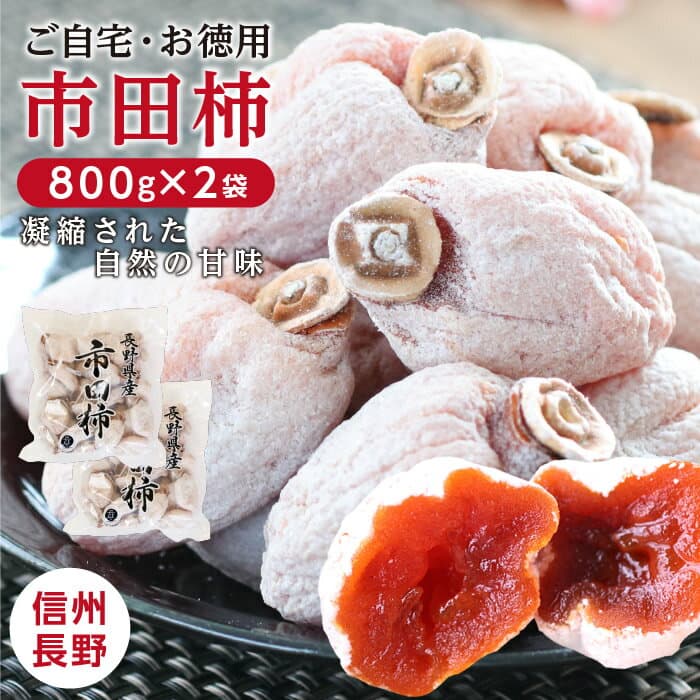
 3 images
Nagano Ichida Kaki Dried Persimmons
【送料無料】 市田柿 干し柿 800g×2袋 計1.6kg 新物 長野県産 家庭用大容量 | 柿 干柿 ほしがき 渋柿 訳あり 訳有り 訳 お徳用 お得用 お取り寄せ 果物 くだもの フルーツ ドライフルーツ 国産 高糖度 旬の果物 長野 ご自宅用 ギフト 自然食品 GIマーク認証 2026
800g x 2 bags山下屋荘介
4.8 / 455 reviews
Japanese name市田柿
In Minami Shinshu, Ichidagaki links a persimmon name from the Ichida area with drying rooms, sweating cycles, and kakimomi that shape a small chewy dried fruit.
Information last updated 120 days ago
3 images【送料無料】 市田柿 干し柿 800g×2袋 計1.6kg 新物 長野県産 家庭用大容量 | 柿 干柿 ほしがき 渋柿 訳あり 訳有り 訳 お徳用 お得用 お取り寄せ 果物 くだもの フルーツ ドライフルーツ 国産 高糖度 旬の果物 長野 ご自宅用 ギフト 自然食品 GIマーク認証 2026
800g x 2 bags山下屋荘介
4.8 / 455 reviews
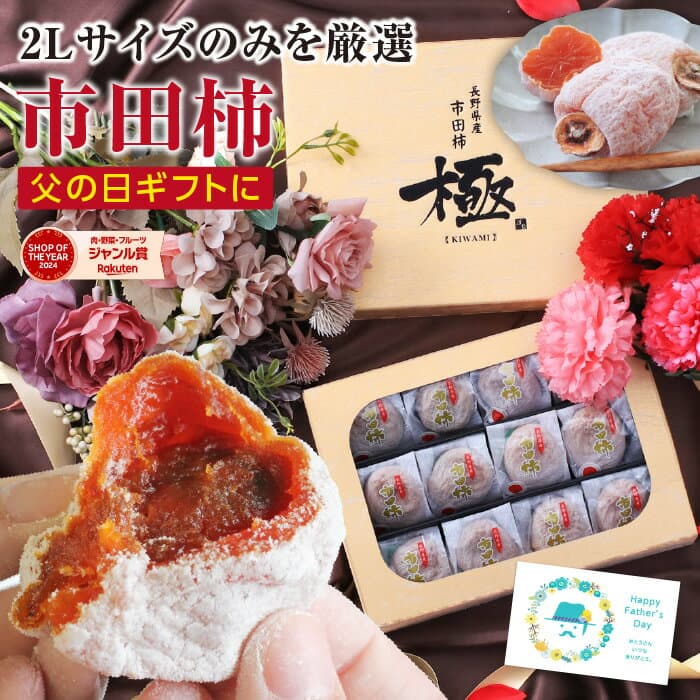 3 images
【送料無料】父の日 干し柿 ギフト 市田柿 極 2Lサイズ 12個入 長野県産 個包装 プレゼント | 国産 ワンランク上の贈り物 干柿 食べ物 お取り寄せ 内祝 出産祝 贈答 スイーツ お供え フルーツ 高級感 ドライフルーツ ブランド柿 GIマーク認証品 冷凍 2026
2L size, 12 individually wrapped pieces山下屋荘介
4.7 / 821 reviews
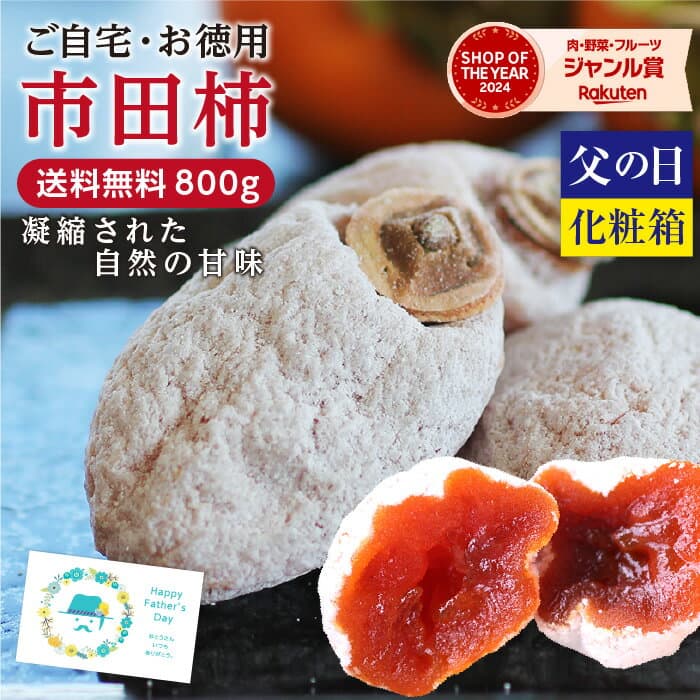 3 images
【送料無料】父の日 干し柿 市田柿 800g ご家庭用 大容量 長野県産 プレゼント 新物 お徳用 | 柿 干柿 訳あり お得用 お取り寄せ 果物 旬の果物 スイーツ フルーツ ドライフルーツ 国産 高糖度 信州 ギフト 自然食品 冷凍 GIマーク認証 2026
800g value pack山下屋荘介
4.8 / 3784 reviews
First time buying on Rakuten? How residents in Japan order →
Ichidagaki begins with a persimmon name tied to the Ichida area of present-day Takamori in southern Nagano, then extends to the finished dried persimmon. Its surface carries fine white powder, while the flesh inside is a clear amber color. The one-bite size, chewy texture, and gentle sweetness come from work after peeling: drying, humidity control, sweating or condensation cycles, and kakimomi to bring powder across the surface.
The word Ichidagaki carries the place name Ichida before it carries the image of a finished sweet. Shinshu University describes it as the name of a persimmon variety originally produced in the Ichida area of Takamori, in Shimoina County. The brand council places it among native astringent persimmons long grown around Iida and Shimoina. Over time, the same name came to describe the dried persimmon made from that fruit within a defined Nagano production area.
Takamori Town traces the local origin through Shimoichida, now part of Takamori. A persimmon tree in the precincts of Ise Shrine was remembered as Yakigaki because people praised it as good when roasted. Kojima Reijun, a terakoya teacher living at Ise yashiki, encouraged people to grow and eat the fruit, and grafting carried the tree through the village and beyond. The memory is concrete: shrine grounds, a named teacher, and the practical act of grafting.
A finished Ichidagaki is easy to recognize. Fine white powder covers the outside, the flesh is vivid amber, and the fruit is small enough for one bite. Shinshu University connects that powder to changes in sugar during drying: the surface powder is alpha-D glucose crystals. The same account describes a chewy texture and refined sweetness, so the white surface belongs to the drying process together with the amber flesh and soft resistance of the bite.
Minami Shinshu once had autumn scenes of orange kaki-noren hanging under farmhouse eaves. Today most Ichidagaki are dried indoors, where windows and the spacing of hanging fruit are adjusted to manage temperature and humidity. The scenery has moved from open eaves to drying rooms, while the work still depends on peeled persimmons losing moisture slowly enough to concentrate sweetness and keep their shape.
A modern mechanical method developed with Shinshu University begins with peeled persimmons and an initial drying stage at 45°C. The fruit then goes through sealed sweating or condensation cycles so moisture can even out between the surface and interior. The cycles continue until the fruit reaches about a 35 to 37 percent weight ratio, followed by final drying and kakimomi, the handling step that helps bring powder across the surface and shape the chewy bite.
Ichidagaki is tied to a production area that includes Iida City, Shimoina County, and Iijima Town and Nakagawa Village in Kamiina County. The protected-name framework requires the raw fruit to come from the area, the processing to happen there, and the finished dried persimmons to pass production-management checks and standards. For the reader, the name joins fruit origin, processing place, and quality control within one regional boundary.
The work behind Ichidagaki still depends on peeling, hanging, drying, sweating, and kakimomi, while the production area faces aging growers, labor shortages, smaller day-night temperature gaps, slower drying, and mold risk. Shinshu University describes mechanical drying equipment introduced at JA facilities as one response to those pressures. Continuity here is practical: drying rooms, 45°C heat, weight-ratio judgment, and adjustments made by growers and researchers to keep the fruit drying evenly.
Ichidagaki holds several kinds of local knowledge in one small dried fruit: the Ichida place name, Takamori memories of an old tree and Kojima Reijun, the managed loss of moisture in drying rooms, and the white glucose crystals that form on amber flesh. Its sweetness comes from fruit grown in a defined southern Nagano area, repeated handling after peeling, and a community that keeps adjusting the process as labor and climate conditions change.
Compiled from public records and official sources; see the recognition links below. Details may change over time.
Where this product is officially registered, designated, or recognized in Japan.
It is written as 市田柿 in Japanese. Search Rakuten and other Japanese sites with that spelling — the English name will not bring up the listings.
Ichidagaki is a dried persimmon from Minami Shinshu in southern Nagano. The name began as a persimmon variety tied to the Ichida area of present-day Takamori and later came to describe the finished dried fruit. It is known for one-bite size, amber flesh, fine white powder, chewy texture, and refined sweetness; the powder is alpha-D glucose crystals formed during drying. Production includes peeling, drying, sweating or condensation cycles, final drying, and kakimomi, with modern mechanical drying also used.
Takamori Town traces the origin to an old "yakigaki" persimmon tree at Ise Shrine in Shimoichida and to Kojima Reijun, a terakoya teacher who promoted cultivation and grafting. Ichidagaki production spans Iida City and Shimoina District, plus Iijima Town and Nakagawa Village in Kamiina District, all in Nagano Prefecture. Use of the name is limited to dried persimmons made from raw fruit grown in the designated area, processed within that area, and checked against production management and quality standards. Mechanical drying starts at 45°C, continues through sweating or condensation cycles, and proceeds until the fruit reaches about 35 to 37 percent of its original weight before final drying and kakimomi.
It is eaten as a small winter sweet or a tea-time treat.
Storage varies by product — shelf-stable, refrigerated, or frozen — and is stated on the packaging and the Rakuten listing. Shelf-stable processed foods usually need refrigerating once opened and eating within a few days; chilled and frozen items go straight into storage on arrival. Treat the best-before date on the physical packaging as authoritative.
Most options are shelf-stable, boxed, and travel well, so they suit gifting or bringing home. Confirm the final storage and delivery terms on the Rakuten listing.
On Rakuten: the shops listed here right now are 山下屋荘介. We don't sell directly; purchase, payment, stock, and delivery are all handled on the Rakuten product page.