 3 images
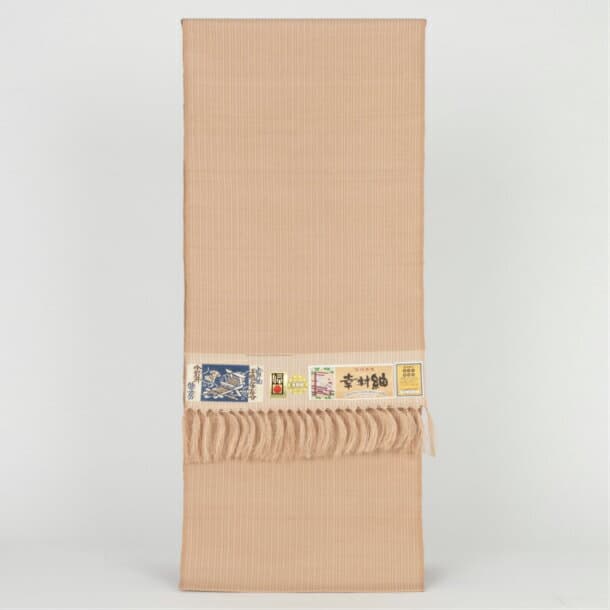
Koiwai Tsumugi Kobo Handwoven Ueda Tsumugi Fabric Bolt
【上田紬 反物 小岩井紬工房】手織り 信州紬 紬 つむぎ 紬反物 未仕立て品おしゃれ着物 創作着物湯のしサービス 送料無料
unstitched fabric bolt趣味のきもの ゆたかや
Japanese name信州紬
Across Matsumoto, Ueda, Ina, and Iida, Shinshu Tsumugi names a Nagano silk textile shaped by raw silk, tama-ito, hand-spun mawata, plant dyes, straw-ash scouring, and the rhythm of the taka-hata loom.
Information last updated 28 days ago
3 images【上田紬 反物 小岩井紬工房】手織り 信州紬 紬 つむぎ 紬反物 未仕立て品おしゃれ着物 創作着物湯のしサービス 送料無料
unstitched fabric bolt趣味のきもの ゆたかや
 3 images
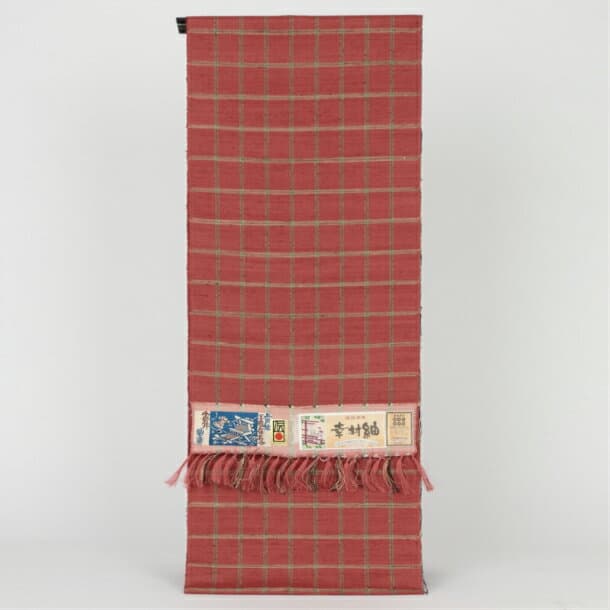
【上田紬 反物 小岩井紬工房】手織り 信州紬 紬 つむぎ 紬反物 未仕立て品おしゃれ着物 創作着物湯のしサービス 送料無料
unstitched趣味のきもの ゆたかや
 3 images
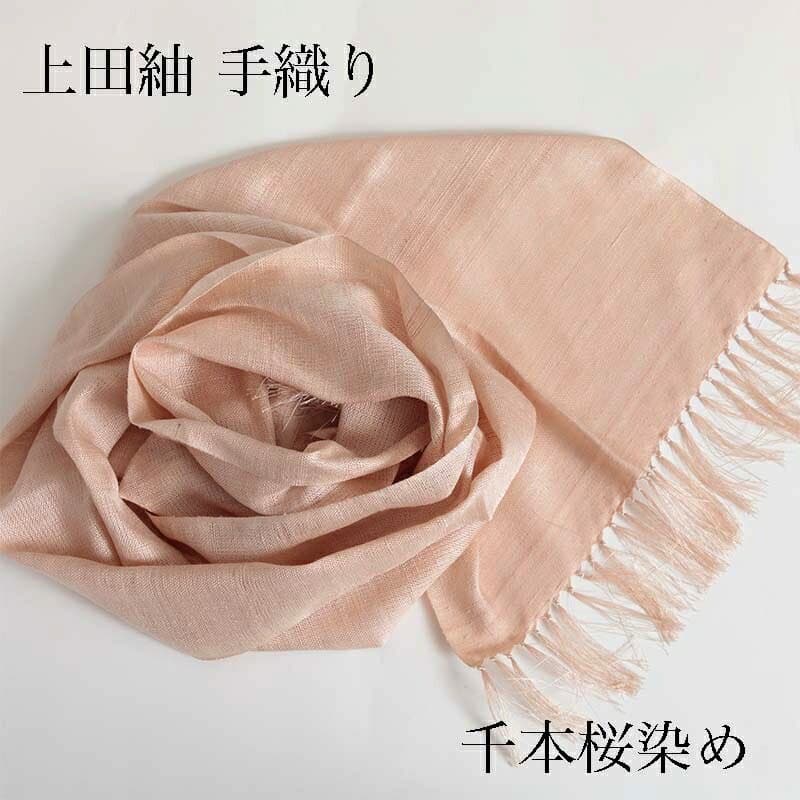
【上田紬 ストール 千本桜染め 小岩井紬工房】手織り 信州紬 紬 つむぎ tsumugi シルク 絹 上田城 さくら染め 桜染め 草木染め ショール マフラー スカーフ 送料無料
beige pink, approx. 33 x 164 cm趣味のきもの ゆたかや
First time buying on Rakuten? How residents in Japan order →
In Nagano, Shinshu Tsumugi is the shared name for silk cloth woven across the prefecture. Matsumoto Tsumugi, Ueda Tsumugi, Ina Tsumugi, Iida Tsumugi, and yamamayu cloth sit inside that name, while the making begins with pre-dyed plain weave: raw silk that can include yamamayu, tama-ito, or hand-spun mawata in the warp, and tama-ito or hand-spun mawata in the weft. The path from Nara-period ashiginu to Edo-period sericulture and postwar revival is easiest to feel through concrete work: straw-ash scouring, plant dyeing, hand-tied kasuri, and a shuttle thrown by hand across the loom.
Shinshu Tsumugi covers silk woven cloth produced across Nagano Prefecture, with regional names such as Matsumoto, Ueda, yamamayu, Iida, and Ina Tsumugi. That breadth gives the family a map rather than a single workshop address: Nagano City, Matsumoto, Ueda, Okaya, Iida, Komagane, and other production areas appear in the same Nagano textile field.
The early point is Nara-period ashiginu, a silk cloth named in the lineage of Shinshu Tsumugi. In the early Edo period, domains in Shinshu encouraged sericulture, the whole region prospered as a tsumugi textile area, and large amounts were sent yearly to Kyoto; after production weakened and survived only narrowly by the mid-Showa period, prefectural and municipal revival work after the war brought production back across Nagano.
The cloth takes shape before weaving: Shinshu Tsumugi is pre-dyed plain weave, with raw silk that may include yamamayu, tama-ito, or hand-spun mawata in the warp, and tama-ito or hand-spun mawata in the weft. A cloth made entirely from yamamayu is treated as a Shinshu specialty, keeping wild silk in the material vocabulary of the Nagano name.
After 1926, scouring with sodium sulfite and soda ash displaced the older lye method; around 1950, straw-ash lye was reconsidered and revived. Potash and other metals in the straw ash settle into the fiber, giving the cloth elegant luster, body, and the rustle of silk; mawata begins with refined cocoons spread by the fingertips, so the quality of hand-spun yarn starts before the spindle turns.
Plant dyeing brings seasonal plants, fruit trees, nuts, and local woods into the color of the thread. Among the dye materials are walnut, larch, wild cherry, birch, yew, and apple; repeated cycles of dyeing and drying build layered color, and the dyer’s judgment in the bath gives the thread its tone before it reaches the loom.
On the taka-hata loom, foot treadles open the warp, the hand-thrown shuttle carries the weft across, the warp closes, and the reed beats the thread into place. Those movements shape cloth density, thickness, and body; for kasuri yarn, the pattern position is tied by hand before dyeing, so the design is already carried in the thread when weaving begins.
The main uses are kimono bolts, obi, and haori, and the subdued luster and handwoven touch also connect Shinshu Tsumugi to present-day garment development. The Nagano Hand Silk Cooperative is formed by weaving mills, sewing factories, dyers, and apparel companies; the same prefecture also holds an integrated path from silkworm eggs to raw silk, with two of Japan’s four remaining silkworm-egg and silk-reeling factories located in Nagano.
Shinshu Tsumugi becomes clearest through Nagano place names and hand work: cocoon scouring, straw ash, mawata, plant dyes, and the motion of a taka-hata loom. Matsumoto, Ueda, Ina, and Iida offer different entrances to the same silk name, while the hand-thrown shuttle, hand-tied kasuri, and reed beating leave the rhythm of human work in a bolt of Nagano cloth.
Compiled from public records and official sources; see the recognition links below. Details may change over time.
Where this product is officially registered, designated, or recognized in Japan.
Traditional craft
Designated a Traditional Craft (dentō kōgeihin) by Japan's Ministry of Economy, Trade and Industry.
Sources1
It is written as 信州紬 in Japanese. Search Rakuten and other Japanese sites with that spelling — the English name will not bring up the listings.
Shinshu tsumugi is a collective name for silk textiles produced across Nagano Prefecture, including the Matsumoto, Ueda, Ina, Iida, and yamamayu lines. It is a pre-dyed plain weave whose warp may use raw silk that includes yamamayu, tama-ito, or hand-spun mawata, and whose weft uses tama-ito or hand-spun mawata. Hand-thrown shuttle weaving and hand-tied kasuri mark how the cloth is made, while straw-ash scouring, mawata, plant dyes, and taka-hata weaving shape its luster, body, and rustle.
The history is linked to Nara-period ashiginu, early Edo sericulture, mid-Showa decline, and postwar revival across Nagano. Straw-ash lye scouring was revived around 1950. Named dye materials include walnut, larch, wild cherry, birch, yew, and apple, with repeated dyeing and drying used to build color. The present Nagano silk community includes weaving mills, sewing factories, dyers, and apparel companies.
It is used for kimono bolts, obi, and haori. There is also interest in clothing that uses kimono-cloth texture. Wearers often describe the cloth as soft and warm.
Naturally dyed textiles shed some colour on first wash. Hand-wash separately with a neutral detergent, avoid long soaking and bleach, and dry in the shade to prevent fading. Silk, ramie, and traditionally dyed pieces often need professional cleaning — the care label on the listing takes precedence.
Most options are shelf-stable, boxed, and travel well, so they suit gifting or bringing home. Confirm the final storage and delivery terms on the Rakuten listing.
On Rakuten: the shops listed here right now are 趣味のきもの ゆたかや. We don't sell directly; purchase, payment, stock, and delivery are all handled on the Rakuten product page.