 2 images
Wakasa Karei Overnight-Dried Flounder
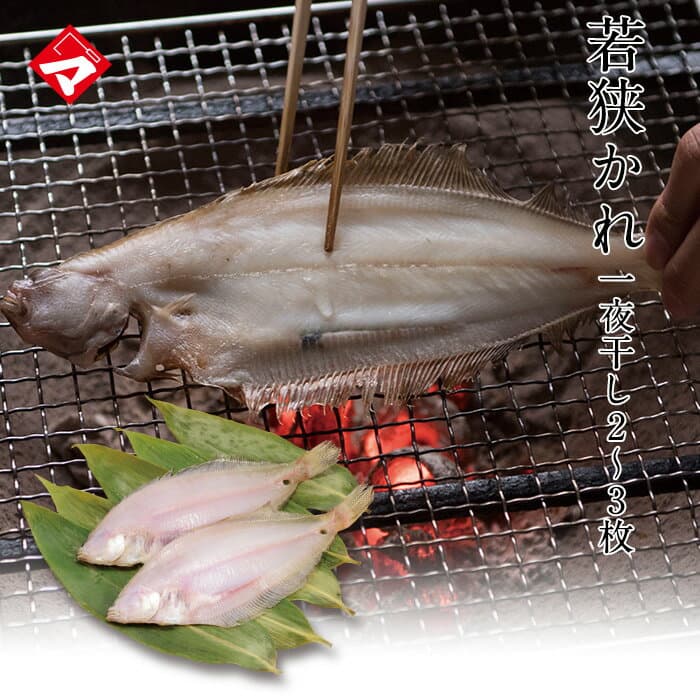
若狭かれい一夜干し 2枚『紙包』(合計約180g) 旅サラダで紹介若狭がれい【NE】
2 pieces, paper-wrapped (approx. 180g total)ささ漬屋・津田孫兵衛・楽天市場店
5.0 / 1 reviews
Japanese name若狭かれい
Wakasa karei begins with Yanagimushigarei landed in Wakasa Bay, salt, and a short drying spell shaped by air temperature, leaving the grilled flesh clean, firm, and gently sweet.
Information last updated 119 days ago
2 images若狭かれい一夜干し 2枚『紙包』(合計約180g) 旅サラダで紹介若狭がれい【NE】
2 pieces, paper-wrapped (approx. 180g total)ささ漬屋・津田孫兵衛・楽天市場店
5.0 / 1 reviews
 2 images
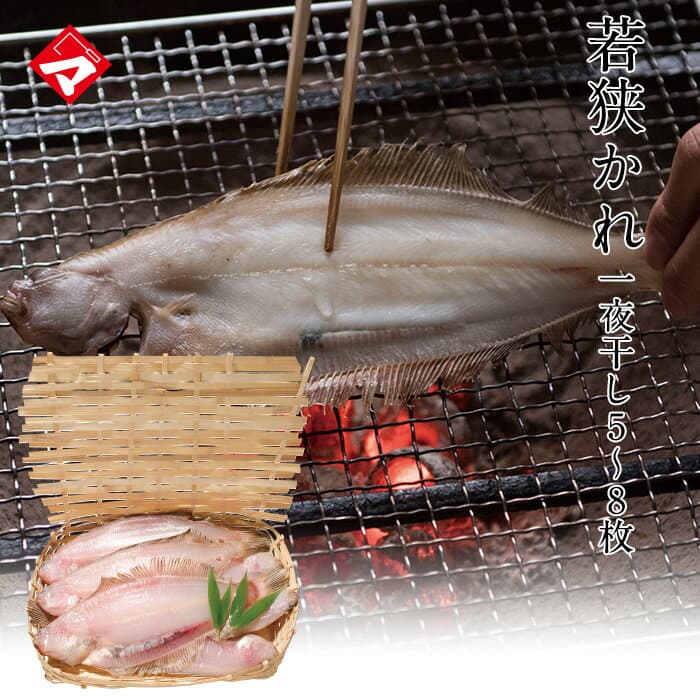
若狭かれい一夜干し5〜6枚『箱入』(合計約600g) 保冷容器つき 旅サラダで紹介若狭がれい【NE】
5-6 pieces, boxed, approx. 600gささ漬屋・津田孫兵衛・楽天市場店
 2 images
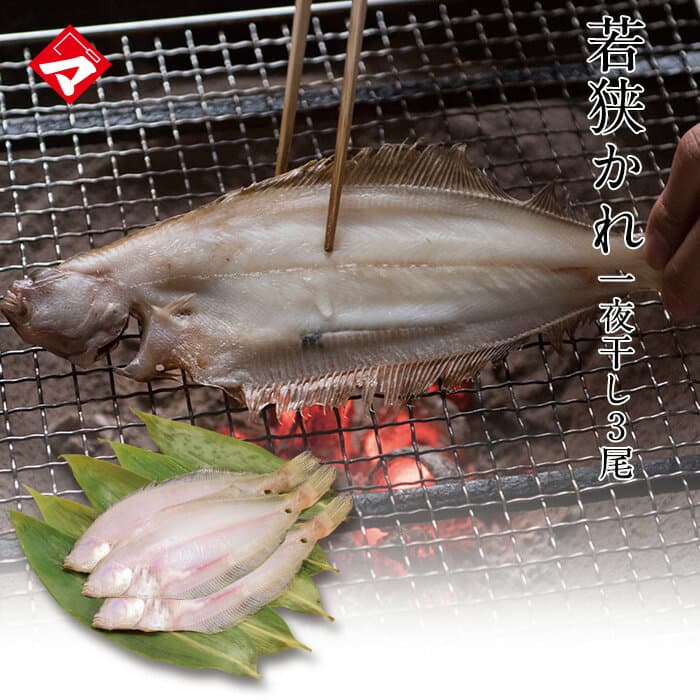
若狭かれい一夜干し 3枚『紙包』(合計約300g) 保冷容器つき 旅サラダで紹介若狭がれい【NE】
3 pieces, paper-wrapped (approx. 300g)ささ漬屋・津田孫兵衛・楽天市場店
5.0 / 1 reviews
First time buying on Rakuten? How residents in Japan order →
In Fukui Prefecture’s Wakasa region, Wakasa karei means one-night-dried Yanagimushigarei from Wakasa Bay. The materials are flatfish and salt, and the work is direct: scale and gut the fish, wash it, salt it or soak it in brine, then dry it for about four to five hours to overnight depending on the air temperature. The food is defined by a bay, cold wind, fish hanging under winter eaves, and white flesh that separates cleanly after grilling.
Compiled from public records and official sources; see the recognition links below. Details may change over time.
Where this product is officially registered, designated, or recognized in Japan.
Regional collective trademark
Registered as a Regional Collective Trademark with the Japan Patent Office.
Sources1
It is written as 若狭かれい in Japanese. Search Rakuten and other Japanese sites with that spelling — the English name will not bring up the listings.
Wakasa flatfish (Wakasa karei) is one-night-dried Yanagimushigarei from Wakasa Bay in Fukui Prefecture's Wakasa region. The fish is scaled, gutted, washed, salted or brined, then dried for about four to five hours to overnight depending on air temperature. Cold wind firms the moist flesh and helps produce clean flakes and gentle sweetness after grilling; the fish is also locally called ama-karei.
Wakasa karei appears in an ukiyo-e by Utagawa Hiroshige and in Nihon Sankai Meisan Zue. In discussions of Fukui's known processed seafoods, Wakasa karei is mentioned alongside saba heshiko and kotai sasazuke. Fish hung to dry under eaves after quick processing is described as a sign that winter has arrived in the Wakasa area.
Wakasa karei is typically grilled lightly, and weak, distant heat such as charcoal is said to improve its aroma, with the flesh flaking cleanly after grilling. After the flesh is eaten, the bones can be grilled well and eaten as bone crackers, or added to sake as bone sake.
Storage varies by product — shelf-stable, refrigerated, or frozen — and is stated on the packaging and the Rakuten listing. Shelf-stable processed foods usually need refrigerating once opened and eating within a few days; chilled and frozen items go straight into storage on arrival. Treat the best-before date on the physical packaging as authoritative.
Most options are shelf-stable, boxed, and travel well, so they suit gifting or bringing home. Confirm the final storage and delivery terms on the Rakuten listing.
On Rakuten: the shops listed here right now are ささ漬屋・津田孫兵衛・楽天市場店. We don't sell directly; purchase, payment, stock, and delivery are all handled on the Rakuten product page.