 3 images
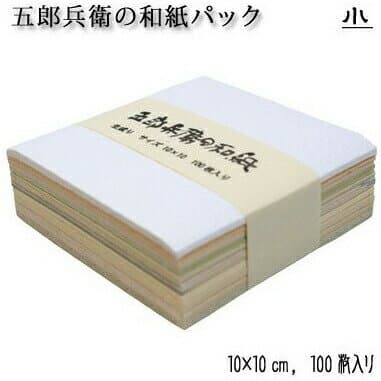
Echizen Washi Gorobei Washi Off-White Paper Set
越前和紙 五郎兵衛の和紙 10×10cm和紙 セット 白系 白 生成り メモ メモパッド おりがみ 折り紙 折紙
10 x 10 cm, 100 sheets鎌倉香紙堂楽天市場店
4.9 / 12 reviews
Japanese name越前和紙
In Fukui's Echizen area, bark fibers, plant-based neri, and sugeta sheet forming shape paper used for hosho, calligraphy sheets, interiors, lighting, and small daily objects.
Information last updated yesterday
3 images越前和紙 五郎兵衛の和紙 10×10cm和紙 セット 白系 白 生成り メモ メモパッド おりがみ 折り紙 折紙
10 x 10 cm, 100 sheets鎌倉香紙堂楽天市場店
4.9 / 12 reviews
 3 images
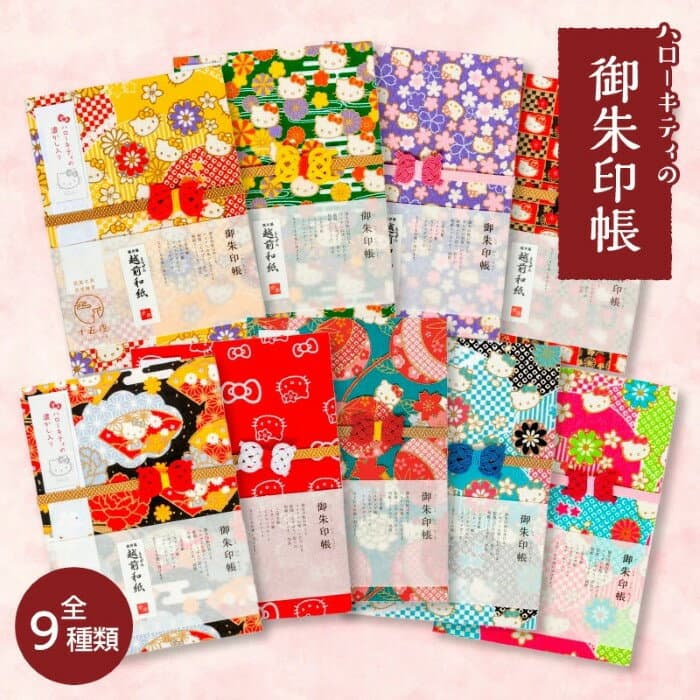
ハローキティ 御朱印帳 全9種 日本製 24折 友禅 越前和紙 福井県 サンリオ キティの透かし入り 着物柄 和柄 かわいい 大人 民芸文具 お勧め じゃばら帳 レトロ 昔ながら マルチ 和紙ノート 縦160mm 横113mm 送料無料
160 x 113 mm, 24-page accordion fold木と石と雑貨のお店 ラピス
5.0 / 9 reviews
 3 images
越前和紙 もみ染和紙 全10色
approx. 570 x 793 mm紙・文具の専門店 ミフジ
4.5 / 4 reviews
 2 images
和紙包み羽二重餅 きなこ (餡入)12個入り 【福井県産もち米使用】 [ 越前和紙 和菓子 スイーツ プチギフト おやつ 手土産 福井銘菓 福井土産 ]
12 pieces銘菓処笑福堂楽天市場店
4.5 / 2 reviews
 3 images
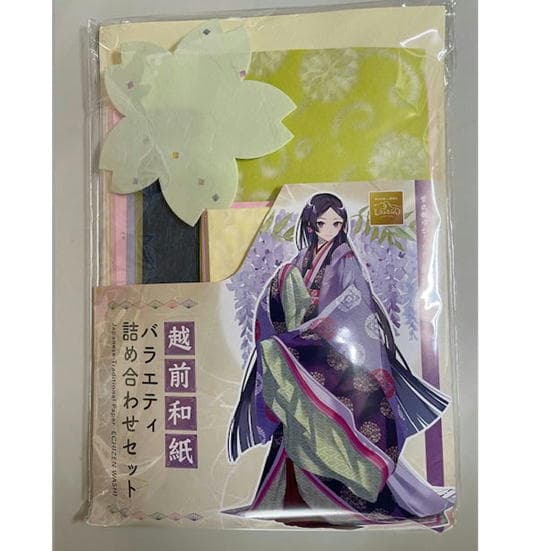
1000円ポッキリ 訳あり 越前和紙 伝統芸能 紙 すき柄 用途色々 サイズ 半端 お得 高級感ある越前和紙 ★送料無料★福井県 地場産業 工芸品
approx. 100 sheets笑店さくら
4.6 / 14 reviews
 3 images
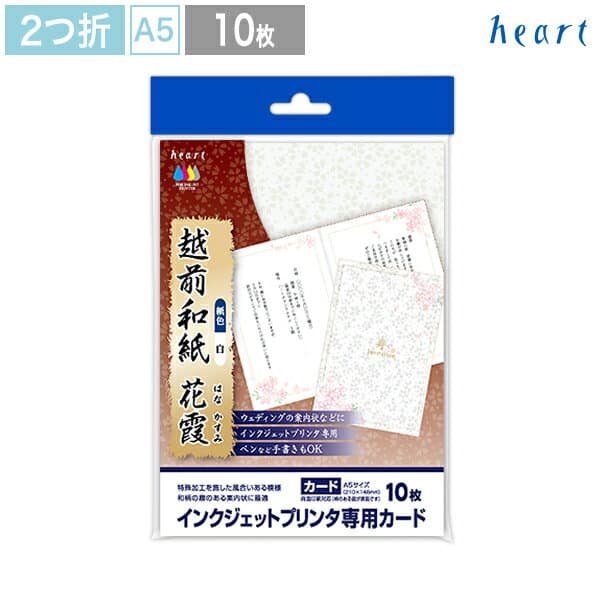
【在庫限り 50%OFF】越前和紙【2つ折カード】A5 花霞 10枚 インクジェットプリンター専用 2つ折 カード 和紙 和 和風 桜 招待状 案内状 結婚式 結婚 披露宴 手作り 手づくり
A5 Hanagasumi, 10 sheetsハート Online Shop 楽天市場店
5.0 / 1 reviews
First time buying on Rakuten? How residents in Japan order →
All 6 listings of this product on Rakuten, lowest price first.
| Listing | Price | Shop | Reviews | Open listing |
|---|---|---|---|---|
Echizen Washi Inkjet Bi-Fold Cards A5 Hanagasumi, 10 sheetsLowest price | ¥412 | ハート Online Shop 楽天市場店 | 5.0 / 1 reviews | View on Rakuten → |
Echizen Washi Crinkle-Dyed Paper approx. 570 x 793 mm | ¥495 | 紙・文具の専門店 ミフジ | 4.5 / 4 reviews | View on Rakuten → |
Echizen Washi Gorobei Washi Off-White Paper Set 10 x 10 cm, 100 sheets | ¥572 | 鎌倉香紙堂楽天市場店 | 4.9 / 12 reviews | View on Rakuten → |
Echizen Washi-Wrapped Kinako Habutae Mochi with Sweet Bean Paste 12 piecesGift-ready | ¥667 | 銘菓処笑福堂楽天市場店 | 4.5 / 2 reviews | View on Rakuten → |
Echizen Washi Assorted Offcut Paper approx. 100 sheetsMost reviewedValue pick | ¥1,000 | 笑店さくら | 4.6 / 14 reviews | View on Rakuten → |
Hello Kitty Echizen Washi Goshuin Stamp Book 160 x 113 mm, 24-page accordion fold | ¥3,300 | 木と石と雑貨のお店 ラピス | 5.0 / 9 reviews | View on Rakuten → |
Japanese · new tab
Echizen Washi begins in the Okata River basin of Fukui's Echizen area. Its sheets are built from fibers such as kozo, mitsumata, and gampi, then shaped through soaking, boiling, washing, beating, plant-based neri, and sheet forming with a sugeta. Those steps affect strength, gloss, surface feel, and use. The Fukui Prefecture Washi Industrial Cooperative is based inside Papyrus-kan in Shinzaike-cho, Echizen City, and its member network connects the name to writing papers, interior materials, lighting, and small objects.
Echizen Washi is tied to Fukui's Echizen area and to the Okata River basin, giving the paper a place name with river and city coordinates. The Fukui Prefecture Washi Industrial Cooperative is based at Papyrus-kan, 8-44 Shinzaike-cho, Echizen City, a concrete point within the production area.
The cooperative describes Echizen Washi through about 1,500 years of continuity. In daily terms, that continuity is carried by shared purchasing of raw materials and supplies, promotion of the production area, and a group of members who make or process different kinds of paper.
The main fibers named for Echizen Washi are kozo, mitsumata, and gampi. Kozo is linked with strong paper for calligraphy, paper dolls, and craft uses. Mitsumata gives a smooth, glossy surface and appears in fusuma paper and printing paper. Gampi is difficult to cultivate and relatively resistant to insect damage, so it is used for papers meant to be preserved.
A sheet called Echizen Washi may be made for brushwork, for a smooth interior surface, or for keeping documents over time. The difference starts in the fiber and later becomes visible in calligraphy paper, fusuma paper, printing paper, and preserved papers.
The making begins with bark. The material is soaked, boiled, washed, and cleaned by hand to remove specks and impurities from the fiber. After beating, the fibers are mixed with neri from plants such as noriutsugi or tororoaoi, then formed into sheets with a sugeta.
The formed sheets are pressed, dried, checked, polished, and cut. These steps turn loose kozo, mitsumata, or gampi fibers into surfaces for writing, sliding-door papers, lighting, or preservation, while thickness, smoothness, and fiber texture shift from one paper to another.
Paper making is said to have been present in Echizen around the fourth to fifth centuries, when paper reached Japan, and the Echizen name appears in ancient documents preserved at Shosoin. That early date remains a cautious account, while the Shosoin documents, Otaki Shrine, and Okamoto Shrine give the timeline named places and objects.
Local worship connected with paper deities places the material within shrine and community practice. The cooperative's about 1,500-year framing can be read through those shrines and documents, along with later uses such as scripture paper, Echizen hosho, Fukui domain notes, and Meiji-era government-note paper.
Echizen Washi spans formal writing, interior materials, and objects used close at hand. Scripture paper, Echizen hosho, name cards, and postcards place the paper in ritual, correspondence, and desk use; kozo paper is linked with calligraphy and craft work, while mitsumata paper is linked with fusuma and printing.
Among cooperative members, handled products include fusuma paper, wall paper, interior washi, calligraphy paper, certificate paper, cards, envelopes, letter paper, art paper, printmaking paper, washi lighting, tapestries, and small goods. The range brings Echizen Washi onto walls, into lamps, onto desks, and among everyday objects.
Echizen Washi is carried by many workshops and processors. Cooperative members bring their own specialties to hand-formed and machine-made fusuma paper, wall paper, creative washi, torinoko paper, take-su gasenshi, hosho, Japanese painting paper, printmaking paper, and paper processing.
That network gives the name several kinds of work to hold at once. Some makers handle interior papers, some focus on calligraphy or art papers, some work in processing or printing, and others turn washi into lighting and small objects. The local character of Echizen Washi comes from this overlap of making, processing, and use around Echizen City.
From the Okata River basin to Shinzaike-cho in Echizen City, Echizen Washi is defined by place, fiber, process, and a network of makers. Kozo, mitsumata, and gampi bring different kinds of strength, gloss, and durability; soaking, boiling, speck removal, beating, neri, sugeta forming, pressing, drying, checking, polishing, and cutting shape the finished sheet. When that sheet becomes hosho, calligraphy paper, fusuma paper, wall paper, lighting, or a postcard, Fukui's Echizen paper moves from the vat into rooms, hands, and daily use.
Compiled from public records and official sources; see the recognition links below. Details may change over time.
Where this product is officially registered, designated, or recognized in Japan.
It is written as 越前和紙 in Japanese. Search Rakuten and other Japanese sites with that spelling — the English name will not bring up the listings.
Echizen washi paper is a washi product family from Fukui's Echizen area, especially the Okata River basin. Its main fibers are kozo, mitsumata, and gampi, linked with strong paper, smooth glossy paper, and papers meant for preservation. Uses include hosho, calligraphy paper, cards, postcards, fusuma paper, wall paper, lighting, art paper, printmaking paper, and small goods.
The Fukui Prefecture Washi Industrial Cooperative presents Echizen Washi as having about 1,500 years of continuity. The Fukui Prefecture Washi Industrial Cooperative is located inside Papyrus-kan at 8-44 Shinzaike-cho, Echizen City. The Echizen Washi process includes soaking, boiling, washing, removing specks, beating fibers, adding plant-based neri, sugeta sheet forming, pressing, drying, checking, polishing, and cutting. Kozo is linked with calligraphy, paper dolls, and craft uses.
It is used for calligraphy, certificates, tea gathering paper, and formal hosho. Interior uses include fusuma, wall paper, and decorative paper; art, printmaking, and craft papers are also made. Everyday uses include name cards, postcards, envelopes, letter paper, and packaging, as well as lighting, small interior objects, and washi glass-style products.
Keep wood, bamboo, and lacquer out of prolonged soaking, dishwashers, and direct sun — wipe dry after use and let them air out in the shade. For metal and fabric goods, follow the care notes on the listing.
Most options are shelf-stable, boxed, and travel well, so they suit gifting or bringing home. Confirm the final storage and delivery terms on the Rakuten listing.
On Rakuten: the shops listed here right now are 鎌倉香紙堂楽天市場店, 木と石と雑貨のお店 ラピス, 紙・文具の専門店 ミフジ, 銘菓処笑福堂楽天市場店. We don't sell directly; purchase, payment, stock, and delivery are all handled on the Rakuten product page.