 3 images
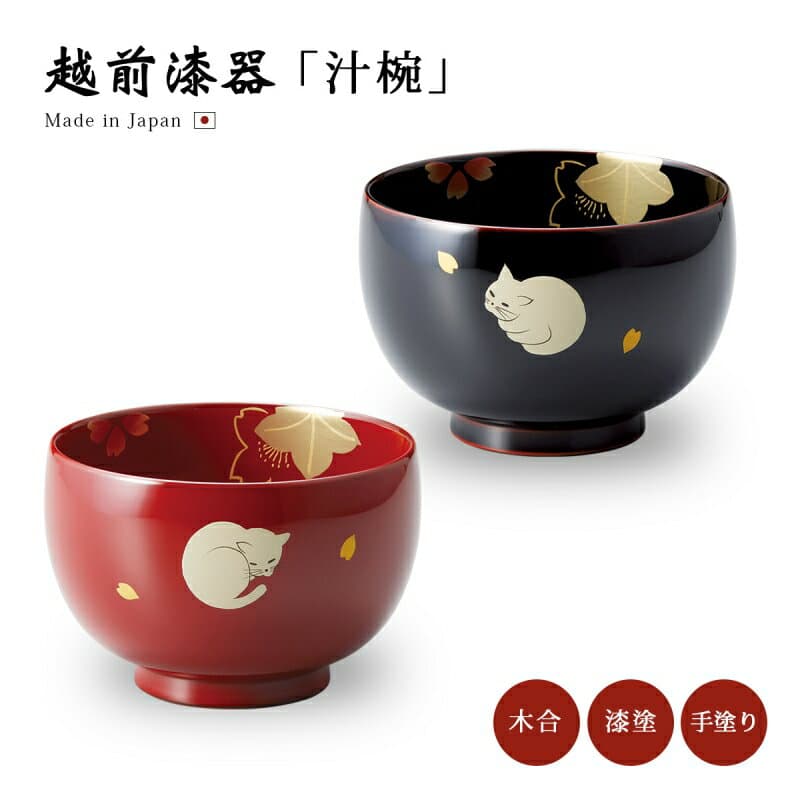
Echizen Lacquerware Cat & Cherry Blossom Soup Bowl
お椀 吸物椀 越前漆器 ネコ内桜 汁椀一客 雑煮 雑煮椀 漆器 漆塗 手塗 高級 おすすめ 椀 正月碗
1 bowlこだわり雑貨本舗
5.0 / 2 reviews
Japanese name越前漆器
In Sabae City, Fukui, base makers, coaters, and decorators shape wooden bowls, trays, boxes, school-lunch bowls, and food-service tableware through a shared production area.
Information last updated 7 days ago
3 imagesお椀 吸物椀 越前漆器 ネコ内桜 汁椀一客 雑煮 雑煮椀 漆器 漆塗 手塗 高級 おすすめ 椀 正月碗
1 bowlこだわり雑貨本舗
5.0 / 2 reviews
 3 images
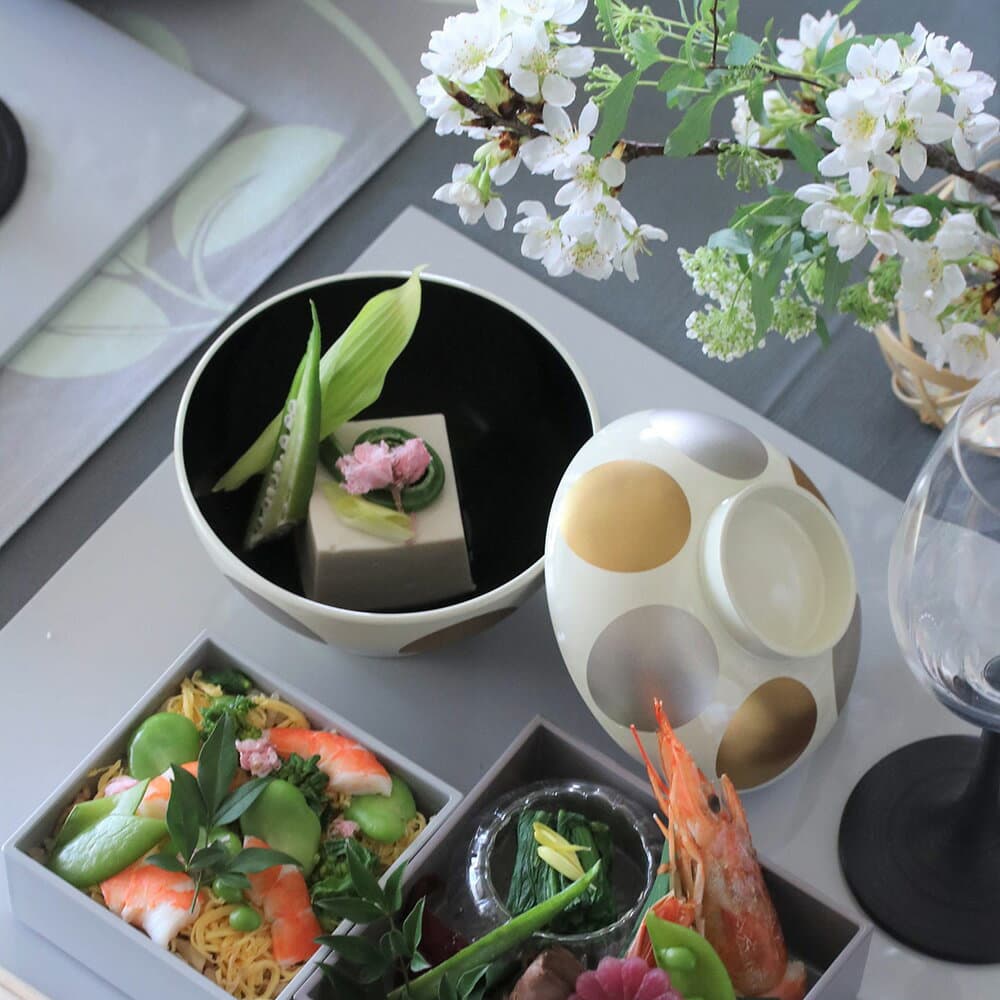
【9/19 20時〜P10倍&クーポン】日月 吸物椀 直径約 12cm 送料無料 日本製 蓋付き 椀 おしゃれ かわいい モダン 4寸 越前漆器 正月 新年 大きめ 煮物 雑煮 雑炊 和洋 テーブルコーディネート
approx. 12 cm diameter創業90年 福井県の漆器工房Kasane
4.9 / 56 reviews
 3 images
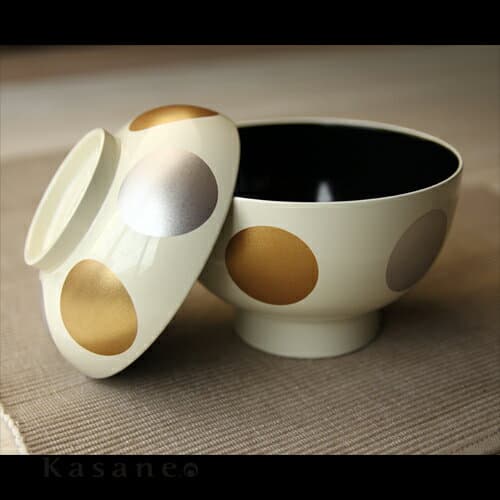
【9/19 20時〜P10倍&クーポン】日月 雑煮椀 直径 13cm 送料無料 日本製 蓋付き 椀 おしゃれ かわいい モダン 4.3寸 越前漆器 正月 新年 大きめ 煮物 雑煮 雑炊 和洋 テーブルコーディネート
13 cm diameter創業90年 福井県の漆器工房Kasane
4.8 / 78 reviews
 3 images
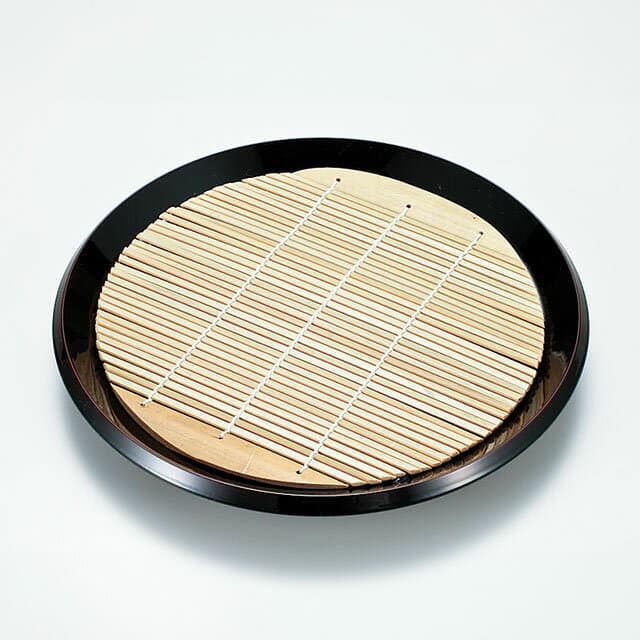
布目入 丸 そば皿 溜 (竹ス付き) ざるそば ざるうどん 蕎麦 すのこ 越前漆器 和食器
tame finish, with bamboo mat食器問屋K’s-gallery
5.0 / 1 reviews
 3 images
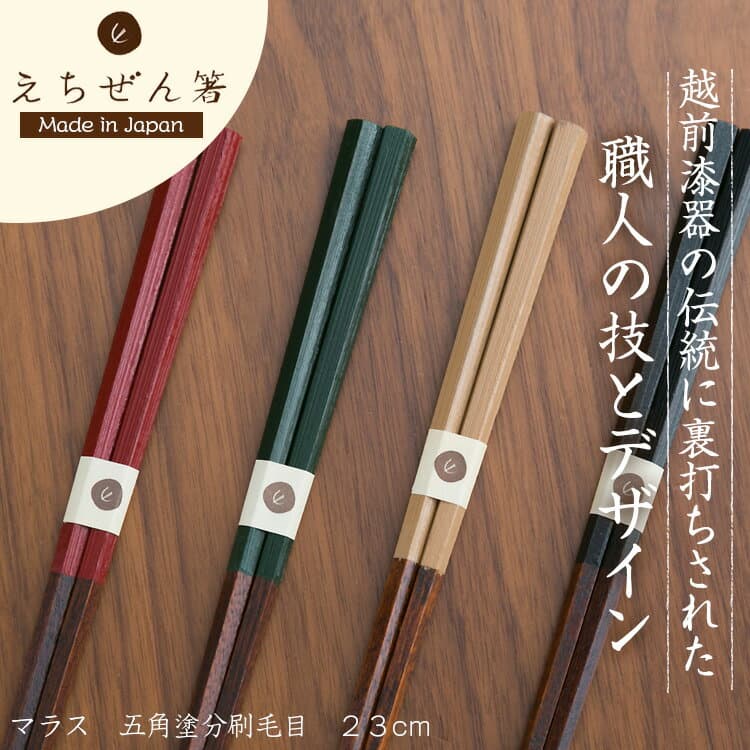
【越前漆器 お箸】えちぜん箸 マラス 五角塗分刷毛目 23cm越前塗 お箸 はし 越前塗り 敬老の日 ご結婚祝 ギフト 贈り物 めおと箸 箸 夫婦箸 ギフト プチギフト 父の日 母の日 引き出物 お祝い 内祝い 結婚祝 新築 誕生日祝 日本製【楽ギフ_包装】【楽ギフ_のし宛書】
23 cmwaitea.kobe
4.5 / 2 reviews
 3 images
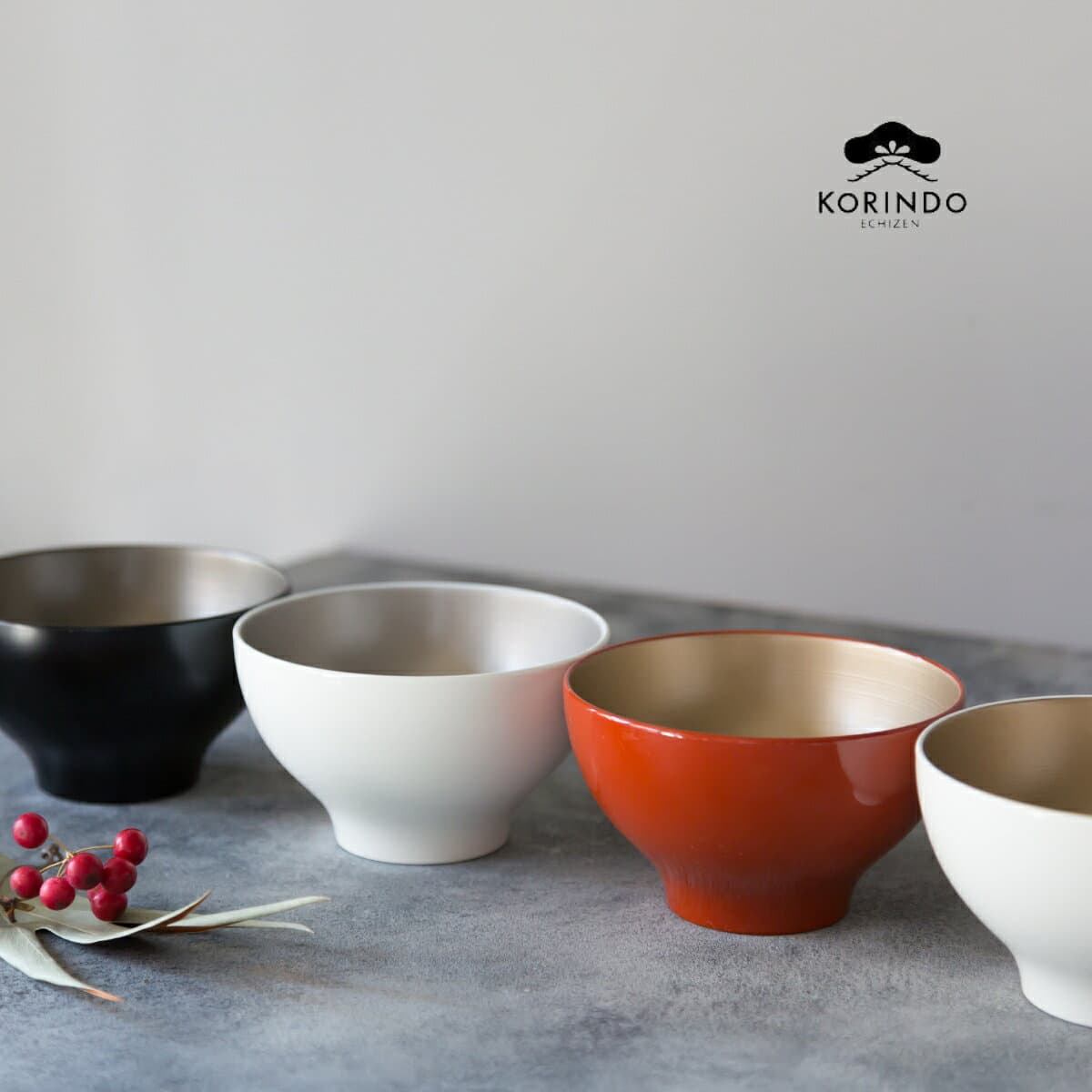
【越前漆器 お椀】越前漆器 カップ KORINDO 光琳堂 お味噌汁碗 お味噌汁椀 お雑煮 汁碗 お碗 食器 和食器 漆器 ギフト 御結婚祝 お祝い 内祝い 結婚祝 誕生日祝 日本製 【楽ギフ_包装】【楽ギフ_のし宛書】
11.5 cm diameter x 7 cmwaitea.kobe
4.5 / 26 reviews
 3 images
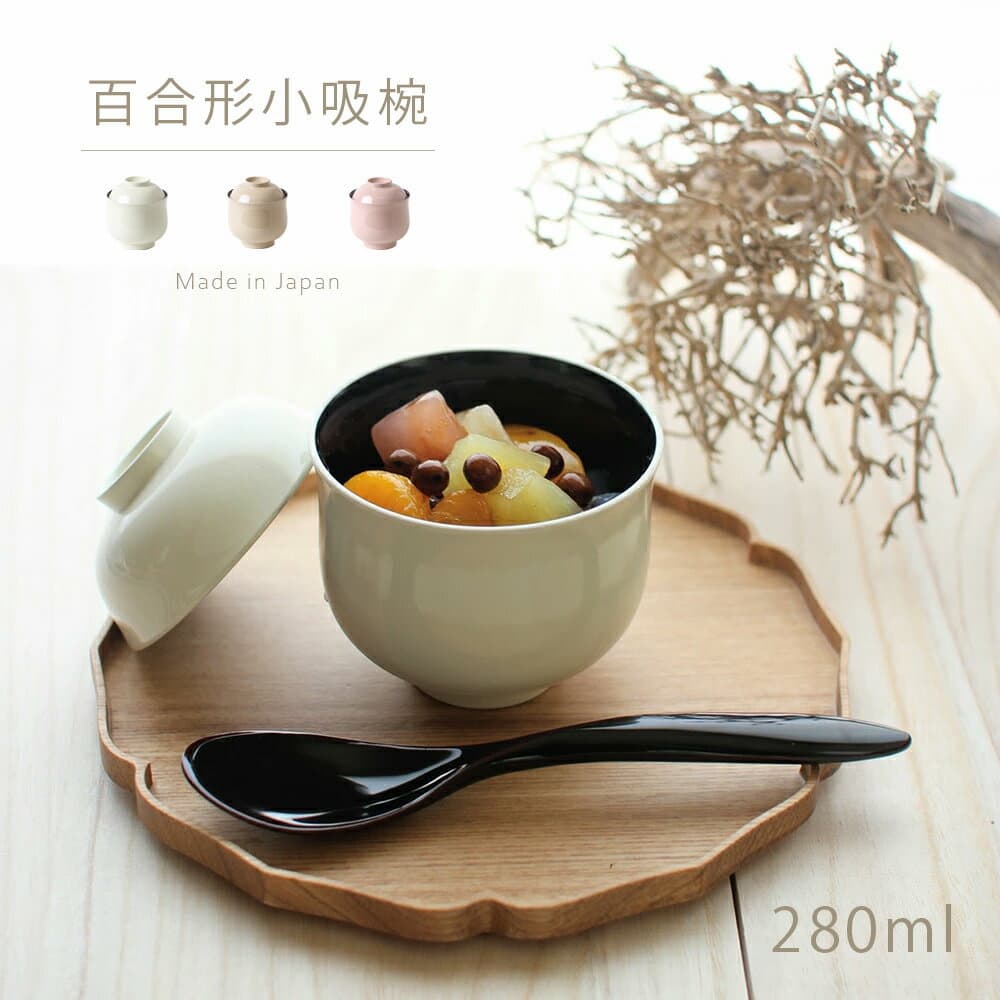
【9/19 20時〜P10倍&クーポン】小吸物椀 蓋付き 日本製 お椀 百合形 8.8cm 3寸 越前漆器 汁椀 漆器 和食器 おしゃれ かわいい モダン シンプル 無地 小さめ ホワイト ベージュ ピンク お吸い物 ぜんざい デザート 正月 迎春 お祝い ギフト プレゼント 贈り物
white / beige / pink創業90年 福井県の漆器工房Kasane
4.8 / 19 reviews
First time buying on Rakuten? How residents in Japan order →
All 7 listings of this product on Rakuten, lowest price first.
| Listing | Price | Shop | Reviews | Open listing |
|---|---|---|---|---|
Echizen Lacquerware Marasu Pentagonal Two-Tone Brushed Chopsticks 23 cmLowest priceGift-ready | ¥1,100 | waitea.kobe | 4.5 / 2 reviews | View on Rakuten → |
Echizen Lacquerware Textured Round Soba Plate tame finish, with bamboo mat | ¥1,890 | 食器問屋K’s-gallery | 5.0 / 1 reviews | View on Rakuten → |
Echizen Lacquerware KORINDO Soup Bowl Cup 11.5 cm diameter x 7 cmGift-ready | ¥2,860 | waitea.kobe | 4.5 / 26 reviews | View on Rakuten → |
Echizen Lacquerware Lily-Shaped Small Lidded Soup Bowl white / beige / pinkGift-ready | ¥3,520 | 創業90年 福井県の漆器工房Kasane | 4.8 / 19 reviews | View on Rakuten → |
Echizen Lacquerware Cat & Cherry Blossom Soup Bowl 1 bowl | ¥4,356 | こだわり雑貨本舗 | 5.0 / 2 reviews | View on Rakuten → |
Echizen Lacquerware Sun and Moon Lidded Soup Bowl approx. 12 cm diameter | ¥4,620 | 創業90年 福井県の漆器工房Kasane | 4.9 / 56 reviews | View on Rakuten → |
Echizen Lacquerware Nichigetsu Lidded Zoni Bowl 13 cm diameterMost reviewed | ¥5,170 | 創業90年 福井県の漆器工房Kasane | 4.8 / 78 reviews | View on Rakuten → |
Japanese · new tab
Echizen lacquerware first points to Sabae City in Fukui Prefecture. At Urushi no Sato Kaikan in the Nishibukurocho area, a hall established by Sabae City and managed by the Echizen Lacquerware Cooperative Association, displays present production processes, history exhibits, and activities connected with the production area. In the workshop, traditional craft workers demonstrate lacquerware making. Bowls, trays, and boxes come into view through separate skills: wooden base making, undercoating, topcoating, maki-e, and chinkin. The same production area also reaches school lunches and food-service tableware.
Urushi no Sato Kaikan is located in the Nishibukurocho area of Sabae, giving Echizen lacquerware a concrete starting point. Inside the hall, displays cover lacquerware manufacturing processes, history exhibits, and activities tied to Echizen lacquerware. The artisan workshop presents demonstrations by traditional craft workers. For a first encounter, Sabae becomes visible through bowls, trays, boxes, tools, process stages, and hands moving across lacquered surfaces.
The Echizen lacquerware production area is organized through division of labor. Base preparation, coating, and decoration are handled as highly specialized processes across the region, supporting stable qualities such as beauty and robustness as well as strong production capacity. Fukui Prefecture places Echizen lacquerware among seven traditional crafts designated by the Minister of Economy, Trade and Industry, with Sabae City named as the main production area. That status points back to a practical local structure: separate specialists in and around Sabae joining their work into one vessel.
Wooden lacquerware begins before lacquer is applied. Round objects such as bowls and square objects such as boxes and trays follow different routes in the wood-production stage. Round forms are shaped on a lathe, while square forms are cut and assembled. Undercoats are applied and polished repeatedly, topcoats require even thickness, and lacquer drying is affected by temperature and humidity. The finished surface comes from the meeting of form, layered coating, and drying conditions.
Decoration gives the lacquer surface its fine detail. In maki-e, patterns drawn in lacquer receive gold or silver powder. In chinkin, lines or points are carved into the surface, and metal leaf, metal powder, or pigment is fixed into the cuts. These techniques belong to the lacquer layer itself, leaving incised marks, powder, and sheen on everyday forms such as bowls, trays, and boxes.
The Echizen lacquerware area also makes products with synthetic resin bases and chemical paints. Its processes include molding, spray painting, printing, and transfer methods, answering food-service needs for durable tableware. Wooden bowls and synthetic-resin pieces sit within the same production area, carrying coating, decoration, and production know-how into cafeterias and restaurants.
Echizen lacquerware also appears in elementary school lunches in Sabae. The Echizen Lacquerware Cooperative Association began developing wooden lacquered bowls in fiscal 2001 so they could work with dishwashers and disinfection storage cabinets, and Sabae elementary schools introduced the tableware. A bowl lifted at lunch connects wood, lacquer layers, cleaning equipment, and the school table through repeated daily use.
Urushi no Sato Kaikan offers hands-on experiences such as painting, chinkin, and fuki-urushi, along with production demonstrations. Related activities include support for elementary and junior-high school social-study visits, craft experiences, a traditional craft worker training program, internship acceptance, and exhibitions such as the Takumi exhibition. Knowledge of wooden bases, coating, and decoration stays visible through a workbench, a tool, a workshop session, and an internship in Sabae.
Echizen lacquerware comes into focus through Sabae City’s place names, wooden forms, undercoat and topcoat layers, maki-e and chinkin surfaces, school-lunch bowls, and food-service tableware. Follow one bowl from wooden base to table, and the production area appears as a linked structure of hall, workshop, school lunch, and working tableware.
Compiled from public records and official sources; see the recognition links below. Details may change over time.
Where this product is officially registered, designated, or recognized in Japan.
It is written as 越前漆器 in Japanese. Search Rakuten and other Japanese sites with that spelling — the English name will not bring up the listings.
Echizen lacquerware is centered on Sabae City, Fukui Prefecture. Its production area is organized through specialized work in wooden base making, coating, and decoration, with bowls, trays, and boxes shaped before undercoating, topcoating, maki-e, or chinkin. Urushi no Sato Kaikan presents processes, exhibits, demonstrations, and hands-on experiences. The area also makes synthetic-resin food-service tableware and wooden lacquered school-lunch bowls compatible with dishwashers and disinfection storage cabinets.
Echizen lacquerware’s main production area is Sabae City, Fukui Prefecture. Urushi no Sato Kaikan is in the Nishibukurocho area of Sabae and was established by Sabae City under the management of the Echizen Lacquerware Cooperative Association. Urushi no Sato Kaikan presents lacquerware production processes, history exhibits, production-area activities, and demonstrations by traditional craft workers. The Echizen lacquerware production area is characterized by specialized division of labor in base preparation, coating, and decoration.
Porous earthenware is usually given a "medome" treatment first — simmer it gently in rice-rinsing water (or water with a little flour), then cool, rinse, and air-dry. This reduces staining and odour absorption. Porcelain normally just needs a wash. Follow the listing where it says otherwise.
Handmade earthenware, pieces with gold or silver overglaze, and lacquerware generally should not go in a dishwasher, microwave, or heated drying cabinet; heat-resistant porcelain usually can. Check the Rakuten listing for the specific piece.
Most options are shelf-stable, boxed, and travel well, so they suit gifting or bringing home. Confirm the final storage and delivery terms on the Rakuten listing.
On Rakuten: the shops listed here right now are こだわり雑貨本舗, 創業90年 福井県の漆器工房Kasane, 食器問屋K’s-gallery, waitea.kobe. We don't sell directly; purchase, payment, stock, and delivery are all handled on the Rakuten product page.