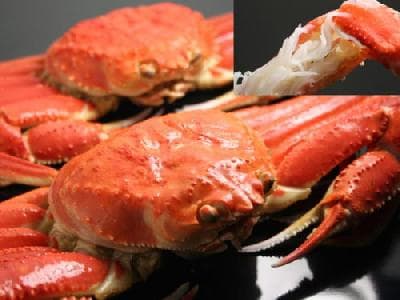
Boiled Fukui Echizen Snow Crab
福井 越前ガニ 活 を茹で上げ福井 越前かに 通販 1杯 送料無料越前がに 福井県 越前蟹 ずわい蟹 LLサイズ越前ガニ 通販 エチゼンガニ 限定 楽天 通販 価格 特価 販売 お土産
LL size, 1 crab越前名産工房
5.0 / 2 reviews
Japanese name越前がに
Echizen-gani is snow crab landed at Fukui ports, linked to nearby offshore grounds, cold handling on board, a yellow landing-port tag, and the November 6 start of the season.
Information last updated 119 days ago
福井 越前ガニ 活 を茹で上げ福井 越前かに 通販 1杯 送料無料越前がに 福井県 越前蟹 ずわい蟹 LLサイズ越前ガニ 通販 エチゼンガニ 限定 楽天 通販 価格 特価 販売 お土産
LL size, 1 crab越前名産工房
5.0 / 2 reviews
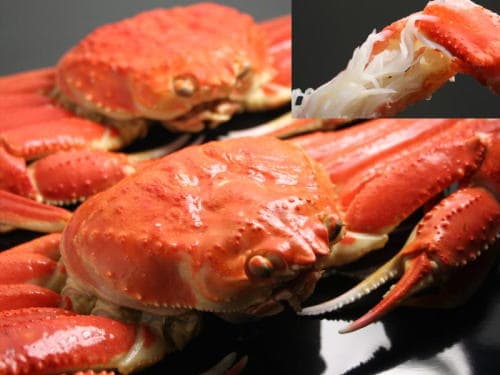
福井 越前ガニ 活 を茹で上げ福井 越前かに 通販 1杯 送料無料越前がに 福井県 越前蟹 ずわい蟹 Mサイズ越前ガニ 通販 にも エチゼンガニ 限定 楽天 通販 価格 特価 販売 お土産
M size, 1 crab越前名産工房
4.8 / 8 reviews
First time buying on Rakuten? How residents in Japan order →
At Fukui’s winter table, Echizen-gani is anchored by ports before it is described by taste. The name refers to snow crab landed at Fukui Prefecture ports; male snow crab is kata-gani, and female snow crab is seiko-gani. Offshore feeding grounds, cold storage on board, live landing, and the yellow port tag keep the crab tied to the Sea of Japan coast.
Echizen-gani begins with a landing place: it is snow crab brought ashore at ports in Fukui Prefecture. Male snow crab is also called kata-gani, while female snow crab is called seiko-gani. Each Fukui-landed crab carries a yellow tag stamped with the landing port, so the harbor name stays beside the shell after the crab leaves the quay.
Off the Echizen Coast, the fishing ground is rich in feed, and cold bottom water from the Sea of Japan is part of the crab’s setting. The eating vocabulary is concrete: full meat packed inside the shell, juicy sweetness, and kani-miso in the carapace. Loosened leg meat can be mixed with that miso, tying the offshore water back to the shell on the table.
After catch, crews keep the crab cold on board and bring it alive to port. The fishing grounds sit about one to two hours from harbor, so the route from boat to auction is short enough for live landing to remain central. In Echizen-gani, freshness is a matter of cold handling, nearby grounds, and the hours between sea and port.
With kata-gani, the leg meat and the kani-miso inside the shell carry much of the eating scene; loosened leg meat can be folded into the miso. With seiko-gani, the body is smaller, and attention moves to outer roe with a popping texture and rich inner roe. The same Fukui port name holds two different ways of meeting the crab.
Every year, November 6 opens the Echizen-gani fishery. From that date, crab dishes begin to appear at inns and restaurants around Fukui; in Echizen Town, Roadside Station Echizen hosts a November crab festival where seiko-gani soup, seafood grill, and shell-steamed seiko-gani gather the season in one place. The town accounts for about 70 percent of Echizen-gani landings, so the festival sits close to the landing center.
The Echizen Town festival brings together fresh-fish shops, the town, the fishing cooperative, wholesalers, a fisheries federation branch, a morning market group, a public facilities body, and the tourism federation. Behind the wider Fukui coast, the prefectural fisheries cooperative federation dates to 1949 and lists facilities in Mikuni, Echizen, Tsuruga, and Obama, including ice-making and cold-storage sites.
Echizen-gani Kiwami sits inside the broader name as a stricter size tier: at least 1.3 kg in weight, 14.5 cm in shell width, and 3 cm in claw width. Those measurements do not replace the yellow landing-port tag; they draw a narrower size line within the same Fukui crab name.
Echizen-gani is held together by practical details: Fukui ports, cold water off the Echizen Coast, a short live route from fishing ground to harbor, the yellow tag stamped with a landing port, the contrast between kata-gani and seiko-gani on the plate, and the November 6 opening of the season. Through those details, one crab connects the Sea of Japan, working boats, port towns, and Echizen Town’s winter table.
Compiled from public records and official sources; see the recognition links below. Details may change over time.
Where this product is officially registered, designated, or recognized in Japan.
It is written as 越前がに in Japanese. Search Rakuten and other Japanese sites with that spelling — the English name will not bring up the listings.
Echizen-gani is snow crab landed at ports in Fukui Prefecture. Male crab is called kata-gani, and female crab is called seiko-gani. The name is tied to rich feeding grounds off the Echizen Coast, cold bottom water in the Sea of Japan, cold handling on board, live landing at nearby ports about one to two hours away, and a yellow tag stamped with the landing port. The season opens on November 6, with Echizen Town serving as a major landing and festival center.
Male snow crab is also called kata-gani, and female snow crab is called seiko-gani. The offshore Echizen Coast is described as a rich feeding ground, with cold Sea of Japan bottom water tied to full, juicy, sweet meat. After catch, the crab is kept cold on board and brought alive to ports about one to two hours from the fishing grounds. Fukui-landed snow crab carries a yellow tag stamped with the landing port.
The season opens on November 6, when boiled Echizen-gani sales and crab dishes at inns and restaurants begin across the prefecture. Fukui Prefecture describes tightly packed, sweet, juicy meat and abundant kani-miso, including the common way of mixing loosened leg meat with the miso inside the shell. Female snow crab is called seiko-gani and is valued for outer roe with a popping texture and rich inner roe.
Storage varies by product — shelf-stable, refrigerated, or frozen — and is stated on the packaging and the Rakuten listing. Shelf-stable processed foods usually need refrigerating once opened and eating within a few days; chilled and frozen items go straight into storage on arrival. Treat the best-before date on the physical packaging as authoritative.
Most options are shelf-stable, boxed, and travel well, so they suit gifting or bringing home. Confirm the final storage and delivery terms on the Rakuten listing.
On Rakuten: the shops listed here right now are 越前名産工房. We don't sell directly; purchase, payment, stock, and delivery are all handled on the Rakuten product page.