 3 images
Obama Sasazuke Association Wakasa Obama Young Sea Bream Sasazuke
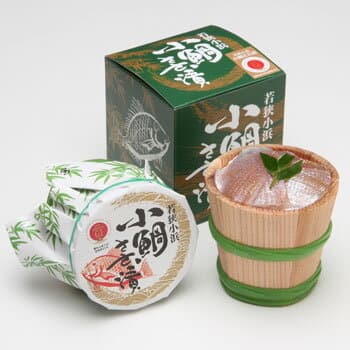
小浜ささ漬協会「若狭小浜小鯛ささ漬(200g)2樽入」(クール冷蔵便)
200g x 2 tubs百選横丁 楽天市場店
5.0 / 1 reviews
Japanese name若狭小浜小鯛ささ漬
In Obama City, Fukui, small Japanese Sea rengodai is filleted, boned, lightly salted, touched with vinegar, and set into cedar barrels or trays for a bright, gently acidic preparation.
Information last updated 120 days ago
3 images小浜ささ漬協会「若狭小浜小鯛ささ漬(200g)2樽入」(クール冷蔵便)
200g x 2 tubs百選横丁 楽天市場店
5.0 / 1 reviews
 2 images
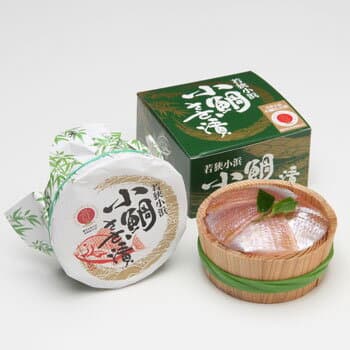
小浜ささ漬協会「若狭小浜小鯛ささ漬(100g)2樽入」(クール冷蔵便)
100g x 2 tubs百選横丁 楽天市場店
 3 images
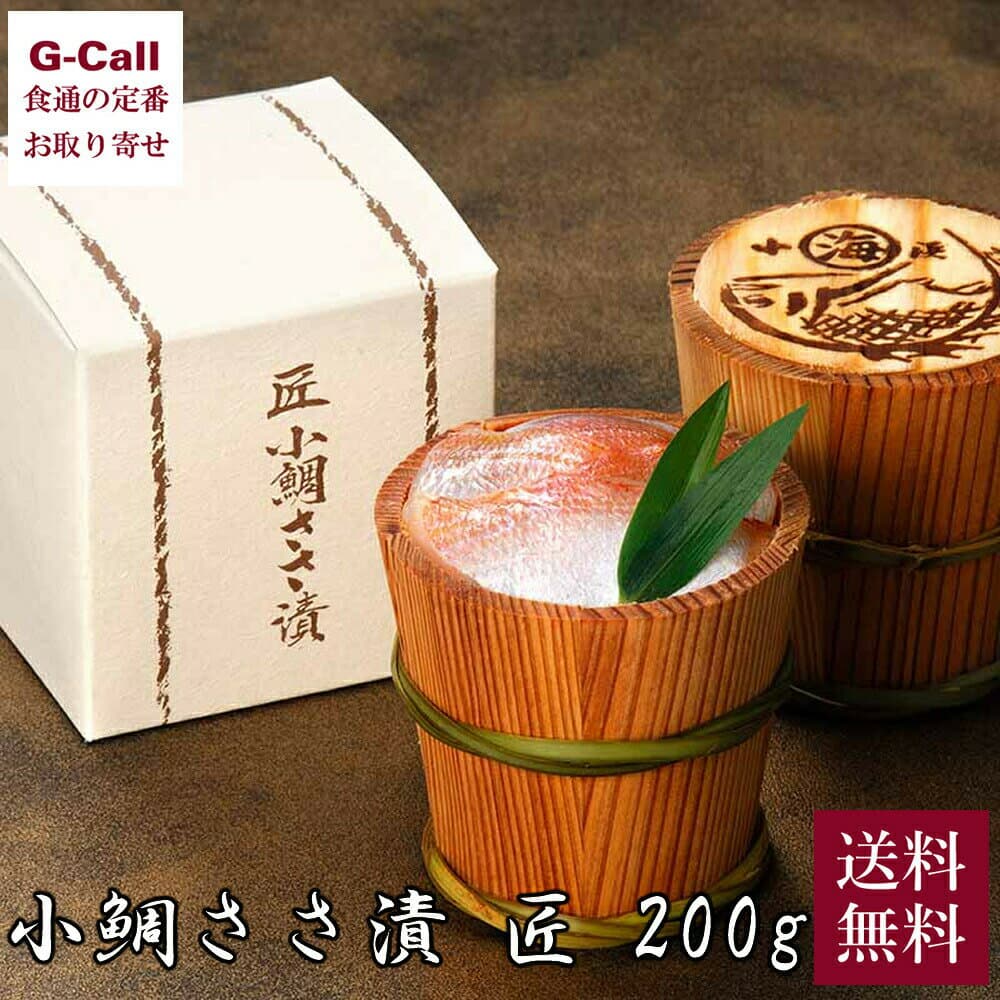
小浜海産 若狭小浜 小鯛 ささ漬け 匠 200g 送料無料 たくみ タイ 刺身 魚介 北陸 キダイ
200g x 1 barrelG-Call 食通の定番 お取り寄せ
First time buying on Rakuten? How residents in Japan order →
Wakasa Obama Kodai Sasazuke begins in Obama City, Fukui Prefecture, facing Wakasa Bay. Small Japanese Sea rengodai are scaled, headed, cleaned, filleted into three pieces, boned, salted, and soaked in vinegar or seasoned vinegar before being packed in cedar barrels or trays. The finished slices show pink skin, pale amber or translucent white flesh, a firm bite, moderate salt, and clear acidity.
Obama City faces Wakasa Bay, a coast long associated with sea bream fishing and seafood routes toward Kyoto. In the late Meiji period, rengodai catches in Wakasa Bay increased under the influence of currents and other conditions. Because Obama was close to Kyoto, makers had to answer two demands at once: fish that kept well and fish that still tasted fresh. Salt-curing and vinegar-curing became the practical answer for small sea bream.
The central fish is small Japanese Sea rengodai, described as a small sea bream. In sasazuke, its skin remains an attractive pink, while the flesh becomes pale amber or translucent white. Salt and vinegar firm the flesh and give it a measured salt-acid finish, while the flavor stays close to raw fish. Those traits explain why the slices work both on their own and over rice or sushi rice.
The work begins with removing scales, head, organs, and bones, then washing the fish and cutting it quickly into three fillets. The pieces are sprinkled with salt or placed in salt water, rinsed of excess salt, and soaked in vinegar or seasoned vinegar. The amount of salt and vinegar and the length of soaking are adjusted carefully, creating a preserved fish that still keeps a fresh-leaning texture and taste.
After curing, the slices are packed in cedar barrels or arranged in trays and similar containers. Cedar barrels absorb excess moisture and help concentrate umami. Bamboo leaves may be added near the finish, and some methods place kelp between the pieces. The barrel, leaf, and small slices give the food a material presence beyond seasoning alone: wood, fish, and careful arrangement are part of the experience.
Cutting small sea bream into three fillets and removing the bones is described as difficult to mechanize, so skilled workers in the production area remain central to quality. The handwork matters because small shifts in cutting, boning, salting, and vinegar soaking change the final firmness and balance. In 1964, the Obama Sasazuke Association was formed to support stable access to fresh raw materials and improve quality; today the cooperative is made up of 11 manufacturers in Obama City.
Wakasa Obama Kodai Sasazuke can be eaten directly, with wasabi soy sauce, or with hot rice. It is also used for ochazuke, chirashi sushi, temari sushi, clear soup, and vinegared dishes. On a small ball of sushi rice, the pink skin and translucent flesh bring color, salt, and acidity in one bite; in a bowl of rice, the cured fish seasons the grain without needing much else.
Wakasa Obama Kodai Sasazuke ties together a coastal city, small rengodai from the Japanese Sea, fast knife work, salt, vinegar, and the moisture-drawing surface of cedar. Its continuity is concrete: Obama City, 11 makers, pink-skinned slices, and a curing process built to keep fish lively while giving it enough firmness for rice, sushi, and simple table dishes.
Compiled from public records and official sources; see the recognition links below. Details may change over time.
Where this product is officially registered, designated, or recognized in Japan.
Geographical Indication (GI)
Registered under Japan's Geographical Indication Protection System, run by the Ministry of Agriculture, Forestry and Fisheries.
Sources1
It is written as 若狭小浜小鯛ささ漬 in Japanese. Search Rakuten and other Japanese sites with that spelling — the English name will not bring up the listings.
Wakasa Obama kodai sasazuke is a processed seafood from Obama City, Fukui, made with small Japanese Sea rengodai. Makers fillet and bone the fish, cure it with salt and vinegar or seasoned vinegar, then pack it in cedar barrels or trays. It has pink skin, pale amber or translucent white flesh, a firm texture, and moderate salt and acidity.
Its origin is linked to increased rengodai catches in Wakasa Bay during the late Meiji period and to demand connected with Kyoto. The Obama Sasazuke Association was established in 1964 to stabilize fresh raw-material supply and improve quality. The current cooperative is composed of 11 manufacturers in Obama City. Cedar barrels absorb extra moisture and help concentrate umami.
It may be eaten as-is or with wasabi soy sauce. On hot rice or as ochazuke, its salt and acidity season the bowl without much extra preparation. It is also used in chirashi sushi, temari sushi, clear soup, vinegared dishes, and a fried spring-rain noodle dish with lemon.
Storage varies by product — shelf-stable, refrigerated, or frozen — and is stated on the packaging and the Rakuten listing. Shelf-stable processed foods usually need refrigerating once opened and eating within a few days; chilled and frozen items go straight into storage on arrival. Treat the best-before date on the physical packaging as authoritative.
Most options are shelf-stable, boxed, and travel well, so they suit gifting or bringing home. Confirm the final storage and delivery terms on the Rakuten listing.
On Rakuten: the shops listed here right now are 百選横丁 楽天市場店, G-Call 食通の定番 お取り寄せ. We don't sell directly; purchase, payment, stock, and delivery are all handled on the Rakuten product page.