 3 images
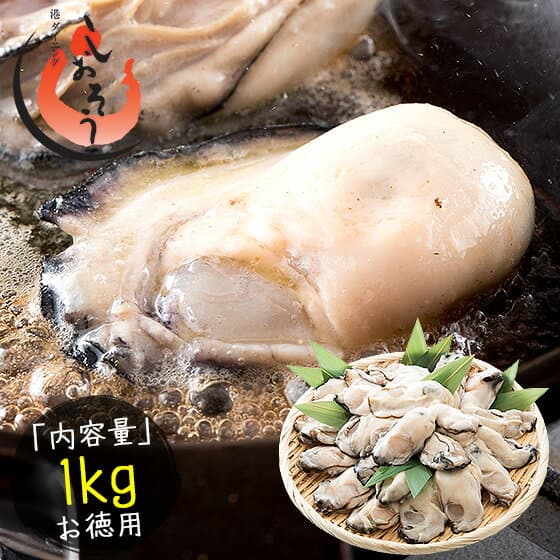
Frozen Hiroshima Shucked Oysters
カキ 牡蠣 広島 むき身 かき 剥き身 1kg 大粒 1キロ 大きい 美味しい 広島かき 冷凍牡蠣 広島カキ 冷凍 広島牡蠣 (解凍後850g/大粒2L約26〜35粒) 広島県産 グルメ おすすめ食品 [送料無料] 父の日
1kg (850g thawed), large 2L, approx. 26-35 pieces港ダイニングしおそう
4.7 / 934 reviews
Japanese name広島かき
In northern Hiroshima Bay, nutrients from the Ota River feed plankton, oyster rafts line the coastal water, and the shells below them grow into plump, deeply flavored seafood.
Information last updated yesterday
3 imagesカキ 牡蠣 広島 むき身 かき 剥き身 1kg 大粒 1キロ 大きい 美味しい 広島かき 冷凍牡蠣 広島カキ 冷凍 広島牡蠣 (解凍後850g/大粒2L約26〜35粒) 広島県産 グルメ おすすめ食品 [送料無料] 父の日
1kg (850g thawed), large 2L, approx. 26-35 pieces港ダイニングしおそう
4.7 / 934 reviews
 3 images
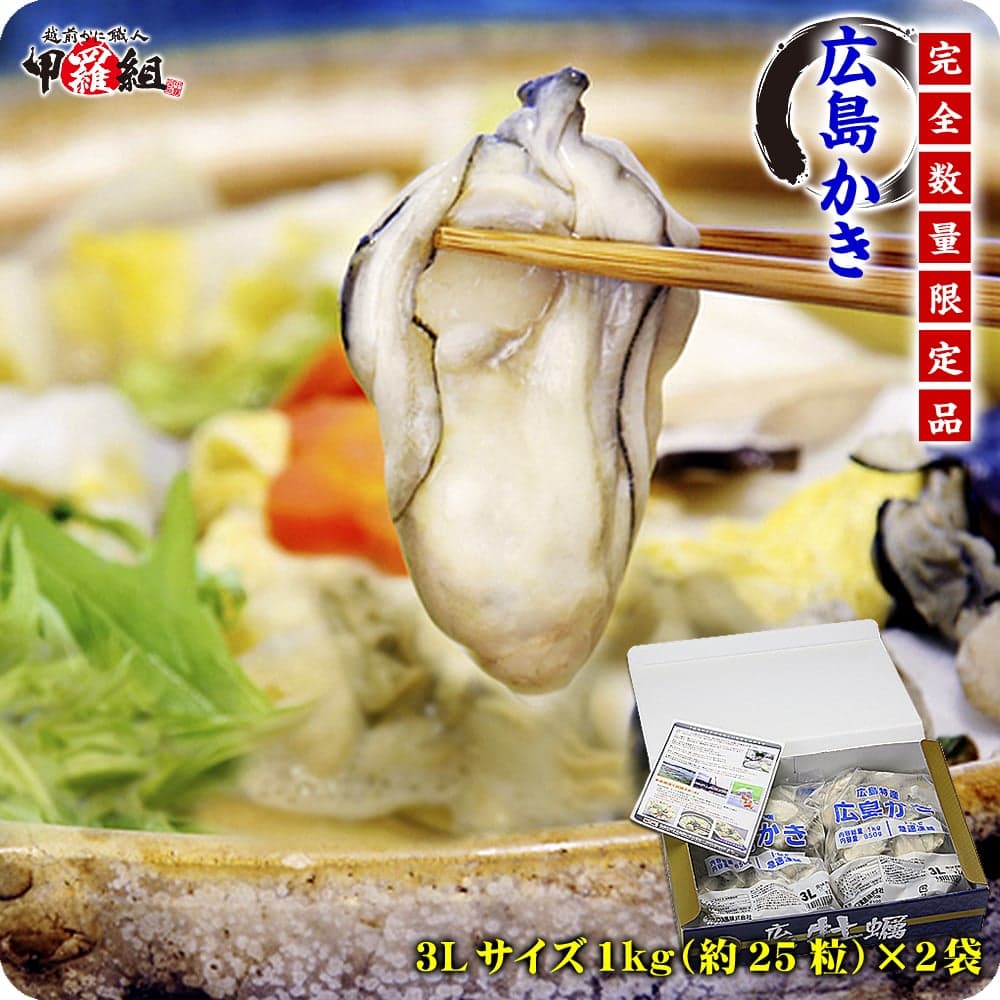
希少な超特大3Lサイズ限定販売!ジャンボ広島かき2kg(1kg/約25粒×2袋)【カキ】【牡蠣】【かき】【冷凍】 冷凍食品
3L, 2kg (1kg x 2 bags)越前かに職人甲羅組(DENSHOKU)
4.6 / 870 reviews
 3 images
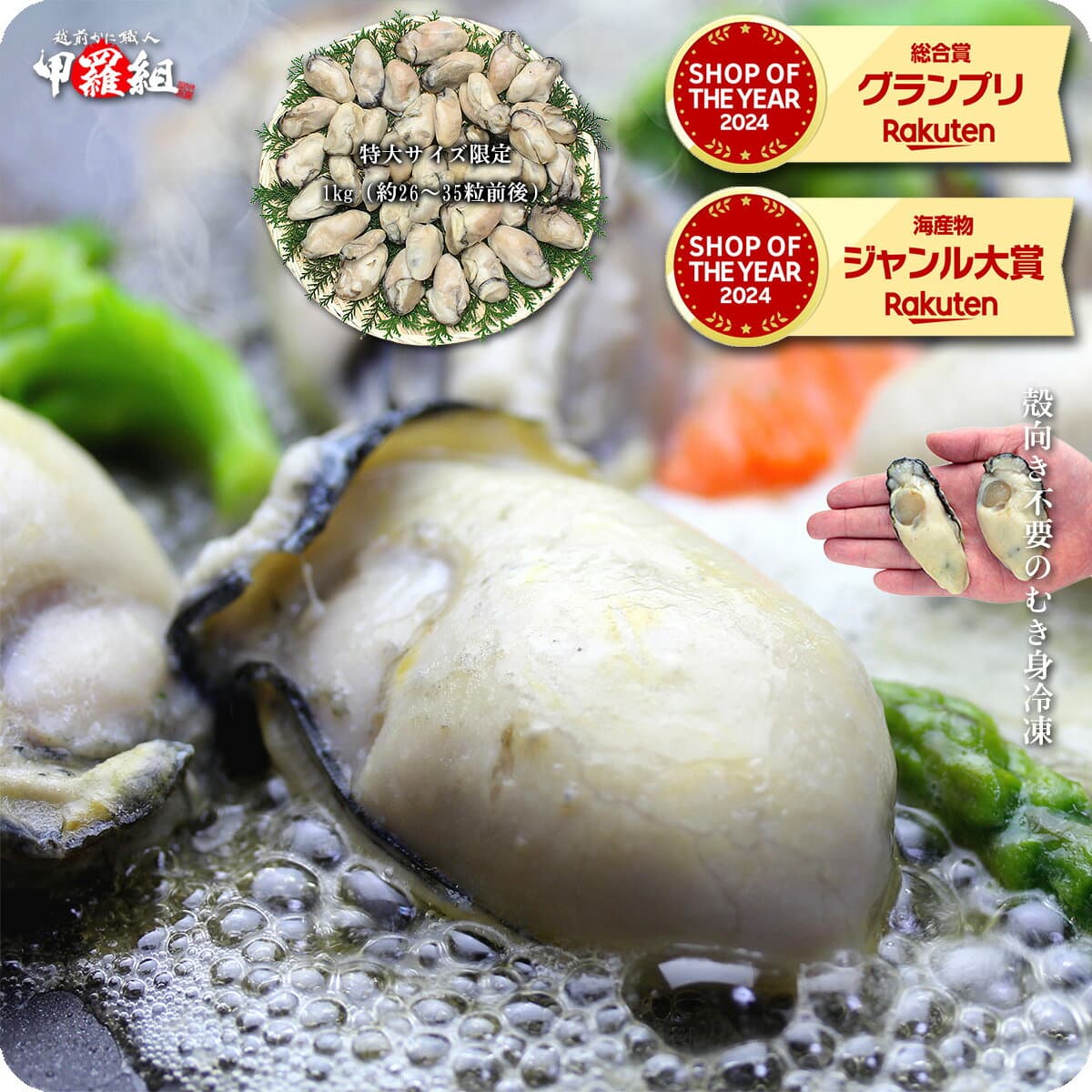
楽天ランキング1位&楽天グルメ大賞受賞!ジャンボ広島かき1kg(解凍後850g/約26〜35粒)【カキ】【牡蠣】【かき】【送料無料】お中元 ギフト プレゼント 【P】
2L/3L, 1kg (850g after thawing, approx. 26-35 pieces)越前かに職人甲羅組(DENSHOKU)
4.6 / 19853 reviews
First time buying on Rakuten? How residents in Japan order →
To picture Hiroshima oysters, begin with the northern water of Hiroshima Bay. Along Hiroshima City’s coastal fishing grounds, rows of oyster rafts sit over water enriched by the Ota River; plant plankton grows there, and the oysters develop full meat and a concentrated taste. The local character comes from that sequence: river nutrients, sheltered bay water, hanging culture from rafts, and the shore work of washing and shucking.
Hiroshima City oysters are mainly cultivated in coastal fishing grounds in the northern part of Hiroshima Bay. Nutrients flowing down from the upper Ota River encourage plant plankton, giving the oysters reliable feed in the bay; the local association describes the result as good meat fill and rich flavor. Around Ujina, wide tidal flats once shaped everyday work, and the sediment and nutrient-rich water connected to the Ota River helped create conditions for oyster culture around Hiroshima Bay.
The beginning of oyster culture in Hiroshima Bay should be told cautiously rather than fixed to one origin year. A local history display notes a Tenbun-period account from Aki province, while also saying the earliest start is unclear. From the early Edo period into the early Showa period, bamboo-stake hibi culture used the tidal flats; after a 1953 trial with moso-bamboo rafts, suspended raft culture spread quickly and moved much of the work from shallow flats to the surface of the bay.
Hiroshima oysters are carried by several working shores rather than a single harbor. Kusatsu is linked with hibi culture in the Enpo era, and today 10 fishers land and shuck oysters at Kusatsu Fishing Port from grounds around Itsukaichi and Tsukune Island. Eba remembers oyster grounds developed around Eba Island in 1713, with 18 fishers working around Eba and Kannon. Ninoshima, an island about 16 kilometers around, has 5 fishers raising oysters nearby; Yano has one current producer, while local accounts connect the district with cultivation in Yano Village in 1627.
The work beneath an oyster raft can be understood from one scallop shell. Young oysters attach to scallop shells; workers thread the shells onto wire, hang them below rafts, then lift the wires by crane at harvest. On shore, washing and shucking follow. A children’s hands-on program presents that chain from shell threading through harvest observation, washing, and shucking, turning the offshore raft into a visible sequence of tools and hands.
Ordinary oyster landing is generally associated with October through March, and the fullest body comes in the cold months from December through February, when glycogen has accumulated and the meat is plump. Kaki Komachi adds a separate use: it is raised by a single-seed basket method and is often served shell-on in summer, giving Hiroshima oyster cooking a concrete form beyond the winter table.
The kitchen range for Hiroshima oysters is broad. Local recipe material includes miso soup, zosui, ginger-scented takikomi rice, grilled oyster rice balls, tempura, fried oysters, butter saute, meuniere, doria, chowder, cream stew, and quiche-like dishes. Lemon hot pot places oysters in warm broth with citrus brightness, making the rich bay flavor and Hiroshima lemon a clear local pairing.
The continuity of oyster culture also depends on how shells and seawater are handled. Recent production guidance discusses hygiene work, salinity and temperature handling, washing residue, oyster-shell treatment, water-temperature, salinity, and dissolved-oxygen monitoring, and the need to reduce labor. Shells can be reused for fertilizer or seabed improvement; with stresses such as high water temperature, high salinity, and low oxygen, producers have to watch rafts, washing, shells, and sea conditions together.
Hiroshima oysters take shape through Ota River nutrients, northern Hiroshima Bay rafts, working shores such as Kusatsu and Eba, winter body fullness, and the summer use of Kaki Komachi. Before they reach miso soup, zosui, fried plates, or lemon hot pot, they have already passed through scallop shells, wire, cranes, washing, and shucking.
Compiled from public records and official sources; see the recognition links below. Details may change over time.
Where this product is officially registered, designated, or recognized in Japan.
Regional collective trademark
Registered as a Regional Collective Trademark with the Japan Patent Office.
Sources1
It is written as 広島かき in Japanese. Search Rakuten and other Japanese sites with that spelling — the English name will not bring up the listings.
Hiroshima oysters are anchored in northern Hiroshima Bay and the Ota River. River nutrients feed plankton that supports coastal raft culture; the broader history includes Edo-period bamboo-stake culture and the spread of suspended rafts after 1953. Kusatsu, Eba, Ninoshima, and Yano provide district-level working shores. Uses range from miso soup, zosui, fried oysters, and lemon hot pot to summer shell-on Kaki Komachi.
Hiroshima City oysters are mainly cultivated in coastal fishing grounds in northern Hiroshima Bay. Nutrients from the upper Ota River encourage plant plankton and are linked with good meat fill and rich flavor. The earliest start of Hiroshima Bay oyster culture is unclear, though a Tenbun-period Aki province account is noted. Bamboo-stake hibi culture continued from the early Edo period into the early Showa period, and suspended raft culture spread after a 1953 moso-bamboo raft trial.
Ordinary oyster landing is generally from October to March, with the fullest body around December to February. Kaki Komachi is raised by a single-seed basket method and is often used shell-on in summer. Hiroshima oysters appear in dishes such as miso soup, zosui, tempura, fried oysters, rice dishes, and lemon hot pot.
Storage varies by product — shelf-stable, refrigerated, or frozen — and is stated on the packaging and the Rakuten listing. Shelf-stable processed foods usually need refrigerating once opened and eating within a few days; chilled and frozen items go straight into storage on arrival. Treat the best-before date on the physical packaging as authoritative.
Most options are shelf-stable, boxed, and travel well, so they suit gifting or bringing home. Confirm the final storage and delivery terms on the Rakuten listing.
On Rakuten: the shops listed here right now are 港ダイニングしおそう, 越前かに職人甲羅組(DENSHOKU). We don't sell directly; purchase, payment, stock, and delivery are all handled on the Rakuten product page.